Portuguese Chicken Rice: A Savory Symphony of Flavors
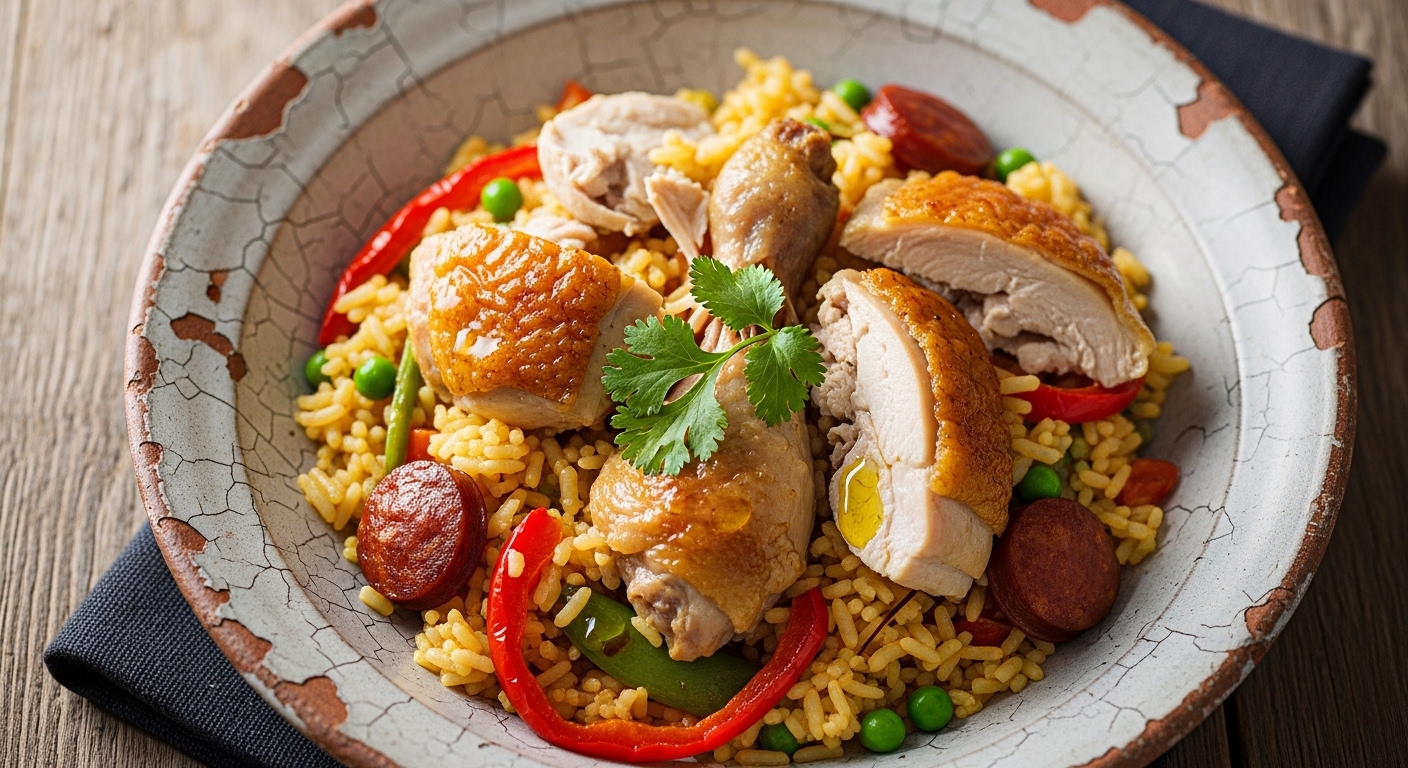
Imagine a dish so rich, aromatic, and comforting that it instantly transports you to the bustling streets of Macau or the cozy corners of a Portuguese-inspired kitchen. Portuguese Chicken Rice isn’t just food—it’s an experience. With tender, juicy chicken simmered in a fragrant blend of herbs, spices, and garlic, all served atop perfectly seasoned rice, this beloved comfort meal strikes the perfect balance between Eastern and Western culinary traditions. Whether you’re craving something hearty for lunch or planning a special dinner, Portuguese Chicken Rice delivers on flavor, texture, and soul-warming satisfaction.
This iconic fusion dish blends the bold spices of Portuguese cuisine with the simplicity of Chinese preparation methods—a legacy left behind during centuries of cultural exchange in Macao. The result? A harmonious marriage of savory, slightly sweet, and deeply aromatic notes that dance across your palate with every bite.
In this comprehensive guide, we’ll walk you through everything you need to know about making authentic Portuguese Chicken Rice at home—from selecting the right ingredients to mastering the cooking technique. By the end, you won’t just have a recipe; you’ll understand why this dish remains a global favorite.
Quick Recipe Summary
- Prep Time: 15 minutes
- Cook Time: 45–60 minutes
- Total Time: Approximately 1 hour 15 minutes
- Servings: 4 people
- Cuisine: Fusion (Macanese / Portuguese-Chinese)
- Course: Main Dish
- Calories: ~580 per serving (approximate)
What Makes Portuguese Chicken Rice So Irresistible?
At its heart, Portuguese Chicken Rice is more than just chicken and rice—it’s a layered symphony of flavors and textures. The chicken is marinated overnight in soy sauce, oyster sauce, sugar, and a secret blend of spices including star anise, cinnamon, and Sichuan peppercorns. This slow-cooked method ensures the meat absorbs every ounce of umami-rich goodness, becoming succulent and deeply flavored.
The rice, cooked separately but infused with the same aromatic broth used for the chicken, becomes soft, fragrant, and subtly seasoned—no need for extra salt or seasoning! Often garnished with pickled radish (chả lụa), cucumber slices, and a drizzle of dark soy sauce, each forkful offers a delightful contrast of tangy, fresh, and savory elements.
Whether enjoyed as a quick weekday meal or shared among friends during festive occasions, Portuguese Chicken Rice brings people together through its universal appeal.
Ingredients You’ll Need
To create an authentic and delicious Portuguese Chicken Rice, gather these carefully selected ingredients:
For the Chicken Marinade & Broth:
- 1 whole chicken (about 3–4 lbs), cut into 8 pieces (or 2 lbs bone-in thighs/drumsticks)
- ½ cup light soy sauce
- ¼ cup dark soy sauce
- 3 tablespoons oyster sauce
- 2 tablespoons rock sugar or granulated sugar
- 4 cloves garlic, minced
- 1-inch piece ginger, sliced
- 1 star anise
- 1 cinnamon stick
- 5–6 Sichuan peppercorns
- 2 bay leaves
- 6 cups water or low-sodium chicken stock
For the Rice:
- 3 cups jasmine rice, rinsed well
- ½ cup leftover chicken broth (from cooking the chicken)
- 1 tablespoon neutral oil (e.g., vegetable or canola)
Garnishes (Optional but Recommended):
- Pickled radish (chả lụa) or canned daikon radish
- Sliced cucumber
- Lime wedges
- Chopped green onions
- Dark soy sauce for drizzling
Step-by-Step Cooking Instructions
Follow these simple steps to prepare restaurant-quality Portuguese Chicken Rice at home.
Step 1: Marinate the Chicken Overnight
Place chicken pieces in a large bowl. Pour the soy sauces, oyster sauce, sugar, garlic, and ginger over the chicken. Stir gently to coat evenly. Cover and refrigerate for at least 4 hours—ideally overnight—to allow the flavors to penetrate deeply.
Step 2: Cook the Chicken Slowly
Transfer the marinated chicken (with its juices) to a heavy-bottomed pot or Dutch oven. Add the star anise, cinnamon stick, Sichuan peppercorns, bay leaves, and water or stock. Bring to a gentle boil, then reduce heat to low. Simmer uncovered for 35–45 minutes, turning occasionally, until the chicken is fully cooked and tender. Skim off any foam or impurities that rise to the surface.
Step 3: Prepare the Rice
While the chicken simmers, rinse the jasmine rice thoroughly under cold water until the water runs clear. In a medium saucepan, heat the oil over medium heat. Add the drained rice and stir-fry for 1–2 minutes to lightly toast it. Pour in the reserved chicken broth and bring to a boil. Reduce heat to low, cover tightly, and simmer for 12–15 minutes, or until the rice is fluffy and most of the liquid is absorbed. Remove from heat and let sit covered for 5 minutes before fluffing with a fork.
Step 4: Rest and Serve
Remove the chicken from the broth and let it rest for 5–10 minutes. Strain the cooking liquid through a fine-mesh sieve and reserve—you may use some later if needed. Slice the chicken into portions. Plate the fragrant rice, top with sliced chicken, and garnish with pickled radish, cucumber, and a squeeze of lime. Drizzle with a little dark soy sauce for added depth.
Chef Tips for Perfect Results
- Marinate Longer = Better Flavor: The longer the chicken marinates, the more intense the taste. Don’t skip the overnight step!
- Use Quality Ingredients: Authentic oyster sauce and good soy sauces make a noticeable difference in umami richness.
- Don’t Rush the Simmer: Low and slow is key. High heat can toughen the chicken.
- Reserve the Broth: Save the fragrant cooking liquid—it’s packed with flavor and perfect for future rice dishes.
- Fluff the Rice Gently: Over-stirring after cooking ruins the texture. Use a fork to lift, not scrape.
Common Mistakes to Avoid
- Skipping the Marination: Without marinating, the chicken lacks depth and doesn’t absorb enough flavor.
- Using Too Much Salt: Soy sauces already contain salt. Taste before adding extra seasoning.
- Overcooking the Rice: Jasmine rice should be tender but not mushy. Follow timing closely.
- Not Skimming the Foam: Impurities affect clarity and flavor. Keep the broth clean.
Ingredient Substitutions & Variations
Want to put your own spin on this classic? Here are some creative swaps:
Vegetarian/Vegan Version:
Replace chicken with firm tofu or king oyster mushrooms. Simmer in the same aromatic broth for 20–25 minutes until tender. Serve with vegan oyster sauce alternatives.
Healthier Lightened-Up Option:
Use skinless chicken breast or thighs (skin removed). Reduce oil in rice by half. Increase vegetables in garnish (e.g., shredded cabbage, bean sprouts).
Spice Level Adjustment:
Reduce or omit Sichuan peppercorns if you prefer milder heat. Add chili flakes or fresh red chilies during simmering for extra kick.
Indian-Inspired Twist:
Add turmeric, garam masala, and coconut milk to the broth for a South Asian fusion version. Serve with basmati rice.
Serving Suggestions
Portuguese Chicken Rice shines when served thoughtfully. Pair it with:
- A crisp Asian salad with sesame dressing
- Steamed bok choy or stir-fried bitter melon
- A chilled glass of lychee soda or calamansi juice
- Traditional Macanese black coffee on the side
For a complete feast, add a side of chá da manhã (Portuguese egg tarts) or arroz de cuxá (a creamy pumpkin rice dish).
Storage & Reheating Instructions
Leftovers keep beautifully! Store in airtight containers:
- Rice: Up to 4 days in the fridge or 1 month in the freezer.
- Chicken: Keep separate from rice to prevent sogginess. Can be stored up to 3 days.
Reheating Tips:
Reheat rice with a splash of water in a microwave-safe container (cover loosely). Warm chicken in its own broth over low heat—never dry heat, which dries out the meat.
Nutrition Facts (Approximate Per Serving)
- Calories: 580
- Protein: 38g
- Carbohydrates: 62g
- Fat: 18g
- Fiber: 1g
- Sugar: 4g
- Sodium: 950mg
*Note: Values vary based on ingredient brands and portion sizes.*
Key Takeaways
– Portuguese Chicken Rice combines tender, flavor-packed chicken with aromatic rice in one irresistible dish.
– Proper marination and slow simmering are essential for authentic taste.
– Garnishes like pickled radish and cucumber add bright contrasts that elevate every bite.
– Leftovers reheat well and even improve in flavor after a day or two.
– Customize with substitutions for vegetarian, spicy, or healthier versions.
FAQs About Portuguese Chicken Rice
1. Is Portuguese Chicken Rice the same as Chicken Rice from Macanese restaurants?
Yes—this recipe captures the essence of the famous street food found throughout Macau. While some variations exist, the core elements remain consistent: braised chicken, fragrant rice, and classic garnishes.
2. Can I make this without Sichuan peppercorns?
Absolutely. Sichuan peppercorns provide numbing heat but can be omitted for a milder version. Just ensure other spices like star anise and cinnamon still deliver complexity.
3. Why does my rice turn out sticky?
Overwatering or insufficient draining causes stickiness. Always rinse rice until water runs clear, measure broth accurately, and avoid lifting the lid while cooking.
4. How do I store leftover chicken broth?
Strain and freeze in ice cube trays for easy reuse in soups, risottos, or future batches of rice.
5. Can I cook this in an Instant Pot?
Yes! After searing chicken (optional), add all ingredients except rice. Pressure cook on high for 20 minutes, natural release for 10. Then cook rice separately using reserved broth.
Conclusion: Bring the Flavors of Macau Home Today
Portuguese Chicken Rice isn’t just a meal—it’s a celebration of history, culture, and culinary artistry. With every spoonful, you’re tasting centuries of cross-cultural exchange between Portugal and China, refined through generations of cooks who mastered the delicate balance of spice, sweetness, and savory depth.
Now that you’ve got the full recipe, tips, and secrets to perfection, there’s no reason not to try making it tonight. Whether you’re hosting friends, treating yourself, or simply exploring new flavors, this dish promises warmth, comfort, and unforgettable taste.
So roll up your sleeves, gather your ingredients, and let the rich aroma of simmering spices fill your kitchen. Your table—and your taste buds—will thank you.