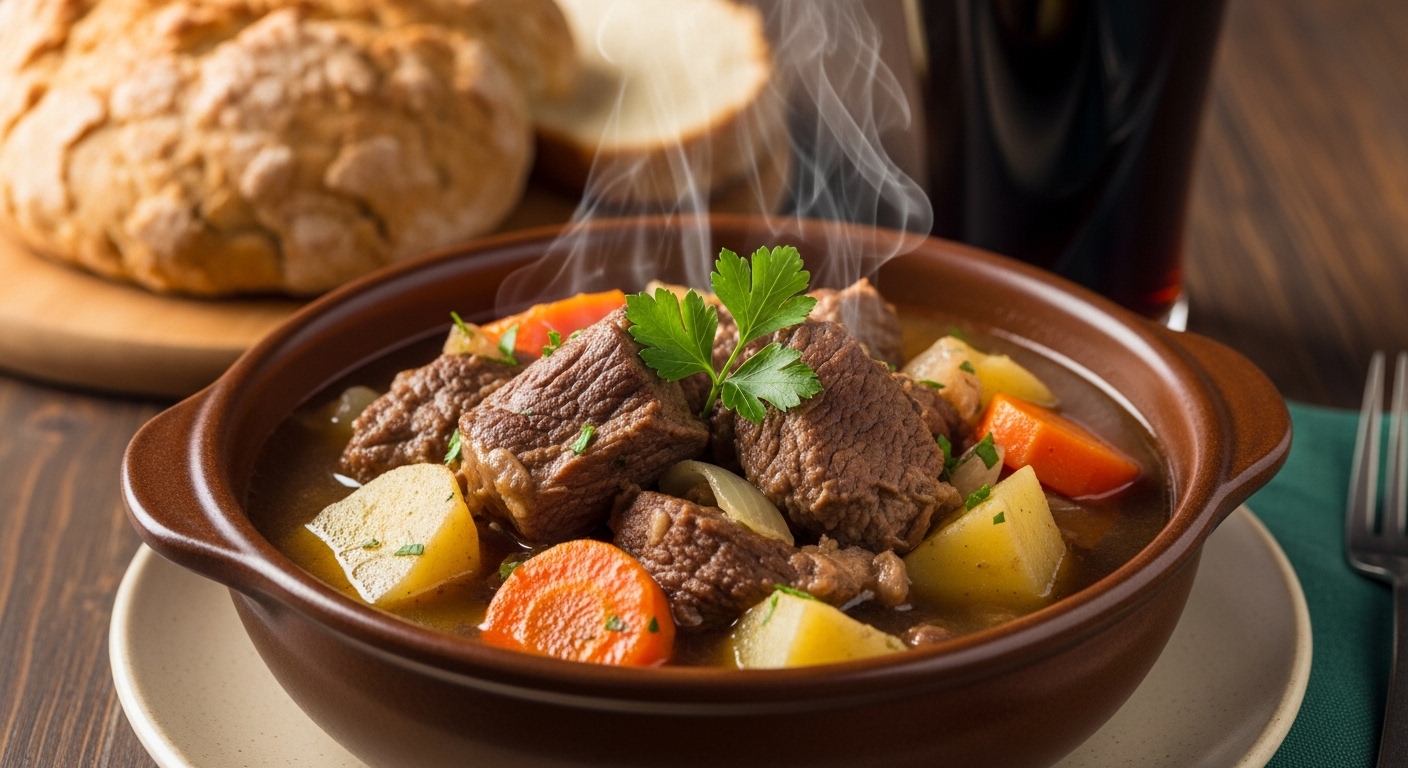
Looking for a comforting, flavorful dish that brings the heart of Belfast into your kitchen? Belfast Irish stew is more than just a meal—it’s a tradition steeped in warmth, community, and centuries of culinary heritage. This rustic one-pot wonder combines tender lamb, root vegetables, and rich broth into a dish so satisfying, it feels like a hug in a bowl. Whether you’re hosting a cozy family dinner or craving a taste of Irish countryside, this authentic Belfast Irish stew recipe delivers deep flavors and soul-soothing comfort with every spoonful.
What Makes Belfast Irish Stew So Special?
Unlike its southern cousin, the Irish stew of Belfast is known for its simplicity, hearty ingredients, and slow-cooked tenderness. Originating in rural farming communities across Northern Ireland, this dish was traditionally made with whatever was on hand—lamb from the farm, potatoes from the garden, onions, and carrots. Over time, it evolved into a beloved national dish, especially cherished during winter months when hearty stews were essential for sustaining cold nights.
The secret lies in its method: lamb shoulder or neck, cut into chunks, is browned and simmered slowly with root vegetables and a touch of stock until everything melts into one harmonious flavor. The result? A deeply savory, slightly tangy broth that clings to fluffy potatoes and sweet carrots. It’s not flashy—but it’s honest, nourishing, and utterly unforgettable.
Why Home Cooks Love This Recipe
- One-Pot Simplicity: Minimal prep, maximum flavor.
- Family-Friendly: Kid-approved and easily customizable.
- Cold-Weather Comfort: Perfect for chilly evenings or St. Patrick’s Day gatherings.
- Authentic Taste: Brings the true essence of Belfast kitchens.
Quick Recipe Overview
| Prep Time | Cook Time | Total Time | Servings | Cuisine | Course | Calories (approx.) |
|---|---|---|---|---|---|---|
| 15 minutes | 1 hour 45 minutes | 2 hours | 6–8 | Irish / Northern Irish | Mains | 320 per serving |
Ingredients You’ll Need
Here’s everything you need to make an authentic Belfast Irish stew. All ingredients are easy to find, but we’ve included helpful substitutions below if needed.
Main Ingredients
- 1.5 kg (3 lbs) lamb shoulder or neck, cut into 3–4 cm (1.5-inch) chunks
- 4 large onions, peeled and sliced
- 6 medium potatoes, peeled and halved (or quartered if large)
- 4 large carrots, peeled and sliced
- 3 celery stalks, chopped
- 2 bay leaves
- 1 tsp fresh thyme, or ½ tsp dried
- Salt and black pepper, to taste
Liquid & Base
- 1 liter (4 cups) lamb or beef stock (low-sodium preferred)
- 2 tbsp olive oil or butter
Step-by-Step Cooking Instructions
Follow these simple steps to create a rich, layered stew that tastes like it’s been simmering all day.
- Brown the Lamb: Heat olive oil in a heavy-bottomed pot or Dutch oven over medium-high heat. Pat lamb dry with paper towels. Season with salt and pepper, then sear in batches until golden on all sides. Remove and set aside.
- Sauté Aromatics: In the same pot, add onions and cook until softened and lightly caramelized (about 5–7 minutes). Add celery and carrots; stir for 2–3 minutes.
- Deglaze & Simmer: Return lamb to the pot. Pour in stock, add thyme and bay leaves. Bring to a gentle boil, then reduce heat to low. Cover and simmer for 1 hour 20 minutes, stirring occasionally.
- Add Potatoes: After the first hour, add potatoes. Continue cooking uncovered for another 20–25 minutes, or until lamb is fork-tender and potatoes are soft.
- Final Seasoning: Discard bay leaves. Taste and adjust seasoning with salt and pepper. Serve immediately.
Chef Tips for Success
- Don’t skip browning: Searing locks in moisture and builds deep flavor through the Maillard reaction.
- Use waxy potatoes: Yukon Gold or Maris Piper hold their shape better than russets during long cooking.
- Low and slow is key: Maintain a gentle simmer—rapid boiling can toughen the meat.
- Rest before serving: Let sit 5–10 minutes off heat to allow flavors to settle.
Common Mistakes to Avoid
- Overcrowding the pot: Brown lamb in batches to ensure proper searing.
- Using water instead of stock: Stock adds richness and depth—water makes the stew flat.
- Adding potatoes too early: They become mushy if cooked too long before lamb is tender.
- Skipping the onion caramelization: This step builds sweetness and complexity.
Ingredient Substitutions & Variations
Want to adapt this classic? Here’s how to make it your own while keeping its Irish spirit alive.
Protein Options
- Vegetarian version: Swap lamb for king oyster mushrooms or chickpeas for protein.
- Beef stew alternative: Use chuck roast—it holds up well in long braises.
- Seafood twist: Add smoked haddock or mussels near the end for a coastal variation.
Vegan/Vegetarian Adaptation
- Replace lamb with extra-firm tofu (pressed and cubed) or lentils.
- Use vegetable stock and coconut milk for creaminess.
- Add roasted garlic and smoked paprika for umami depth.
Regional & Flavor Twists
- Indian-inspired: Add curry leaves, ginger-garlic paste, and a splash of tamarind.
- Spiced version: Stir in ½ tsp ground cumin and coriander during sautéing.
- Herbed upgrade: Finish with fresh parsley or dill for brightness.
Serving Suggestions
Serve your Belfast Irish stew hot straight from the pot for maximum comfort. Pair it with:
- Bread: Crusty soda bread or Irish brown bread for dipping.
- Rice or mash: Creamy potato mash soaks up the delicious sauce.
- Salad: A simple green salad with lemon vinaigrette cuts the richness.
- Drink pairing: A crisp Irish stout or red wine complements the savory notes.
Storage & Reheating Tips
This stew actually tastes better the next day as flavors deepen!
- Refrigerate: Store in an airtight container for up to 4 days.
- Freeze: Cool completely, then freeze for up to 3 months. Thaw overnight in fridge.
- Reheat gently: Warm on stove over low heat, adding a splash of stock if too thick.
- Avoid microwave:** It can make potatoes gummy—stovetop is best.
Nutrition Facts (Approximate Per Serving)
| Nutrient | Amount |
|---|---|
| Calories | 320 kcal |
| Protein | 28 g |
| Fat | 16 g |
| Carbohydrates | 18 g |
| Fiber | 3 g |
| Sodium | 480 mg |
Healthier Version Notes
- Trim visible fat from lamb before cooking.
- Use low-sodium stock and limit added salt.
- Boost veggies—add parsnips, turnips, or leeks for extra nutrients.
- Try leaner cuts like lamb leg or loin with extra roasting before stewing.
Key Takeaways
- Belfast Irish stew is a humble, deeply satisfying dish rooted in Northern Irish tradition.
- Slow-cooking lamb with root vegetables creates tender, flavorful results.
- The recipe is highly adaptable—vegetarian, spiced, or even seafood versions work beautifully.
- Perfect for meal prep, freezing, and feeding a hungry crowd.
- Authenticity comes from patience: browning, simmering, and letting flavors marry.
FAQs About Belfast Irish Stew
1. Is Belfast Irish stew the same as regular Irish stew?
While both share roots, Belfast Irish stew often features slightly different proportions—more onions, fewer dumplings—and is typically made with lamb shoulder rather than mutton. Regional variations mean each household has its own twist, but all honor the core idea of slow-cooked comfort.
2. Can I use frozen vegetables?
Yes! Frozen carrots, onions, and potatoes work fine. Just add them at the same time as fresh ones since they’re already blanched. Avoid frozen meat—always use fresh lamb for best texture and safety.
3. How do I make this stew gluten-free?
This recipe is naturally gluten-free as written. Just ensure your stock and bouillon cubes are certified GF. No changes needed otherwise!
4. Why is my stew too thin?
If it’s watery, let it simmer uncovered longer to reduce. You can also mix 1–2 tbsp cornstarch with cold water and stir it in during the last 10 minutes to thicken gently.
5. What’s the difference between Irish stew and shepherd’s pie?
Shepherd’s pie uses minced meat topped with mashed potatoes. Irish stew is chunky, brothy, and served in a pot—no pie crust involved!
Conclusion: Bring Belfast Home With Every Spoonful
There’s something magical about a pot simmering on the stove, filling your kitchen with earthy aromas and warm memories. Belfast Irish stew isn’t just food—it’s storytelling in every bite. Whether you’re cooking for one or feeding a village, this recipe connects you to generations of Irish home cooks who believed in simple ingredients, slow love, and shared meals.
So grab your ladle, gather your ingredients, and let the simmer begin. Your taste buds—and your soul—will thank you.
Leave a Reply