Halloumi Veg Bowl: A Crispy, Creamy Delight That’s Perfect for Lunch or Dinner
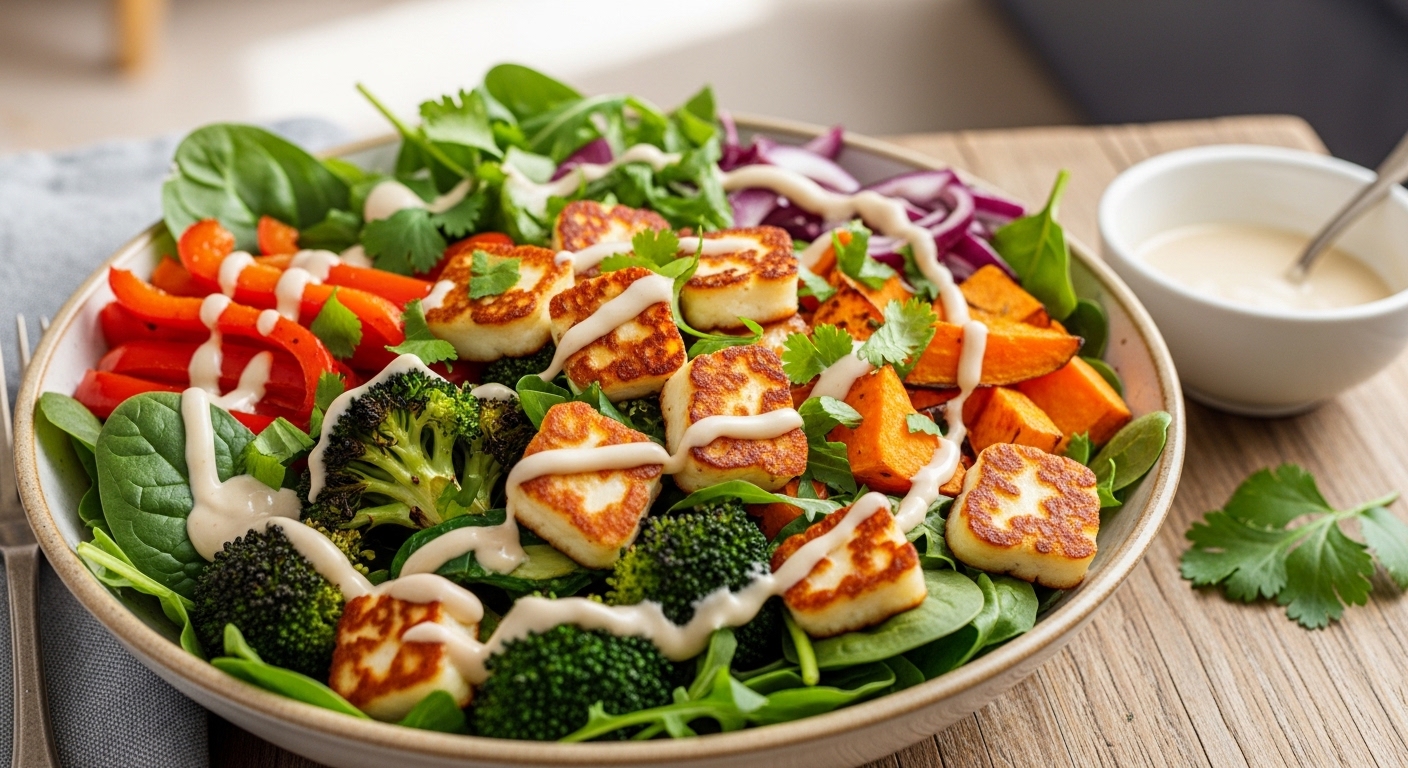
There’s something undeniably satisfying about a warm, crispy piece of halloumi paired with fresh, colorful vegetables—all nestled in a bed of fluffy grain or quinoa. If you’re searching for a **Halloumi Veg Bowl** recipe that’s both nutritious and bursting with flavor, you’ve come to the right place. This Mediterranean-inspired dish combines the unique texture of grilled halloumi cheese with vibrant roasted or raw veggies, tangy dressings, and hearty grains, creating a meal that’s as nourishing as it is delicious. Whether you’re meal-prepping for the week, looking for a quick dinner idea, or craving something light yet filling, the Halloumi Veg Bowl checks all the boxes.
With its high-protein content, plant-forward ingredients, and bold flavors, this bowl has become a favorite among health-conscious eaters and food lovers alike. And the best part? It’s incredibly easy to customize based on your taste preferences or dietary needs. Ready to transform your next lunch into a flavorful feast? Let’s dive into the details.
Quick Recipe Summary Table
- Prep Time: 15 minutes
- Cook Time: 20 minutes
- Total Time: 35 minutes
- Servings: 2
- Cuisine: Mediterranean / Modern Vegan
- Course: Main Dish, Salad, Lunch
- Calories (approx.): 480 per serving
Why You’ll Love the Halloumi Veg Bowl
The magic of the **Halloumi Veg Bowl** lies in its perfect balance of textures and flavors. Halloumi cheese, made from a blend of goat and sheep milk, is renowned for its ability to hold its shape and develop a golden crust when grilled or pan-fried—unlike other cheeses that melt away. This makes it ideal for high-heat cooking without becoming rubbery or oily.
When paired with crisp vegetables like bell peppers, zucchini, and cherry tomatoes, the result is a bowl that’s not only visually appealing but also deeply satisfying. Add a light lemon-tahini dressing or a zesty yogurt-mint sauce, and you’ve got a dish that feels indulgent yet guilt-free.
Plus, it’s naturally gluten-free (if using certified gluten-free grains), rich in protein and fiber, and packed with antioxidants from the colorful veggies. Whether you’re following a vegetarian, vegan, or just trying to eat more plant-based meals, this bowl fits the bill.
Complete Ingredients List (Serves 2)
For the Bowl Base:
- 1 cup cooked quinoa or brown rice (cooked according to package instructions)
- 1/2 cup chickpeas (canned, rinsed and drained, optional for extra protein)
- 1/2 red onion, thinly sliced
- 1/2 cup cherry tomatoes, halved
- 1/2 cucumber, diced
- 1/4 red bell pepper, julienned
- 1/4 cup Kalamata olives, pitted and sliced (optional)
- 1/4 cup crumbled feta cheese (omit for vegan version)
- Fresh parsley or cilantro, chopped (for garnish)
For the Halloumi:
- 150g halloumi cheese, cut into 1/2-inch slices
- 1 tablespoon olive oil
- Pinch of salt (optional—halloumi is already salty)
- Black pepper, to taste
For the Dressing:
- 2 tablespoons tahini
- 1 tablespoon fresh lemon juice
- 1 garlic clove, minced
- 2–3 tablespoons cold water (to thin)
- 1/4 teaspoon ground cumin (optional)
- Salt and pepper to taste
- Drizzle of extra virgin olive oil (for finishing)
Step-by-Step Cooking Instructions
1. Prepare the Grain Base
Cook your quinoa or rice according to package directions. While it’s still warm, fluff it gently with a fork and set aside. This will help it absorb the flavors better when combined with other ingredients.
2. Roast or Sauté the Vegetables (Optional)
If you prefer slightly caramelized edges on your veggies, toss the bell pepper, cherry tomatoes, and red onion with a splash of olive oil and roast at 200°C (400°F) for 15–20 minutes until tender and slightly charred. Alternatively, sauté them quickly in a pan for 5–7 minutes for a fresher crunch.
3. Cook the Halloumi
Heat a non-stick skillet over medium-high heat. Add the halloumi slices and drizzle with a little olive oil. Cook for 2–3 minutes on each side until golden and crispy. Be gentle—halloumi can break easily. Avoid moving it too soon so it develops a nice sear.
4. Make the Tahini Dressing
In a small bowl, whisk together tahini, lemon juice, garlic, and cumin. Slowly add cold water, one tablespoon at a time, until the dressing reaches a pourable consistency. Season with salt and pepper to taste. Drizzle over the assembled bowl just before serving.
5. Assemble the Bowl
Divide the warm grain base between two bowls. Arrange the fresh and roasted veggies on top. Place the crispy halloumi slices over the vegetables. Sprinkle with feta, olives, and fresh herbs. Drizzle generously with the tahini dressing and a final touch of olive oil.
6. Serve Immediately
The warmth of the grain and the crispness of the halloumi shine best when served fresh. Enjoy your homemade **Halloumi Veg Bowl** straight from the bowl!
Chef Tips for Best Results
- Don’t skip searing time: Letting halloumi cook undisturbed ensures a golden, chewy exterior that contrasts beautifully with the soft interior.
- Use room-temperature halloumi: Cold halloumi can crack when heated. Take it out of the fridge 10–15 minutes before cooking.
- Toast the tahini: For deeper flavor, lightly toast the tahini in a dry pan for 1–2 minutes before mixing it into the dressing.
- Layer wisely: Start with the grain, then veggies, then halloumi. This prevents the base from getting soggy.
- Make it ahead: Prep components (grain, veggies, dressing) separately and assemble just before eating to maintain texture.
Common Mistakes to Avoid
- Overcrowding the pan: Cooking too many halloumi slices at once leads to steaming instead of crisping.
- Using low heat: Medium-high heat is essential for achieving that signature golden crust.
- Serving cold: The bowl tastes best warm. Cold halloumi loses its appeal, and the dressing may thicken unevenly.
- Skipping acidity: A splash of lemon juice or vinegar brightens the dish and cuts through the richness of the cheese.
Ingredient Substitutions & Variations
Vegetarian/Vegan Options:
- Replace feta with dairy-free alternatives like cashew-based feta or nutritional yeast sprinkle.
- Use avocado slices instead of halloumi for a creamy, plant-based protein boost.
- Substitute chickpeas with lentils or edamame for added protein.
Gluten-Free Friendly:
This recipe is naturally gluten-free as long as you use certified gluten-free quinoa or rice.
Mediterranean Twist:
- Add sun-dried tomatoes, artichoke hearts, or roasted eggplant.
- Swap tahini dressing for a simple lemon-olive oil vinaigrette.
Asian-Inspired Version:
- Use sesame-ginger dressing with soy-glazed halloumi and bok choy or shredded cabbage.
- Serve over jasmine rice with a sprinkle of sesame seeds.
Serving Suggestions
Pair your **Halloumi Veg Bowl** with a chilled glass of white wine or a refreshing cucumber mint lemonade. It’s perfect as a standalone lunch or a side dish alongside grilled chicken or fish. For brunch, add a poached egg on top for an extra protein punch.
Storage & Reheating Instructions
- Refrigerate: Store assembled bowls in airtight containers for up to 2 days. Keep dressing separate to prevent sogginess.
- Reheat: Gently reheat the bowl in a skillet over low heat with a splash of water to revive the halloumi’s crispness. Alternatively, microwave for 30–60 seconds and finish with a drizzle of fresh olive oil.
- No microwave for halloumi? Pan-fry briefly after reheating to restore texture.
Nutrition Facts (Approximate Per Serving)
- Calories: 480
- Protein: 22g
- Fat: 24g
- Carbohydrates: 48g
- Fiber: 8g
- Sugar: 6g
- Sodium: 620mg (adjust based on added salt)
- Vitamins & Minerals: Rich in iron, magnesium, calcium, and vitamin C from vegetables and grains.
Key Takeaways
- The **Halloumi Veg Bowl** is a balanced, flavorful, and visually stunning dish that works for lunch, dinner, or even brunch.
- Its key ingredient—halloumi—holds up beautifully to high heat, offering a satisfying chew and crispy exterior.
- Customizable and adaptable, this bowl fits vegetarian, vegan, gluten-free, and Mediterranean diets.
- With simple ingredients and minimal prep, it’s ideal for busy weeknights or meal prep.
- A well-made tahini or lemon dressing elevates the entire experience.
Frequently Asked Questions (FAQs)
1. Can I make the Halloumi Veg Bowl ahead of time?
Yes! Prepare all components—grains, roasted veggies, halloumi, and dressing—separately up to 24 hours in advance. Assemble just before eating to maintain texture, especially the crispiness of the halloumi.
2. Is halloumi safe to eat if I’m lactose intolerant?
Halloumi has very low lactose content due to its high melting point and fermentation process. Many people with mild lactose intolerance tolerate it well, but those with severe sensitivity should avoid it or opt for a dairy-free alternative.
3. What’s the best way to store leftover halloumi?
Keep unused halloumi slices wrapped in parchment paper and placed in an airtight container. It stays fresh in the fridge for up to 5 days. For longer storage, freeze for up to 2 months.
4. Can I use another type of cheese instead of halloumi?
While you can substitute with paneer, tofu, or even aged mozzarella, nothing quite matches halloumi’s unique texture and resistance to melting. For a vegan option, try marinated tempeh or grilled tofu.
5. How do I keep my Halloumi Veg Bowl from getting soggy?
Always build your bowl with a solid base (grain first), add veggies next, then top with halloumi. Keep dressing in a separate container and drizzle just before serving. Avoid adding too much liquid-rich ingredients like cucumbers or tomatoes directly onto the grain.
Conclusion: Your Next Favorite Bowl Awaits
The **Halloumi Veg Bowl** isn’t just a trend—it’s a timeless combination of flavors, textures, and nutrition that deserves a permanent spot in your recipe rotation. Whether you’re new to Mediterranean cuisine or a seasoned foodie looking for a quick, wholesome meal, this dish delivers on every front. With its golden-crispy halloumi, vibrant vegetables, and creamy tahini dressing, it’s a bowl that satisfies both your palate and your body.
So go ahead—grab some halloumi, fire up the pan, and create your own version today. And don’t forget to tag us if you share it! Your kitchen adventure starts now.