Yorkshire Roast Beef: The Timeless Classic That Steals Every Heart
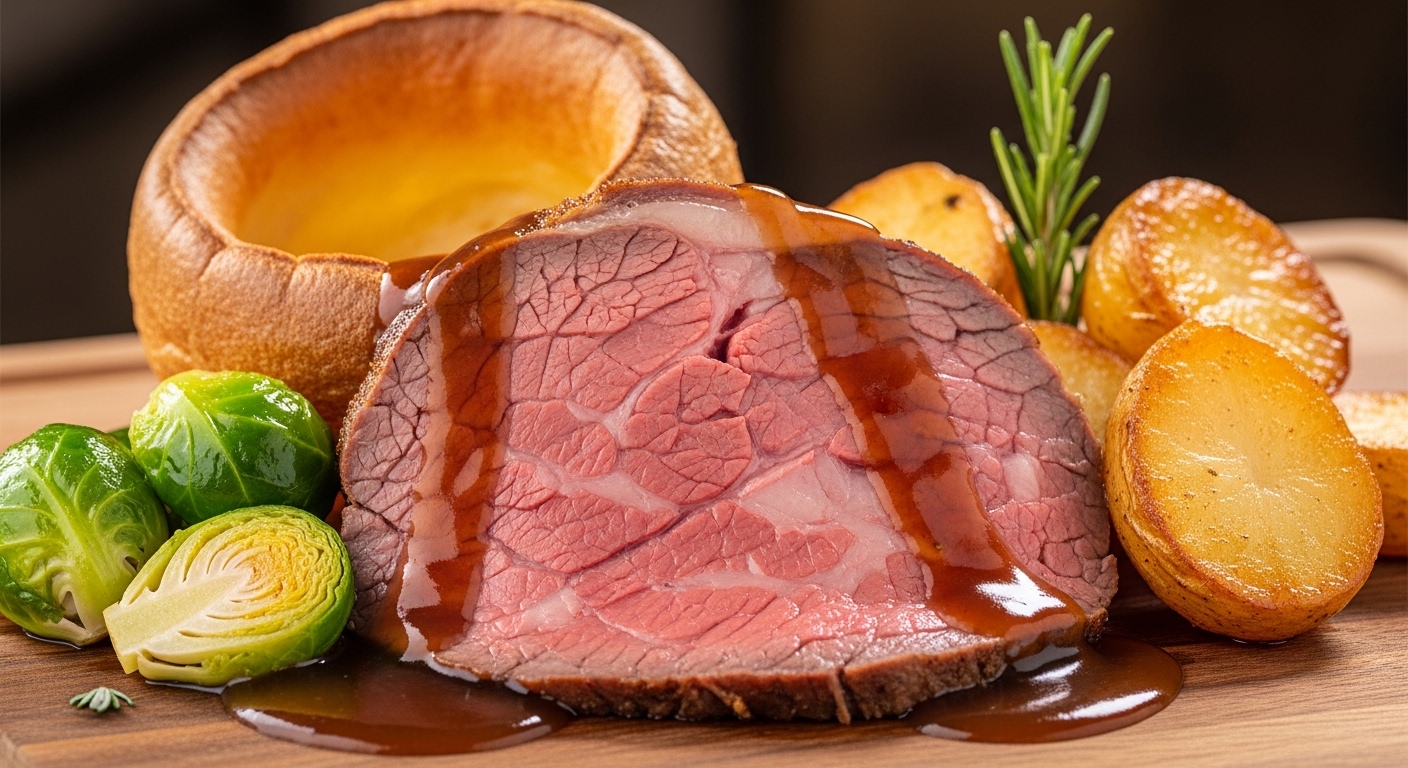
There’s something deeply comforting about a perfectly cooked Yorkshire roast beef—juicy, tender slices glistening with rich gravy, served alongside golden Yorkshire puddings, roasted vegetables, and creamy horseradish. This iconic British dish isn’t just food; it’s tradition, nostalgia, and a celebration of slow-cooked perfection. Whether you’re hosting a Sunday family dinner or planning a festive holiday feast, Yorkshire roast beef delivers on both flavor and elegance.
Originating from the rolling hills of Yorkshire in northern England, this dish has been a centerpiece of British cuisine for centuries. It gained widespread fame thanks to its starring role in the traditional “Sunday Roast,” a meal beloved across the UK. But beyond its regional roots, Yorkshire roast beef is celebrated worldwide for its simplicity, depth of flavor, and crowd-pleasing appeal. Let’s uncover how to make this legendary dish at home with precision, passion, and a few chef-approved secrets.
What Makes Yorkshire Roast Beef So Special?
At its core, Yorkshire roast beef is all about balance—between the savory, slow-roasted meat and the light, airy Yorkshire pudding that soaks up every drop of gravy. Unlike other roasts, the beef is typically cooked at a low temperature with minimal basting, allowing the natural juices to concentrate and the connective tissues to break down into melt-in-the-mouth tenderness.
The magic doesn’t stop at the meat. The accompanying Yorkshire pudding, traditionally made from leftover roast beef drippings, eggs, flour, and milk, becomes crisp outside and soft inside—a texture contrast that elevates the entire plate. When paired with rich, peppery gravy, buttered potatoes, seasonal greens, and crusty bread, the result is a meal that feels both rustic and refined.
Yorkshire Roast Beef Recipe Overview
| Prep Time | 30 minutes |
| Cook Time | 2 hours 30 minutes |
| Total Time | 3 hours |
| Servings | 6–8 people |
| Cuisine | British |
| Course | Main Course |
| Calories (approx.) | 750 per serving (with sides) |
Ingredients You’ll Need
For the Roast Beef:
- 3–4 lbs (1.4–1.8 kg) beef rump, sirloin, or ribeye roast (well-marbled)
- 2 tbsp sea salt
- 1 tbsp freshly ground black pepper
- 2 tbsp olive oil or beef drippings
- 2 onions, quartered
- 3 carrots, roughly chopped
- 3 celery stalks, halved
- 2 garlic cloves, crushed
- 2 sprigs fresh thyme or rosemary
- 1 cup (240 ml) red wine (optional, for deglazing)
For the Yorkshire Puddings:
- 1 cup (120g) plain flour
- 1 tsp baking powder
- 1/2 tsp salt
- 3 large eggs
- 1 cup (240 ml) whole milk
- Beef drippings or oil (from roasting)
For the Gravy:
- Beef drippings from roasting pan
- 3 tbsp plain flour
- 2 cups (480 ml) beef stock
- Salt and pepper to taste
- 1 tbsp Worcestershire sauce (optional)
Step-by-Step Cooking Instructions
1. Prepare the Beef
Remove the roast from the refrigerator 1 hour before cooking to bring it to room temperature. Pat dry with paper towels and generously season all over with salt and pepper. Heat the oven to 325°F (160°C).
2. Sear the Meat (Optional but Recommended)
In a heavy oven-safe skillet, heat olive oil over medium-high heat. Sear the beef on all sides until deeply browned (about 3–4 minutes per side). This step locks in juices and adds flavor.
3. Add Aromatics and Roast
Transfer the seared beef to a roasting tray. Surround it with onions, carrots, celery, garlic, and herbs. Pour in a splash of water or red wine to deglaze the pan and add to the roast. Roast uncovered for 2–2.5 hours, depending on size and desired doneness (use a meat thermometer: 130°F–135°F for medium-rare).
4. Make the Yorkshire Puddings
While the beef rests, whisk together flour, baking powder, and salt. Beat eggs and milk into the mixture until smooth. Strain if needed. Preheat a deep muffin tin in the oven at 425°F (220°C). Fill each hole with 1–2 tbsp of hot beef drippings or oil. Pour batter into each, filling halfway. Bake for 20–25 minutes until puffed and golden.
5. Rest and Slice the Beef
Let the beef rest for 15–20 minutes before slicing. This keeps it juicy. Use a sharp knife to carve thin slices against the grain.
6. Prepare the Gravy
Skim excess fat from the roasting pan drippings. Sprinkle flour over the remaining liquid and cook for 2 minutes, stirring constantly. Gradually whisk in beef stock, scraping up browned bits from the bottom. Simmer until thickened. Season with salt, pepper, and Worcestershire sauce if using.
Chef Tips for Perfect Yorkshire Roast Beef
- Low and Slow is Key: Avoid high heat—it causes toughness. A gentle roast preserves moisture.
- Drippings Are Gold: Save every drop of beef fat for Yorkshire pudding and gravy.
- Don’t Overmix the Batter: Lumps are fine! Overbeating makes the puddings dense.
- Rest the Beef: Skipping this step leads to dry slices.
- Use a Thermometer: It’s the only way to guarantee perfect doneness.
Common Mistakes to Avoid
- Browning Too Fast: High heat causes uneven cooking and shrinkage.
- Skipping the Drippings: Yorkshire pudding without beef fat loses its signature richness.
- Overfilling Muffin Tins: Puddings need space to rise properly.
- Rushing the Resting Time: Cutting too soon squirts out precious juices.
Ingredient Substitutions & Variations
- Vegan Version: Replace beef with king oyster mushrooms or plant-based roast. Use vegetable stock and flaxseed gel instead of eggs.
- Indian-Inspired Twist: Add garam masala, cumin, and turmeric to the beef rub. Serve with mint chutney and naan.
- Lighter Option: Use lean cuts like top round and reduce fat in gravy.
- Gluten-Free Gravy: Swap flour for cornstarch or arrowroot powder.
Serving Suggestions
Serve Yorkshire roast beef with classic sides: buttery roast potatoes, steamed broccoli, peas, and a tangy slaw. Drizzle generous amounts of gravy over everything. For a festive touch, add cranberry sauce or horseradish cream. Pair with a glass of red wine or sparkling apple juice for kids.
Storage & Reheating
- Refrigerate: Store leftovers in an airtight container for up to 4 days.
- Freeze: Wrap slices tightly and freeze for up to 3 months.
- Reheat: Warm in a skillet with a splash of stock or broth to prevent drying. Microwave with a damp paper towel can work but risks sogginess.
Nutrition Facts (Approximate Per Serving)
- Calories: 750
- Protein: 48g
- Fat: 42g
- Carbohydrates: 30g
- Fiber: 2g
- Sugar: 4g
- Sodium: 900mg
FAQs About Yorkshire Roast Beef
1. What cut of beef is best for Yorkshire roast beef?
Sirloin, ribeye, or rump are ideal—they’re flavorful and hold up well during long roasting. Avoid very lean cuts like top round unless you plan to brine them first.
2. Can I make Yorkshire puddings ahead of time?
Yes! Bake them up to a day in advance and reheat in a 400°F (200°C) oven for 10 minutes with a little oil to crisp them up.
3. Why did my Yorkshire puddings fall flat?
Common causes include cold batter, underheated oven, or not enough fat. Always preheat thoroughly and use hot drippings.
4. Is Yorkshire roast beef only eaten on Sundays?
Traditionally, yes—but today it’s enjoyed any day of the week! It’s a versatile dish perfect for holidays, birthdays, or cozy family dinners.
5. Can I use store-bought beef drippings?
Absolutely! Just ensure they’re rendered properly and heated to smoking point when used for frying.
Key Takeaways
- Yorkshire roast beef combines tender, slow-roasted meat with rich gravy and fluffy Yorkshire puddings.
- The secret lies in low-and-slow cooking, proper resting, and using beef drippings for maximum flavor.
- With a few simple swaps, you can adapt this classic for vegan, gluten-free, or fusion diets.
- A well-executed Yorkshire roast beef impresses guests and warms hearts—no fancy equipment required.
Conclusion: Bring the Feast Home
Yorkshire roast beef isn’t just a recipe—it’s an experience. It connects us to generations of cooks who valued patience, quality ingredients, and the joy of sharing a meal. Whether you’re a seasoned chef or a kitchen novice, this dish proves that sometimes the simplest techniques yield the most memorable results.
So roll up your sleeves, gather your loved ones, and turn your next meal into a celebration. With this foolproof guide, you’re not just making a roast—you’re crafting a moment worth remembering. Now go ahead, fire up that oven, and let the aroma of sizzling beef and rising puddings announce: dinnertime is here.