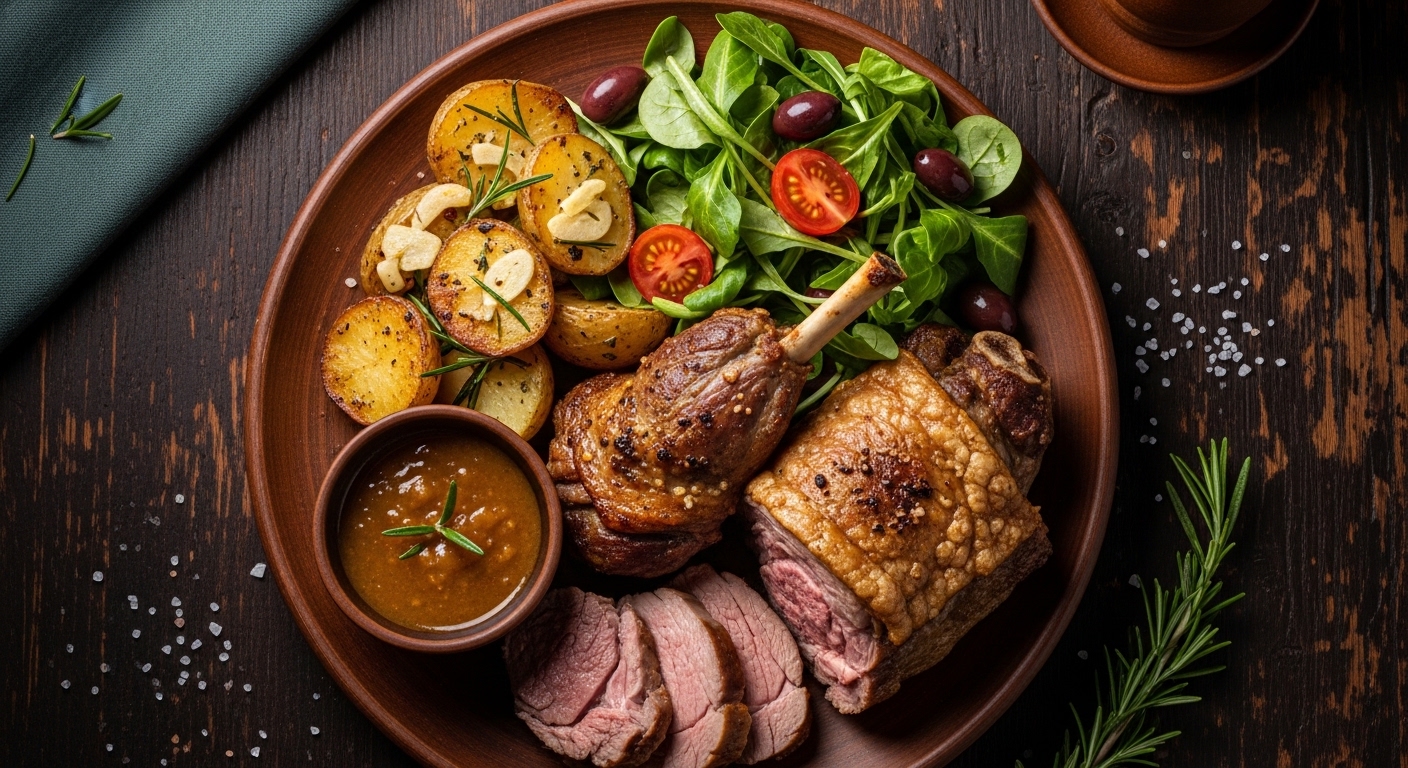
Sardinian Lamb Plate: A Taste of Ancient Flavors from the Mediterranean Heart
Imagine a golden evening in Sardinia, where the scent of wood-fired herbs and slow-roasted meat fills the air. You’re seated at a rustic stone table in a quiet village, sharing a generous platter of tender lamb, smoky with juniper and kissed by rosemary. This isn’t just dinner—it’s an experience. That’s the magic of the Sardinian Lamb Plate, a time-honored dish that captures the soul of Sardinia’s pastoral traditions and rugged landscapes. With its bold flavors, simple ingredients, and deep cultural roots, this lamb dish has become a beloved staple across the Mediterranean and beyond.
The Sardinian Lamb Plate is more than food—it’s a celebration of island life, where sheep graze freely on the wild, sun-drenched hills of Sardinia, feeding on thyme, lavender, and wild oregano. The result? Meat so flavorful it tastes like the earth itself. Whether slow-cooked over open flame or roasted in a clay oven, this dish embodies the essence of traditional Sardinian cuisine—unpretentious, deeply satisfying, and unforgettable.
In this article, we’ll take you through everything you need to know about preparing an authentic Sardinian Lamb Plate at home. From sourcing the right cuts to mastering the seasoning, we’ll guide you step-by-step so you can bring a taste of Sardinia straight to your kitchen. Let’s dive into the rich world of this iconic dish and discover why it remains one of Italy’s most cherished culinary treasures.
What Makes Sardinian Lamb Plate So Special?
The Sardinian Lamb Plate stands out not just for its flavor but for its heritage. Unlike many modern lamb dishes that rely heavily on marinades or complex sauces, this version celebrates simplicity. The lamb is seasoned with just a few key ingredients—garlic, rosemary, fennel, and sometimes a touch of red wine—then slow-roasted until it falls off the bone. The result is a juicy, aromatic meat with a slightly sweet and herbal finish that lingers on the palate.
Sardinia’s unique geography plays a crucial role in the dish’s character. The island’s high pastures, known as “monti,” are home to free-ranging lambs that feed on native plants, giving the meat a distinctive flavor profile. This “mountain lamb” is leaner and more intensely flavored than commercially raised lamb, making it perfect for slow cooking where tenderness is key.
Another hallmark of the Sardinian Lamb Plate is its preparation method. Traditionally cooked in a fornetto (a wood-fired oven) or over an open pit, the lamb develops a beautiful charred crust while staying succulent inside. The smoke infusion adds depth without overwhelming the natural taste of the meat—something hard to replicate in standard ovens.
Quick Recipe Summary
| Prep Time | 30 minutes |
|---|---|
| Cook Time | 3 hours (slow roast) |
| Total Time | 3 hours 30 minutes |
| Servings | 4–6 people |
| Cuisine | Sardinian / Italian |
| Course | Main Course |
| Calories (approx.) | 480 kcal per serving |
Ingredients You’ll Need
- 2 kg (4.4 lbs) shoulder or leg of lamb – ideally mountain-fed or organic for best flavor
- 6 cloves garlic – peeled and sliced thin
- 1 whole sprig fresh rosemary – plus extra leaves for garnish
- 1 tsp fennel seeds – lightly crushed
- 1 tbsp sea salt – coarse if possible
- ½ tsp black peppercorns – freshly ground
- 2 tbsp olive oil – extra virgin
- 1 glass dry white wine (optional, for deglazing)
- 1 lemon – cut into wedges, for serving
- Fresh bread or polenta – to accompany
Step-by-Step Cooking Instructions
- Prepare the Lamb: Pat the lamb dry with paper towels. Score the surface in a crisscross pattern using a sharp knife—this helps the seasoning penetrate and allows fat to render during roasting.
- Season Generously: In a small bowl, mix the olive oil, minced garlic, crushed fennel seeds, rosemary sprig, salt, and pepper. Rub this mixture all over the lamb, pressing firmly into the scores. Let it marinate uncovered in the fridge for at least 1 hour (or up to 4 hours) for maximum flavor.
- Preheat the Oven: Set your oven to 150°C (300°F). If you have a Dutch oven or heavy roasting pan with lid, preheat it too—this helps seal in moisture.
- Roast Slowly: Place the lamb fat-side up in the hot pot. Roast for about 2.5 to 3 hours, basting occasionally with pan juices. The internal temperature should reach 65°C (150°F) for medium-rare.
- Deglaze (Optional): Remove lamb from heat, transfer to a cutting board. Pour reserved pan juices and wine into the pot, scraping up any browned bits. Simmer until reduced by half, then strain and serve as a sauce.
- Rest & Slice: Let the lamb rest for 20 minutes before slicing against the grain. Serve with lemon wedges and crusty bread or creamy polenta.
Chef Tips for Perfect Sardinian Lamb Plate
- Use a Meat Thermometer: Overcooking kills the tenderness. Aim for internal temp of 60–65°C depending on preference.
- Low and Slow Is Key: Never rush the roast. Slow cooking breaks down collagen into gelatin, yielding melt-in-your-mouth texture.
- Garnish with Fresh Herbs: Sprinkle chopped parsley or rosemary just before serving for brightness.
- Serve with Local Wine: A crisp Vermentino or Cannonau pairs beautifully with the richness of the lamb.
Common Mistakes to Avoid
- Skipping the Resting Period: Cutting into the lamb immediately causes juice loss—resting ensures succulence.
- Over-Seasoning: Less is more. Too much salt masks the lamb’s natural sweetness.
- High Heat Roasting: This leads to tough, dry meat. Stick to low temperatures for best results.
Ingredient Substitutions & Variations
If you can’t find Sardinian mountain lamb, look for pasture-raised or grass-fed lamb shoulder—it holds up well during long roasts. For a vegetarian twist, swap lamb with seitan or jackfruit marinated in the same herb blend. To make it spicier, add a pinch of chili flakes with the fennel seeds.
Serving Suggestions
- With Polenta: Creamy, buttery polenta is the classic side—top with grated Parmesan and a drizzle of olive oil.
- Grilled Vegetables: Zucchini, eggplant, and bell peppers add color and balance.
- Green Salad: A simple arugula salad with lemon vinaigrette cuts through the richness.
- Bread Dipping: Warm focaccia dipped in leftover sauce is heavenly.
Storage & Reheating
Store leftovers in an airtight container in the fridge for up to 3 days. Reheat gently in a covered dish at 180°C (350°F) for 15–20 minutes, adding a splash of broth or wine to prevent drying out. Avoid microwaving unless absolutely necessary.
Nutrition Facts (Approximate Per Serving)
- Calories: 480
- Protein: 42g
- Fat: 28g (mostly unsaturated)
- Carbohydrates: 6g
- Sodium: 950mg
- Fiber: 1g
Frequently Asked Questions (FAQs)
1. Can I cook this in a regular oven instead of a wood-fired one?
Absolutely! While wood-fired ovens give a subtle smokiness, a conventional oven works perfectly fine. Just ensure consistent low heat and baste occasionally to keep the lamb moist.
2. What’s the difference between Sardinian lamb and regular lamb?
Sardinian lamb—especially “monticini” from high pastures—is typically leaner, more flavorful, and fed on native herbs like thyme and rosemary, which infuse the meat with unique aromatics.
3. Can I freeze the cooked lamb?
Yes! Cool completely, portion it, and freeze for up to 2 months. Thaw overnight in the fridge and reheat gently as above.
4. Do I need special spices?
No exotic imports needed. Fennel seeds, rosemary, garlic, salt, and pepper are enough. Authenticity lies in simplicity.
5. How do I know when the lamb is done?
Insert a meat thermometer into the thickest part. For medium-rare, aim for 60–65°C (140–150°F). The meat should be pink and juicy.
Conclusion: Bring Sardinia Home Tonight
The Sardinian Lamb Plate isn’t just a meal—it’s a journey. It connects you to centuries of shepherding tradition, open-air feasts, and the pure joy of good food shared among family. By following this recipe, you’re not only preparing a delicious dish but also honoring a living culinary heritage.
So roll up your sleeves, light some herbs, and let your kitchen fill with the aroma of slow-roasted lamb. Whether you’re hosting a dinner party or treating yourself after a long week, this dish delivers warmth, flavor, and authenticity in every bite. Now go ahead—make it your own. Your taste buds will thank you.