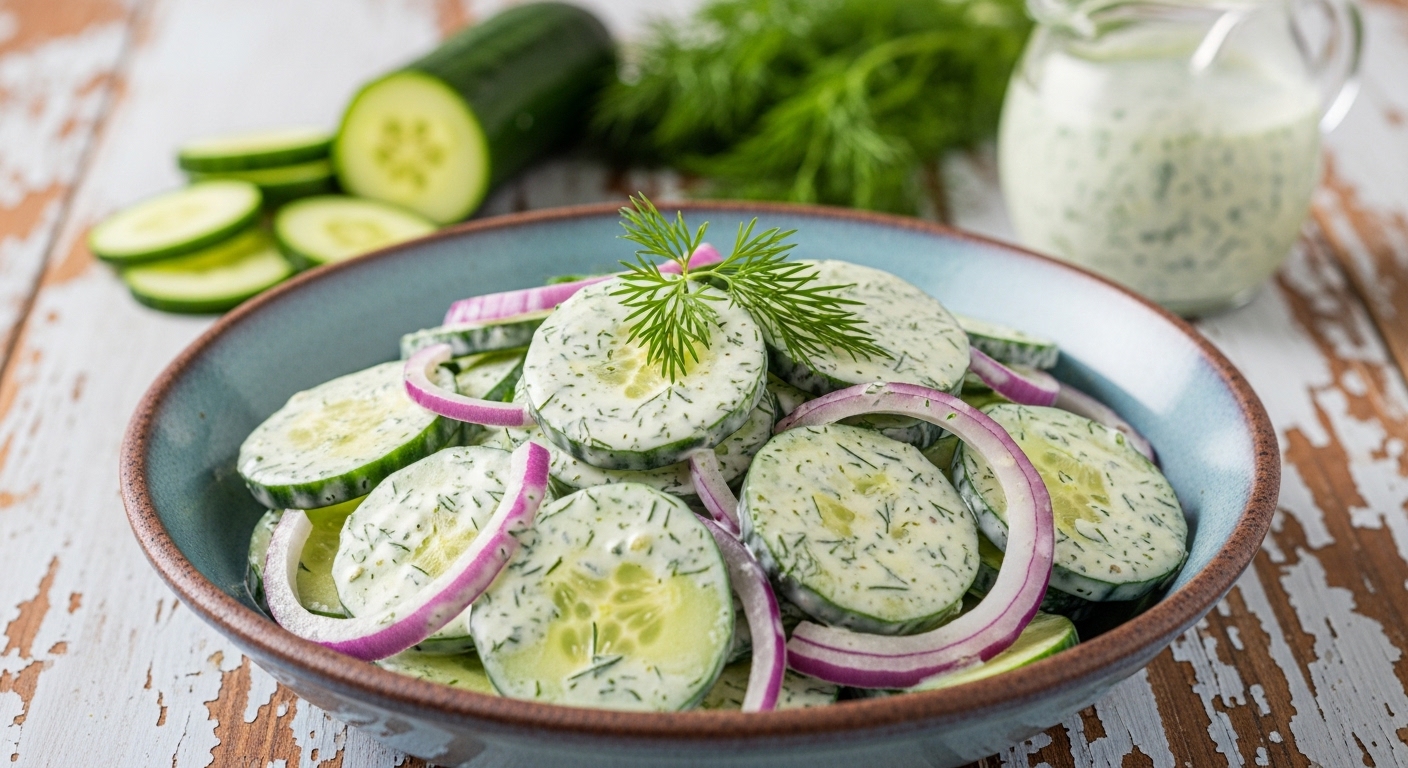
Looking for a crisp, refreshing, and keto-friendly side dish that’s ready in under 10 minutes? The keto dill cucumber salad is the perfect answer. Packed with hydrating cucumbers, tangy fresh dill, and a light lemon dressing, this no-cook recipe delivers bold flavor without spiking your blood sugar. Ideal for meal prep or a quick lunch, it’s a staple in any low-carb kitchen.
Whether you’re following a strict ketogenic diet or simply craving something light yet satisfying, this salad checks every box. It’s naturally gluten-free, dairy-free (with optional adjustments), and incredibly easy to customize. Let’s dive into why this simple yet flavorful dish has become a go-to for health-conscious eaters everywhere.
Why Choose a Keto Dill Cucumber Salad?
The keto dill cucumber salad stands out because of its clean, vibrant ingredients and minimal preparation time. Unlike many salads that rely on heavy dressings or high-carb add-ins, this version uses only whole-food components that align perfectly with keto principles.
– Low in carbs: Cucumbers are one of the most keto-friendly vegetables, offering crunch with virtually zero net carbs.
– Rich in hydration: Essential for electrolyte balance, especially during ketosis when water is lost through frequent urination.
– No cooking required: Perfect for warm weather or when you don’t want to turn on the stove.
Plus, dill adds an aromatic, slightly sweet-anise flavor that complements the mildness of cucumbers beautifully. When paired with a zesty lemon-olive oil dressing, every bite feels like a burst of freshness.
Key Ingredients for Your Keto Dill Cucumber Salad
To make this salad truly shine, focus on fresh, high-quality ingredients. Here’s what you’ll need:
- Fresh English cucumbers: Seedless or lightly seeded varieties work best—they’re crisp and less watery.
- Dried or fresh dill: Use about 1–2 tablespoons; dried dill is fine if that’s all you have.
- Lemon juice: Fresh-squeezed is ideal for brightness and vitamin C.
- Extra virgin olive oil: Adds healthy fats and helps absorb fat-soluble nutrients.
- Salt and pepper: Enhance flavor without adding carbs.
- Optional add-ins: Crumbled feta (if dairy is allowed), sliced red onion, capers, or chives for extra depth.
Avoid high-carb ingredients like croutons, sweet dressings, or canned condiments—they can quickly derail your macros.
How to Make the Perfect Keto Dill Cucumber Salad
This recipe is designed for simplicity and speed. Follow these steps for maximum flavor and texture:
- Slice the cucumbers thinly: Use a mandoline or sharp knife to create even rounds or half-moons. Place them in a colander and sprinkle with a pinch of salt. Let sit for 10 minutes to draw out excess moisture—this keeps the salad from becoming soggy.
- Rinse and drain: Gently rinse the cucumbers under cold water and pat dry with paper towels. This step ensures crispness.
- Whisk the dressing: In a small bowl, combine lemon juice, olive oil, minced garlic (optional but recommended), dill, salt, and black pepper. Adjust seasoning to taste.
- Toss gently: Add cucumbers to the bowl and fold in the dressing until evenly coated. Avoid overmixing to preserve crunch.
- Chill before serving: Let the salad rest for at least 15 minutes to allow flavors to meld.
For best results, serve immediately after chilling. If prepping ahead, store dressing separately and toss just before eating.
Tips for Customizing Your Keto Dill Cucumber Salad
While the classic version is delicious on its own, you can elevate it with thoughtful additions:
- Add protein: Grilled chicken, smoked salmon, or hard-boiled eggs turn this side into a complete meal.
- Incorporate healthy fats: Avocado slices, chopped olives, or a drizzle of tahini boost satiety and keto compatibility.
- Boost flavor complexity: Try adding a splash of apple cider vinegar, a pinch of red pepper flakes, or some finely grated Parmesan.
Remember, the key is balance—keep carb counts low while maximizing flavor and nutrition.
Benefits of Eating a Keto Dill Cucumber Salad Regularly
Including this salad in your weekly rotation offers more than just great taste. Here’s why it’s a smart choice for anyone on a keto lifestyle:
- Supports hydration: Cucumbers are over 95% water, making this salad excellent for staying well-hydrated—especially important during ketosis.
- Promotes gut health: Fiber from vegetables aids digestion, and the anti-inflammatory properties of dill may support overall wellness.
- Stable energy levels: With minimal sugars and balanced fats, this salad won’t cause blood sugar spikes or crashes.
- Easy to digest: Light and gentle on the stomach, it’s ideal after heavier meals.
It’s also incredibly versatile—pair it with grilled meats, use as a topping for keto burgers, or enjoy it solo as a nutrient-dense snack.
Key Takeaways
– The keto dill cucumber salad is a fast, low-carb, and refreshing dish perfect for any ketogenic diet.
– It requires no cooking, uses simple whole foods, and delivers big flavor.
– Proper slicing and salting help maintain crisp texture and prevent sogginess.
– Customize with proteins, fats, or spices to suit your preferences.
– Regular consumption supports hydration, stable energy, and digestive health.
Frequently Asked Questions (FAQ)
Can I use regular cucumbers instead of English cucumbers?
Yes, but English cucumbers have fewer seeds and a firmer texture, which helps keep the salad crisp. If using regular cucumbers, remove seeds first.
Is dill necessary, or can I substitute it?
Dill gives the salad its signature herbal note. While parsley or chives can be used as substitutes, they won’t replicate the same flavor profile. Stick with dill for authenticity.
How long does this salad stay fresh?
When stored properly in an airtight container in the refrigerator, the salad lasts up to 4 days. Keep dressing separate if prepping ahead to avoid sogginess.
Can I make this salad vegan or dairy-free?
Absolutely! Just omit any dairy-based toppings like feta cheese. The base ingredients are already vegan-friendly.
Does this salad contain healthy fats?
Yes—the olive oil in the dressing provides monounsaturated fats, which support heart health and help absorb fat-soluble vitamins from other ingredients.