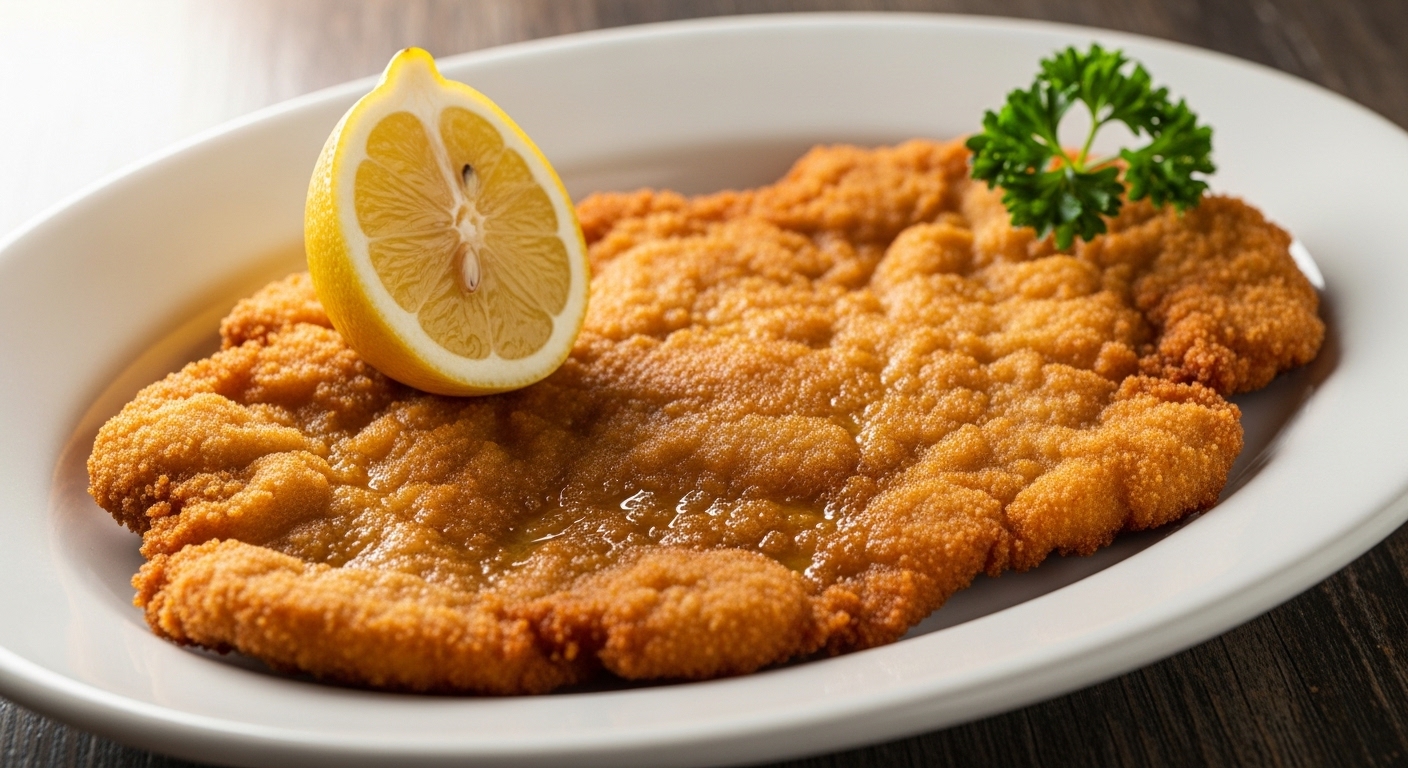
If you’ve ever dreamed of biting into a perfectly golden, paper-thin cutlet that shatters with every crunch—then melts into tender, juicy veal—you’ve been dreaming of Wiener Schnitzel. This iconic Austrian dish isn’t just food; it’s a cultural treasure. With its roots in Vienna and a reputation that spans continents, Wiener Schnitzel is the ultimate comfort meal: simple in concept, sublime in execution. Whether you’re a home cook or a seasoned chef, mastering this dish means mastering the art of crisp, clean frying and delicate seasoning. And the best part? It’s easier than you think.
What Is Wiener Schnitzel?
Wiener Schnitzel (pronounced “vee-ner shnit-sel”) translates to “Viennese cutlet” and is traditionally made from veal, pounded thin, breaded, and fried until golden brown. The result? A delicate, crispy exterior that gives way to succulent, flavorful meat. It’s typically served with a wedge of lemon, potato salad, or parsley potatoes—never with ketchup or gravy, which purists consider a culinary crime.
This dish is more than just a meal—it’s a symbol of Austrian cuisine and a staple in Central European kitchens. While similar dishes exist across Europe (like Italian cotoletta or German schnitzel), true Wiener Schnitzel must be made with veal to earn its name. Anything else? It’s just schnitzel.
Quick Recipe Summary
| Prep Time | 20 minutes |
| Cook Time | 10 minutes |
| Total Time | 30 minutes |
| Servings | 4 |
| Cuisine | Austrian |
| Course | Main Course |
| Calories (approx.) | 480 per serving |
Ingredients for Authentic Wiener Schnitzel
To make true Wiener Schnitzel, you’ll need just a handful of high-quality ingredients. Precision matters here—especially with the breading process.
- 4 veal cutlets (about 150g each), boneless
- 1 cup all-purpose flour
- 2 large eggs
- 1 cup fine dried breadcrumbs (preferably Panko for extra crunch)
- 1/2 teaspoon salt
- 1/4 teaspoon freshly ground black pepper
- 1/4 teaspoon paprika (optional, for depth)
- Vegetable oil or clarified butter (for frying—about 1/2 inch in pan)
- Lemon wedges (for serving)
- Fresh parsley (for garnish)
Step-by-Step Cooking Instructions
1. Prepare the Veal
Place each veal cutlet between two sheets of plastic wrap or parchment paper. Using a meat mallet or rolling pin, gently pound the meat to an even thickness of about 1/4 inch. This ensures even cooking and that signature tender bite. Be careful not to tear the meat.
2. Set Up Your Breading Station
Use three shallow bowls or plates:
- Bowl 1: Flour mixed with salt, pepper, and paprika.
- Bowl 2: Beaten eggs.
- Bowl 3: Breadcrumbs.
This “flour → egg → breadcrumbs” method is key to a crisp, non-soggy coating.
3. Bread the Cutlets
Dredge each cutlet in flour, shaking off excess. Dip into the beaten eggs, ensuring full coverage. Finally, press firmly into the breadcrumbs, making sure every inch is coated. For extra crunch, double-dip: repeat the egg and breadcrumb step once.
4. Rest the Breaded Cutlets
Let the breaded cutlets rest on a wire rack for 10–15 minutes. This helps the coating adhere and prevents it from falling off during frying.
5. Heat the Oil
Pour oil or clarified butter into a large skillet to a depth of about 1/2 inch. Heat over medium-high until it reaches 350°F (175°C). To test, drop a breadcrumb in—if it sizzles immediately, it’s ready.
6. Fry to Golden Perfection
Carefully place one or two cutlets in the pan (don’t overcrowd). Fry for 2–3 minutes per side, until deep golden brown. Use tongs to flip gently. The meat should be cooked through but still juicy—overcooking leads to dryness.
7. Drain and Serve
Transfer fried schnitzels to a wire rack or paper towels to drain excess oil. Serve immediately while hot and crispy.
Chef Tips for Perfect Wiener Schnitzel
- Use clarified butter or high-smoke-point oil: Regular butter burns easily. Clarified butter or vegetable oil ensures a clean fry without bitterness.
- Don’t skip the resting step: Letting the breaded cutlets rest prevents the coating from slipping off.
- Pound evenly: Uneven thickness leads to uneven cooking—some parts overcooked, others underdone.
- Keep oil temperature steady: Too hot, and the outside burns before the inside cooks. Too cool, and the schnitzel absorbs oil and turns greasy.
- Serve immediately: Wiener Schnitzel loses its crispness quickly. Eat it straight from the pan for the best experience.
Common Mistakes to Avoid
- Using the wrong meat: Authentic Wiener Schnitzel requires veal. Pork or chicken schnitzel is delicious but not “Wiener.”
- Overcrowding the pan: This lowers oil temperature and leads to soggy, greasy results.
- Skipping the double breading: A single layer of breadcrumbs won’t give that signature crunch.
- Frying at the wrong temperature: Use a thermometer or the breadcrumb test to ensure proper heat.
- Letting it sit after frying: Serve hot—delay means sogginess.
Ingredient Substitutions & Variations
While traditionalists may scoff, modern kitchens often adapt. Here are smart swaps:
- Veal → Pork or Chicken: Use thinly sliced pork loin or chicken breast. Cook time may increase slightly.
- Breadcrumbs → Panko: For extra crunch, use Japanese Panko breadcrumbs.
- Gluten-Free: Substitute flour with gluten-free all-purpose blend and use gluten-free breadcrumbs.
- Vegan Version: Use firm tofu or seitan, breaded and fried the same way. Serve with vegan lemon aioli.
- Healthier Option: Bake instead of fry! Place breaded cutlets on a wire rack over a baking sheet. Spray with oil and bake at 200°C (400°F) for 15–20 minutes, flipping halfway. Less crispy, but lower in fat.
Serving Suggestions
Wiener Schnitzel shines when paired with classic Austrian sides:
- Potato Salad: A vinegar-based German-style potato salad (not mayo-heavy) complements the richness.
- Parsley Potatoes: Boiled potatoes tossed with butter, fresh parsley, and a pinch of salt.
- Green Salad: A simple arugula or mixed greens salad with lemon vinaigrette cuts through the fat.
- Lemon Wedges: Essential. A squeeze of fresh lemon brightens the flavor and balances the richness.
- Apfelstrudel: For dessert, serve with a slice of warm apple strudel and vanilla sauce.
Storage & Reheating Instructions
Wiener Schnitzel is best eaten fresh, but leftovers can be saved:
- Refrigeration: Store in an airtight container for up to 2 days.
- Freezing: Not recommended—the breading becomes soggy upon thawing.
- Reheating: For best results, reheat in a 180°C (350°F) oven for 10–12 minutes on a wire rack. Avoid microwaving—it turns the crust rubbery.
Nutrition Facts (Approximate per Serving)
- Calories: 480
- Protein: 35g
- Carbohydrates: 30g
- Fat: 24g
- Saturated Fat: 8g
- Cholesterol: 140mg
- Sodium: 520mg
- Fiber: 1g
Key Takeaways
- Wiener Schnitzel is a traditional Austrian dish made with veal, breaded and fried to golden perfection.
- The secret lies in pounding the meat thin, proper breading technique, and frying at the right temperature.
- Serve immediately with lemon, potato salad, or parsley potatoes for an authentic experience.
- Avoid common mistakes like overcrowding the pan or using the wrong oil.
- Substitutions are possible, but true Wiener Schnitzel requires veal.
Frequently Asked Questions (FAQs)
Can I make Wiener Schnitzel with chicken?
Yes, but it won’t be authentic. Chicken schnitzel is delicious and popular, but only veal qualifies as true Wiener Schnitzel. If using chicken, ensure it’s pounded thin and cooked thoroughly.
Why is my schnitzel soggy?
Sogginess usually results from oil that’s too cool, overcrowding the pan, or not draining properly. Use a thermometer, fry in batches, and drain on a wire rack—not paper towels alone.
Can I bake Wiener Schnitzel instead of frying?
Yes! For a healthier version, bake at 200°C (400°F) for 15–20 minutes, flipping halfway. Spray with oil for crispiness. It won’t be as crunchy as fried, but still tasty.
What’s the difference between Wiener Schnitzel and German schnitzel?
Wiener Schnitzel is specifically made with veal and originates from Vienna. German schnitzel often uses pork and may be thicker. Both are breaded and fried, but the meat and cultural context differ.
How do I keep the breading from falling off?
Rest the breaded cutlets for 10–15 minutes before frying. This allows the coating to set. Also, press the breadcrumbs firmly onto the meat and avoid moving the cutlets too soon in the pan.
Conclusion: Why You Should Make Wiener Schnitzel Tonight
Wiener Schnitzel isn’t just a dish—it’s a celebration of simplicity, technique, and flavor. With just a few ingredients and a little care, you can recreate a taste of Vienna in your own kitchen. Whether you’re cooking for a special occasion or a cozy weeknight dinner, this golden cutlet delivers satisfaction in every bite.
Don’t be intimidated by its reputation. With our step-by-step guide, chef tips, and troubleshooting advice, you’re fully equipped to nail this classic. So grab your mallet, heat that oil, and get ready to impress. One crispy, juicy bite, and you’ll understand why Wiener Schnitzel has stood the test of time.
Now go make some magic—your taste buds will thank you.
Leave a Reply