Romanian Sarmale: The Ultimate Comfort Food Recipe You Need to Try
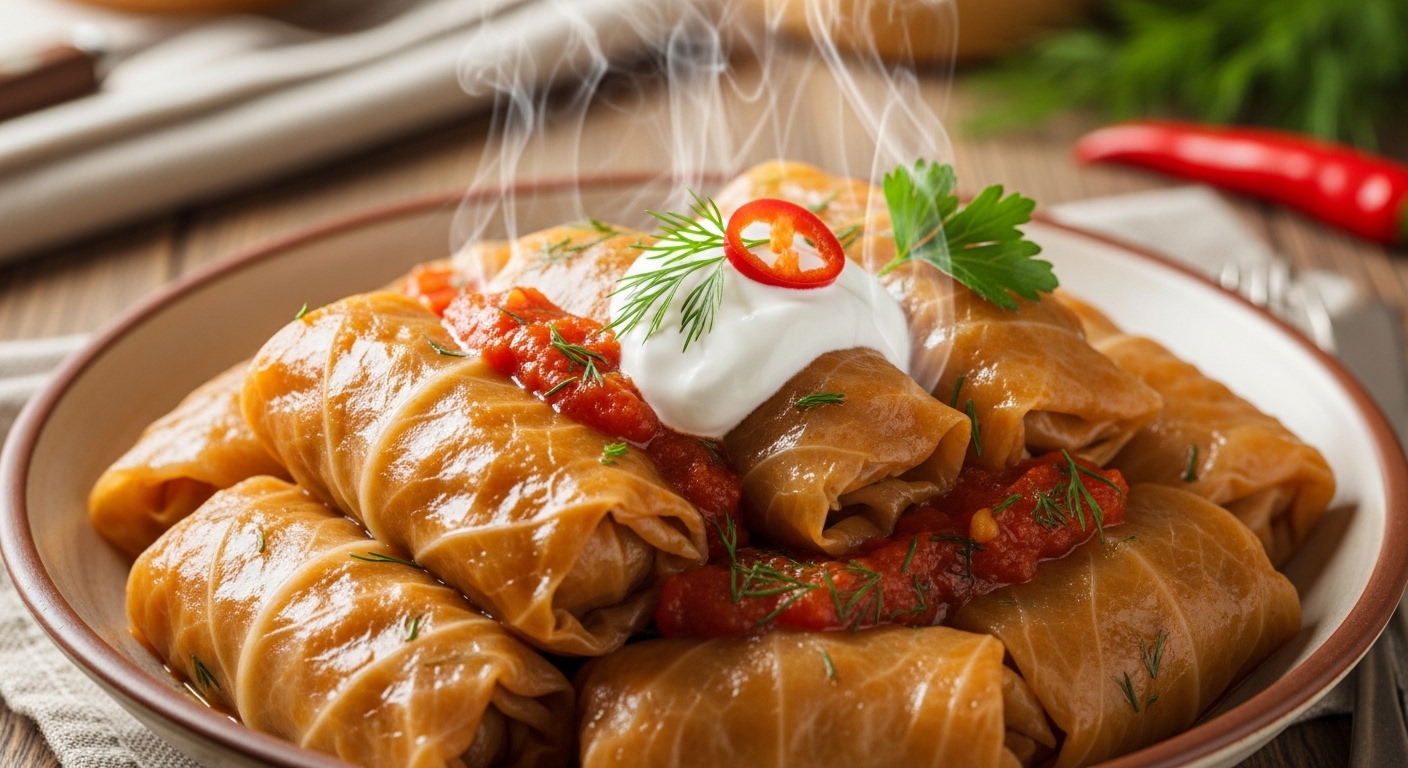
If you’ve ever wondered what makes Romanian cuisine so deeply soul-satisfying, look no further than Romanian Sarmale—a beloved dish of tender cabbage rolls stuffed with seasoned meat and rice, slow-cooked in a rich tomato broth. This iconic comfort food isn’t just a meal; it’s a tradition passed down through generations, often served at holidays, family gatherings, and Sunday dinners across Romania. With its perfect balance of savory, tangy, and smoky flavors, sarmale delivers a hearty bite that warms both the belly and the heart.
What sets Romanian sarmale apart from other stuffed cabbage dishes around the world is its unique blend of ingredients and cooking method. Unlike versions from other Eastern European countries, Romanian sarmale typically includes smoked bacon or sausage, giving it a distinctive depth of flavor. The secret lies in the slow simmering process, which allows the cabbage leaves to become melt-in-your-mouth tender while absorbing the rich tomato and meat juices. Whether you’re new to Romanian cooking or a seasoned home chef, this recipe will quickly become a favorite in your repertoire.
Why Romanian Sarmale Is a Must-Try Dish
Romanian sarmale isn’t just delicious—it’s a cultural experience. Originating in rural Transylvania and Moldavia, this dish was traditionally made during winter months when fresh cabbage was abundant and families gathered to preserve food for the colder season. Today, it remains a staple at festive occasions like Christmas, Easter, and weddings.
What makes sarmale so special? It’s the harmony of textures and tastes: the soft, slightly sour cabbage wrapping, the juicy minced meat filling, and the smoky undertones from the bacon. The dish is often served with polenta (mămăligă) and a dollop of sour cream, creating a balanced plate that’s both rustic and refined.
Beyond its flavor, sarmale is also incredibly versatile. You can adapt it to suit dietary preferences—vegetarian, gluten-free, or even low-carb—while still preserving its authentic character. Plus, it freezes beautifully, making it ideal for meal prep or holiday planning.
Romanian Sarmale Recipe Overview
| Prep Time | 1 hour 30 minutes |
| Cook Time | 2 hours 30 minutes |
| Total Time | 4 hours |
| Servings | 6–8 |
| Cuisine | Romanian |
| Course | Main Course |
| Calories (approx.) | 420 per serving |
Ingredients for Authentic Romanian Sarmale
To make truly authentic Romanian sarmale, quality ingredients are key. Here’s what you’ll need:
- 1 large head of white cabbage (about 2–3 lbs) – preferably fermented (sauerkraut-style) for extra tang, but fresh works too
- 1 lb ground pork – or a mix of pork and beef for richer flavor
- 1/2 lb smoked bacon – diced; use high-quality smoked bacon for authentic taste
- 1 cup uncooked long-grain white rice – rinsed until water runs clear
- 1 medium onion – finely chopped
- 2 cloves garlic – minced
- 1 egg – to bind the filling
- 1 tsp sweet paprika
- 1/2 tsp black pepper
- 1 tsp salt – adjust to taste
- 1 can (14 oz) crushed tomatoes – or 1.5 cups tomato purée
- 2 cups sauerkraut juice – or water with 1 tbsp apple cider vinegar
- 2 bay leaves
- Optional: 1 smoked sausage (like kielbasa), sliced – placed at the bottom of the pot for extra smokiness
Step-by-Step Cooking Instructions
1. Prepare the Cabbage Leaves
If using fresh cabbage, bring a large pot of water to a boil. Carefully core the cabbage and submerge it head-down in the boiling water. As the outer leaves soften (about 2–3 minutes each), gently peel them off. Continue until you have 20–24 large, intact leaves. Trim thick stems to make rolling easier.
If using fermented cabbage (recommended), rinse the leaves under cold water to reduce sourness. Pat dry and set aside.
2. Make the Meat Filling
In a large bowl, combine ground pork, diced bacon, cooked rice (you can cook it briefly in boiling water for 5 minutes to par-cook), chopped onion, minced garlic, egg, paprika, salt, and pepper. Mix thoroughly with your hands until well combined. The mixture should be moist but not runny.
3. Roll the Sarmale
Place a cabbage leaf on a flat surface. Add about 2 tablespoons of filling near the stem end. Fold the sides inward, then roll tightly from bottom to top, like a burrito. Repeat until all filling is used. You should get about 20–24 rolls.
4. Layer and Cook
In a large heavy-bottomed pot or Dutch oven, place a layer of leftover cabbage leaves or sauerkraut at the bottom to prevent sticking. Add optional smoked sausage slices. Arrange sarmale tightly in layers, seam-side down. Pour crushed tomatoes and sauerkraut juice over the top until the rolls are mostly covered. Add bay leaves.
Cover the pot and simmer on low heat for 2–2.5 hours. Avoid boiling vigorously—gentle simmering ensures tender rolls without breaking them apart.
5. Rest Before Serving
Turn off the heat and let the sarmale rest for at least 30 minutes before serving. This allows flavors to meld and makes them easier to plate.
Chef Tips for Perfect Romanian Sarmale
- Use fermented cabbage if possible. It adds a subtle sour note that balances the richness of the meat.
- Don’t skip the bacon. Its fat renders during cooking, infusing the entire dish with smoky flavor.
- Par-cook the rice. Raw rice may not fully cook inside the rolls during simmering.
- Pack tightly but not too tightly. Sarmale expand slightly as they cook.
- Add a splash of vinegar or lemon juice if using fresh cabbage to mimic the tang of fermented leaves.
Common Mistakes to Avoid
- Overfilling the rolls. This causes them to burst during cooking. Stick to 2 tbsp per roll.
- Using underripe or tough cabbage. Choose a fresh, pliable head for easy rolling.
- Skipping the resting time. Sarmale taste even better the next day as flavors deepen.
- Boiling too hard. High heat can break the delicate cabbage wrappers.
Ingredient Substitutions & Variations
Want to customize your sarmale? Here are some popular options:
- Vegetarian version: Replace meat with a mix of cooked lentils, mushrooms, and rice. Use vegetable broth instead of sauerkraut juice.
- Vegan option: Use plant-based ground meat, omit egg, and substitute bacon with smoked tofu or liquid smoke.
- Gluten-free: Naturally gluten-free—just ensure all packaged ingredients (like broth) are certified GF.
- Low-carb: Swap rice for cauliflower rice and serve with zucchini noodles instead of polenta.
- Indian-inspired twist: Add garam masala, turmeric, and cumin to the filling for a fusion flavor.
Serving Suggestions
Traditional Romanian sarmale are always served with:
- Mămăligă (polenta) – creamy, soft, and slightly chewy, it soaks up the tomato sauce beautifully.
- Sour cream – a generous dollop cools the richness and adds creaminess.
- Pickled vegetables or red onion salad – for a refreshing contrast.
- A glass of dry red wine – such as Fetească Neagră, a classic Romanian pairing.
Storage and Reheating Instructions
Sarmale taste even better the next day! Store leftovers in an airtight container in the refrigerator for up to 5 days. For longer storage, freeze for up to 3 months.
To reheat, place in a covered dish with a splash of water or broth. Warm in a 350°F (175°C) oven for 20–25 minutes, or microwave gently in 1-minute intervals until heated through.
Nutrition Facts (Approximate per Serving)
- Calories: 420
- Total Fat: 24g
- Saturated Fat: 8g
- Cholesterol: 75mg
- Sodium: 680mg
- Total Carbohydrates: 32g
- Dietary Fiber: 6g
- Sugars: 8g
- Protein: 22g
Key Takeaways
- Romanian sarmale are cabbage rolls stuffed with seasoned meat, rice, and bacon, slow-cooked in tomato broth.
- Fermented cabbage enhances flavor, but fresh works in a pinch.
- Always let sarmale rest after cooking for best texture and taste.
- Serve with polenta and sour cream for an authentic experience.
- Freezes well—ideal for make-ahead meals or holiday prep.
Frequently Asked Questions (FAQs)
Can I make sarmale ahead of time?
Absolutely! In fact, sarmale are best made 1–2 days in advance. The flavors deepen overnight, and they reheat beautifully.
What can I use instead of sauerkraut juice?
If you don’t have sauerkraut juice, mix 2 cups of water with 1 tablespoon of apple cider vinegar or lemon juice. This mimics the tangy base needed for authentic flavor.
How do I prevent sarmale from falling apart?
Roll them tightly, pack them snugly in the pot, and avoid stirring during cooking. Also, don’t overfill—2 tablespoons of filling per roll is ideal.
Are sarmale gluten-free?
Yes, as long as all ingredients (especially broth or packaged items) are certified gluten-free. Traditional sarmale contain no wheat products.
Can I bake sarmale instead of simmering?
Yes! Place them in a baking dish, cover with foil, and bake at 325°F (160°C) for 2.5–3 hours. Add extra liquid to prevent drying out.
Final Thoughts: Why You Should Make Romanian Sarmale Today
Romanian sarmale are more than just a recipe—they’re a celebration of heritage, family, and slow-cooked comfort. Whether you’re cooking for a holiday feast or a cozy weeknight dinner, this dish brings warmth and tradition to your table. With its rich flavors, satisfying texture, and endless customization options, it’s no wonder sarmale have stood the test of time.
So gather your ingredients, roll up your sleeves, and give this classic Romanian dish a try. Your taste buds—and your loved ones—will thank you.