Virginia Ham Plate: A Timeless Southern Classic You Need to Try
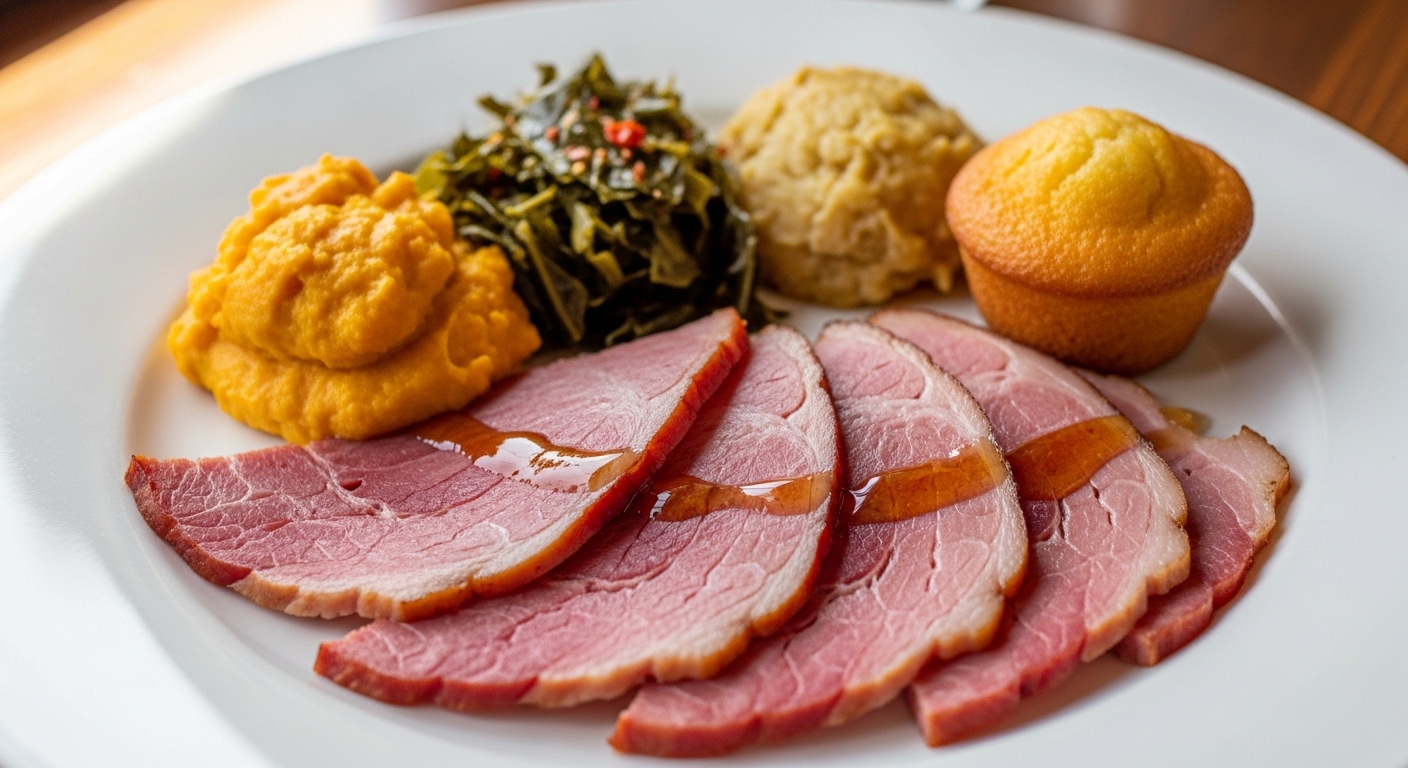
There’s something deeply comforting about a hearty, smoky dish that warms the soul and brings people together. The Virginia ham plate is exactly that—a beloved Southern staple known for its rich flavors, tender texture, and time-honored preparation. Whether served at family gatherings, holiday feasts, or Sunday dinners, this dish delivers a savory punch that never fails to impress. Made with cured Virginia-style ham—distinctive for its dry curing process and subtle sweetness—the plate often includes accompaniments like collard greens, cornbread, black-eyed peas, and creamy mashed potatoes. If you’ve ever wondered what makes this dish so iconic in Southern cuisine, you’re in for a delicious revelation.
A Taste of History: The Roots of Virginia Ham Plate
The Virginia ham plate isn’t just a meal—it’s a cultural tradition born from the agricultural practices of early American settlers. Unlike country ham, which is wet-cured and saltier, Virginia-style ham undergoes a dry cure using salt, sugar, and spices, resulting in a leaner, milder flavor profile. This method, perfected in the Shenandoah Valley and surrounding regions, gave rise to a unique culinary identity that spread across the South.
Over time, the dish evolved into a full-course experience—hence the term “plate”—featuring the ham as the star, surrounded by supporting acts of Southern comfort food. Today, it remains a symbol of hospitality, resilience, and flavorful heritage. Whether you’re a longtime fan or new to Southern cooking, preparing a Virginia ham plate offers both a taste of history and a chance to create lasting memories around the table.
Why People Love the Virginia Ham Plate
- Rich, Smoky Flavor: The dry-cured ham develops a deep umami richness that pairs beautifully with bold vegetables and grains.
- Comfort Food at Its Best: Every bite feels like a hug—especially when served with warm cornbread or buttery mashed potatoes.
- Perfect for Large Gatherings: It feeds many and tastes even better the next day, making it ideal for holidays and potlucks.
- Cultural Authenticity: It connects diners to centuries of Southern culinary tradition with every forkful.
Quick Recipe Summary Table
| Prep Time | 30 minutes |
|---|---|
| Cook Time | 4–5 hours (plus resting) |
| Total Time | 4 hours 30 minutes |
| Servings | 6–8 |
| Cuisine | Southern U.S. |
| Course | Main Dish |
| Calories (approx.) | 520 per serving |
Ingredients You’ll Need for the Perfect Virginia Ham Plate
To recreate an authentic Virginia ham plate, you’ll need high-quality ingredients and precise measurements. Here’s everything on your shopping list:
For the Ham:
- 1 (7–8 lb) bone-in Virginia-style ham (dry-cured)
- 1 cup brown sugar
- 1/2 cup Dijon mustard
- 1 tbsp ground cinnamon
- 1 tsp ground cloves
- 1 tsp smoked paprika
For the Sides (Classic Combo):
- 1 large bunch collard greens, stems removed and chopped
- 6 cups low-sodium chicken broth
- 4 slices thick-cut bacon, diced
- 1 onion, finely chopped
- 2 cloves garlic, minced
- 1 tbsp apple cider vinegar
- 1 (15 oz) can black-eyed peas, drained
- 1 cup cooked long-grain rice or white beans
- Cornbread or buttered mashed potatoes (optional but recommended)
Step-by-Step Cooking Instructions
Follow these simple steps to prepare an unforgettable Virginia ham plate that will leave everyone asking for seconds.
1. Prepare the Ham
Begin by removing the ham from its packaging and rinsing off excess salt. Place it fat-side up in a large roasting pan. In a small bowl, mix brown sugar, Dijon mustard, cinnamon, cloves, and smoked paprika into a thick paste. Rub this mixture generously over the entire surface of the ham. Cover loosely with foil and refrigerate for at least 4 hours or overnight—this allows the flavors to penetrate deeply.
2. Bake the Ham
Preheat your oven to 325°F (165°C). Remove the ham from the fridge and let it sit at room temperature for 30 minutes. Uncover and bake for 1 hour, then increase the heat to 350°F (175°C) and continue baking for another 1½ to 2 hours, basting occasionally with pan juices. The internal temperature should reach 140°F (60°C). Let it rest for 20–30 minutes before slicing.
3. Cook the Collard Greens
While the ham rests, cook the diced bacon in a large pot until crispy. Add onions and sauté until soft. Stir in collard greens and garlic, then pour in chicken broth. Bring to a boil, reduce heat, and simmer for 30–40 minutes until greens are tender. Stir in black-eyed peas and apple cider vinegar near the end. Season with salt and pepper to taste.
4. Warm the Side Dishes
Prepare your favorite sides—whether that’s fluffy mashed potatoes, golden cornbread, or steamed white rice. Keep them warm while assembling the plate.
5. Assemble and Serve
Slice the baked ham thickly and arrange it on a large platter. Surround it with heaps of collard greens, black-eyed peas, and your chosen side dishes. Garnish with fresh parsley if desired.
Chef Tips for Best Results
Want to elevate your Virginia ham plate beyond restaurant quality? Try these expert tips:
- Don’t Skip the Resting Time: Allowing the ham to rest after baking ensures juicy, tender slices instead of dry pieces.
- Save the Pan Juices: Use them to deglaze the roasting pan and make a quick glaze for extra flavor.
- Balance the Salt: Since Virginia ham is already salty, adjust seasoning in side dishes accordingly—opt for low-sodium broths and beans.
- Serve Immediately: For maximum tenderness and flavor, enjoy the ham and sides hot out of the kitchen.
- Pair with Sweet Tea: Nothing complements the richness of the ham like a tall glass of homemade sweet tea.
Common Mistakes to Avoid
Even seasoned cooks can slip up. Here’s how to sidestep these pitfalls:
- Overcooking the Ham: Stick to internal temperature guidelines; overbaking leads to dryness.
- Skipping the Dry Cure Rinse: Rinsing removes excess salt and prevents overwhelming savoriness.
- Using Wet-Cured Ham: Country ham is too salty and strong for this recipe—stick to Virginia-style for balanced flavor.
- Neglecting the Sides: The beauty of the plate lies in harmony—don’t serve the ham alone!
- Not Preparing Ahead: Dry-curing and prep work can be done a day ahead, saving time on cooking day.
Ingredient Substitutions & Variations
Flexibility makes great cooking! Try these swaps based on dietary needs or ingredient availability:
Substitutions:
- Ham: Use smoked turkey leg or Canadian bacon for a lighter option.
- Collard Greens: Swap for kale or turnip greens if unavailable.
- Bacon: Replace with smoked sausage or omit for vegetarian-friendly versions.
- Black-Eyed Peas: Use kidney beans or chickpeas for variation.
Variations to Explore:
- Spicy Kick: Add jalapeños to the collards or serve with hot sauce on the side.
- Low-Carb Option: Serve over cauliflower rice and skip the bread.
- Vegan/Vegetarian Version: Roast a large portobello mushroom cap with the same glaze and pair with lentil stew and sautéed greens.
Serving Suggestions
Presentation matters—even for comfort food! Arrange your Virginia ham plate attractively on a wooden board or ceramic platter. Include:
- A small bowl of honey mustard dipping sauce for extra indulgence
- Lemon wedges for brightness
- Pickled okra or relish for tangy contrast
- Buttered cornbread on the side
Serve family-style so everyone can help themselves—it encourages sharing and conversation!
Storage and Reheating Instructions
Leftovers are practically guaranteed—and they taste even better the next day!
Storing:
- Wrap sliced ham tightly in plastic wrap or aluminum foil.
- Store cooked collards and black-eyed peas in sealed containers in the fridge for up to 4 days.
- Keep sides like mashed potatoes and rice refrigerated separately.
Reheating:
- Reheat ham in a 300°F oven wrapped in foil for 15–20 minutes.
- Warm collards and beans on the stovetop with a splash of broth or water.
- Avoid microwaving collards—they lose texture and become mushy.
Nutrition Facts (Approximate Per Serving)
Each serving of a traditional Virginia ham plate provides a satisfying balance of protein, fiber, and carbohydrates:
- Calories: 520
- Protein: 32g
- Fat: 28g
- Carbohydrates: 42g
- Fiber: 6g
- Sugar: 18g
- Sodium: 1,900mg (adjust based on ham type)
FAQs About Virginia Ham Plate
1. What makes Virginia ham different from country ham?
Virginia ham is dry-cured with less salt and sugar than country ham, resulting in a leaner, milder flavor. Country ham is wet-cured and much saltier, often used in dishes like pinto beans.
2. Can I use pre-cooked ham instead?
Yes! If using pre-cooked Virginia ham, reduce baking time and skip the glaze—just heat through and slice. Glazing works best on raw or partially cooked hams.
3. Is it okay to substitute canned ham?
Canned ham lacks depth and texture. Fresh or smoked Virginia ham gives the plate its signature character. Canned versions are acceptable only if no other option exists.
4. How do I know when the ham is fully cooked?
The internal temperature should read 140°F (60°C). Use a meat thermometer inserted into the thickest part of the meat—not touching the bone.
5. Can I freeze leftovers?
Yes! Wrap ham tightly and place sides in freezer-safe containers. Thaw in the refrigerator overnight and reheat gently. Quality may decrease slightly after freezing.
Key Takeaways
- The Virginia ham plate is more than a meal—it’s a celebration of Southern heritage.
- Authentic flavor comes from dry-cured Virginia ham, slow-roasted with a sweet-spicy glaze.
- Classic sides like collard greens, black-eyed peas, and cornbread complete the experience.
- With proper prep and attention to detail, anyone can master this iconic dish.
- Flexible enough for dietary needs, yet rich enough to satisfy even the most discerning palates.
Conclusion: Bring Home the Tradition
There’s magic in food that carries stories, seasons, and generations forward. The Virginia ham plate does exactly that—offering a taste of history wrapped in smoky sweetness and soulful sides. Whether you’re hosting a festive dinner or simply craving a meal that feels like home, this recipe delivers on all fronts. Don’t wait for Thanksgiving or Easter—try it today. Slice into that tender ham, savor the earthy greens, and take pride in creating a tradition worth repeating. Your guests won’t just remember the meal—they’ll remember how it made them feel.