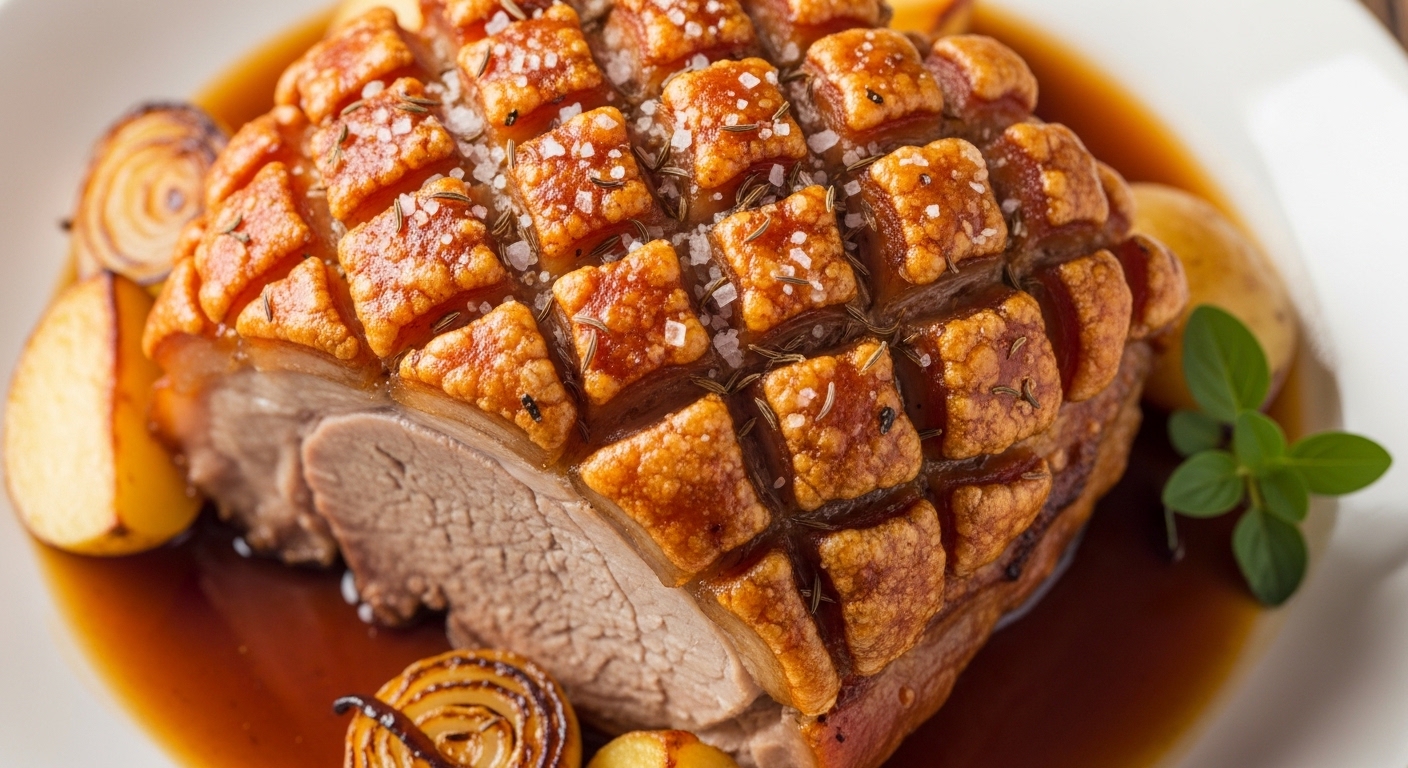
There’s something undeniably comforting about a dish that blends rich, savory flavors with a golden-brown crust—especially when it comes from the heart of Austria. Vienna roast pork isn’t just a meal; it’s a celebration of tradition, technique, and taste. Known for its crispy exterior and tender, juicy interior, this dish has been a cornerstone of Viennese home cooking for generations. Whether served with roasted potatoes, sauerkraut, or a fresh green salad, it delivers a satisfying balance of textures and flavors that keep food lovers coming back for more. If you’re looking for a centerpiece that impresses guests without requiring hours in the kitchen, Vienna roast pork is your answer. It’s hearty, aromatic, and deeply rooted in culinary heritage—yet surprisingly simple to make.
What Is Vienna Roast Pork?
Vienna roast pork (Wiener Schweinbraten) is a traditional Austrian method of preparing pork shoulder or loin by roasting it slowly at low heat until the meat becomes fork-tender. The secret lies in the combination of dry rubs, often including garlic, paprika, and caraway seeds, paired with a flavorful braising liquid. Traditionally, the meat is first seared, then cooked in a covered pan with onions, apples, and broth or wine until moist. Only after this step is the cover removed to allow the surface to crisp up into a beautiful, caramelized crust. This two-stage process ensures maximum moisture retention while achieving that coveted golden-brown finish.
Quick Recipe Summary
- Prep Time: 30 minutes
- Cook Time: 2 hours 15 minutes
- Total Time: 2 hours 45 minutes
- Servings: 6
- Cuisine: Austrian
- Course: Main Dish
- Calories (approx.): 480 per serving
Ingredients You’ll Need
Here’s everything you’ll need to create an authentic, restaurant-quality Vienna roast pork at home:
- 3 lbs (1.4 kg) boneless pork shoulder or pork loin roast
- 2 tbsp olive oil or lard (for searing)
- 2 large onions, sliced
- 2 medium apples (preferably Braeburn or Granny Smith), cored and halved
- 2 cups (480 ml) beef or pork broth
- 1 cup (240 ml) dry white wine or apple cider
- 2 bay leaves
- 1 tsp whole black peppercorns
- 1 tsp caraway seeds
- 1 tbsp smoked paprika
- 2 cloves garlic, minced
- 1 tsp salt (adjust to taste)
- 1/2 tsp freshly ground black pepper
- 1 tbsp unsalted butter (optional, for finishing)
Step-by-Step Cooking Instructions
Follow these clear, beginner-friendly steps to prepare your own Vienna roast pork:
- Prepare the Meat: Pat the pork roast dry with paper towels. In a small bowl, mix smoked paprika, minced garlic, caraway seeds, salt, and black pepper. Rub this mixture evenly over the entire surface of the pork.
- Sear the Pork: Heat olive oil or lard in a heavy-duty Dutch oven or oven-safe skillet over medium-high heat. Sear the pork on all sides until deeply browned (about 3–4 minutes per side). This step locks in flavor and creates a rich base for the braise.
- Add Aromatics: Push the pork to one side of the pan and add sliced onions and apple halves. Sauté for 3–4 minutes until slightly softened.
- Deglaze and Add Liquids: Pour in the white wine (or cider) and scrape up any browned bits from the bottom of the pan. Add broth, bay leaves, and peppercorns. Bring to a gentle simmer.
- Braise Covered: Cover the pot and transfer to a preheated 325°F (160°C) oven. Roast for 1 hour 30 minutes to 2 hours, or until the internal temperature reaches 195°F (90°C) and the meat pulls apart easily with a fork.
- Crisp the Crust: Remove the lid and increase the oven temperature to 400°F (200°C). Continue roasting for another 15–20 minutes, turning occasionally, until the top develops a deep golden-brown, crackling crust.
- Rest and Serve: Transfer the roast to a carving board and let it rest for 10–15 minutes before slicing. Optional: Toss the pan juices with butter for extra richness before serving.
Chef Tips for Perfect Vienna Roast Pork
To elevate your roast pork to the next level, keep these expert tips in mind:
- Use a Meat Thermometer: Don’t guess—use a digital thermometer to check doneness. 195°F (90°C) means fall-apart tenderness.
- Don’t Skip the Resting Step: Letting the meat rest allows juices to redistribute, ensuring every slice stays moist.
- Carve Against the Grain: Always slice the pork perpendicular to the muscle fibers for maximum tenderness.
- Save the Pan Sauce: Strain the braising liquids, skim off excess fat, and reduce slightly for a rich, flavorful accompaniment.
Common Mistakes to Avoid
Even seasoned cooks can stumble—here’s how to avoid typical pitfalls:
- Overcooking: High heat or too much time can dry out the meat. Stick to low-and-slow roasting.
- Skipping the Sear: Browning the meat creates depth of flavor. Never skip this step.
- Using Too Much Salt Early: Salting the meat too soon can draw out moisture. Save most of the salt for the spice rub.
Ingredient Substitutions & Variations
Make this recipe work for your pantry and preferences:
- Pork Shoulder → Loin: Use pork loin for leaner slices but expect slightly less fat and tenderness.
- White Wine → Apple Juice: For a kid-friendly version, swap wine with unsweetened apple juice.
- Vegan Option: Replace pork with a large portobello mushroom cap marinated in the same spice blend and roasted similarly.
- Austrian Twist: Serve with Kartoffelpuffer (German potato pancakes) and mustard sauce.
- Modern Fusion: Add juniper berries or a splash of balsamic vinegar to the braising liquid for complexity.
Serving Suggestions
Vienna roast pork shines when paired thoughtfully. Here are classic and creative ideas:
- Traditional Side: Serve with roasted red potatoes, sauerkraut, and lingonberry jam for an authentic Austrian feast.
- Hearty Bowl: Shred the pork and serve over mashed potatoes with gravy made from pan drippings.
- Lighter Option: Pair with a crisp green salad, pickled vegetables, and whole-grain rolls.
- Comfort Food Upgrade: Top with crispy fried onions and a dollop of sour cream.
Storage & Reheating Instructions
This roast keeps beautifully for leftovers:
- Refrigerate: Store in an airtight container for up to 4 days.
- Freeze: Wrap slices in plastic wrap and freeze for up to 3 months. Thaw overnight in the fridge.
- Reheat Safely: Warm in a 300°F (150°C) oven for 15–20 minutes, or gently reheat in a skillet with a splash of water or broth to prevent drying.
Nutrition Facts (Approximate per Serving)
- Calories: 480
- Protein: 38g
- Fat: 28g
- Carbohydrates: 8g
- Fiber: 2g
- Sugar: 6g
- Sodium: 720mg
Key Takeaways
– Vienna roast pork combines slow-roasting with high-heat crisping for unmatched texture.
– The key ingredients—caraway, paprika, apples, and wine—create a balanced, aromatic profile.
– Proper resting and slicing ensure each bite is tender and juicy.
– Leftovers make excellent sandwiches, tacos, or grain bowls.
– With minimal prep and rich results, it’s ideal for weeknight dinners or special occasions.
Frequently Asked Questions (FAQ)
Can I use pork belly instead of shoulder?
Yes, but pork belly will be fattier and more succulent. Reduce cooking time slightly and watch closely during the final crisping stage to avoid burning.
How do I know when the pork is done?
Insert a meat thermometer into the thickest part. For fall-apart tenderness, aim for 195°F (90°C). At 160°F (71°C), it’s safe to eat but firmer.
Can I make this in a slow cooker?
Absolutely! After searing, transfer everything to a slow cooker. Cook on low for 6–8 hours. Finish under a broiler for 5 minutes to crisp the top.
Is Vienna roast pork gluten-free?
Yes, as written, it’s naturally gluten-free. Just ensure your broth and wine are certified GF if needed.
What’s the difference between Vienna roast pork and regular roast pork?
Vienna style specifically refers to the method: slow-braised with apples and spices, then crisped at high heat. Regular roast pork is simply oven-roasted without braising liquid.
Conclusion: Bring Austrian Comfort to Your Table
Vienna roast pork is more than a recipe—it’s a journey through centuries of European culinary craftsmanship. With its perfect marriage of tender meat, aromatic herbs, and a crackling golden crust, it offers warmth, flavor, and nostalgia in every bite. Whether you’re hosting a family dinner or simply craving something comforting yet impressive, this dish delivers on all fronts. So roll up your sleeves, fire up the oven, and treat yourself to a taste of Austria—right in your own kitchen. Your taste buds will thank you.
Leave a Reply