Spanish Rice Beef Plate: A Flavorful Journey Through Spain’s Heartland
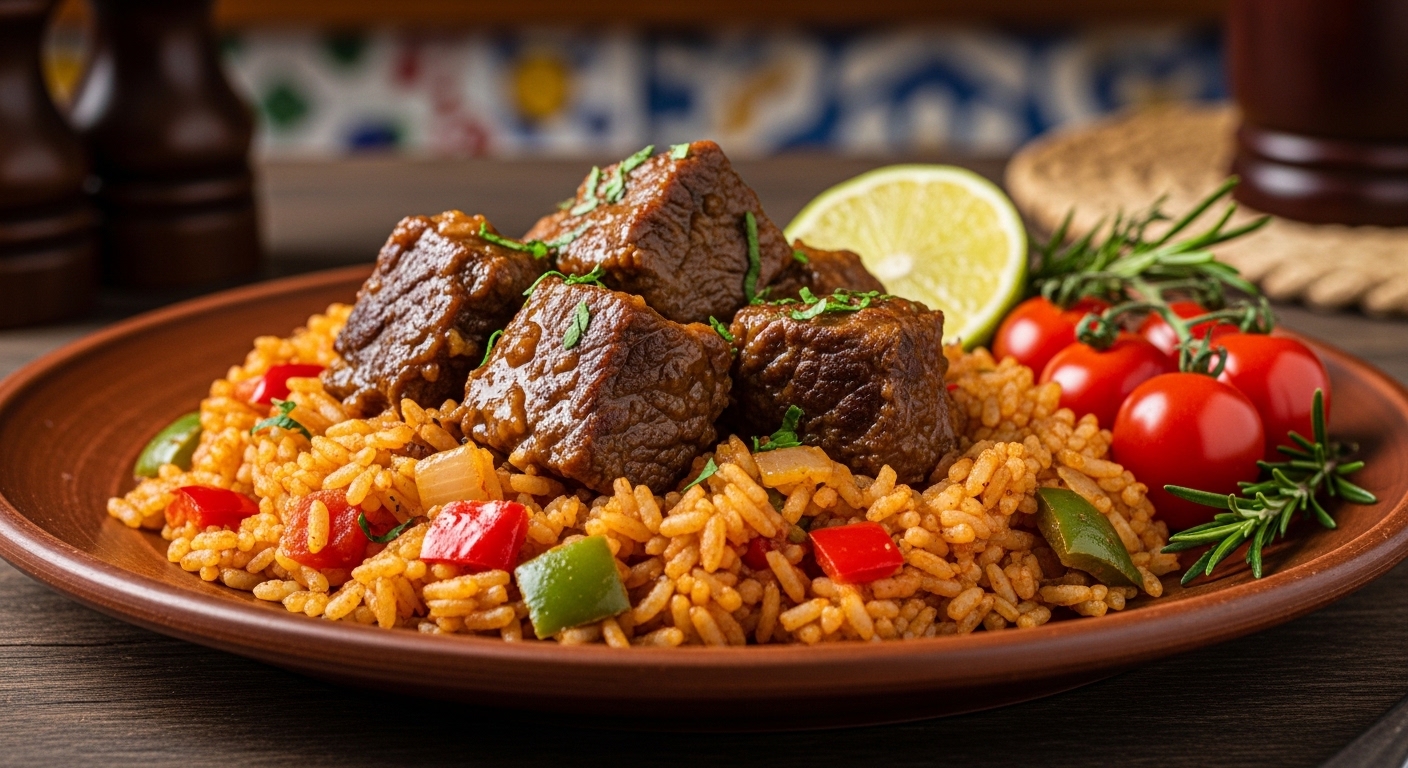
There’s something deeply comforting about a plate that tells a story—layers of rich flavors, bold spices, and time-honored techniques passed down through generations. The Spanish Rice Beef Plate is just such a dish. Originating from the sun-drenched regions of Andalusia and Catalonia, this hearty meal combines tender beef slow-cooked in a savory tomato-based sauce with fragrant rice, creating a one-pan wonder that’s both satisfying and deeply authentic. Whether you’re craving a taste of Spain or simply want a flavorful dinner that brings family together, this recipe delivers on every front.
Imagine golden-brown rice grains absorbing the essence of garlic, smoked paprika, and slow-braised beef—each bite a celebration of Spanish culinary tradition. This isn’t just a meal; it’s an experience. In this guide, we’ll walk you through how to recreate this beloved dish at home, with tips, tricks, and variations to suit every palate.
Quick Recipe Summary
- Prep Time: 15 minutes
- Cook Time: 45 minutes
- Total Time: 1 hour
- Servings: 4
- Cuisine: Spanish
- Course: Main Dish
- Calories (approx.): 520 per serving
Ingredients You’ll Need for the Perfect Spanish Rice Beef Plate
Before diving into the kitchen, gather these fresh, high-quality ingredients for an authentic and delicious result:
- 1 lb (450g) beef chuck, cut into 1-inch cubes
- 1 cup long-grain white rice (preferably Spanish Bomba or Calasparra)
- 1 large onion, finely chopped
- 3 cloves garlic, minced
- 1 red bell pepper, diced
- 1 can (14.5 oz / 400g) diced tomatoes
- 2 cups beef broth (low-sodium preferred)
- 2 tbsp olive oil
- 1 tsp smoked paprika (pimentón)
- 1/2 tsp dried oregano
- 1 bay leaf
- Salt and black pepper to taste
- 1/4 cup chopped fresh parsley (for garnish)
- Optional: 1/2 cup frozen peas (added during last 5 minutes of cooking)
Step-by-Step Cooking Instructions
Follow these simple steps to create a restaurant-quality Spanish Rice Beef Plate in your own kitchen.
1. Sear the Beef
Heat olive oil in a large Dutch oven or heavy-bottomed skillet over medium-high heat. Season the beef cubes generously with salt and pepper. Add the meat in batches—don’t overcrowd the pan—and sear until browned on all sides, about 3–4 minutes per batch. Remove and set aside.
2. Sauté the Aromatics
In the same pot, add the chopped onion and cook for 3–4 minutes until soft and translucent. Stir in the garlic, red bell pepper, smoked paprika, and oregano. Cook for another minute until fragrant.
3. Combine Ingredients
Return the seared beef to the pot. Pour in the diced tomatoes (with their juice), beef broth, and bay leaf. Stir well to combine. Bring to a gentle boil.
4. Simmer and Cook the Rice
Reduce heat to low, cover the pot, and let it simmer for 25 minutes. After 25 minutes, stir in the rice, making sure it’s evenly distributed. Cover again and continue cooking for 15–20 minutes, or until the rice is tender and most of the liquid has been absorbed. If needed, add a splash of broth or water.
5. Final Touches
Remove the bay leaf. If using peas, stir them in during the last 5 minutes. Taste and adjust seasoning with salt and pepper. Garnish with fresh parsley before serving.
Chef’s Tips for Best Results
To elevate your Spanish Rice Beef Plate to next-level perfection, keep these expert tips in mind:
- Use smoked paprika (pimentón): This is non-negotiable. Spanish pimentón adds depth and a subtle smokiness that can’t be replicated with regular paprika.
- Don’t skip searing the beef: Browning the meat creates a fond (the tasty brown bits stuck to the bottom of the pan), which adds incredible flavor to the sauce.
- Let it rest: Allow the dish to sit for 5–10 minutes after cooking. This helps the flavors meld and makes serving easier.
- Use quality beef broth: Since this is a stew-like dish, the broth forms the foundation of the sauce. Homemade or high-quality store-bought works best.
Common Mistakes to Avoid
Even seasoned cooks can stumble when making Spanish Rice Beef Plate. Here are the most common pitfalls and how to avoid them:
- Overcrowding the pan: Adding too much beef at once lowers the temperature and prevents proper browning, leading to steamed rather than seared meat.
- Using short-grain rice: Long-grain rice holds up better in stews and doesn’t become mushy. Short-grain varieties absorb too much liquid and turn gummy.
- Not tasting as you go: Adjust seasoning gradually. Too much salt early on can make the dish overly salty.
- Rushing the simmer: Patience is key. A slow, gentle simmer allows the beef to tenderize and the rice to cook evenly.
Ingredient Substitutions & Variations
Want to put your personal twist on this classic? Try these substitutions and creative variations:
Substitutions:
- Beef substitute: Use lamb or chicken for a different protein profile.
- Rice alternative: Swap white rice for arborio (for a creamier texture) or quinoa (for a gluten-free, protein-rich option).
- Dairy-free: Naturally dairy-free, but if adding cheese, use vegan alternatives.
Variations:
- Spicy version: Add a pinch of cayenne or sliced jalapeño when sautéing onions.
- Vegetarian option: Replace beef with mushrooms or chickpeas, and use vegetable broth.
- One-pot vegetarian: Add extra vegetables like carrots, zucchini, and artichokes for a veggie-packed version.
- Indian-inspired twist: Incorporate garam masala, turmeric, and coconut milk for a fusion take.
Serving Suggestions
Serve your Spanish Rice Beef Plate hot, straight from the pot, with these accompaniments:
- A crisp green salad with lemon vinaigrette to cut through the richness.
- Garlic bread or crusty baguette slices for soaking up the flavorful sauce.
- A glass of Spanish red wine—like a Tempranillo or Rioja—to complement the meal.
- Freshly grated Parmesan or manchego cheese on top for extra indulgence.
Storage & Reheating Instructions
This dish actually tastes even better the next day! Here’s how to store and reheat it properly:
- Refrigeration: Store leftovers in an airtight container for up to 4 days.
- Freezing: Cool completely, then freeze in portion-sized containers for up to 3 months.
- Reheating: Warm gently on the stove with a splash of broth or water to restore moisture. Avoid microwaving without covering to prevent drying out.
Nutrition Facts (Approximate Per Serving)
Each serving of Spanish Rice Beef Plate offers a balanced mix of nutrients:
- Calories: 520
- Protein: 32g
- Carbohydrates: 48g
- Fat: 20g
- Fiber: 3g
- Sodium: 680mg
- Iron: 25% DV
Healthier Version Option
Looking to lighten things up? Try this nutritious adaptation:
- Replace half the beef with lentils or white beans for extra fiber and plant-based protein.
- Use brown rice instead of white for more fiber and nutrients.
- Increase vegetable content with spinach, tomatoes, and carrots.
- Reduce olive oil slightly and use low-sodium broth.
Indian-Inspired Spanish Rice Beef Fusion
For a bold twist, blend Spanish and Indian flavors:
- Add 1 tbsp garam masala and 1 tsp turmeric when sautéing onions.
- Include diced potatoes and green beans with the beef.
- Finish with a dollop of yogurt or coconut yogurt on top.
- Garnish with cilantro and a squeeze of lime.
Perfect for Beginners
New to cooking? This recipe is surprisingly beginner-friendly:
- All ingredients are commonly found in grocery stores.
- No advanced techniques—just basic sautéing and simmering.
- Use a timer to stay on track.
- Don’t worry if the rice is slightly wet—it will absorb more liquid as it cools.
Restaurant-Style Presentation
Impress guests with a professional touch:
- Serve in shallow ceramic bowls for rustic elegance.
- Create a colorful garnish with microgreens, edible flowers, or cherry tomatoes.
- Pair with aioli or chimichurri sauce on the side.
- Light a candle and play soft Spanish guitar music for ambiance.
Key Takeaways
- The Spanish Rice Beef Plate is a hearty, one-pot meal rooted in Spanish tradition.
- Key ingredients include smoked paprika, beef, rice, and tomatoes—flavors that define Spanish cuisine.
- Proper searing and slow simmering are essential for deep flavor and tender beef.
- Customize with vegetables, spices, or proteins to match dietary needs or taste preferences.
- This dish reheats beautifully and tastes even richer the next day.
FAQs
1. Can I make Spanish Rice Beef Plate in a slow cooker?
Yes! After searing the beef and sautéing the onions, garlic, and peppers, transfer everything to a slow cooker. Add the remaining ingredients, cover, and cook on low for 6–7 hours or high for 3–4 hours. Add rice in the last 45 minutes.
2. Is Spanish Rice Beef Plate gluten-free?
Yes, it is naturally gluten-free as long as you use gluten-free beef broth and ensure the smoked paprika is certified gluten-free.
3. How do I know when the rice is done?
The rice is ready when it’s tender and the liquid has been fully absorbed. If there’s still excess liquid, uncover and let it simmer for 5 more minutes to evaporate.
4. Can I use ground beef instead of cubed beef?
You can, but cubed beef yields better texture and flavor. Ground beef will result in a softer, more stew-like consistency.
5. What’s the difference between regular paprika and smoked paprika?
Smoked paprika (pimentón) has a deeper, earthy, slightly sweet flavor with a hint of smoke. Regular paprika lacks this complexity and is not a suitable substitute.
Conclusion
The Spanish Rice Beef Plate is more than a meal—it’s a celebration of flavor, heritage, and comfort. With its rich, savory sauce, perfectly cooked rice, and tender beef, this dish brings the warmth of Spain right to your table. Whether you’re cooking for family, impressing guests, or simply treating yourself, this recipe delivers on every level.
So roll up your sleeves, fire up the stove, and let the aroma of garlic, paprika, and slow-cooked beef fill your kitchen. Your taste buds—and your soul—will thank you. Now go ahead: try this recipe tonight and savor every unforgettable bite.