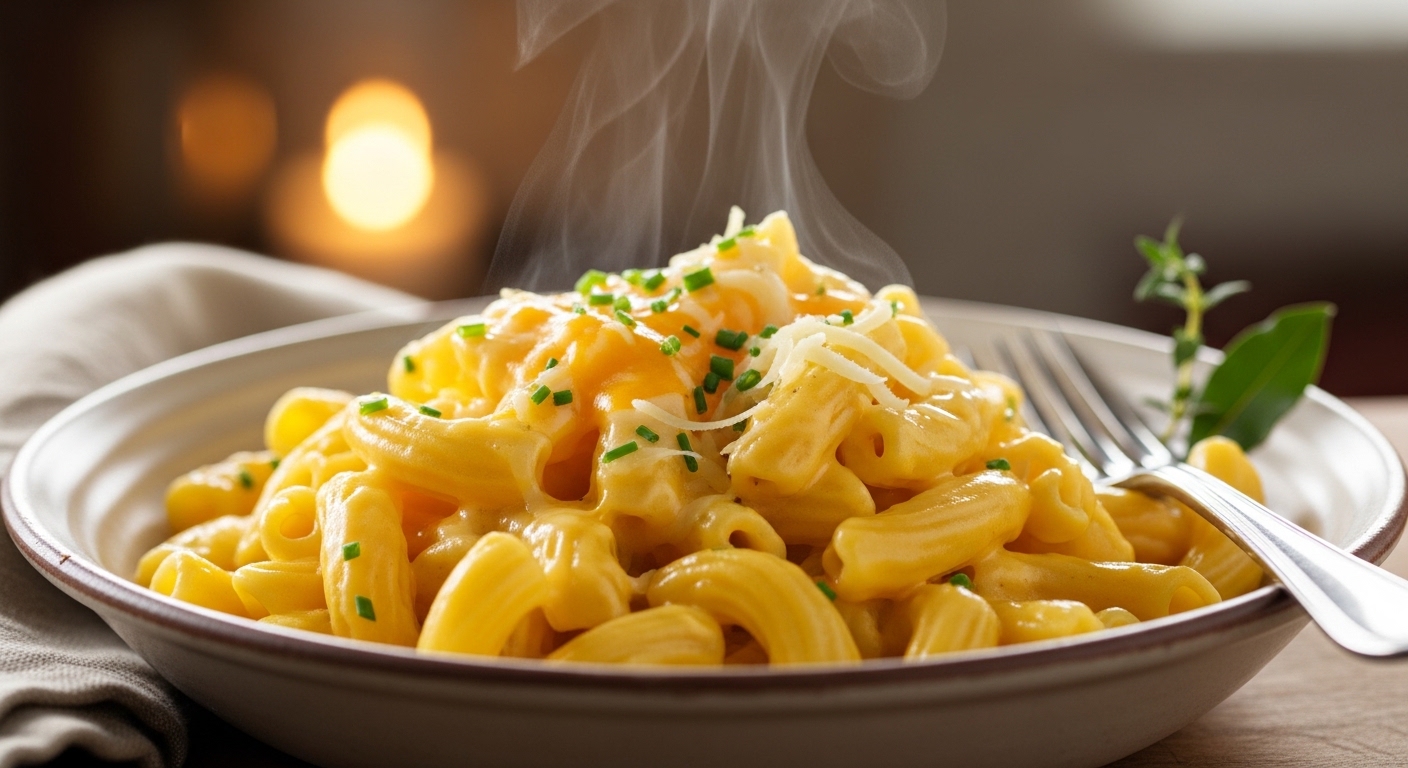
Imagine a bowl of pasta so rich, so comforting, and so deeply flavorful that every bite feels like a warm hug from your favorite comfort food. That’s Vermont Cheddar Pasta—a creamy, cheesy, and utterly indulgent dish that brings together the sharp, nutty tang of aged Vermont cheddar with perfectly al dente pasta. Whether you’re cooking for a cozy family dinner or impressing guests at a casual gathering, this recipe delivers on taste, texture, and ease. With its roots in classic American comfort cooking and a special emphasis on high-quality Vermont cheddar, this pasta dish has become a beloved staple in kitchens across New England and beyond.
If you’re searching for a quick weeknight meal or a crowd-pleasing side that doubles as a main, Vermont Cheddar Pasta checks all the boxes. It’s rich without being heavy, simple to make, and packed with bold cheese flavor that lingers with every spoonful. Plus, using real Vermont cheddar—known for its complex flavor profile—elevates this dish far beyond typical boxed mac and cheese.
Quick Recipe Summary
- Prep Time: 10 minutes
- Cook Time: 15 minutes
- Total Time: 25 minutes
- Servings: 4
- Cuisine: American (New England-inspired)
- Course: Main Dish / Side Dish
- Calories (approx.): 480 per serving
Why Vermont Cheddar Makes All the Difference
Vermont is famous for its artisanal cheddars, often made with raw milk and aged longer than commercial varieties. This results in a cheese with deep, earthy notes, subtle sweetness, and a firm yet creamy texture when melted. When you use real Vermont cheddar in your pasta, you’re not just adding saltiness—you’re introducing layers of flavor that transform a simple dish into something extraordinary.
Unlike processed cheese sauces that can turn grainy or bland, Vermont Cheddar Pasta relies on fresh grated cheese, butter, flour, and a touch of cream to create a silky, velvety sauce that clings beautifully to every strand of pasta. The result? A dish that’s both rustic and refined, comforting and satisfying.
Ingredients You’ll Need
Here’s everything you need to make this irresistible Vermont Cheddar Pasta (use fresh ingredients whenever possible):
- 1 pound (450g) pasta (penne, fusilli, or rotini work best)
- 6 tablespoons (85g) unsalted butter
- ½ cup (60g) all-purpose flour
- 3 cups (720ml) whole milk (warmed slightly)
- 1½ pounds (680g) freshly grated Vermont cheddar cheese (about 4–5 cups)
- ½ teaspoon garlic powder
- ½ teaspoon onion powder
- ¼ teaspoon ground mustard (optional, enhances cheddar flavor)
- Salt and freshly ground black pepper to taste
- Pinch of cayenne pepper (optional, for a slight kick)
- Freshly chopped chives or parsley for garnish
Pro Tip
Grating your own cheese ensures it melts smoothly without clumps. Pre-shredded cheese contains anti-caking agents that can ruin the texture of your sauce.
Step-by-Step Cooking Instructions
- Boil the pasta: Bring a large pot of salted water to a rolling boil. Cook the pasta according to package instructions until al dente. Reserve 1 cup of pasta water before draining.
- Melt butter in a saucepan: In a medium saucepan over medium heat, melt the butter. Once foamy, whisk in the flour to form a roux. Cook for 1–2 minutes, stirring constantly, until the mixture is smooth and smells nutty.
- Whisk in milk gradually: Slowly pour in the warmed milk while continuously whisking to prevent lumps. Keep whisking until the mixture thickens into a smooth sauce (about 5–7 minutes).
- Add seasonings and cheese: Stir in the garlic powder, onion powder, mustard (if using), and a pinch of cayenne. Reduce heat to low and begin adding the grated cheddar cheese, one handful at a time, stirring until fully melted before adding more. Continue until all the cheese is incorporated and the sauce is glossy.
- Temper the pasta: Add the drained pasta to the cheese sauce. Toss well, adding reserved pasta water a tablespoon at a time if needed to loosen the sauce and help it coat the pasta evenly.
- Season and serve: Taste and adjust seasoning with salt and pepper. Garnish with fresh chives or parsley and serve immediately.
Chef’s Tips for Perfect Vermont Cheddar Pasta
- Warm your milk: Cold milk can cause the roux to seize. Warm it gently in the microwave or on the stove before adding.
- Use room-temperature cheese: This helps it melt more smoothly into the sauce.
- Don’t rush the cheese addition: Adding cheese too quickly can lead to a greasy, separated sauce. Go slow and stir constantly.
- Keep pasta water nearby: Starchy pasta water is your best friend—it helps bind the sauce and creates a silky finish.
Common Mistakes to Avoid
- Using pre-shredded cheese: As mentioned, it contains additives that prevent proper melting.
- Overcooking the roux: Cooking the flour too long can give the sauce a bitter taste.
- Not reserving pasta water: Skipping this step makes it harder to adjust the sauce’s consistency.
- Adding cold ingredients: Always use warm milk and room-temp cheese to ensure a smooth emulsion.
Ingredient Substitutions & Variations
Want to put your own spin on this classic?
- Gluten-free option: Use gluten-free pasta and a gluten-free flour blend (like a 1:1 mix of rice and potato starch).
- Lactose-free version: Swap regular milk for lactose-free milk and use a dairy-free cheddar alternative (though flavor will differ).
- Smoky twist: Add smoked paprika or a few drops of liquid smoke to the sauce for depth.
- Spicy kick: Mix in diced jalapeños or a dash of hot sauce before adding the final batch of cheese.
- Vegetarian upgrade: Add steamed broccoli florets or roasted cherry tomatoes for extra color and nutrition.
Serving Suggestions
Vermont Cheddar Pasta shines on its own, but here are some ways to elevate your plate:
- Top with crispy bacon bits or sautéed mushrooms for added richness.
- Serve with a crisp green salad dressed in lemon vinaigrette to cut through the creaminess.
- Pair with garlic bread or crusty sourdough for a complete meal.
- Garnish with extra grated cheddar and a sprinkle of paprika for visual appeal.
Storage & Reheating Tips
- Refrigerate: Store leftovers in an airtight container for up to 4 days.
- Reheat gently: Warm in a saucepan over low heat, adding a splash of milk or pasta water to restore creaminess. Avoid microwaving directly from fridge—it can make the sauce separate.
- Freeze (optional): While not ideal due to texture changes upon thawing, you can freeze unbaked cheese sauce for up to 2 months. Thaw overnight and reheat with pasta.
Nutrition Facts (Approximate Per Serving)
- Calories: 480
- Total Fat: 28g
- Saturated Fat: 17g
- Cholesterol: 90mg
- Sodium: 620mg
- Total Carbohydrates: 42g
- Dietary Fiber: 2g
- Sugars: 4g
- Protein: 18g
Make It Healthier: Lightened-Up Version
Want a lighter take without sacrificing flavor?
- Substitute half the butter with olive oil or avocado oil.
- Use whole milk ricotta instead of cheddar for a milder, lower-fat option.
- Swap regular pasta for whole wheat or chickpea pasta to boost fiber.
- Reduce cheese by 25% and add pureed cauliflower to increase volume and nutrients.
Indian-Inspired Twist: Masala Cheddar Pasta
For a fusion flavor, try this bold Indian-style version:
- In step 3, after adding milk, stir in 1 teaspoon garam masala, ½ teaspoon turmeric, and 1 finely chopped green chili.
- Add steamed peas and carrots along with the pasta.
- Garnish with fresh cilantro and a dollop of plain yogurt or mint chutney on the side.
Key Takeaways
- Vermont Cheddar Pasta combines rich, aged cheddar with creamy béchamel-style sauce for maximum flavor.
- The key to success is using fresh ingredients—especially freshly grated cheese and warm milk.
- This dish is highly customizable for dietary needs and flavor preferences.
- It’s perfect for busy weeknights or entertaining guests with minimal effort.
- Proper storage and gentle reheating preserve its creamy texture.
Frequently Asked Questions (FAQs)
Can I use any type of cheddar for Vermont Cheddar Pasta?
While you can substitute other cheddars, Vermont cheddar offers the best balance of sharpness, creaminess, and complexity. Aged sharp cheddar from local producers will come closest to authentic flavor.
Why does my cheese sauce look oily?
This usually happens if the cheese isn’t added slowly or if the heat is too high. Always reduce heat to low when incorporating cheese and stir constantly.
How do I keep the sauce from splitting?
Never add cold ingredients to hot sauce. Ensure your milk is warm and cheese is at room temperature. Also, avoid boiling the sauce once cheese is added.
Can I make this ahead of time?
Best served fresh, but you can prepare the sauce up to a day ahead and store it separately from cooked pasta. Combine just before serving and reheat gently with reserved pasta water.
Is Vermont Cheddar Pasta suitable for kids?
Absolutely! Many children love the cheesy, creamy texture. To make it milder, reduce or omit the cayenne and use mild cheddar instead of sharp.
Conclusion: Comfort Never Tasted So Good
There’s something magical about a bowl of Vermont Cheddar Pasta—its golden sheen, its velvety mouthfeel, and that unmistakable punch of sharp, nutty cheese that dances on your tongue. Whether you’re making it for yourself, your family, or hosting friends, this recipe delivers warmth, flavor, and joy in every bite. With just a few simple steps and quality ingredients, you’ll discover why this dish belongs in your regular rotation.
So go ahead—grab that block of real Vermont cheddar, fire up your stove, and whip up a batch today. Trust us, your taste buds (and your loved ones) will thank you.
Leave a Reply