The Ultimate Guide to Making Authentic Cornish Pasty at Home
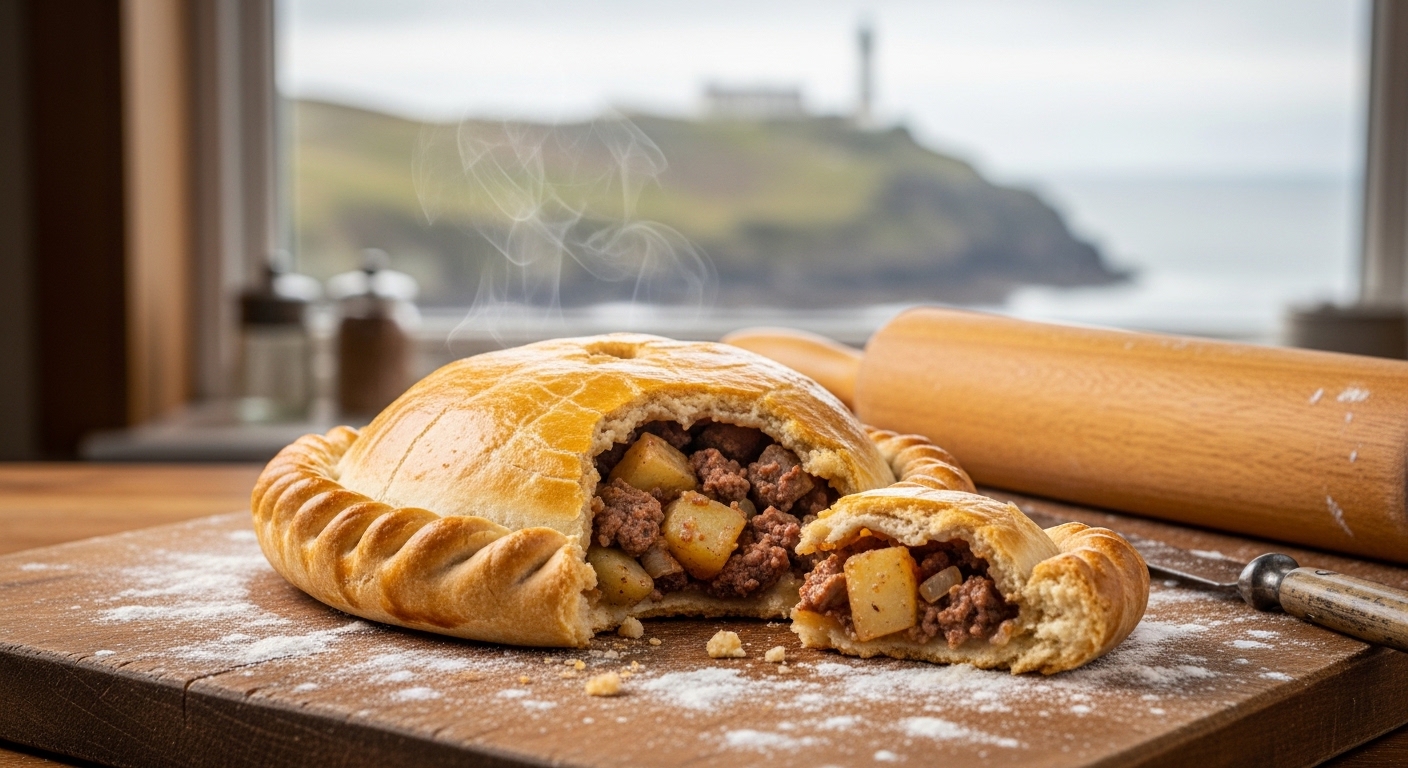
Imagine biting into a golden, flaky pastry crust that gives way to a hearty, savory filling of tender beef, potatoes, swede (rutabaga), and onions—all wrapped in a perfect half-moon shape with a crimped edge you can hold onto. That’s the Cornish pasty: a humble yet iconic British hand pie born in the tin mines of Cornwall, now loved worldwide for its portability, flavor, and comforting warmth. Whether you’re a seasoned home cook or a curious beginner, mastering the Cornish pasty is easier than you think—and this recipe delivers an authentic, restaurant-quality version right in your kitchen.
Originally crafted as a self-contained meal for miners who needed something nourishing, non-perishable, and easy to eat without utensils, the Cornish pasty has evolved into a symbol of Cornish heritage. In 2011, it even earned Protected Geographical Indication (PGI) status from the European Union, meaning only pasties made in Cornwall following strict traditional methods can legally be called “Cornish pasties” in the EU. But don’t worry—you can still make a delicious, true-to-tradition version at home with simple ingredients and clear instructions.
Why the Cornish Pasty Is More Than Just a Pie
The magic of the Cornish pasty lies in its balance: crisp, buttery pastry on the outside, moist and flavorful filling on the inside, with no soggy bottoms or dry meat. Unlike other meat pies, it’s not baked in a dish—it’s freestanding, shaped by hand, and designed to be eaten on the go. The crimped seam isn’t just decorative; it was historically used as a handle by miners (who would discard it after eating to avoid ingesting arsenic-laced hands).
What sets it apart from similar pastries like empanadas or hand pies is its specific ingredient ratio and assembly method. Traditional recipes call for diced beef (usually skirt or chuck), potatoes, swede (also known as yellow turnip or rutabaga), and onion—seasoned simply with salt and pepper. No gravy, no extra sauces—just clean, rustic flavors that shine through the rich pastry.
Quick Recipe Summary
| Prep Time | 45 minutes |
| Cook Time | 1 hour 15 minutes |
| Total Time | 2 hours |
| Servings | 4 large pasties |
| Cuisine | British (Cornish) |
| Course | Main Dish |
| Calories (approx.) | 650 per pasty |
Ingredients for Authentic Cornish Pasty
Use high-quality, fresh ingredients for the best results. This recipe makes four generous pasties—perfect for lunchboxes, picnics, or family dinners.
- Pastry:
- 500g (4 cups) plain flour (all-purpose)
- 125g (1/2 cup) cold unsalted butter, cubed
- 125g (1/2 cup) cold lard or vegetable shortening, cubed
- 1 tsp salt
- 150–175ml (2/3–3/4 cup) ice-cold water
- Filling:
- 300g (10.5 oz) beef skirt or chuck steak, diced into small cubes
- 250g (1 large) potato, peeled and diced small
- 150g (1 medium) swede (rutabaga), peeled and diced small
- 100g (1 small) onion, finely chopped
- 1 tsp salt
- 1/2 tsp freshly ground black pepper
- 1 tbsp butter (optional, for extra richness)
Step-by-Step Instructions
1. Make the Pastry Dough
In a large mixing bowl, combine the flour and salt. Add the cold butter and lard. Using your fingertips or a pastry cutter, rub the fats into the flour until the mixture resembles coarse breadcrumbs with some pea-sized pieces remaining—this ensures flakiness.
Gradually add ice-cold water, 1 tablespoon at a time, mixing gently with a fork until the dough just comes together. Do not overwork. Divide into four equal balls, wrap in cling film, and chill for at least 30 minutes.
2. Prepare the Filling
While the dough chills, dice all vegetables and meat into uniform, small pieces (about 1cm or 1/2 inch). This ensures even cooking and prevents leakage. In a large bowl, mix the beef, potato, swede, onion, salt, and pepper thoroughly. Set aside.
3. Assemble the Pasties
Preheat your oven to 200°C (400°F, gas mark 6). Lightly flour your work surface. Roll out one dough ball into a circle about 20cm (8 inches) in diameter and 3–4mm thick.
Place a quarter of the filling mixture slightly off-center on the dough circle—do not overfill (about 1 cup per pasty). Dot with a small piece of butter if desired for richness.
Brush the edges of the dough with cold water. Fold the dough over the filling to form a semicircle, ensuring the filling is fully enclosed. Crimp the edges tightly by pinching and twisting—this creates the classic “rope” seal and prevents leaks during baking.
Repeat with remaining dough and filling. Place pasties on a baking tray lined with parchment paper.
4. Bake to Golden Perfection
Brush the tops of the pasties with beaten egg or milk for a glossy finish. Cut a small steam vent in the top of each pasty. Bake for 15 minutes, then reduce heat to 180°C (350°F) and bake for another 45–60 minutes, or until deeply golden and the internal temperature reaches at least 75°C (165°F).
Let cool for 10 minutes before serving—the filling will be extremely hot!
Chef Tips for Best Results
- Keep everything cold: Cold fats and water are key to flaky pastry. Work quickly and return dough to the fridge if it softens.
- Uniform dicing matters: All filling ingredients should be roughly the same size so they cook evenly.
- Don’t skip the crimp: A tight seal prevents leaks and gives the pasty its iconic look.
- Use a meat thermometer: Ensure beef reaches safe internal temperature without overcooking.
- Bake on the middle rack: This ensures even browning on top and bottom.
Common Mistakes to Avoid
- Overfilling: Too much filling causes bursting. Stick to about 1 cup per pasty.
- Warm dough: Warm pastry becomes tough and greasy. Always chill before rolling.
- Skipping the steam vent: Trapped steam can make the pastry soggy or cause splits.
- Using pre-ground spices: Freshly ground black pepper enhances flavor significantly.
- Baking at too high a temperature: Start hot to set the shape, then lower to cook through gently.
Ingredient Substitutions & Variations
While traditionalists may balk, modern twists can make the Cornish pasty more accessible or dietary-friendly:
- Vegetarian version: Replace beef with mushrooms, lentils, or extra root vegetables like parsnip and carrot. Add a pinch of smoked paprika for depth.
- Vegan option: Use plant-based butter and shortening, and substitute egg wash with almond milk + maple syrup.
- Gluten-free: Swap plain flour for a gluten-free pastry blend (ensure it contains xanthan gum).
- Healthier twist: Use lean beef sirloin and reduce butter in pastry by half, replacing with Greek yogurt for tenderness.
- Indian-inspired: Add garam masala, turmeric, and cumin to the filling—great with lamb instead of beef.
Serving Suggestions
Serve your Cornish pasties warm with a side of mushy peas, baked beans, or a simple green salad. A dollop of Branston pickle or a sharp cheddar cheese adds a classic British touch. For a true Cornish experience, pair with a pint of local cider or a cup of strong tea.
Storage & Reheating
- Refrigerator: Store cooled pasties in an airtight container for up to 3 days.
- Freezer: Unbaked or baked pasties freeze well for up to 3 months. Wrap individually in foil or freezer bags.
- Reheating: From frozen, bake at 180°C (350°F) for 25–30 minutes. From chilled, reheat in oven for 15 minutes or microwave for 2 minutes (though oven preserves crispness better).
Nutrition Facts (Approximate per Pasty)
- Calories: 650
- Protein: 28g
- Carbohydrates: 65g
- Fat: 32g
- Fiber: 6g
- Sugar: 5g
- Sodium: 800mg
Key Takeaways
- The Cornish pasty is a traditional British hand pie with deep cultural roots in Cornwall.
- Authentic versions use beef, potato, swede, onion, and simple seasoning wrapped in flaky pastry.
- Proper assembly—especially the crimp—is crucial for structure and flavor.
- With a few tweaks, you can make vegetarian, vegan, or gluten-free versions.
- Perfect for meal prep, picnics, or comforting weeknight dinners.
FAQs About Cornish Pasty
Can I make Cornish pasties ahead of time?
Absolutely! Assemble and freeze unbaked pasties up to 3 months in advance. Bake straight from frozen, adding 10–15 minutes to cooking time.
What’s the difference between a Cornish pasty and a regular meat pie?
A Cornish pasty is a freestanding, hand-held pie with a specific filling ratio and crimped edge, traditionally eaten without utensils. Regular meat pies are often baked in dishes and may include gravy.
Why is swede (rutabaga) used instead of just potato?
Swede adds subtle sweetness and moisture, balancing the heartiness of beef and potato. It’s a key ingredient in authentic recipes.
Can I use store-bought pastry?
Yes, but homemade delivers superior flavor and texture. If using store-bought, choose a high-fat, all-butter puff or shortcrust pastry.
Is the crimped edge edible?
Yes! Though miners historically discarded it, today’s pasty lovers eat the whole thing—it’s just as delicious as the rest.
Conclusion: Roll, Fill, Crimp, and Enjoy!
Making a Cornish pasty at home isn’t just about following a recipe—it’s about connecting with centuries of tradition, craftsmanship, and comfort food culture. With this detailed guide, you now have everything you need to create golden, flaky, flavorful pasties that honor their Cornish roots while fitting your modern kitchen. Whether you’re feeding a family, packing lunch for work, or simply craving something deeply satisfying, the Cornish pasty delivers every time.
So grab your rolling pin, dice those vegetables, and give it a go. Once you taste that first bite—crisp crust giving way to tender, seasoned filling—you’ll understand why this humble pie has stood the test of time. Happy baking!