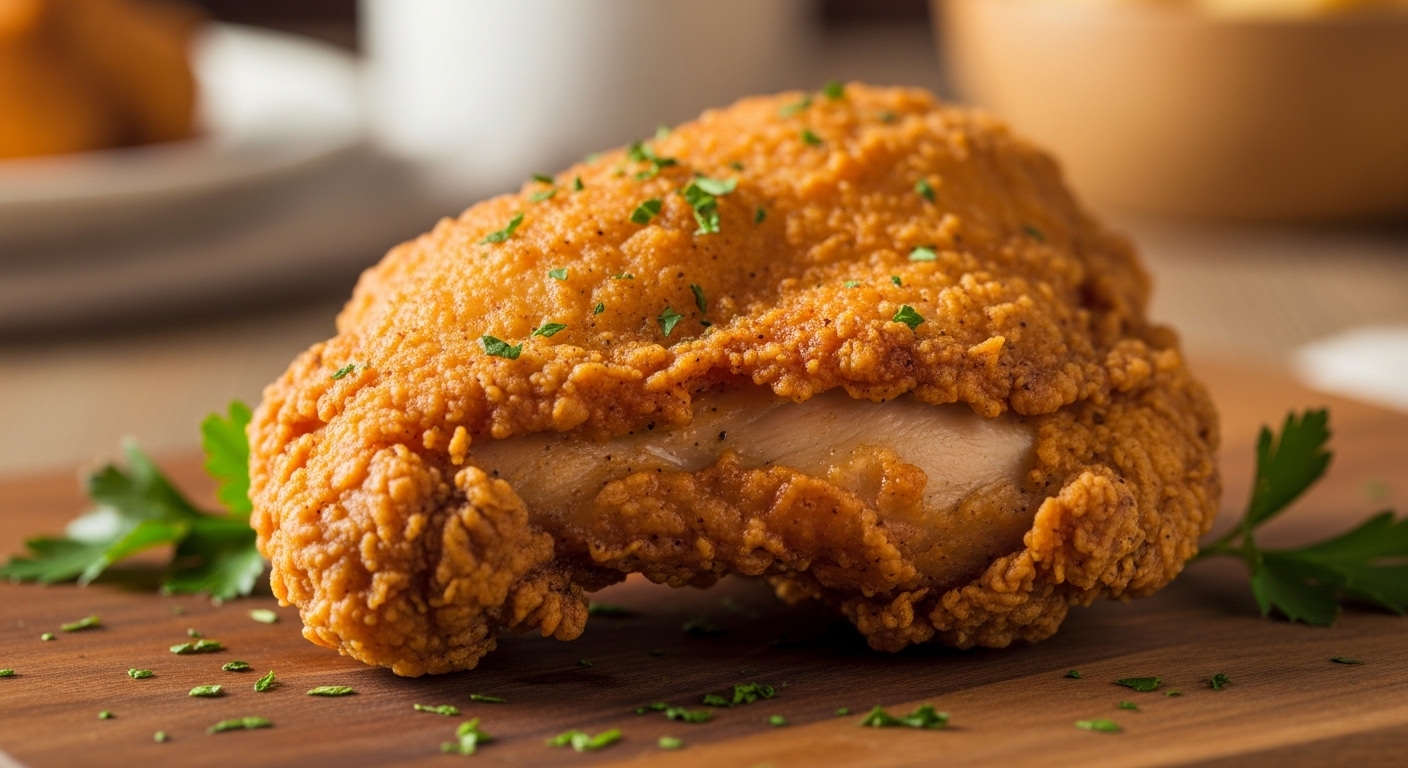
Imagine biting into a piece of chicken so perfectly golden and crisp on the outside that it shatters at the touch of your fork—yet inside, it’s impossibly tender, juicy, and bursting with flavor. That’s Southern fried chicken: a beloved American comfort food icon with roots deep in the heart of the South. More than just a dish, it’s a cultural staple, a family tradition, and a culinary masterpiece that balances crunch, spice, and soulful satisfaction in every bite.
Born from a blend of West African, Scottish, and Southern American cooking techniques, Southern fried chicken rose to fame through generations of home cooks and legendary diners alike. Its secret? A double-dredging method, a well-seasoned brine, and hot oil that locks in moisture while creating that iconic crackling crust. Whether served at Sunday supper, backyard barbecues, or holiday feasts, this dish never fails to deliver pure comfort.
In this guide, you’ll learn how to make authentic Southern fried chicken at home—crispier, juicier, and more flavorful than any takeout version. We’ll walk you through every step, share pro tips from seasoned chefs, and even offer smart swaps for dietary needs. Ready to master the crunch?
Quick Recipe Summary
| Prep Time | 30 minutes (plus 4–12 hours marinating) |
| Cook Time | 20–25 minutes |
| Total Time | 45 minutes (active), up to 13 hours (with marinating) |
| Servings | 4–6 people |
| Cuisine | Southern American |
| Course | Main Dish |
| Calories (approx.) | 480 per serving (based on 1 drumstick + 1 thigh) |
Ingredients for Perfect Southern Fried Chicken
This recipe uses bone-in, skin-on chicken pieces for maximum flavor and juiciness. The secret lies in the buttermilk brine and double-coating technique.
- 3–4 lbs (1.4–1.8 kg) mixed chicken pieces (drumsticks, thighs, wings—avoid breasts for best texture)
- 2 cups buttermilk (full-fat preferred)
- 2 large eggs
- 2 tbsp hot sauce (like Tabasco—optional but recommended)
- 2 cups all-purpose flour
- 1 tbsp garlic powder
- 1 tbsp onion powder
- 1 tbsp smoked paprika
- 1 tsp cayenne pepper (adjust to taste)
- 1 tsp black pepper
- 1 tbsp salt (plus more for seasoning)
- 1 tsp dried thyme
- 1 tsp dried oregano
- Vegetable oil or peanut oil (for frying—about 4–6 cups, depending on pan size)
Step-by-Step Cooking Instructions
1. Marinate the Chicken
In a large bowl, whisk together buttermilk, eggs, and hot sauce. Add chicken pieces, ensuring they’re fully submerged. Cover and refrigerate for at least 4 hours—ideally overnight. This tenderizes the meat and infuses it with tangy, spicy flavor.
2. Prepare the Coating
In a separate shallow dish or large zip-top bag, combine flour, garlic powder, onion powder, smoked paprika, cayenne, black pepper, salt, thyme, and oregano. Mix thoroughly so spices are evenly distributed.
3. Double-Dredge for Maximum Crunch
Remove chicken from buttermilk, letting excess drip off. Dredge each piece in the seasoned flour, pressing firmly to adhere. Dip back into the buttermilk mixture, then coat again in flour. This double-coating creates the signature thick, crispy crust.
4. Heat the Oil
Pour oil into a heavy-bottomed skillet, Dutch oven, or deep fryer to a depth of about 2 inches. Heat to 350°F (175°C). Use a thermometer—this is crucial. Too hot, and the coating burns before the chicken cooks; too cool, and it becomes greasy.
5. Fry in Batches
Carefully place 3–4 pieces in the hot oil, avoiding overcrowding. Fry for 12–15 minutes, turning occasionally, until deep golden brown and internal temperature reaches 165°F (74°C). Dark meat (thighs, drumsticks) may take slightly longer than wings.
6. Drain and Rest
Transfer fried chicken to a wire rack set over a baking sheet. This keeps the bottom crispy—don’t use paper towels alone, as steam softens the crust. Let rest for 5–10 minutes before serving.
Chef Tips for Restaurant-Quality Results
- Use a cast-iron skillet: It retains heat evenly, ensuring consistent frying.
- Don’t skip the buttermilk: Its acidity breaks down proteins, making meat tender and helping the coating stick.
- Maintain oil temperature: Fry in small batches and let oil return to 350°F between loads.
- Season the flour well: Underseasoned coating = bland chicken. Taste your flour mix—it should be flavorful.
- Rest on a rack: Prevents sogginess by allowing steam to escape.
Common Mistakes to Avoid
- Overcrowding the pan: Lowers oil temperature and leads to steaming instead of frying.
- Using boneless chicken: Bone-in pieces stay juicier and more flavorful during frying.
- Skipping the double dredge: One coat won’t give that thick, crunchy texture.
- Frying at the wrong temperature: Use a thermometer—guessing leads to greasy or burnt results.
- Not marinating long enough: At least 4 hours is essential for tenderness and flavor penetration.
Ingredient Substitutions & Variations
Healthier Version
Bake instead of frying: Preheat oven to 425°F (220°C). Place coated chicken on a wire rack over a baking sheet. Spray lightly with oil. Bake 35–40 minutes, flipping halfway. Less crispy but significantly lower in fat.
Gluten-Free Option
Replace all-purpose flour with a 1:1 gluten-free flour blend. Add 1 tsp xanthan gum if not included. Double-dredge as usual.
Spicy Southern Style
Increase cayenne to 2 tsp and add 1 tbsp crushed red pepper flakes to the flour. Serve with honey or ranch for balance.
Vegan “Fried Chicken” (Plant-Based Twist)
Use thick-cut oyster mushrooms or cauliflower florets. Marinate in almond milk + apple cider vinegar (as buttermilk substitute). Coat with gluten-free flour + nutritional yeast for umami. Pan-fry or air-fry.
Indian-Inspired Fusion
Add 1 tbsp garam masala, 1 tsp turmeric, and 1 tsp ginger powder to the flour. Serve with mint chutney and naan for a global twist on Southern comfort.
Serving Suggestions
Southern fried chicken shines when paired with classic sides. Try it with:
- Creole-style collard greens
- Creamy mashed potatoes with gravy
- Buttermilk biscuits with honey butter
- Mac and cheese with a crispy breadcrumb topping
- Cornbread or hushpuppies
- A simple vinegar-based coleslaw
For a refreshing contrast, serve with pickle spears or a tangy slaw. And don’t forget a cold sweet tea or bourbon lemonade!
Storage & Reheating Instructions
Refrigeration: Store in an airtight container for up to 3 days. Keep on a wire rack if possible to maintain crispness.
Freezing: Flash-freeze cooked chicken on a tray, then transfer to a freezer bag. Lasts up to 2 months. Reheat from frozen.
Reheating: For best results, use an oven or air fryer at 375°F (190°C) for 10–15 minutes until hot and crispy. Avoid microwaving—it makes the coating soggy.
Nutrition Facts (Approximate per Serving)
Based on one drumstick and one thigh (about 6 oz cooked):
- Calories: 480
- Total Fat: 28g
- Saturated Fat: 8g
- Cholesterol: 140mg
- Sodium: 720mg
- Carbohydrates: 24g
- Protein: 36g
Note: Values vary based on oil absorption and exact cuts used.
Key Takeaways
- Southern fried chicken gets its magic from a buttermilk brine and double-dredged flour coating.
- Fry at 350°F (175°C) in small batches for even cooking and maximum crispiness.
- Resting on a wire rack preserves the crunch—don’t skip this step.
- Customize with spice levels, gluten-free flours, or plant-based swaps.
- Perfect for family dinners, potlucks, or meal prep (when reheated properly).
Frequently Asked Questions (FAQs)
Can I use chicken breast for Southern fried chicken?
Technically yes, but it’s not ideal. Breasts dry out easily during frying. If you must, pound them to even thickness, brine longer, and reduce frying time to 8–10 minutes.
What oil is best for frying?
Peanut oil has a high smoke point and neutral flavor—perfect for frying. Vegetable, canola, or sunflower oil work well too. Avoid olive oil—it burns at high temps.
Can I air fry Southern fried chicken?
Yes! Coat as usual, spray with oil, and air fry at 400°F (200°C) for 20–25 minutes, flipping halfway. Less crispy than deep-fried, but much healthier.
Why is my coating falling off?
This usually happens if the chicken isn’t patted dry before dredging or if the oil isn’t hot enough. Ensure each step is done properly—especially the double-dredge.
How do I make it less greasy?
Maintain oil temperature, don’t overcrowd the pan, and drain on a wire rack—not paper towels. Also, use a thermometer to avoid undercooking, which leads to oil absorption.
Final Thoughts: Bring the South to Your Kitchen
Making Southern fried chicken at home isn’t just about following a recipe—it’s about embracing a tradition of flavor, patience, and love. With the right technique, you can achieve that golden, crackling crust and juicy interior that defines this iconic dish.
Whether you’re cooking for a holiday feast or a cozy weeknight dinner, this recipe delivers comfort in every bite. Don’t be afraid to tweak the spices, try a new side, or even go gluten-free. The beauty of Southern fried chicken is its versatility and timeless appeal.
So grab your cast-iron skillet, fire up the stove, and get ready to impress. Once you taste homemade Southern fried chicken, you’ll never look at takeout the same way again. Happy frying!