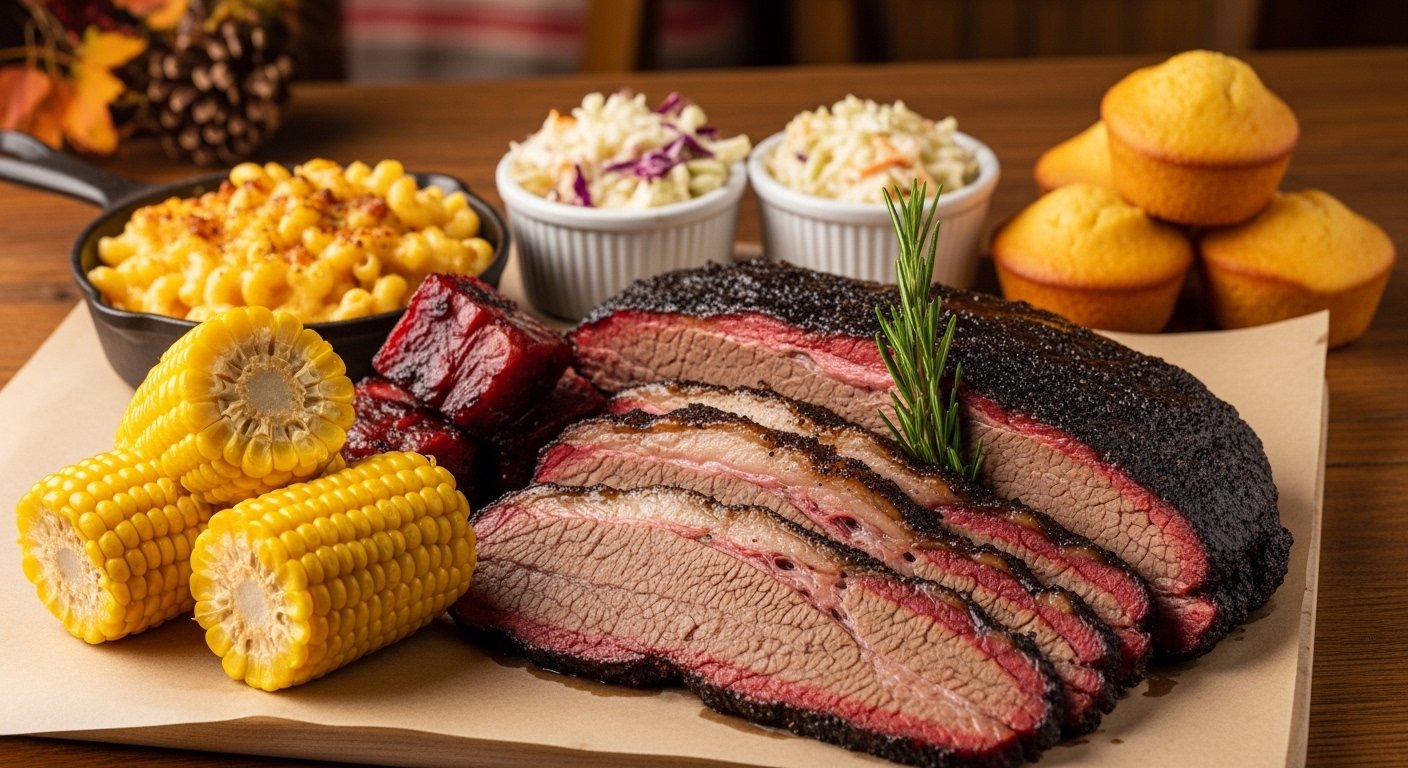
There’s nothing quite like the rich, smoky aroma of a perfectly smoked brisket dinner wafting through your kitchen—especially when it’s tender enough to slice with a butter knife and packed with deep, savory flavor. Whether you’re hosting a backyard barbecue, preparing for a special family gathering, or simply craving comfort food at its finest, a smoked brisket dinner delivers unmatched satisfaction. Rooted in Texas tradition but beloved worldwide, this dish combines low-and-slow cooking with bold seasonings to create a centerpiece that’s as impressive as it is delicious.
In this comprehensive guide, we’ll walk you through everything you need to know to master the smoked brisket dinner—from selecting the right cut, choosing the best wood for smoking, seasoning like a pro, to serving it alongside classic sides that complement its richness. Let’s turn up the heat and get started!
Why Smoked Brisket Dinner Stands Out
The appeal of a smoked brisket dinner lies not just in its flavor but in the ritual of preparation. This cut of beef comes from the lower chest of the cow and contains both the leaner flat muscle and the fattier point muscle. When smoked slowly over several hours, the collagen melts into gelatin, transforming tough fibers into melt-in-your-mouth tenderness. The Maillard reaction during searing and smoke infusion adds layers of complexity—think charred bark, earthy hickory notes, and a hint of sweetness from the meat itself.
Unlike fast-cooked meats, smoked brisket requires patience and precision, which is part of what makes it so rewarding. But don’t worry—we’ll break down every step into manageable parts so even beginners can feel confident tackling this crowd-pleasing dish.
Quick Recipe Summary Table
| Metric | Details |
|---|---|
| Prep Time | 30 minutes |
| Cook Time | 12–16 hours (including rest) |
| Total Time | 12.5–16.5 hours |
| Servings | 8–10 people |
| Cuisine | American / Southern BBQ |
| Course | Main Dish |
| Calories (approx.) | 420 per 3 oz serving |
Essential Ingredients You’ll Need
Creating an unforgettable smoked brisket dinner starts with quality ingredients. Here’s what you’ll need:
- 1 whole packer brisket (8–12 lbs) – Look for one with good marbling and minimal external fat
- Kosher salt – 1.5 oz total (about ¼ cup)
- Coarse black pepper – ¾ oz (about ⅓ cup)
- Dry mustard (optional) – ½ cup, for extra crust development
- Sugar-free rub (optional but recommended) – Combine paprika, garlic powder, onion powder, brown sugar (if using), and cayenne
- Wood chunks or chips – Hickory, oak, or mesquite for authentic flavor
- Apple juice or water – For maintaining humidity in the smoker
Step-by-Step Instructions
Step 1: Trim the Brisket
Using a sharp boning knife, trim off excess hard fat until about a quarter-inch remains. This prevents the fat from rendering too quickly and becoming greasy while still allowing flavorful fat cap to remain for browning.
Step 2: Apply the Rub
Pat the brisket dry with paper towels. Generously coat all sides with salt and pepper (or your preferred dry rub). For best results, apply the rub at least 2 hours before smoking—even better if done overnight in the fridge. Optional: brush with mustard to help the bark form.
Step 3: Preheat Your Smoker
Aim for a steady temperature between 225°F and 250°F. Use indirect heat only—place the brisket on the cooler side of the smoker. Add soaked wood chips or chunks for consistent smoke.
Step 4: Smoke Low and Slow
Place the brisket fat-side up on the smoker rack. Maintain humidity by spritzing with apple juice or water every hour. Cook until internal temp reaches 160–170°F (this usually takes 1–1.5 hours per pound).
Step 5: Wrap and Rest
Once desired temp is reached, wrap tightly in butcher paper or aluminum foil (paper holds more moisture; foil seals in juices). Return to smoker for another 1–2 hours or until probe easily slides in (195–205°F internal temp). Remove, rest uncovered for 30 minutes, then wrap and place in a cooler or warm oven for at least 1 hour before slicing.
Chef Tips for Success
- Don’t rush the process: Patience is key—low and slow yields superior texture.
- Use a meat thermometer: Rely on probe readings, not guesswork.
- Invest in butcher paper: It’s breathable and helps develop a better bark than foil.
- Rest the meat properly: Skipping this step leads to dry, tough slices.
- Slice against the grain: Cut perpendicular to muscle lines for maximum tenderness.
Common Mistakes to Avoid
- Over-trimming fat: Too little fat = dry brisket.
- Fluctuating smoker temps: Keep fluctuations under 10°F.
- Slicing too early: Never slice before resting.
- Using weak smoke: Ensure steady, clean smoke throughout.
- Ignoring humidity: Dry environment dries out the meat.
Ingredient Substitutions & Variations
- Rub alternatives: Try Cajun spice blend, chili powder, or coffee grounds for deeper notes.
- Wood choices: Pecan or cherry wood offer milder flavors; mesquite is intense—use sparingly.
- Vegan option: Substitute with king oyster mushrooms or jackfruit, smoked similarly.
- Healthier version: Trim visible fat more aggressively and serve with grilled veggies instead of heavy sides.
Serving Suggestions
Pair your smoked brisket dinner with these classic accompaniments:
- Texas toast or cornbread – Perfect for soaking up juices
- Coleslaw – Creamy and refreshing contrast
- Baked beans with molasses – Sweet and tangy balance
- Pickled onions or jalapeños – Bright acidity cuts through richness
- BBQ sauce on the side – Let guests customize their plates
Storage & Reheating Tips
- Refrigerate: Store sliced brisket in airtight container for up to 4 days.
- Freeze: Wrap tightly and freeze for up to 3 months. Thaw overnight in fridge.
- Reheat gently: Warm in oven at 275°F with foil tent for 20–30 mins. Avoid microwaving.
Nutrition Facts (Approximate Per Serving – 3 oz)
- Calories: 420
- Protein: 38g
- Fat: 28g
- Carbs: 1g
- Saturated Fat: 10g
- Cholesterol: 120mg
- Sodium: 890mg
- Potassium: 480mg
Frequently Asked Questions (FAQs)
1. How long should I smoke a brisket?
Allow approximately 1 hour per pound at 225–250°F. Total time varies based on size and smoker efficiency—always use a probe thermometer to check doneness.
2. Can I cook brisket without a smoker?
Yes! Use a large roasting pan with indirect heat in a conventional oven, or try the “reverse sear” method on a grill with charcoal.
3. Why is my brisket tough?
Toughness usually results from undercooking (collagen didn’t fully convert) or cutting against the grain. Always rest and slice correctly.
4. What’s the difference between wet and dry brining?
Wet brining uses a saltwater solution; dry brining uses salt directly rubbed on meat. Both improve tenderness—dry brining is simpler for brisket.
5. Should I wrap my brisket early or late?
Most pitmasters follow the Texas crutch method: smoke unwrapped until 160–170°F, then wrap to push through final stall and speed up cooking.
Conclusion: Your Path to Smoked Brisket Supremacy
Mastering the smoked brisket dinner isn’t about perfection—it’s about embracing the journey. Each batch teaches you something new: how your smoker behaves at different temps, how the bark forms, how resting transforms texture. With practice, you’ll develop a signature style that reflects your taste and skill.
So fire up that smoker, gather your crew, and prepare to impress with a smoked brisket dinner that’s juicy, flavorful, and deeply satisfying. Whether you’re feeding a small family or throwing a block party, this recipe proves that sometimes the best things in life really do take time.
Now go forth—smoke with confidence, serve with pride, and enjoy every tender, smoky bite!
Key Takeaways
- A successful smoked brisket dinner hinges on low-and-slow cooking and proper resting.
- Use a meat thermometer—never rely solely on time estimates.
- Slicing against the grain ensures maximum tenderness.
- Butcher paper creates a superior bark compared to foil.
- Pair with simple sides like coleslaw and cornbread for a balanced feast.
Leave a Reply