Rustic Bean Ragout: A Hearty, Soul-Warming Comfort Dish
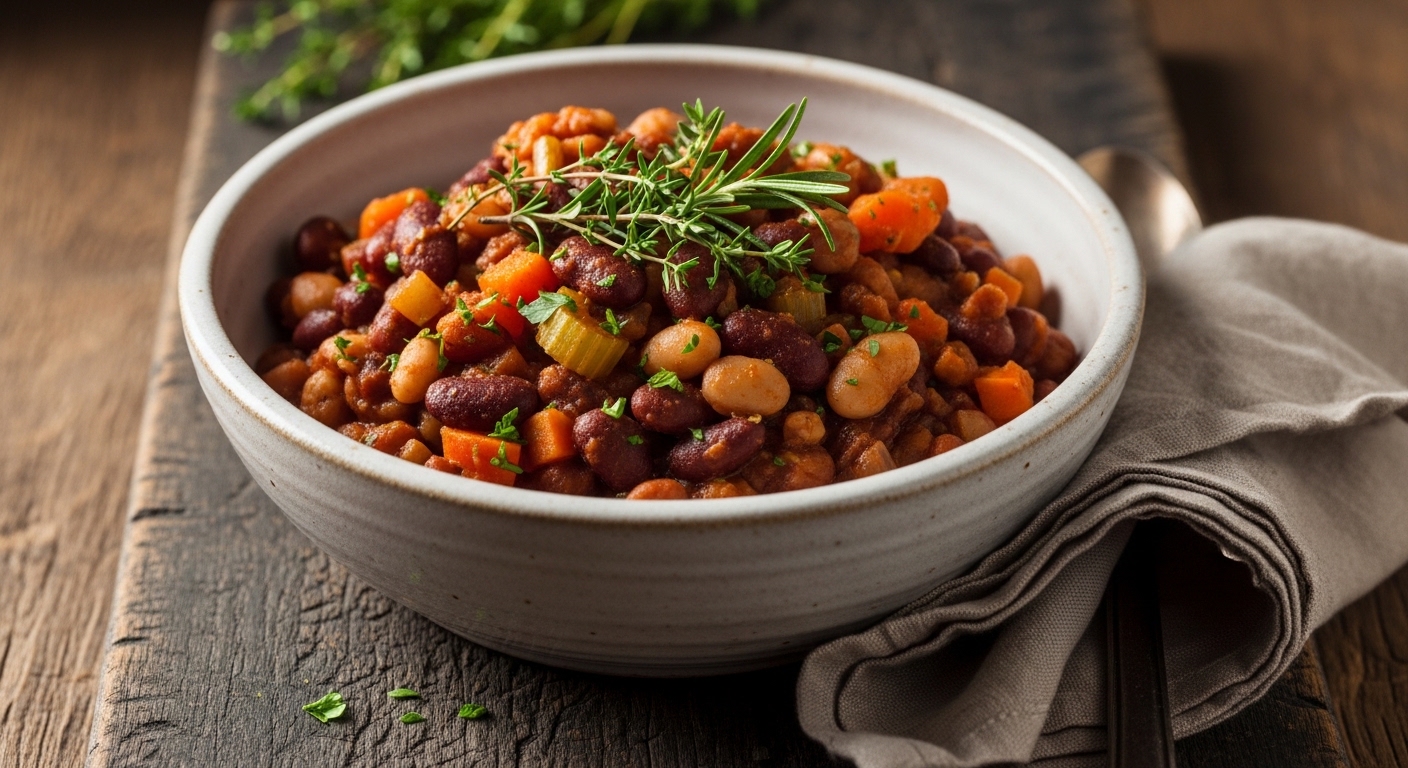
There’s something deeply satisfying about a slow-cooked bean ragout—especially one that feels like it’s been pulled straight from a farmhouse hearth. The **Rustic Bean Ragout** is more than just a side dish; it’s a celebration of humble ingredients transformed into something rich, aromatic, and deeply nourishing. With its earthy flavors, tender legumes, and fragrant herbs, this dish has become a staple in home kitchens across Europe, particularly in France and Italy, where simplicity meets soulful cooking. Whether you’re feeding a family or hosting friends, the rustic bean ragout delivers warmth on a plate—no fancy techniques required.
This recipe embraces the beauty of imperfection: slightly uneven chunks of vegetables, beans that are plump but not mushy, and a sauce that clings thickly to every spoonful. It’s the kind of meal that tastes even better the next day as flavors meld together. And yes—it’s perfect for meal prep, freezing beautifully, and bringing new life to your pantry staples.
Why You’ll Love This Rustic Bean Ragout
– One-Pot Wonder: Minimal cleanup, maximum flavor.
– Pantry-Friendly: Uses affordable, shelf-stable ingredients.
– Vegan & Gluten-Free: Naturally plant-based and safe for dietary restrictions.
– Customizable: Swap beans, veggies, or spices to suit your taste.
– Comfort Food at Its Finest: Ideal for chilly evenings, busy weekdays, or cozy weekend dinners.
Quick Recipe Summary Table
| Prep Time | 20 minutes |
| Cook Time | 90 minutes |
| Total Time | 1 hour 50 minutes |
| Servings | 6–8 |
| Cuisine | French-inspired / Mediterranean |
| Course | Main Course / Side Dish |
| Calories (approx.) | 280 per serving |
Essential Ingredients You’ll Need
Here’s what makes this rustic bean ragout shine:
- 2 cups dried white beans (cannellini or navy) – soaked overnight, then drained
- 1 large onion, diced
- 3 garlic cloves, minced
- 2 medium carrots, chopped
- 2 celery stalks, sliced
- 1 large tomato, peeled and diced (or 1 cup canned crushed tomatoes)
- 1 smoked sausage (optional, for non-vegan version) – such as kielbasa or chorizo
- 4 cups vegetable broth
- 2 bay leaves
- 1 sprig fresh thyme
- 1 sprig fresh rosemary
- 3 tbsp olive oil
- Salt and black pepper to taste
- 1 tbsp tomato paste
- 1 tsp smoked paprika (optional, adds depth)
Step-by-Step Cooking Instructions
- Soak and Prep Beans: If using dried beans, soak them overnight in cold water with a pinch of baking soda. Drain and rinse before use. If using canned beans (a time-saver!), drain and rinse well.
- Sauté Aromatics: Heat olive oil in a large Dutch oven or heavy-bottomed pot over medium heat. Add onions, carrots, and celery. Cook for 7–8 minutes until softened and lightly golden. Stir in garlic and cook for another minute.
- Add Depth with Tomato Paste: Stir in tomato paste and smoked paprika, cooking for 1–2 minutes to deepen the flavor.
- Combine All Ingredients: Add beans, tomatoes, bay leaves, thyme, rosemary, and vegetable broth. Bring to a gentle boil.
- Simmer Low and Slow: Reduce heat to low, cover partially, and let simmer for 1 to 1.5 hours. Stir occasionally. The beans should be tender but not falling apart.
- Optional Meat Addition: If using sausage, slice it and add during the last 30 minutes of cooking so it doesn’t get too greasy or break apart.
- Taste and Adjust: Remove herb stems and bay leaves. Season with salt and pepper. Thicken the sauce by crushing some beans against the side of the pot if desired.
- Serve Warm: Ladle into bowls and enjoy immediately.
Chef Tips for Perfect Rustic Bean Ragout
– Use a Pressure Cooker?: Cook beans in an Instant Pot for 25 minutes on high pressure. Add veggies and seasonings after, then pressure cook for 10 more minutes.
– Don’t Rush the Simmer: Low and slow is key. High heat can cause beans to split or the sauce to evaporate too quickly.
– Crush Some Beans: For a thicker, more rustic texture, mash a few beans directly into the pot while stirring.
– Flavor Boost: Deglaze the pot with a splash of red wine or balsamic vinegar after sautéing the aromatics for extra richness.
– Fresh Herbs Matter: Always add them at the end or mid-cooking—not at the beginning—to preserve their fragrance.
Common Mistakes to Avoid
- Not Soaking Dried Beans: Skipping soaking leads to unevenly cooked beans and extended cooking times.
- Overcooking Beans: Check for tenderness every 20 minutes. Overcooked beans lose structure and make the ragout watery.
- Skipping Acid: A splash of lemon juice or apple cider vinegar at the end brightens the dish and balances the richness.
- Using Too Much Salt Early: Add salt gradually during cooking to avoid overly salty beans.
Ingredient Substitutions & Variations
Vegan Version:
Replace sausage with diced mushrooms or tempeh. Use vegetable broth only.
Indian-Inspired Twist:
Add 1 tbsp garam masala, cumin, coriander, and turmeric. Serve with basmati rice and naan.
Italian Style:
Swap carrots for zucchini, add a splash of white wine, and finish with fresh basil. Serve with crusty bread.
Healthier Light Version:
Reduce oil to 1 tbsp, use less tomato paste, and increase water or broth for a lighter sauce.
For Beginners:
Use canned beans and pre-chopped frozen mixed vegetables to cut down prep time.
Serving Suggestions
Pair this hearty rustic bean ragout with:
- Crusty Sourdough Bread: Perfect for sopping up the flavorful sauce.
- Polenta or Rice: Soft, creamy polenta balances the robust flavors.
- Grilled Vegetables: Zucchini, eggplant, and bell peppers add color and nutrition.
- A Fresh Salad: A simple arugula salad with lemon vinaigrette cuts through the richness.
Storage & Reheating Tips
– Refrigeration: Store in an airtight container for up to 5 days. The flavor improves over time.
– Freezing: Freeze for up to 3 months. Thaw overnight in the fridge and reheat gently on the stovetop.
– Reheating: Never microwave—it can make beans soggy. Instead, warm over low heat with a splash of broth or water to revive the sauce.
Nutrition Facts (Approximate Per Serving)
- Calories: 280
- Protein: 14g
- Carbohydrates: 45g
- Fiber: 12g
- Fat: 6g
- Sodium: 480mg (adjust based on broth and salt used)
- Vitamin C: 25% DV
- Iron: 20% DV
Frequently Asked Questions (FAQs)
1. Can I make this ahead of time?
Absolutely! This ragout tastes even better the next day as flavors deepen. Store in the fridge for up to 5 days or freeze for 3 months.
2. What’s the best type of beans for a rustic bean ragout?
Cannellini, Great Northern, or navy beans work best—they hold their shape well and absorb flavor beautifully.
3. Is this recipe gluten-free?
Yes, as written, it’s naturally gluten-free—just ensure your vegetable broth and any optional meats are certified GF.
4. Can I use canned beans instead of dried?
Yes! Use 4–5 cans (about 14 oz each), drained and rinsed. Reduce cooking time by 30–45 minutes.
5. How do I prevent my beans from turning mushy?
Don’t overcook. Test beans every 20–30 minutes. Also, avoid stirring too much once boiling starts—this helps prevent splitting.
Key Takeaways
- The Rustic Bean Ragout is a timeless comfort dish rooted in simplicity and flavor.
- It’s versatile, nutritious, and easy to customize—perfect for vegans, meat-eaters, and anyone seeking wholesome meals.
- With minimal prep and maximum payoff, it’s ideal for weeknight dinners or batch cooking.
- This one-pot wonder brings together legumes, vegetables, and herbs into a deeply satisfying bowl.
Conclusion: Embrace the Rustic Spirit
There’s magic in a pot simmering on the stove—the gentle bubbling, the aroma rising through the kitchen, the promise of a meal made with care. The Rustic Bean Ragout isn’t about perfection; it’s about connection, nourishment, and tradition. Whether you’re cooking for one or a crowd, this dish proves that the best meals come from the heart—and sometimes, a little bit of dirt under the fingernails.
So grab a wooden spoon, gather your ingredients, and let the slow simmer do the rest. Your taste buds (and your guests) will thank you. And remember—next time, try adding a splash of wine or a pinch of smoked paprika. After all, cooking is as much art as it is science… and a little experimentation makes it all the more delicious.