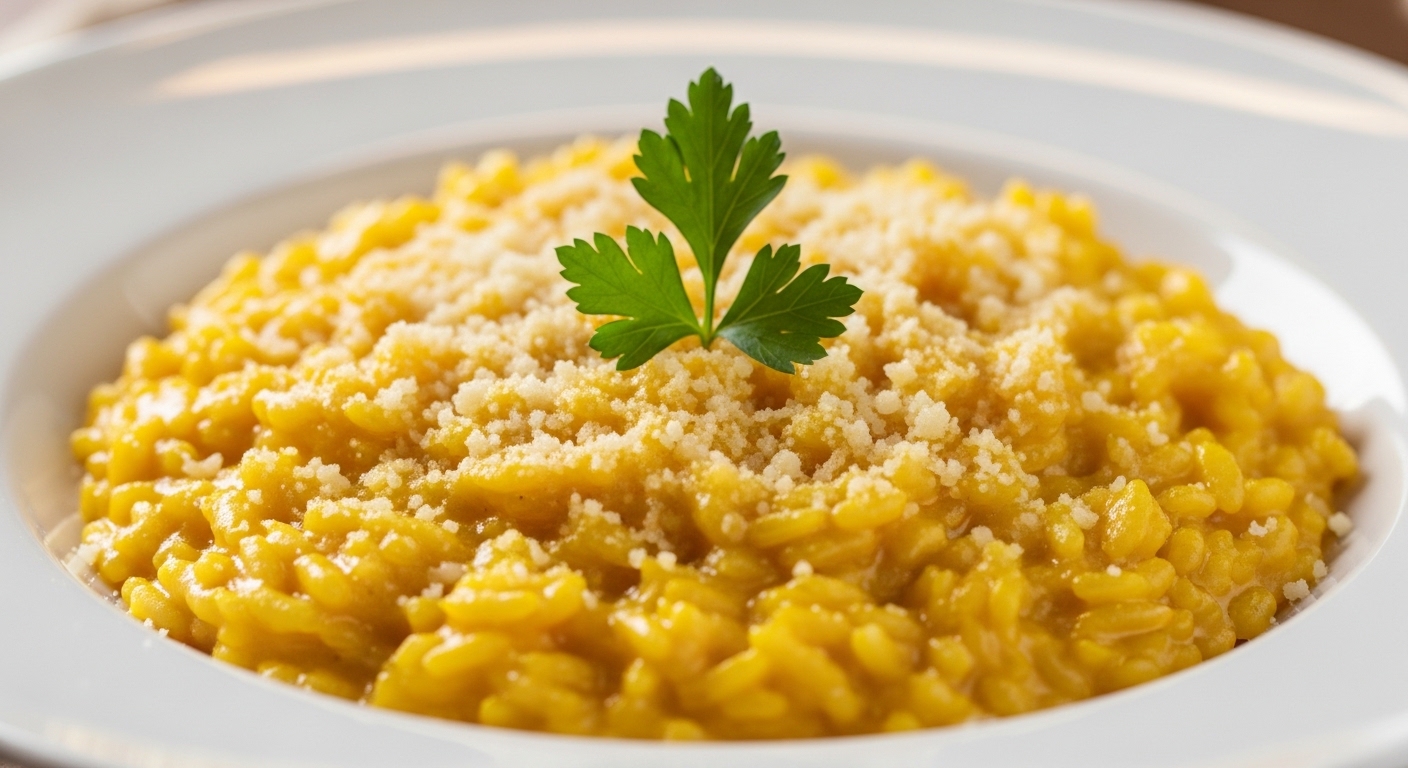
Imagine a dish so iconic, it’s practically synonymous with the city of Milan itself. Picture creamy, saffron-kissed rice grains nestled in a rich, buttery broth, each bite bursting with the earthy aroma of Parmigiano-Reggiano and the subtle sweetness of onion. Welcome to Risotto Milanese—a culinary masterpiece that has graced tables from Milanese trattorias to global fine-dining restaurants. Known for its golden hue, velvety texture, and bold flavor profile, this classic Italian risotto is more than just a side dish; it’s a celebration of tradition, technique, and time-honored craftsmanship.
Risotto Milanese, or *risotto alla milanese*, traces its roots back to the Lombardy region of Italy. Legend has it that the dish was born in the 15th century when saffron—then considered a luxury spice—was introduced to Milanese cuisine. Over centuries, it evolved into the refined version we know today, where Arborio or Carnaroli rice is slowly cooked in a flavorful broth, stirred constantly until al dente perfection. What makes this dish truly special isn’t just its taste—it’s the ritual of its preparation, the balance of ingredients, and the way it transforms simple components into something extraordinary.
Whether you’re hosting an elegant dinner party or craving comfort food with a gourmet twist, mastering Risotto Milanese is a rewarding experience. Let’s dive into everything you need to know about making this luxurious Italian staple at home.
Quick Recipe Summary Table
- Prep Time: 10 minutes
- Cook Time: 20–25 minutes
- Total Time: 30–35 minutes
- Servings: 4
- Cuisine: Italian (Lombard)
- Course: Main Course / Side Dish
- Calories (approx.): 480 kcal per serving
Ingredients You’ll Need
To create authentic Risotto Milanese, gather these precise ingredients:
For the Risotto:
- 4 cups (950 ml) warm chicken or vegetable stock (preferably homemade)
- 2 tablespoons unsalted butter
- 1 medium yellow onion, finely chopped
- 1½ cups (300 g) Arborio or Carnaroli rice
- ¼ teaspoon high-quality saffron threads, soaked in 2 tablespoons warm water for 15 minutes
- ½ cup (120 ml) dry white wine (such as Pinot Grigio or Sauvignon Blanc)
- ¾ cup (75 g) freshly grated Parmigiano-Reggiano cheese
- Salt and freshly ground black pepper to taste
- Extra virgin olive oil (optional, for finishing)
Garnish (Optional):
- Fresh parsley, chopped
- Additional Parmigiano-Reggiao shavings
Step-by-Step Instructions
Follow these simple yet essential steps to achieve restaurant-quality Risotto Milanese:
- Prepare Your Broth: Begin by warming your stock over low heat. Keeping it simmering gently ensures consistent cooking temperature throughout the process.
- Sauté the Onion: In a heavy-bottomed saucepan, melt 1 tablespoon of butter over medium heat. Add the finely chopped onion and cook until translucent and fragrant—about 3–4 minutes. Avoid browning, as it will affect the final flavor.
- Add Rice and Toast It: Stir in the Arborio or Carnaroli rice and let it toast for 1–2 minutes. This step helps develop starch content, which is crucial for creaminess. Make sure every grain is coated with fat.
- Introduce Saffron and Wine: Pour in the soaked saffron along with its infused water. Then add the white wine. Stir continuously until the liquid is fully absorbed by the rice.
- Build the Creamy Base: Begin adding the warm broth one ladleful at a time. Stir frequently and allow each addition to be almost completely absorbed before adding the next. Continue this process for approximately 18–20 minutes until the rice reaches an al dente consistency—tender inside but with a slight bite.
- Finish with Cheese and Butter: Once the rice is cooked, remove the pan from heat. Stir in the remaining 1 tablespoon of butter and the grated Parmigiano-Reggiano. The residual heat will melt the cheese seamlessly into the risotto, creating a glossy, velvety finish.
- Taste and Adjust: Season lightly with salt and pepper. Remember that Parmesan already adds saltiness, so go easy on additional salting.
- Serve Immediately: Plate the Risotto Milanese right away while hot. Garnish with extra cheese and a drizzle of olive oil if desired.
Chef Tips for Perfect Risotto Milanese
Mastering Risotto Milanese takes practice, but following these expert tips will elevate your results every time:
- Use Cold Stock Wisely: Some chefs recommend starting with cold stock and gradually bringing it up to temperature. However, most modern versions use pre-warmed broth for faster absorption.
- Stir Constantly (But Not Too Much): Gentle, frequent stirring releases starches naturally, creating that signature creaminess. Avoid vigorous whisking, which can break down the rice too much.
- Quality Matters Most: Use real saffron—not substitutes like turmeric. Real saffron delivers floral notes and the authentic golden color.
- Don’t Rush the Cooking Process: Resist the urge to speed things up. Slow, steady cooking yields superior texture and flavor integration.
- Plate Hot and Fast: Risotto loses its luster quickly once removed from heat. Serve immediately for optimal mouthfeel and shine.
Common Mistakes to Avoid
Even experienced cooks make errors when preparing Risotto Milanese. Here are the most common pitfalls:
- Using Low-Starch Rice: Rice like Jasmine or Basmati lacks the necessary starch to create creaminess. Always use Arborio or Carnaroli.
- Adding All Stock at Once: Doing so leads to uneven cooking—some grains stay hard while others become mushy. Add stock gradually.
- Neglecting to Taste Along the Way: Regular tasting ensures proper seasoning and doneness.
- Overcooking the Rice: The goal is al dente—rice should still have a slight resistance when bitten. Overcooked risotto becomes gluey and loses elegance.
- Skipping the Final Emulsion Step: Adding cold butter and cheese off-heat without stirring thoroughly results in a greasy, uncohesive texture.
Ingredient Substitutions & Variations
While traditional Risotto Milanese remains unmatched, here are smart swaps and creative twists:
Substitutions:
- Vegetarian/Vegan Option: Replace chicken stock with mushroom or vegetable broth. For vegan risotto, omit Parmesan and use nutritional yeast or a plant-based cheese alternative.
- Saffron Alternatives: If unavailable, you can simulate color using turmeric (use sparingly), but skip if authenticity is key.
- Dairy-Free Version: Swap butter with olive oil and Parmesan with cashew-based cheese or extra nutritional yeast.
Variations:
- Seafood Risotto Milanese: Fold in cooked scallops or shrimp during the last minute of cooking.
- Mushroom Risotto Milanese: Sauté wild mushrooms (like porcini) with the onions for added umami depth.
- Spicy Twist: Add a pinch of red pepper flakes during the sauté stage for a subtle kick.
Serving Suggestions
Risotto Milanese shines as both a standalone main course or a luxurious accompaniment. Pair it with:
- Grilled Chicken Piccata—citrusy and bright, balancing the richness.
- Braised Beef Short Ribs—perfect for a hearty family meal.
- Roasted Asparagus or Artichokes—for a seasonal spring pairing.
- White Wine: A crisp Pinot Grigio or Vermentino complements the dish beautifully.
For an authentic touch, serve with a slice of crusty bread to soak up any leftover sauce.
Storage and Reheating Instructions
Despite its delicate texture, Risotto Milanese can be stored—though freshness is ideal:
- Refrigeration: Store leftovers in an airtight container for up to 2 days. The surface may harden slightly due to starch retrogradation.
- Reheating Method: Gently reheat in a saucepan over low heat, adding a splash of warm broth or milk to restore creaminess. Stir constantly to prevent sticking.
- Microwave Caution: Not recommended—microwaving often results in uneven heating and loss of texture.
Nutrition Facts (Approximate Per Serving)
- Calories: 480 kcal
- Total Fat: 16 g (Saturated Fat: 8 g)
- Carbohydrates: 68 g (Dietary Fiber: 2 g, Sugars: 4 g)
- Protein: 12 g
- Cholesterol: 35 mg
- Sodium: 420 mg
- Calcium: 180 mg
- Iron: 1.5 mg
Frequently Asked Questions (FAQs)
1. Can I make Risotto Milanese ahead of time?
It’s best served immediately, but you can prepare it a few hours in advance and gently reheat with added broth. Avoid refrigeration for long periods, as it affects texture.
2. Why is my risotto watery?
Watery risotto usually results from adding too much liquid at once or not allowing enough time between additions. Stick to gradual broth incorporation and stir consistently.
3. Is saffron absolutely necessary?
Authentic Risotto Milanese requires real saffron for color and flavor. While alternatives exist, they won’t replicate the traditional taste.
4. Can I freeze Risotto Milanese?
Freezing is possible for up to one month, but the texture may suffer upon thawing. Reheat slowly with extra liquid to revive creaminess.
5. What’s the difference between Carnaroli and Arborio rice?
Carnaroli is considered the gold standard for risottos—it holds shape better and releases more starch. Arborio is widely available and performs well too, especially in home kitchens.
Conclusion: Bring Milan Home Tonight
There’s something deeply satisfying about standing at the stove, stirring a pot of golden, aromatic Risotto Milanese. It’s more than a recipe—it’s an experience. The patience required, the sensory delight of watching the rice transform under careful attention, and the final reward of a bowl brimming with Italian soul.
Whether you’re drawn to its luxurious texture, rich history, or vibrant flavor, there’s no denying the magic of Risotto Milanese. So roll up your sleeves, grab your favorite knife, and let this iconic dish transport you straight to the heart of northern Italy. Your taste buds (and dinner guests) will thank you.
Now go ahead—make yourself a plate. Buon appetito!