Reykjavik Lamb Plate: A Nordic Masterpiece of Flavor and Tradition
Picture this: crisp Icelandic air, the golden glow of a winter sun dipping below the horizon, and the rich, earthy aroma of slow-cooked lamb filling your kitchen. That’s the essence of Reykjavik Lamb Plate—a dish so deeply rooted in Icelandic culinary heritage that it feels like a warm embrace from the North Atlantic itself. This isn’t just a meal; it’s a celebration of land, sea, and fire—crafted with the purest ingredients nature provides.
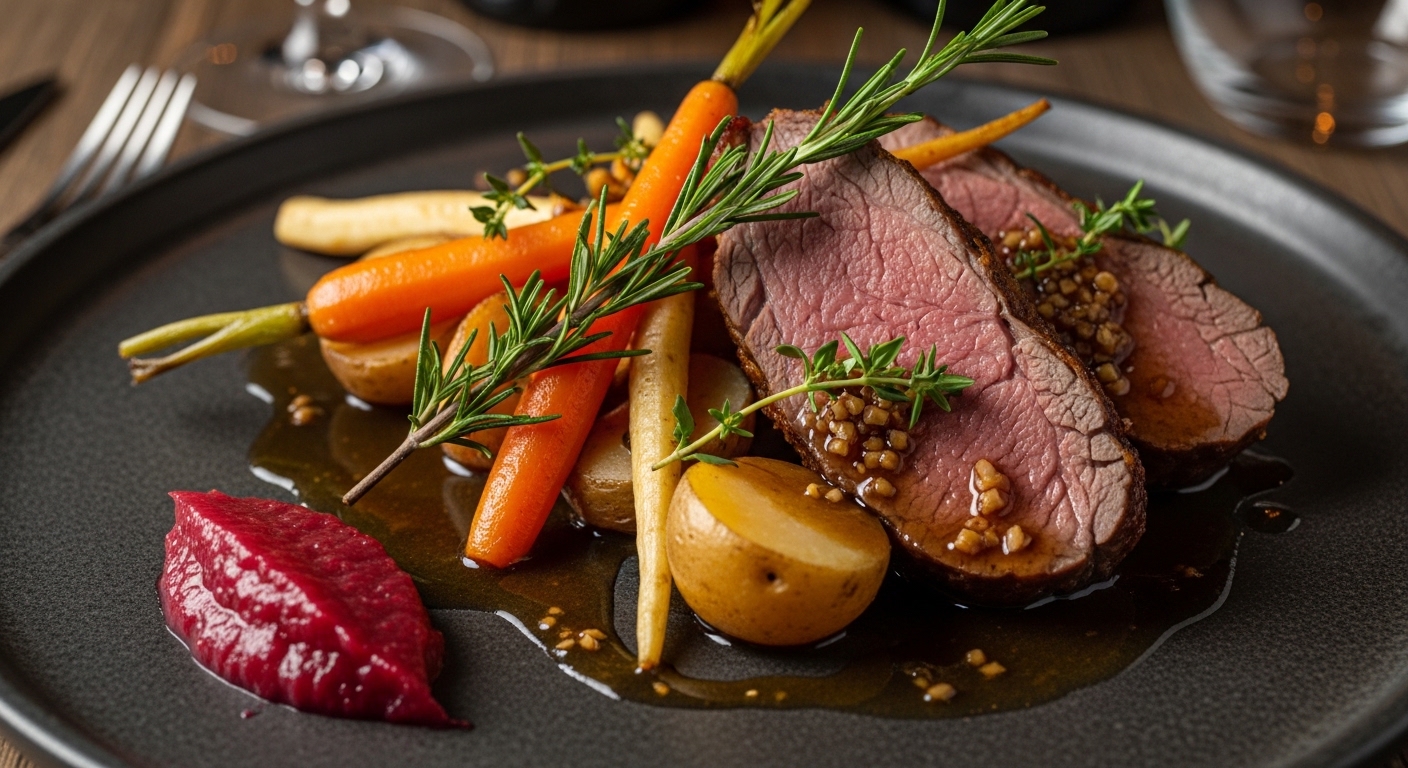
But what exactly is Reykjavik Lamb Plate? Simply put, it’s a hearty, slow-roasted leg of lamb seasoned with traditional spices, root vegetables, and herbs, cooked low and slow until every shred of meat falls off the bone. Originating from Iceland’s capital city, Reykjavik, this dish embodies the spirit of Nordic comfort food—simple, sustainable, and soul-warming. Whether served at a cozy family dinner or a festive gathering, Reykjavik Lamb Plate delivers bold flavors and rustic elegance in every bite.
In this article, we’ll take you through an authentic recipe, explore its cultural significance, share expert chef tips, and even suggest creative twists to make it your own. Ready to bring a taste of Iceland into your kitchen?
Quick Recipe Summary Table
| Prep Time | 20 minutes |
| Cook Time | 3 hours |
| Total Time | 3 hours 20 minutes |
| Servings | 6 |
| Cuisine | Icelandic / Nordic |
| Course | Main Course |
| Calories (approx.) | 480 per serving |
What Makes Reykjavik Lamb Plate So Special?
Unlike other lamb dishes that rely on heavy sauces or complex marinades, Reykjavik Lamb Plate shines through simplicity. The key lies in the quality of the lamb—free-range, grass-fed, and raised in Iceland’s pristine landscapes. This gives the meat a unique mineral-rich flavor, often described as “gamey” but never harsh. When slow-cooked with onions, carrots, potatoes, and aromatic herbs like thyme and bay leaf, the result is tender, juicy, and deeply satisfying.
The dish also reflects Iceland’s deep connection to seasonal eating and resourcefulness. In winter, when fresh produce is scarce, root vegetables are preserved or dried, making them perfect companions to rich meats. Today, Reykjavik Lamb Plate is a staple in Icelandic homes and fine restaurants alike—proof that tradition never goes out of style.
Ingredients You’ll Need
For an authentic Reykjavik Lamb Plate, gather these ingredients:
- 2 kg (4.4 lbs) leg of lamb (bone-in for best flavor)
- 4 large Yukon Gold potatoes, peeled and quartered
- 3 large onions, sliced
- 6 medium carrots, cut into chunks
- 4 garlic cloves, minced
- 2 tbsp fresh rosemary, chopped
- 3 bay leaves
- 1 tbsp smoked paprika (Icelandic-style preferred)
- 1 tsp black peppercorns
- 2 tbsp sea salt (preferably Icelandic fleur de sel)
- 3 cups low-sodium chicken or lamb stock
- ¼ cup dry white wine (optional, for depth)
- 3 tbsp unsalted butter
- 2 tbsp olive oil
Step-by-Step Cooking Instructions
Step 1: Prepare the Lamb
Pat the lamb dry with paper towels. In a small bowl, mix smoked paprika, 1 tbsp salt, black peppercorns (crushed lightly), and minced garlic. Rub this spice blend generously over the entire surface of the lamb. Let it rest at room temperature while you prep the vegetables.
Step 2: Sauté the Aromatics
Heat olive oil and butter in a large Dutch oven or heavy pot over medium heat. Add the sliced onions and cook until soft and golden—about 8–10 minutes. Stir occasionally to prevent burning.
Step 3: Sear the Lamb
Increase heat to medium-high. Place the lamb fat-side down into the pot. Sear for 5–7 minutes until golden brown. Flip and sear the other side for another 5 minutes. This locks in juices and builds flavor.
Step 4: Add Vegetables and Liquid
Push the lamb to one side. Add potatoes, carrots, and rosemary. Pour in the stock and white wine (if using). Bring to a gentle simmer, then add bay leaves.
Step 5: Slow Cook
Cover the pot and transfer to a preheated oven at 160°C (320°F). Roast for 2.5 to 3 hours, or until the lamb reaches an internal temperature of 75°C (165°F) and pulls easily from the bone.
Step 6: Rest and Serve
Remove from oven. Let the lamb rest for 20 minutes before carving. Skim excess fat from the surface if desired. Serve hot with the roasted vegetables spooned around the meat.
Chef Tips for Perfect Results
- Use a Meat Thermometer: Overcooking is common with slow-roasts. A thermometer ensures perfect doneness without drying out the meat.
- Don’t Skip the Searing: Maillard reaction during searing creates complex flavors that elevate the entire dish.
- Choose High-Quality Stock: Homemade or artisanal stock makes a huge difference in depth of flavor.
- Let It Rest: Rushing the resting phase squeezes out precious juices. Patience pays off!
- Carve Against the Grain: This keeps slices tender and easy to eat.
Common Mistakes to Avoid
- Underseasoning: Icelandic cooking relies on bold, natural flavors. Don’t be shy with salt and herbs.
- Overcrowding the Pot: Too many vegetables can lower the temperature and extend cooking time.
- Skipping the Wine (if using): A splash adds acidity and complexity—don’t omit it for balance.
- Opening the Oven Too Often: Each opening causes heat loss, disrupting the slow cook process.
Ingredient Substitutions & Variations
Vegetarian/Vegan Version
Replace lamb with large portobello mushrooms or king oyster mushrooms. Marinate in soy sauce, smoked paprika, and thyme for umami depth. Use vegetable stock instead of lamb broth.
Indian-Inspired Twist
Add garam masala, cumin, and turmeric to the spice rub. Include diced tomatoes and green chilies. Serve with basmati rice and naan.
Healthier Low-Fat Option
Use leaner cuts like shoulder or loin. Reduce butter by half and use Greek yogurt as a garnish. Double the vegetable ratio for fiber.
Beginner-Friendly Simplification
Use a slow cooker instead of oven roasting. Just sear the lamb first, add all ingredients, set on low for 6–8 hours, and forget about it!
Serving Suggestions
Pair Reykjavik Lamb Plate with:
- Crusty rye bread or flatbreads for soaking up juices
- A crisp Sauvignon Blanc or Icelandic skyr-based dip
- Pickled red cabbage or lingonberry jam for tangy contrast
- Steamed kale or braised spinach on the side
Storage & Reheating Instructions
Store leftovers in an airtight container in the fridge for up to 4 days. Reheat gently on the stovetop with a splash of stock or water to restore moisture. Do not microwave—it dries out the meat. For best results, reheat in a covered dish at 150°C (300°F) for 20–25 minutes.
Nutrition Facts (Approximate Per Serving)
- Calories: 480
- Protein: 38g
- Fat: 24g
- Carbohydrates: 22g
- Fiber: 4g
- Sodium: 920mg
- Iron: 3.2mg
Key Takeaways
- Reykjavik Lamb Plate is a slow-cooked, herb-seasoned lamb dish rooted in Icelandic tradition.
- The key to success lies in high-quality lamb, proper searing, and low-and-slow roasting.
- It’s naturally rich but balanced by earthy vegetables and aromatic spices.
- With simple swaps, it can become vegetarian, healthier, or globally inspired.
- This recipe brings warmth, history, and flavor to any table—especially in colder months.
Frequently Asked Questions
1. Is Reykjavik Lamb Plate difficult to make?
Not at all! While it requires time and attention to detail, the steps are straightforward. With basic kitchen tools and patience, anyone can master it.
2. Can I use a slow cooker instead of an oven?
Absolutely! After searing the lamb, transfer everything to a slow cooker. Cook on low for 6–8 hours or high for 4–5 hours. Just ensure the liquid covers the meat.
3. What’s the difference between Icelandic lamb and regular lamb?
Icelandic lamb is typically grass-fed, free-range, and raised in volcanic soil, which imparts a distinctive, slightly mineral-rich flavor often called “Icelandic mutton.”
4. How do I know when the lamb is done?
Insert a meat thermometer into the thickest part. It should read 75°C (165°F). The meat should also pull away from the bone easily when tested.
5. Can I freeze Reykjavik Lamb Plate?
Yes! Cool completely, portion, and freeze in airtight containers for up to 3 months. Reheat gently, adding stock if needed.
Conclusion: Bring a Taste of Iceland Home
Reykjavik Lamb Plate isn’t just a recipe—it’s an experience. It connects us to a land where seasons shape flavor, where respect for ingredients leads to greatness, and where a simple meal can feel like a journey. Whether you’re hosting a dinner party, seeking comfort after a long day, or simply curious about Nordic cuisine, this dish delivers on every front.
So roll up your sleeves, light the oven, and let that lamb roast low and slow. Before you know it, your home will smell like a Nordic winter evening—warm, inviting, and full of promise. And who knows? You might just discover your new favorite go-to main course.
Now go ahead—make Reykjavik Lamb Plate tonight. Your taste buds (and your guests) will thank you.