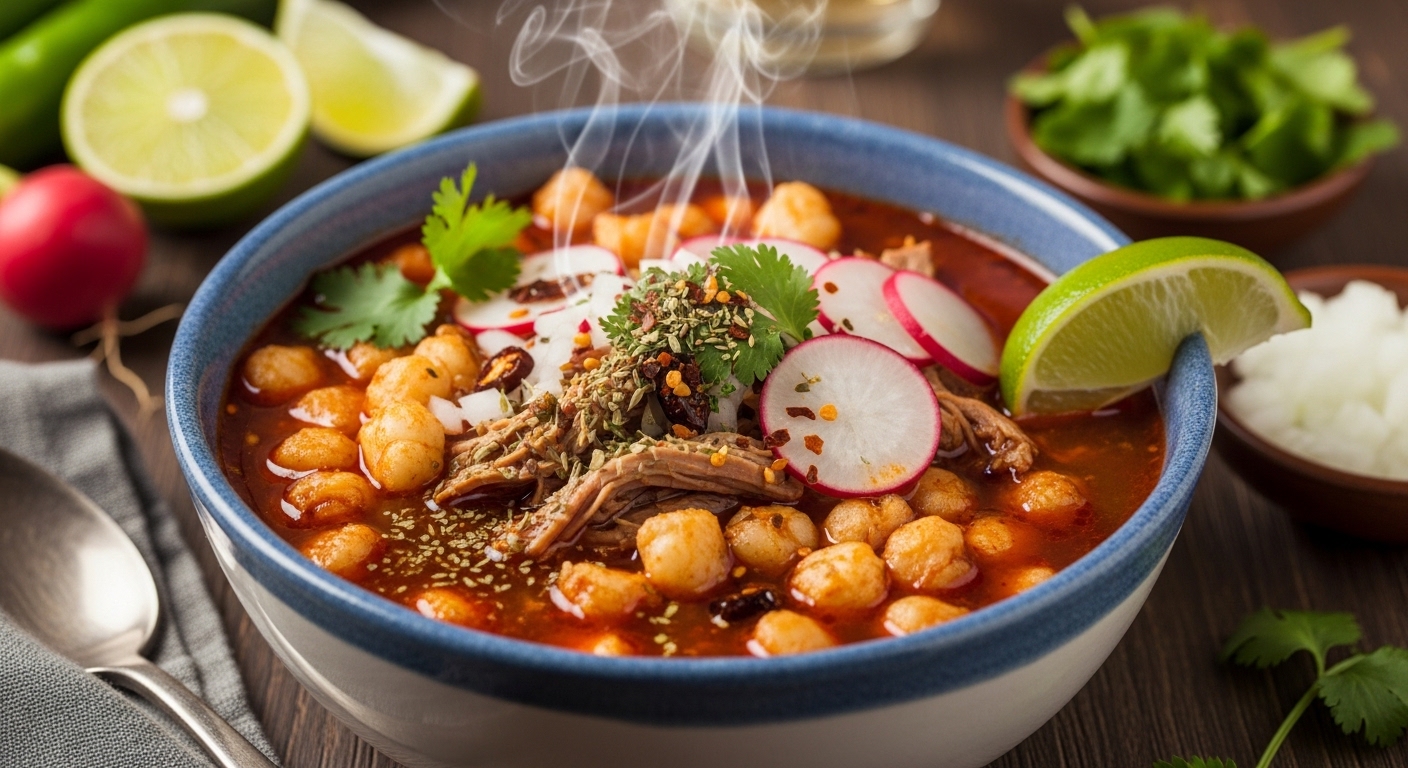
Imagine a steaming bowl of pozole dinner bowl, rich with tender pork, hominy, and smoky spices—each spoonful a celebration of Mexican culinary heritage. This vibrant, comforting stew has been a cornerstone of Mexican cuisine for centuries, bringing families together during holidays, festivals, and cozy weeknight dinners alike. With its bold flavors, nourishing ingredients, and deep cultural roots, the pozole dinner bowl isn’t just a meal—it’s an experience.
Whether you’re hosting a Cinco de Mayo gathering or simply craving something warm and satisfying, this recipe delivers authenticity without sacrificing ease. Packed with protein, fiber, and bold seasonings like chili powder, cumin, and oregano, it satisfies both your taste buds and your body. Let’s dive into how to make the perfect pozole dinner bowl that tastes like it came straight from Oaxaca.
Quick Recipe Summary
- Prep Time: 30 minutes
- Cook Time: 2 hours 30 minutes
- Total Time: 3 hours
- Servings: 6–8
- Cuisine: Mexican
- Course: Main Course / Stew
- Calories (approx.): 420 per serving
Ingredients You’ll Need
Making a delicious pozole dinner bowl starts with high-quality, fresh ingredients. Here’s everything you need:
- 2 lbs bone-in pork shoulder (or pork butt), cut into large chunks
- 1 lb dried white or red hominy (soaked overnight or quick-soaked)
- 1 large onion, quartered
- 4 cloves garlic, peeled
- 3–4 dried guajillo chiles, stems and seeds removed
- 2 dried ancho chiles, stems and seeds removed
- 1 tsp ground cumin
- 1 tsp Mexican oregano
- 1 tsp salt (plus more to taste)
- 1/2 tsp black pepper
- 8 cups chicken or pork stock (homemade preferred)
- Juice of 2 limes
- 1 avocado, diced
- 1 cup finely chopped cabbage
- 1/2 cup crumbled queso fresco or cotija cheese
- 1/4 cup chopped fresh cilantro
- 1–2 diced jalapeños or serrano peppers (optional, for heat)
- Lime wedges and radishes (for serving)
Step-by-Step Cooking Instructions
Cooking pozole may seem intimidating, but breaking it down into simple steps makes it approachable for home cooks of all levels.
1. Prepare the Chiles
Heat a dry skillet over medium heat. Toast the dried guajillo and ancho chiles for about 1–2 minutes until fragrant. Be careful not to burn them. Remove from heat and place in a bowl. Cover with hot water and let soak for 15–20 minutes until soft.
2. Blend the Sauce
Drain the soaked chiles and transfer them to a blender along with the cumin, oregano, garlic, and 1 teaspoon of salt. Blend with a little of the soaking liquid until smooth. Strain through a fine-mesh sieve for a silky texture.
3. Sear the Pork
In a large Dutch oven or heavy pot, sear the pork pieces on all sides over medium-high heat until browned (about 5 minutes). Add the onion and garlic cloves and cook another 2 minutes. This builds deep flavor—don’t skip it!
4. Simmer the Pozole
Add the blended sauce, stock, and hominy to the pot. Bring to a boil, then reduce heat to low. Cover and simmer for 1.5 to 2 hours, stirring occasionally, until the pork is fork-tender and falls apart easily.
5. Shred and Finish
Remove the pork from the pot and shred it with two forks. Return the shredded meat to the pot. Stir in lime juice and adjust salt and pepper to taste. Keep warm while preparing toppings.
6. Serve with Toppings
Ladle the pozole into bowls and top generously with cabbage, avocado, cilantro, cheese, and optional jalapeños. Serve with lime wedges and radishes on the side for extra brightness.
Chef Tips for the Best Pozole Dinner Bowl
- Soak the Hominy Properly: If you have time, soak dried hominy overnight. For quick prep, boil it in water for 15 minutes before adding to the stew.
- Toast Spices: Lightly toast whole cumin seeds before grinding for deeper aroma and flavor.
- Strain the Sauce: Skipping the strainer ensures a grit-free, luxurious broth.
- Adjust Heat: Control spiciness by removing seeds from chiles or using fewer ancho chiles.
- Make It Ahead: Pozole tastes even better the next day as flavors meld. Store in the fridge for up to 3 days.
Common Mistakes to Avoid
- Not Searing the Meat: This step is crucial—it adds richness and prevents a bland stew.
- Overcooking the Hominy: Add hominy late in cooking to keep it firm; otherwise, it becomes mushy.
- Skipping the Strain: Undissolved chile skins can give the soup an unpleasant texture.
- Using Too Much Salt Early: Taste as you go—adding salt at the end prevents over-salting.
- Ignoring Resting Time: Letting the finished dish rest 10 minutes allows flavors to settle.
Ingredient Substitutions & Variations
Want to customize your pozole dinner bowl? Here are some smart swaps:
- Vegetarian/Vegan Option: Replace pork with jackfruit or mushrooms. Use vegetable stock and add extra beans or lentils.
- Red Pozole: Use dried red chiles like New Mexico or mulato for a fruitier, milder heat.
- White Pozole: Traditional version uses white hominy and pork; skip the chiles if you prefer milder flavor.
- Chicken Version: Swap pork with bone-in chicken thighs—simmer 45 minutes instead of 2 hours.
- Spiralized Cabbage: For a fun twist, use a spiralizer to serve cabbage noodles instead of chopping.
Serving Suggestions
The beauty of pozole is its versatility. Pair it with:
- Warm corn tortillas or bolillos for dipping
- A side of refried beans or black beans
- Mexican rice for extra heartiness
- A cold Mexican beer or agua fresca
- Fresh fruit salad for balance
Serve immediately while hot for maximum comfort and flavor.
Storage and Reheating Instructions
Pozole stores beautifully! Refrigerate in an airtight container for up to 4 days. Freeze portions for up to 3 months.
To reheat, simmer gently on the stove with a splash of broth or water to restore consistency. Avoid microwaving—it can break down textures.
Nutrition Facts (Approximate Per Serving)
- Calories: 420
- Protein: 32g
- Fat: 24g
- Carbohydrates: 18g
- Fiber: 4g
- Sugar: 3g
- Sodium: 650mg
- Iron: 2.5mg
Key Takeaways
- Pozole dinner bowl is a traditional Mexican stew made with hominy and slow-cooked pork or chicken.
- The key to great flavor lies in toasting and blending dried chiles, searing the meat, and simmering slowly.
- This dish is highly customizable—try vegetarian, red, or white variations to suit your taste.
- Toppings like cabbage, avocado, and lime are essential for freshness and crunch.
- Pozole improves with time; make it ahead and enjoy richer flavors the next day.
Frequently Asked Questions (FAQs)
1. What exactly is hominy?
Hominy is dried maize (corn) kernels that have been treated with an alkali—traditionally lime—to remove the hull. This process, called nixtamalization, makes the corn more nutritious and gives pozole its signature texture and flavor.
2. Can I make pozole in a slow cooker?
Yes! After searing the pork, transfer everything to a slow cooker and cook on low for 6–8 hours. Add hominy in the last hour to prevent overcooking.
3. Is pozole gluten-free?
Yes, traditional pozole is naturally gluten-free, as it contains no wheat-based ingredients. Just ensure your stock and any added sauces are certified GF.
4. How do I know when my pozole is ready?
The pork should shred easily with a fork, and the hominy should be tender but still slightly firm. The broth should be thick and richly flavored.
5. Why does my pozole taste flat?
Flat flavor usually comes from skipping the searing step or using pre-ground spices instead of toasted ones. Always toast chiles and spices for depth.
Conclusion: Bring the Heart of Mexico Home
The pozole dinner bowl is more than just food—it’s a tradition, a comfort, and a connection to generations of Mexican cooks who perfected this humble yet powerful dish. Whether you’re celebrating a holiday or simply craving something soul-warming, this recipe delivers authentic flavor with minimal fuss.
Don’t be intimidated by the list of ingredients or the steps—once you try it, you’ll see how rewarding homemade pozole can be. And remember: the best part? Leftovers taste even better. So go ahead—make a big pot, invite friends over, and savor every steaming, spicy bite. Your taste buds will thank you.
Leave a Reply