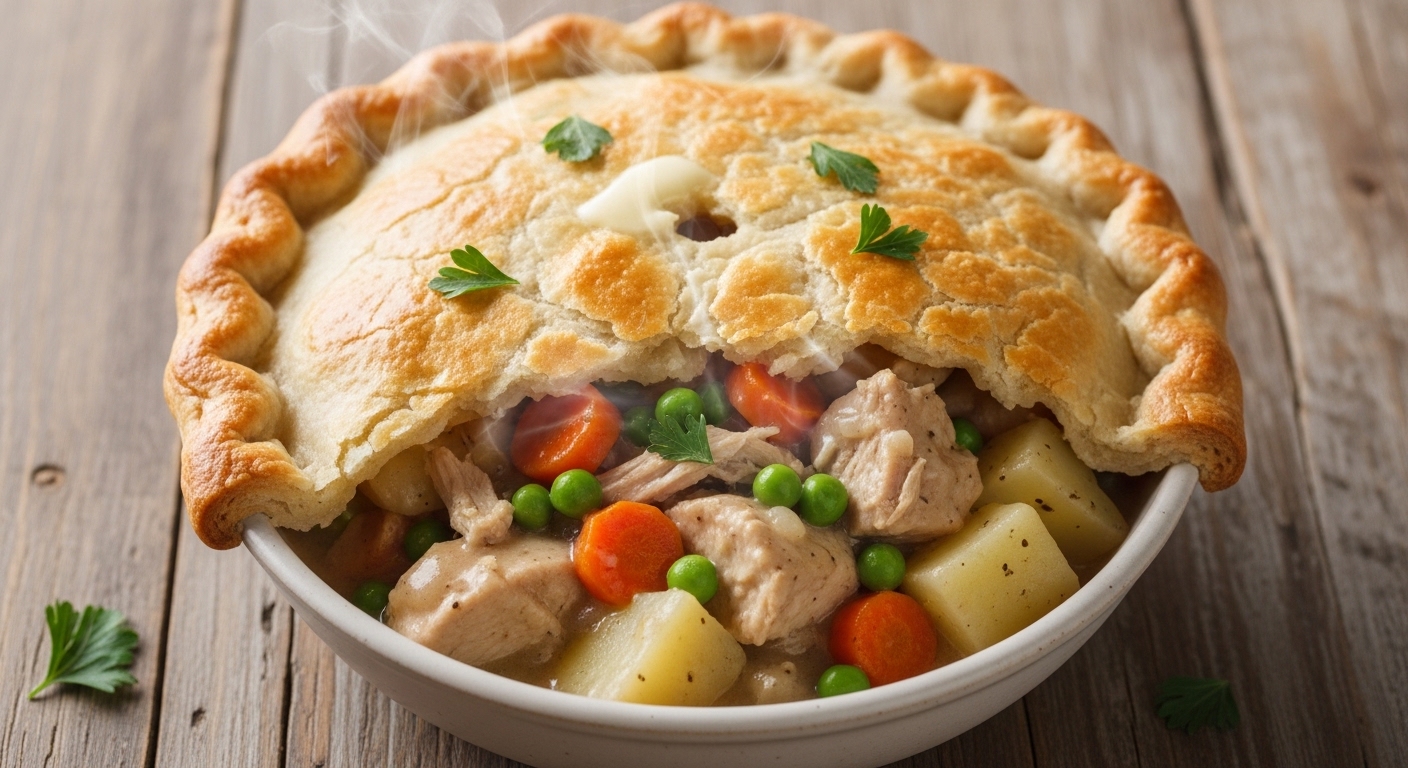
Pennsylvania Dutch Pot Pie: A Hearty, Homestyle Classic Rooted in Tradition
There’s nothing quite like the warm, savory embrace of a Pennsylvania Dutch pot pie on a chilly evening. This beloved comfort dish combines rich, slow-cooked meat and vegetables with a flaky, buttery crust—crafted with care using time-honored techniques passed down through generations. Whether you’re craving a taste of Amish heritage or simply looking for a satisfying one-pot meal, this classic recipe delivers deep flavor, rustic charm, and soul-warming satisfaction. Let’s dive into what makes Pennsylvania Dutch pot pie so special—and how you can recreate it at home with authenticity and ease.
What Is a Pennsylvania Dutch Pot Pie?
The Pennsylvania Dutch pot pie is more than just a meat pie—it’s a symbol of frugality, resourcefulness, and deep-rooted culinary tradition. Born out of necessity among Pennsylvania’s German-speaking settlers (known as “Pennsylvania Dutch,” though they weren’t actually Dutch), this dish was originally created to use up leftover meat, root vegetables, and pantry staples. Over time, it evolved into a comforting staple served in family kitchens and community gatherings alike.
Unlike modern frozen pot pies found in supermarkets, authentic Pennsylvania Dutch versions are made from scratch with fresh ingredients, slow-cooked fillings, and hand-rolled dough. The result? A golden-brown crust that shatters delightfully under the fork, revealing tender chunks of pork or beef stewed with onions, carrots, potatoes, and sometimes cabbage or green beans. Seasoned simply with salt, pepper, and bay leaf, the filling remains uncomplicated yet deeply flavorful—proof that simplicity often yields the best flavors.
Quick Recipe Summary
- Prep Time: 30 minutes
- Cook Time: 45 minutes
- Total Time: 1 hour 15 minutes
- Servings: 6
- Cuisine: American (Pennsylvania Dutch)
- Course: Main Dish
- Calories (approx.): 480 per serving
Ingredients You’ll Need
For the Filling:
- 2 lbs boneless pork shoulder or stew meat, cut into 1-inch cubes
- 2 tablespoons vegetable oil
- 2 medium onions, diced
- 3 large carrots, peeled and sliced
- 2 stalks celery, chopped
- 4 medium russet potatoes, peeled and cubed
- 1 cup chicken broth (low-sodium preferred)
- 1 teaspoon salt
- ½ teaspoon black pepper
- 1 teaspoon dried thyme
- 1 bay leaf
- Optional: ½ cup green peas or shredded cabbage
For the Crust:
- 2¼ cups all-purpose flour
- 1 teaspoon salt
- 1 cup cold unsalted butter, cubed (or lard for extra authenticity)
- ½ cup ice water
Step-by-Step Instructions
Step 1: Prepare the Filling
In a large Dutch oven or heavy-bottomed pot, heat the oil over medium-high heat. Add the pork cubes and sear until browned on all sides, about 5–7 minutes. Remove and set aside.
Step 2: Sauté the Vegetables
Reduce heat to medium. Add onions, carrots, and celery to the same pot. Cook until softened, about 8 minutes. Return the pork to the pot and stir in the cubed potatoes.
Step 3: Simmer the Stew
Pour in the chicken broth, then add salt, pepper, thyme, and bay leaf. Bring to a gentle boil, then reduce heat to low. Cover and simmer for 30–40 minutes, or until the meat is tender and the vegetables are cooked through. Stir occasionally and add a splash of water if needed. If using peas or cabbage, add them during the last 5 minutes of cooking.
Step 4: Make the Dough
While the filling simmers, prepare the crust. In a large bowl, combine flour and salt. Cut in the cold butter (or lard) using a pastry cutter or your fingertips until the mixture resembles coarse crumbs with pea-sized butter pieces.
Step 5: Form the Dough
Gradually add ice water, one tablespoon at a time, mixing gently until the dough comes together. Divide into two equal balls. Roll one ball into a circle slightly larger than your baking dish (about 9–10 inches). Place it into a greased 10-inch pie dish.
Step 6: Assemble the Pot Pie
Spoon the hot filling into the prepared dough-lined dish. Roll out the second dough ball and place it over the top. Pinch the edges firmly to seal, then trim any excess dough. Cut a few small slits in the top to allow steam to escape.
Step 7: Bake to Perfection
Preheat oven to 375°F (190°C). Brush the top crust lightly with beaten egg wash (optional) for a golden finish. Bake for 30–35 minutes, until the crust is golden brown and the filling bubbles around the edges.
Step 8: Rest and Serve
Let the pot pie rest for 10 minutes before slicing. This allows the filling to set slightly and prevents it from spilling when cut.
Chef Tips for Success
- Use Cold Butter or Lard: Keeping fats cold ensures a flaky, tender crust—not tough.
- Don’t Overwork the Dough: Handle the pastry as little as possible to avoid gluten development.
- Simmer Slowly: Low-and-slow cooking melts the pork fat, creating a rich, velvety texture.
- Test Doneness: Use a meat thermometer; pork should reach 145°F (63°C).
- Make Ahead: Fillings can be prepped and refrigerated 1 day ahead. Just assemble and bake before serving.
Common Mistakes to Avoid
- Warm Butter in the Dough: Warm butter melts too quickly, leading to a dense crust.
- Overcooking the Top Crust: Keep an eye on browning—use foil if needed.
- Skipping the Resting Time: Rushing cuts increases risk of a soggy bottom crust.
- Using Too Much Water: Excess liquid makes the filling watery instead of hearty.
Ingredient Substitutions & Variations
If you don’t have pork, try ground beef or chicken thighs. For a vegetarian version, skip the meat and double the vegetables—add mushrooms, bell peppers, or corn for extra depth. Swap chicken broth for beef broth for richer flavor. Some families add a pinch of caraway seed or mustard powder for a tangy twist.
Serving Suggestions
Serve your Pennsylvania Dutch pot pie hot right from the oven with a dollop of sour cream or a side of pickled red cabbage for brightness. It also pairs wonderfully with a simple green salad or warm apple pie for dessert.
Storage & Reheating
Store leftovers in an airtight container in the refrigerator for up to 4 days. To reheat, place slices in a baking dish, cover with foil, and warm at 350°F (175°C) for 20–25 minutes until steaming. Avoid microwaving—it can make the crust soggy.
Nutrition Facts (Approximate per Serving)
- Calories: 480
- Protein: 28g
- Carbohydrates: 36g
- Fat: 24g
- Fiber: 3g
- Sugar: 4g
- Sodium: 620mg
Key Takeaways
- The Pennsylvania Dutch pot pie blends tender meat, hearty vegetables, and flaky pastry in a deeply comforting dish rooted in tradition.
- Authentic versions prioritize simple ingredients and slow-cooked flavors over complex seasonings.
- Making the crust from scratch is key—cold butter and minimal handling yield the best results.
- This recipe is adaptable: swap proteins or go vegetarian, and still enjoy its classic appeal.
- It’s perfect for batch cooking, freezing, or sharing with loved ones.
FAQs
Can I make this in a slow cooker?
Yes! Brown the meat first, then transfer everything to a slow cooker. Cook on low for 6–8 hours until tender. Transfer to a pie dish and add the crust before baking.
Is “Pennsylvania Dutch” related to Holland?
No—“Dutch” here refers to the German-speaking immigrants who settled in Pennsylvania. They were never Dutch but called themselves “Deutsch,” meaning German.
Can I freeze the assembled pot pie?
Absolutely. Wrap tightly in plastic wrap and aluminum foil, then freeze for up to 3 months. Thaw overnight in the fridge before baking.
Why is my crust soggy?
Soggy crust usually means either too much liquid in the filling or not enough baking time. Try draining excess juices or extending bake time by 10 minutes.
What’s the difference between this and a shepherd’s pie?
Shepherd’s pie typically uses minced lamb and a mashed potato topping. This version uses chunky pork and a biscuit-style crust—more like a meat pie.
Conclusion
There’s magic in the way a Pennsylvania Dutch pot pie brings people together—whether it’s around a farmhouse table in Lancaster County or your own kitchen on a rainy Sunday. With just a few wholesome ingredients and a little patience, you can honor centuries-old traditions without complicated recipes or exotic spices. So roll up your sleeves, fire up the oven, and treat yourself to something truly nourishing. Trust us—once you’ve tasted the first warm bite, you’ll understand why this humble pie has stood the test of time.