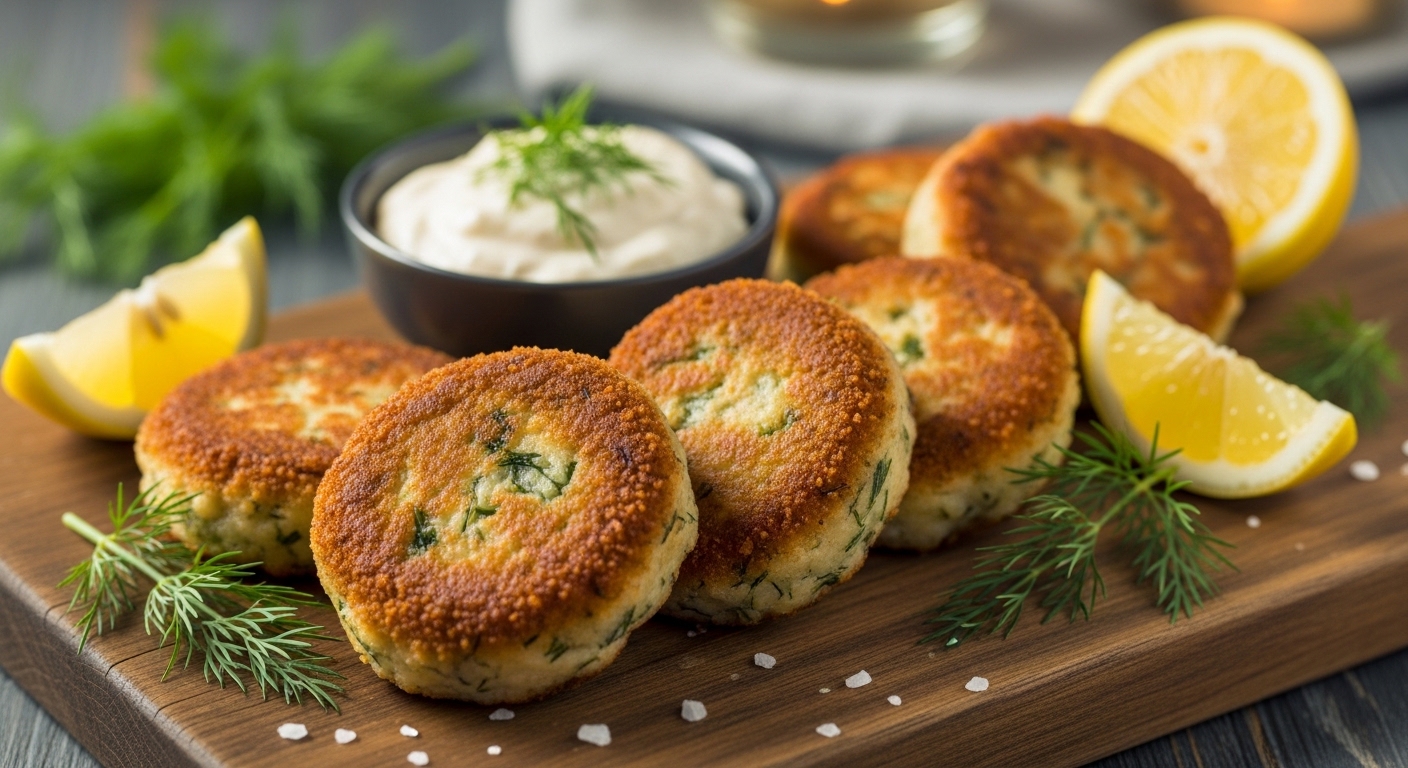
If you’re craving a dish that’s crispy on the outside, tender on the inside, and bursting with the fresh taste of the sea, Norwegian fish cakes are your answer. These golden-brown delicacies are a beloved staple in Norwegian cuisine, often served at family gatherings, festive meals, or as a comforting weeknight dinner. Made with flaky white fish, aromatic herbs, and a hint of cream, they offer a delicate yet satisfying bite that’s both rustic and refined.
Originating from Norway’s long coastal traditions, fish cakes have been a household favorite for generations. They’re not just delicious—they’re also incredibly versatile. Whether pan-fried, baked, or air-fried, these savory patties deliver a rich umami flavor that pairs beautifully with tangy remoulade, creamy dill sauce, or a simple squeeze of lemon.
In this detailed guide, you’ll learn how to make authentic Norwegian fish cakes from scratch, with step-by-step instructions, chef-approved tips, and clever variations to suit any diet. Whether you’re a seasoned cook or a beginner in the kitchen, this recipe will become a go-to in your repertoire.
Quick Recipe Summary
| Prep Time | 20 minutes |
| Cook Time | 15 minutes |
| Total Time | 35 minutes |
| Servings | 4 (makes 12–14 cakes) |
| Cuisine | Norwegian / Scandinavian |
| Course | Main Course, Appetizer |
| Calories (approx.) | 180 per serving (3 cakes) |
Ingredients for Authentic Norwegian Fish Cakes
This recipe uses simple, high-quality ingredients to highlight the natural flavor of the fish. For best results, use fresh cod or haddock—both are traditional in Norway and provide the perfect flaky texture.
- 500g (1.1 lbs) fresh white fish fillets (cod, haddock, or pollock), skin removed
- 150g (5 oz) raw peeled shrimp, finely chopped (optional but traditional)
- 1 large egg
- 100ml (⅓ cup + 1 tbsp) heavy cream or whole milk
- 1 small onion, finely grated
- 2 tbsp fresh dill, finely chopped
- 1 tsp lemon zest
- 1 tsp salt
- ½ tsp freshly ground black pepper
- ¼ tsp ground nutmeg (optional, for depth)
- 2 tbsp all-purpose flour (for binding)
- 3–4 tbsp breadcrumbs (panko or regular)
- 3 tbsp neutral oil (like canola or vegetable) for frying
- Lemon wedges and fresh dill, for serving
Step-by-Step Cooking Instructions
1. Prepare the Fish Mixture
Start by patting the fish fillets dry with paper towels. Cut them into small chunks and place in a food processor. Pulse a few times until the fish is coarsely ground—do not overprocess into a paste. You want a texture similar to ground meat, with small flakes still visible.
2. Combine Wet and Aromatic Ingredients
In a large mixing bowl, whisk the egg and cream together. Add the grated onion, chopped shrimp (if using), dill, lemon zest, salt, pepper, and nutmeg. Stir well to combine.
3. Add Fish and Binders
Add the processed fish to the bowl. Sprinkle in the flour and breadcrumbs. Use a spatula or your hands to gently mix everything until just combined. Be careful not to overmix—this keeps the cakes tender.
4. Chill the Mixture
Cover the bowl with plastic wrap and refrigerate for at least 30 minutes. Chilling helps the mixture firm up, making it easier to shape and preventing the cakes from falling apart during cooking.
5. Shape the Fish Cakes
Using lightly floured hands, scoop about 2 tablespoons of the mixture and gently form into small, flat patties—about 2 inches (5 cm) in diameter and ½ inch thick. Place them on a plate or baking sheet lined with parchment paper.
6. Cook to Golden Perfection
Heat oil in a large non-stick skillet over medium heat. Once hot, add the fish cakes in batches—don’t overcrowd the pan. Cook for 3–4 minutes per side, until deeply golden and cooked through. The internal temperature should reach 70°C (160°F).
7. Drain and Serve
Transfer cooked cakes to a wire rack or paper towel-lined plate to drain excess oil. Serve immediately while hot and crispy.
Chef Tips for Perfect Norwegian Fish Cakes
- Use fresh fish: Frozen fish can release too much water, making the mixture soggy. If using frozen, thaw completely and pat very dry.
- Don’t skip the chill time: This step is crucial for texture and ease of handling.
- Keep the mixture light: Overmixing develops gluten-like proteins in the fish, leading to a rubbery texture.
- Test one cake first: Fry a small test patty to check seasoning and consistency before cooking the rest.
- Use a non-stick pan: This prevents sticking and ensures even browning without excessive oil.
Common Mistakes to Avoid
- Overprocessing the fish: A paste-like texture results in dense, tough cakes. Pulse just enough to combine.
- Skipping binders: Flour and breadcrumbs help hold the cakes together. Don’t omit them unless using a substitute.
- Frying at too high heat: This burns the outside before the inside cooks. Medium heat ensures even cooking.
- Not draining properly: Excess oil makes the cakes greasy. Use a wire rack for best results.
Ingredient Substitutions & Variations
Healthier Version
For a lighter option, bake the fish cakes instead of frying. Preheat oven to 200°C (400°F), place patties on a greased baking sheet, and bake for 18–20 minutes, flipping halfway. You can also use Greek yogurt instead of cream and almond flour instead of breadcrumbs for a gluten-free version.
Vegan / Vegetarian Option
While traditional fish cakes aren’t plant-based, you can create a vegan version using mashed chickpeas, grated zucchini, flax eggs, and seaweed flakes for that oceanic flavor. Season with dill, lemon, and nutritional yeast for umami depth.
Indian-Style Twist
Infuse the mixture with Indian spices: add ½ tsp turmeric, 1 tsp garam masala, and a pinch of cayenne. Serve with mint-cilantro chutney and basmati rice for a fusion twist.
Restaurant-Style Upgrade
For a gourmet touch, add a spoonful of smoked salmon or a dash of white wine to the mixture. Serve with a saffron-infused aioli and microgreens for an elegant presentation.
Serving Suggestions
Norwegian fish cakes shine when paired with complementary flavors. Here are some classic and creative serving ideas:
- Traditional: Serve with boiled potatoes, steamed peas, and a creamy dill sauce.
- With Sauces: Offer remoulade, tartar sauce, or a simple lemon-butter drizzle.
- As Appetizers: Cut into smaller pieces and serve with cocktail sauce or aioli at parties.
- On a Plate: Arrange over a bed of arugula with shaved fennel and citrus segments.
- In a Wrap: Stuff into a soft tortilla with shredded cabbage and yogurt sauce for a quick lunch.
Storage & Reheating Instructions
Store leftover fish cakes in an airtight container in the refrigerator for up to 3 days. To reheat, place on a baking sheet and warm in a 180°C (350°F) oven for 10–12 minutes, or until heated through. Avoid microwaving, as it can make them soggy.
For longer storage, freeze uncooked patties on a tray, then transfer to a freezer bag. Cook directly from frozen, adding 2–3 minutes to the cooking time.
Nutrition Facts (Approximate per Serving)
Per serving (3 fish cakes, about 120g):
- Calories: 180
- Protein: 18g
- Fat: 8g (Saturated: 3g)
- Carbohydrates: 10g
- Fiber: 1g
- Sugar: 2g
- Sodium: 480mg
Rich in high-quality protein and omega-3 fatty acids, these fish cakes are a nutritious choice that doesn’t compromise on flavor.
Key Takeaways
- Norwegian fish cakes are crispy, tender, and deeply flavorful—perfect for any meal.
- Use fresh white fish and chill the mixture for best texture.
- Pan-fry for traditional crispiness, or bake for a healthier option.
- Customize with herbs, spices, or sauces to suit your taste.
- Great for meal prep, freezing, and entertaining.
Frequently Asked Questions (FAQ)
Can I use canned fish for Norwegian fish cakes?
While fresh fish is ideal, you can use high-quality canned fish like skinless, boneless cod or haddock. Drain well and pat dry to remove excess moisture before using.
What’s the best fish for authentic Norwegian fish cakes?
Cod and haddock are the most traditional choices due to their mild flavor and firm, flaky texture. Pollock and hake are also excellent alternatives.
Can I make these ahead of time?
Yes! Shape the patties and refrigerate for up to 24 hours before cooking. You can also freeze them for up to 3 months.
Why are my fish cakes falling apart?
This usually happens if the mixture isn’t chilled enough or if there aren’t enough binders. Make sure to refrigerate for at least 30 minutes and use the right ratio of flour and breadcrumbs.
Are Norwegian fish cakes gluten-free?
The traditional recipe contains flour and breadcrumbs, but you can easily make a gluten-free version using almond flour, gluten-free breadcrumbs, or cornstarch as binders.
Conclusion
Norwegian fish cakes are more than just a recipe—they’re a taste of coastal Scandinavia, where fresh seafood and simple techniques come together in perfect harmony. With their golden crust, moist interior, and aromatic herbs, they’re a dish that satisfies both the palate and the soul.
Whether you’re cooking for family, hosting a dinner party, or simply treating yourself, this recipe delivers consistent, restaurant-quality results. So grab your skillet, gather your ingredients, and bring a piece of Norway into your kitchen today. Once you try these, you’ll wonder why you didn’t make them sooner.
Don’t wait—your next delicious meal is just 35 minutes away.
Leave a Reply