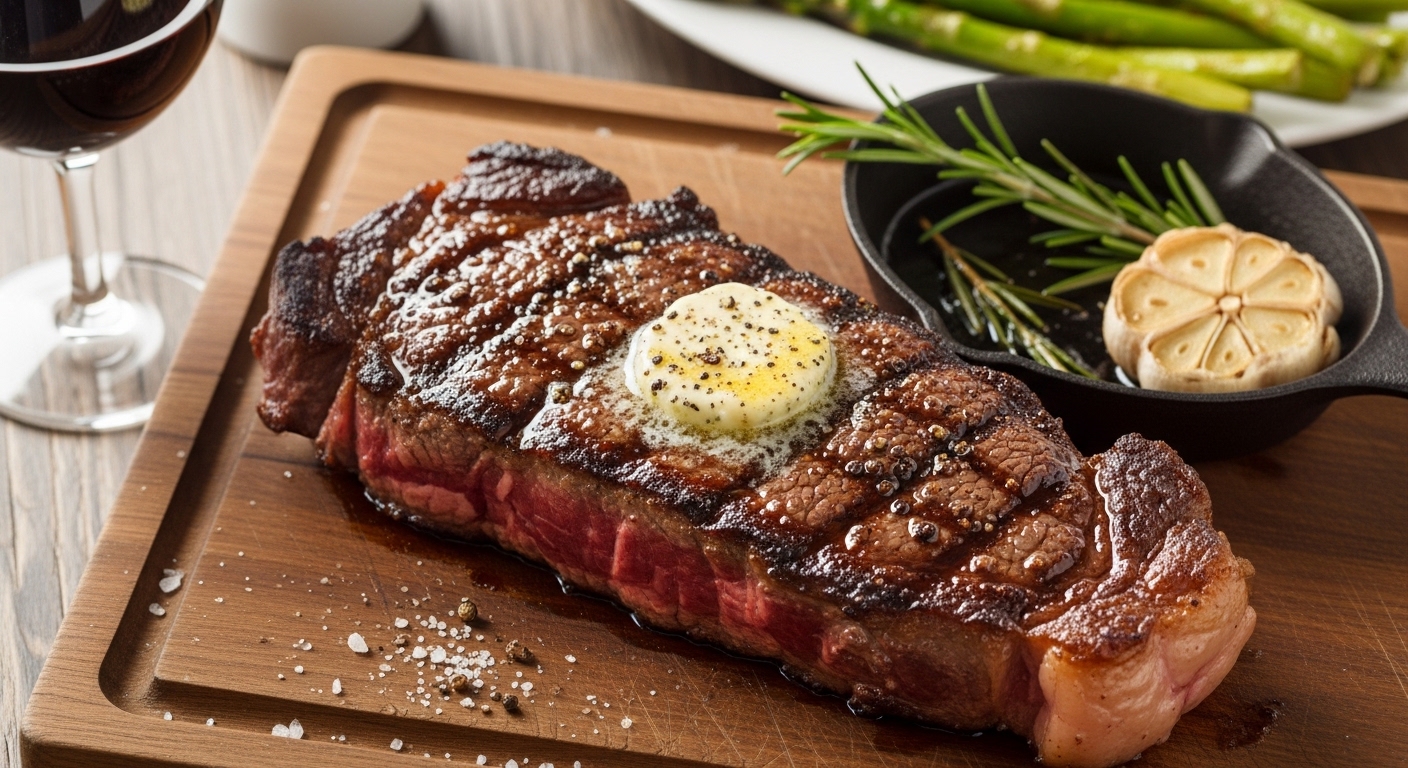
There’s nothing quite like sinking your teeth into a perfectly cooked New York strip steak—juicy, flavorful, and packed with rich marbling that melts into buttery goodness. Whether you’re grilling it for a backyard barbecue, cooking it in a cast-iron skillet, or treating yourself to a fancy dinner at home, this classic cut delivers unmatched beefy satisfaction. Known for its tender texture and robust flavor, the New York strip is one of the most popular steaks among carnivores and serious food lovers alike. But what makes this cut so special? And how do you cook it to perfection every single time?
In this guide, we’ll walk you through everything you need to know—from selecting the best New York strip steak to mastering cooking techniques, seasoning secrets, and serving suggestions that will impress even the pickiest guests.
What Is a New York Strip Steak?
The New York strip steak, also known as a Kansas City strip or just “strip steak,” comes from the short loin section of the cow. It’s prized for its balance of tenderness and intense beef flavor, thanks to its moderate marbling and firm texture. Unlike filet mignon (which is leaner) or ribeye (which has more fat), the New York strip offers a satisfying chew with a bold taste that stands up beautifully to bold seasonings.
This cut is typically sold with the bone-in version being more flavorful and juicy due to the marrow-rich bone, though boneless is still excellent and easier to slice. The New York strip is ideal for grilling, pan-searing, broiling, or even reverse searing—making it a versatile favorite in any kitchen.
Quick Recipe Summary
| Prep Time | Cook Time | Total Time | Servings | Cuisine | Course | Calories* |
|---|---|---|---|---|---|---|
| 15 minutes | 10–15 minutes | 25–30 minutes | 2 | American | Main Course | Approx. 600 kcal |
*Per serving based on 8 oz raw steak, grilled with butter and garlic.
Ingredients You’ll Need
- 2 (8 oz) New York strip steaks – Choose well-marbled, bright red meat with a firm texture.
- 2 tbsp olive oil or avocado oil – High smoke point oil for searing.
- Kosher salt – 1 tsp total, plus extra for finishing.
- Freshly ground black pepper – ½ tsp total.
- 2 cloves garlic, smashed – For aromatic flavor.
- 2 tbsp unsalted butter – Adds richness and shine.
- 1 sprig fresh thyme – Optional, for herbal notes.
- 1 sprig rosemary – Optional, pairs beautifully with beef.
Step-by-Step Cooking Instructions
- Bring the steak to room temperature: Remove the steaks from the fridge 30–45 minutes before cooking. This ensures even cooking and prevents the center from becoming tough.
- Season generously: Pat the steaks dry with paper towels. Season both sides liberally with kosher salt and freshly cracked black pepper. Let them sit at room temp while you preheat your grill or skillet.
- Heat your pan or grill: For stovetop, use a heavy skillet (cast iron works best). Heat over medium-high heat until shimmering. Add oil and swirl to coat.
- Sear the steaks: Place steaks in the hot pan. Cook undisturbed for 3–4 minutes per side for medium-rare (internal temp 130–135°F). If using a grill, sear 3–4 minutes per side.
- Add aromatics: In the last minute of cooking, add garlic, butter, thyme, and rosemary to the pan. Tilt the pan slightly and baste the steak continuously with the melted butter mixture using a spoon.
- Check doneness: Use an instant-read thermometer inserted into the thickest part of the steak. Remove when it reaches your desired temp:
- Rare: 120–125°F
- Medium-rare: 130–135°F
- Medium: 140–145°F
- Rest the steak: Transfer steaks to a cutting board or plate. Tent loosely with foil and let rest for 5–7 minutes. This allows juices to redistribute—critical for a moist bite.
- Slice and serve: Cut against the grain at a slight angle into ½-inch slices. Drizzle with leftover pan juices if desired.
Chef Tips for Perfect New York Strip Steak
- Don’t skip salting ahead: Salting steaks 1 hour before cooking draws out moisture, then reabsorbs it with flavor—this creates a better crust.
- Use a meat thermometer: Eyeballing doneness leads to overcooked steaks. A thermometer saves the day.
- Baste with butter: Never use water or broth—butter adds richness and helps develop Maillard reaction (that golden crust).
- Let it rest: Rushing this step squeezes out juices instead of letting them flow back in.
- Cut against the grain: Look for lines running across the steak—slice perpendicular to them for maximum tenderness.
Common Mistakes to Avoid
- Overcooking: New York strip is best enjoyed medium-rare to medium. Beyond that, it becomes chewy.
- Poking holes: Don’t stab the steak with a fork—it releases precious juices.
- Using weak oils: Low smoke point oils burn during high-heat searing. Stick to avocado, grapeseed, or refined peanut oil.
- Skipping the sear: Without a good crust, the steak lacks depth and texture.
Ingredient Substitutions & Variations
- Oil swap: Canola or vegetable oil work in a pinch.
- Herb alternatives: Oregano, sage, or bay leaves can replace thyme/rosemary.
- Garlic substitute: Shallots or onion slices add similar aroma.
- Vegetarian option: Portobello mushrooms or king oyster “steaks” grilled with same method.
- Indian-style version: Marinate in yogurt, ginger-garlic paste, turmeric, cumin, and coriander; grill or pan-fry.
- Healthier version: Trim excess visible fat, bake instead of fry, serve with steamed veggies instead of fries.
Serving Suggestions
Pair your New York strip with classic sides that complement its bold flavor:
- Mashed potatoes: Creamy Yukon Gold mash with garlic butter.
- Grilled asparagus or broccoli: Light char keeps it healthy.
- Roasted root vegetables: Carrots, parsnips, and sweet potatoes.
- Caesar or house salad: Crisp greens balance the richness.
- Red wine reduction: A glossy, savory glaze drizzled over the steak.
- Baked potato bar: Load with sour cream, chives, cheese, bacon bits.
Storage & Reheating Instructions
Refrigeration: Leftover cooked steak lasts 3–4 days in an airtight container. Store separately from raw meat.
Freezing: Wrap tightly in plastic wrap, then aluminum foil. Label with date. Best used within 3 months.
Reheating:
- Best method: Pan-sear briefly over medium heat with a splash of broth or water to prevent drying.
- Avoid microwaving—it turns steak rubbery.
- If frozen, thaw overnight in fridge before reheating.
Nutrition Facts (Approximate per Serving)
| Calories | Protein | Fat | Carbohydrates | Cholesterol |
|---|---|---|---|---|
| 600 kcal | 45g | 42g | 0g | 150mg |
Note: Values vary based on thickness, marbling, and added fats like butter.
Frequently Asked Questions (FAQs)
1. What’s the difference between New York strip and ribeye?
The main difference lies in marbling and location. Ribeye comes from the rib section and has more intramuscular fat, making it richer and softer. New York strip is leaner with a firmer texture and more pronounced beef flavor.
2. How do I know when my steak is done?
The most reliable way is using a meat thermometer. Alternatively, press the steak lightly—firmness changes as it cooks (see chart above).
3. Can I cook New York strip in the oven?
Yes! Try reverse searing: roast at 275°F until internal temp hits 105°F, then sear in a hot pan for 1–2 minutes per side.
4. Why is my steak tough?
Toughness usually means overcooking or cutting against the wrong direction. Always rest the steak and slice against the grain.
5. Is New York strip suitable for beginners?
Absolutely. Its firm structure holds up well during cooking, and the high heat needed prevents drying out—even if you rush it.
Key Takeaways
- New York strip steak delivers rich, beef-forward flavor with balanced tenderness.
- Proper seasoning, high-heat searing, and resting are essential for success.
- Always use a thermometer to avoid overcooking.
- Pair with creamy sides and bold sauces for a restaurant-quality meal at home.
- With practice, anyone can master this crowd-pleasing classic.
Conclusion
Cooking a perfect New York strip steak isn’t about magic—it’s about understanding your ingredients, respecting heat, and giving the meat the attention it deserves. From selecting a well-marbled cut to basting with garlic butter and resting patiently, every step matters. Once you crack the code, you’ll be serving up jaw-dropping steaks that rival any fine dining experience.
So fire up that grill or heat that skillet. Grab your favorite steak, season boldly, and treat yourself to the ultimate beef indulgence. Your taste buds—and your guests—will thank you.
Leave a Reply