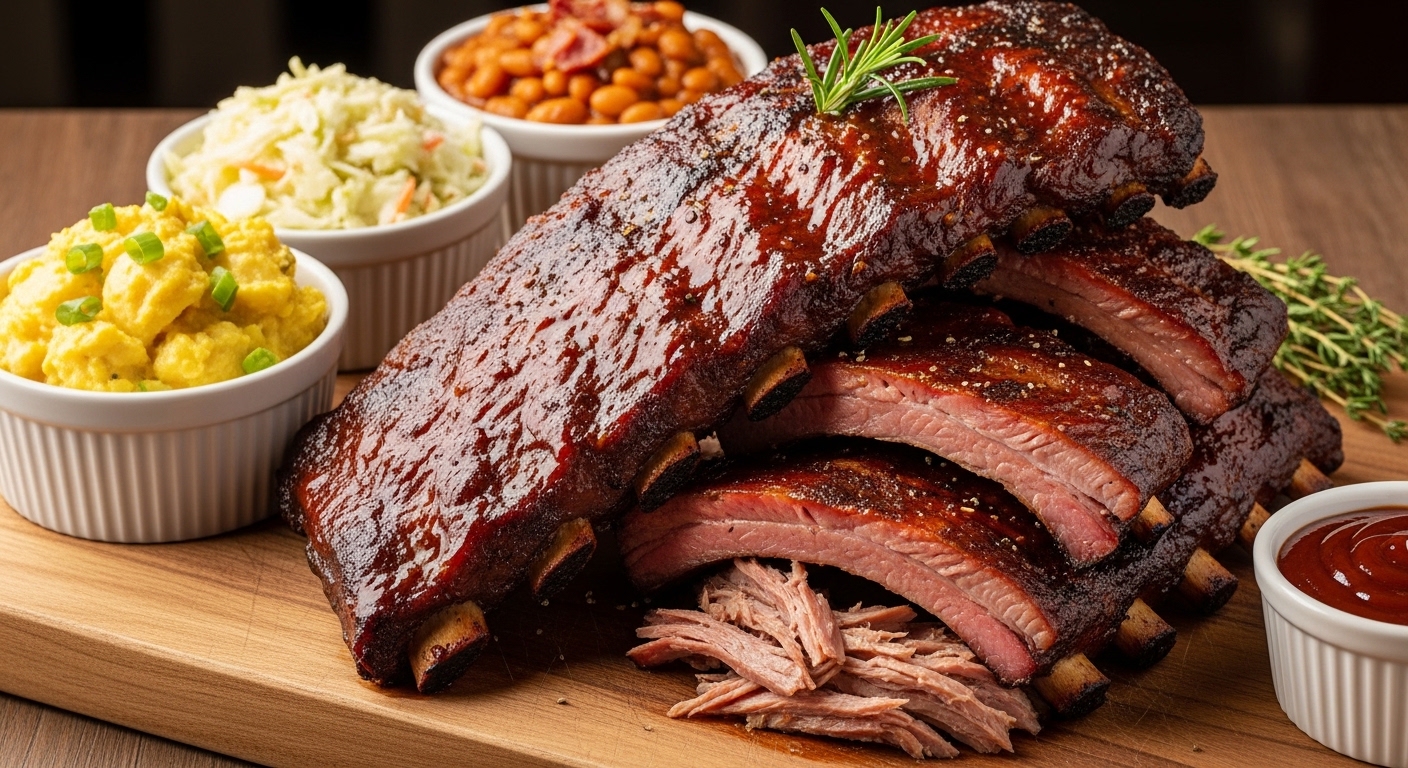
If you’ve ever craved the unmistakable aroma of slow-cooked pork ribs with a tangy-sweet glaze, you’re likely dreaming of a Memphis rib plate. This iconic Southern dish is more than just meat—it’s a culinary experience rooted in tradition, spice, and soulful cooking techniques. Whether you’re hosting a backyard barbecue or simply treating yourself to restaurant-quality ribs at home, mastering the Memphis rib plate means understanding its unique flavor profile, preparation method, and the secrets behind its legendary tenderness.
Unlike Kansas City’s thick glaze or Texas’s dry-rub simplicity, Memphis-style ribs are known for their dry rub seasoning, smoked to perfection, and finished with a vinegar-based sauce that delivers a bold, tangy punch. The result? Fall-off-the-bone tender ribs with deep smokiness, complex spice layers, and a sticky, flavorful finish that keeps people coming back for seconds.
Why Memphis Rib Plates Are a Must-Try
The appeal of a Memphis rib plate lies in its balance. It’s not overly sweet like some BBQ styles, nor is it dry and bland like others. Instead, it offers a harmonious blend of smoke, spice, acidity, and slow-cooking magic. Originating from Memphis, Tennessee, this style emerged from a fusion of Southern traditions and immigrant influences, particularly from Caribbean and Creole cuisines. Over time, it became synonymous with pitmaster culture and authentic American barbecue.
What sets Memphis apart is the emphasis on dry rubs—a mixture of spices applied well in advance to allow flavors to penetrate the meat. These ribs are typically cooked low and slow over indirect heat using wood like hickory, oak, or pecan, giving them a rich, smoky base. Then, instead of basting, they’re finished with a thin layer of sauce during the last 30–60 minutes of cooking. This method ensures the ribs remain juicy while absorbing just enough sauce to enhance, not drown, the natural flavors.
Quick Recipe Summary Table
| Prep Time | Cook Time | Total Time | Servings | Cuisine | Course | Calories (approx.) |
|---|---|---|---|---|---|---|
| 45 minutes | 6–8 hours | 7–8.5 hours | 6–8 | American (Southern) | Main Course | 650 |
Ingredients You’ll Need for Memphis-Style Rib Plate
Dry Rub (Makes Enough for 2 Full Pork Rib Racks)
- ¼ cup brown sugar
- 2 tbsp paprika
- 1 tbsp garlic powder
- 1 tbsp onion powder
- 1 tbsp chili powder
- 1 tbsp black pepper
- 1 tsp cayenne pepper (optional, for heat)
- 1 tsp dried thyme
- 1 tsp dried oregano
- ½ tsp ground cinnamon
- ½ tsp salt
Vinegar-Based BBQ Sauce
- ½ cup apple cider vinegar
- ¼ cup ketchup
- 2 tbsp Worcestershire sauce
- 1 tbsp Dijon mustard
- 1 tbsp brown sugar
- 1 tsp hot sauce (like Tabasco)
- ½ tsp black pepper
- ½ tsp salt
- ½ tsp cayenne (optional)
For Cooking
- 2 full racks of baby back or St. Louis-cut pork ribs
- Yellow cornmeal or baking paper (for wrapping)
- Wood chips or chunks (hickory, oak, or pecan)
- Spray bottle with apple cider vinegar or water
Step-by-Step Instructions: How to Make Memphis Rib Plate
Step 1: Prepare the Dry Rub
In a large bowl, combine all dry rub ingredients. Mix thoroughly to ensure even distribution. Set aside. This step is crucial—flavor needs time to bond with the meat.
Step 2: Trim and Prep the Ribs
Remove the membrane from the back of each rib rack using a butter knife and paper towel grip. Trim excess fat if desired. Pat the ribs dry with paper towels—this helps the rub adhere better.
Step 3: Apply the Dry Rub
Generously coat both sides of the ribs with the dry rub. Massage it into the meat to help the spices penetrate. Cover and refrigerate for at least 2 hours—ideally overnight—for maximum flavor infusion.
Step 4: Preheat Your Smoker or Grill
Set up your smoker for indirect heat at 225°F (107°C). Add soaked wood chips or chunks for smoke. If using a gas grill, set one side to low heat and add wood chips in a smoker box or foil pouch.
Step 5: Smoke the Ribs
Place ribs on the cooler side of the smoker, bone-side down. Close the lid and maintain steady temperature. Spritz with apple cider vinegar every hour to keep the surface moist and prevent drying.
Step 6: Wrap in Aluminum Foil (Optional)
After about 3 hours of smoking, wrap the ribs tightly in aluminum foil to retain moisture. Add a splash of apple cider vinegar and a tablespoon of butter or brown sugar for extra tenderness. Return to smoker and cook for another 1.5–2 hours.
Step 7: Unwrap and Apply Final Sauce
Carefully remove the foil and place ribs back on the smoker. Brush lightly with vinegar-based sauce. Cook for 30–60 minutes until internal temperature reaches 190–205°F (88–96°C). The ribs should be fork-tender but still hold their shape.
Step 8: Rest and Serve
Let ribs rest for 10–15 minutes before slicing. Cut between the bones and serve with extra sauce on the side.
Chef Tips for Perfect Memphis Ribs
- Low and Slow is Key: Never rush the process. At 225°F, it takes time for collagen to break down into gelatin, making ribs tender.
- Spritz Regularly: Keep the ribs moist by spritzing with vinegar or water every hour.
- Test for Doneness: Use the bend test—pick up the rack with tongs; if it cracks slightly, it’s ready.
- Sauce Sparingly: Only apply sauce in the last 30–60 minutes to avoid burning.
- Rest Before Slicing: Letting the ribs rest allows juices to redistribute, ensuring every bite is flavorful.
Common Mistakes to Avoid
- Rushing the Cook Time: High heat kills smoke flavor and dries out ribs.
- Skipping the Membrane: Leaving the membrane on makes ribs tough and chewy.
- Over-Saucing Too Early: Sugar in early sauces can burn before meat is done.
- Not Seasoning Ahead: Dry rub needs time to work its magic.
- Ignoring Temperature Control: Fluctuations in heat disrupt the cooking process.
Ingredient Substitutions & Variations
- Vegetarian/Vegan Option: Try portobello mushrooms or king oyster mushrooms marinated in soy sauce, smoked paprika, and maple syrup, then grilled or smoked.
- Indian-Inspired Twist: Replace brown sugar with jaggery or palm sugar, add garam masala and turmeric to the dry rub, and use tamarind-based sauce instead of vinegar.
- Healthier Version: Use leaner cuts like turkey or chicken thighs, reduce sugar in the rub, and bake instead of smoke (with smoke flavor liquid).
- Smoke Alternatives: If no smoker, use a stovetop smoker or infuse oil with wood chips.
Serving Suggestions
Pair your Memphis rib plate with classic Southern sides like coleslaw, baked beans, cornbread, or potato salad. Serve with pickles, onions, and crusty bread on the side. For drinks, consider sweet tea, bourbon, or a crisp lager to cut through the richness.
Storage & Reheating Tips
- Refrigerate: Store leftover ribs in an airtight container for up to 4 days.
- Freeze: Wrap tightly in foil, then freezer-safe bag. Lasts up to 3 months.
- Reheat: Warm in a 300°F oven for 15–20 minutes, basting with a little sauce. Avoid microwaving—it dries out the meat.
Nutrition Facts (Approximate Per Serving)
- Calories: 650
- Protein: 42g
- Fat: 48g
- Carbohydrates: 18g
- Fiber: 1g
- Sugar: 14g
- Sodium: 890mg
FAQs About Memphis Rib Plate
1. What makes Memphis ribs different from other BBQ styles?
Memphis ribs are known for their dry rub-first approach and vinegar-based sauce, emphasizing smoky, spicy, and tangy flavors rather than heavy sweetness.
2. Can I make these ribs in an oven or slow cooker?
Yes! For oven method, sear ribs, add sauce, and roast at 275°F for 2–3 hours. Slow cooker works best with pre-smoked or liquid smoke-flavored ribs.
3. Do I have to wrap the ribs in foil?
No, but it helps tenderize tougher cuts. Baby backs are naturally tender, so wrapping isn’t always necessary. Just extend cooking time by 30–60 minutes.
4. Can I use a charcoal grill instead of a smoker?
Absolutely! Use indirect heat and add wood chips wrapped in foil to the coals for smoke flavor.
5. How do I know when the ribs are done?
When the meat reaches 190–205°F internally and pulls away from the bone easily, they’re ready. The bend test—grabbing the rack with tongs and bending it—is a reliable visual cue.
Key Takeaways
- Memphis rib plates are defined by dry rubs, low-and-slow smoking, and tangy vinegar sauce.
- Proper prep—removing membrane, seasoning ahead, and maintaining steady heat—is essential.
- Resting and light saucing at the end preserve juiciness and flavor balance.
- Variations exist for dietary preferences, including vegetarian and Indian-inspired versions.
- With practice, anyone can master this iconic Southern dish at home.
Conclusion: Bring the Smokehouse Home
Making a Memphis rib plate at home doesn’t require fancy equipment—just passion, patience, and a love for smoky, savory goodness. Once you crack the code of that perfect dry rub and learn how to coax tenderness from the meat without sacrificing flavor, you’ll wonder why you ever ordered delivery.
This recipe isn’t just about food—it’s about connection, tradition, and celebrating the joy of slow-cooked perfection. So fire up the smoker, gather your favorite spices, and get ready to impress friends and family with ribs that taste like they came straight from a Southern pitmaster’s kitchen.
Your next unforgettable meal starts with one rack of ribs. Now go make them shine.
Leave a Reply