Maryland Crab Cakes: The Ultimate Guide to Authentic Chesapeake Bay Flavor
If you’ve ever tasted a Maryland crab cake, you know it’s not just a dish—it’s a culinary experience. Born from the rich waters of the Chesapeake Bay, this iconic seafood specialty is celebrated for its sweet, tender lump crab meat, minimal filler, and bold Old Bay seasoning. Unlike crab cakes drowned in mayo or breadcrumbs, the true Maryland version lets the crab shine. Whether you’re a seafood lover, a home cook looking to impress, or simply curious about regional American cuisine, mastering the art of Maryland crab cakes is a must.
In this detailed guide, we’ll walk you through everything you need to know—from sourcing the best crab meat to perfecting your pan-searing technique. You’ll learn the secrets behind the flakiest texture, the right balance of seasoning, and how to avoid common pitfalls. By the end, you’ll be able to recreate restaurant-quality Maryland crab cakes in your own kitchen with confidence.
Why Maryland Crab Cakes Are So Special
Maryland crab cakes are more than just a meal—they’re a symbol of regional pride. The Chesapeake Bay, stretching across Maryland and Virginia, is one of the largest estuaries in the world and home to the famous blue crab. These crabs are harvested fresh, hand-picked, and transformed into delicate, flavorful crab cakes that have become a staple at seaside diners, upscale restaurants, and backyard barbecues alike.
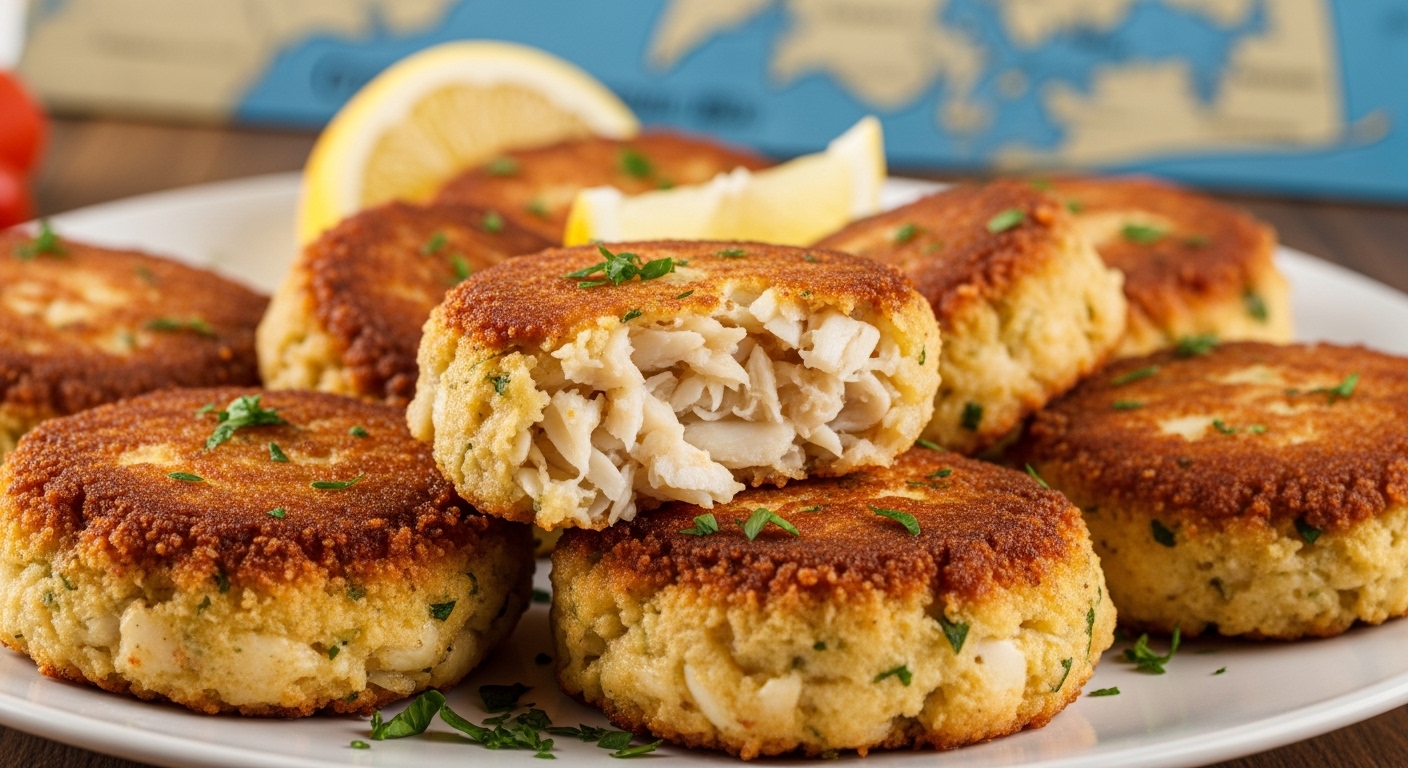
What sets Maryland crab cakes apart is their simplicity. Authentic recipes use minimal ingredients: fresh lump crab meat, a touch of binder (like mayonnaise and egg), a sprinkle of Old Bay seasoning, and just enough breadcrumbs to hold the cake together. The result? A crab cake that’s crispy on the outside, moist and flaky on the inside, and bursting with sweet, briny crab flavor.
Unlike versions from other regions that rely heavily on fillers or heavy sauces, Maryland-style crab cakes are all about highlighting the crab. That’s why quality matters—using fresh, high-grade crab meat is non-negotiable. Whether you’re using jumbo lump, backfin, or claw meat, the goal is to preserve the natural texture and taste of the crab.
Recipe Summary
| Prep Time | 20 minutes |
|---|---|
| Cook Time | 10 minutes |
| Total Time | 30 minutes |
| Servings | 4 (2 large crab cakes per person) |
| Cuisine | American (Maryland) |
| Course | Main Course |
| Calories (approx.) | 280 per serving |
Ingredients for Authentic Maryland Crab Cakes
To make the best Maryland crab cakes, you’ll need just a handful of high-quality ingredients. Here’s what to gather:
- 1 pound (450g) fresh lump crab meat – preferably jumbo lump or backfin, picked over for shells
- 1 large egg – lightly beaten
- 2 tablespoons mayonnaise – full-fat for best binding and flavor
- 1 teaspoon Dijon mustard – adds a subtle tang
- 1 teaspoon Worcestershire sauce – enhances umami depth
- 1 tablespoon fresh lemon juice – brightens the flavor
- 1 teaspoon Old Bay seasoning – the signature Maryland spice blend
- 1/4 teaspoon freshly ground black pepper
- 1/4 cup panko breadcrumbs – light and crispy; avoid regular breadcrumbs
- 2 tablespoons unsalted butter – for pan-searing
- 2 tablespoons vegetable oil – helps achieve a golden crust
- Optional garnish: lemon wedges, chopped parsley, remoulade or tartar sauce
Step-by-Step Cooking Instructions
Follow these simple steps to create restaurant-quality Maryland crab cakes at home:
Step 1: Prepare the Crab Meat
Start by carefully picking through the crab meat to remove any shell fragments. Gently rinse the crab under cold water and pat it *very* dry with paper towels. Excess moisture is the enemy of a good crab cake—it prevents proper browning and can make the cakes fall apart.
Step 2: Mix the Binder
In a medium bowl, whisk together the egg, mayonnaise, Dijon mustard, Worcestershire sauce, lemon juice, Old Bay seasoning, and black pepper. This mixture acts as the glue that holds the crab cakes together without overpowering the crab.
Step 3: Combine Gently
Add the drained crab meat and panko breadcrumbs to the bowl. Using a spatula or your hands (lightly!), fold everything together until just combined. Be careful not to break up the large crab lumps—this is what gives the cake its signature texture.
Step 4: Form the Cakes
Divide the mixture into 4 equal portions. Shape each into a patty about 1 inch thick. Press gently to compact, but don’t overwork the mixture. Place the formed cakes on a plate and refrigerate for 15–20 minutes. This chilling step helps them hold their shape during cooking.
Step 5: Pan-Sear to Perfection
Heat butter and oil in a large skillet over medium-high heat. Once the butter is foaming (but not brown), carefully add the crab cakes. Cook for 4–5 minutes per side, until golden brown and heated through. Avoid flipping too early—let the crust form first.
Step 6: Serve Immediately
Transfer the crab cakes to a plate lined with paper towels to absorb excess oil. Serve hot with lemon wedges and your favorite sauce.
Chef Tips for the Best Maryland Crab Cakes
- Use the freshest crab possible. If you can’t get fresh, high-quality canned crab meat (like Phillips or Snow’s) is a good backup—just drain it well.
- Don’t overmix. The key to a tender crab cake is gentle handling. Overmixing breaks down the crab and makes the cakes dense.
- Chill before cooking. This step is crucial—it firms up the cakes and prevents them from falling apart in the pan.
- Sear, don’t fry. Use a combination of butter and oil for flavor and even browning. Don’t crowd the pan.
- Taste the binder first. Before mixing in the crab, taste the egg-mayo mixture and adjust seasoning if needed.
Common Mistakes to Avoid
Even experienced cooks can make errors when making crab cakes. Here are the top pitfalls to watch out for:
- Using too many fillers. Authentic Maryland crab cakes are about the crab, not the breadcrumbs. Keep fillers to a minimum.
- Skipping the chill time. Rushing this step leads to crumbly, fragile cakes.
- Overcooking. Crab meat is delicate and dries out quickly. Cook just until golden and heated through.
- Using low-quality crab. Cheap or frozen crab often contains excess water and broken pieces, ruining the texture.
- Adding too much Old Bay. A little goes a long way. One teaspoon is usually enough for a pound of crab.
Ingredient Substitutions and Variations
While traditional Maryland crab cakes are best kept simple, here are some smart swaps and twists:
- Gluten-free: Use gluten-free panko or crushed gluten-free crackers.
- Vegan version: Replace crab with mashed chickpeas or hearts of palm, and use vegan mayo and egg substitute. Note: This won’t taste like crab, but can be a tasty plant-based alternative.
- Spicy kick: Add a pinch of cayenne or a dash of hot sauce to the binder.
- Herb boost: Fold in 1 tablespoon of chopped fresh parsley, dill, or chives.
- Baked option: For a lighter version, bake at 400°F (200°C) for 12–15 minutes, flipping halfway.
Serving Suggestions
Maryland crab cakes are incredibly versatile. Serve them as:
- A main course with a side of coleslaw, roasted potatoes, or grilled asparagus
- An appetizer on a bed of mixed greens with a lemon vinaigrette
- A gourmet sandwich on a brioche bun with lettuce, tomato, and remoulade
- With a classic remoulade, tartar sauce, or aioli for dipping
Storage and Reheating Instructions
Store leftover crab cakes in an airtight container in the refrigerator for up to 2 days. To reheat, place them on a baking sheet and warm in a 350°F (175°C) oven for 8–10 minutes, or until heated through. Avoid microwaving, as it can make them soggy.
For longer storage, freeze uncooked crab cakes on a tray, then transfer to a freezer bag. Cook from frozen, adding 2–3 minutes to the cooking time.
Nutrition Facts (Approximate per Serving)
- Calories: 280
- Total Fat: 18g
- Saturated Fat: 6g
- Cholesterol: 120mg
- Sodium: 650mg
- Total Carbohydrates: 10g
- Dietary Fiber: 1g
- Sugars: 1g
- Protein: 22g
Key Takeaways
- Maryland crab cakes are defined by fresh crab, minimal filler, and Old Bay seasoning.
- Gentle handling and proper chilling are essential for perfect texture.
- Pan-searing in butter and oil creates the ideal crispy exterior.
- Quality ingredients make all the difference—don’t skimp on the crab.
- Serve immediately for the best flavor and texture.
Frequently Asked Questions (FAQ)
Can I use canned crab meat for Maryland crab cakes?
Yes, but choose high-quality canned crab (like jumbo lump or backfin) and drain it thoroughly. Fresh is always preferred, but canned can work in a pinch.
Why do my crab cakes fall apart?
This usually happens due to excess moisture, overmixing, or skipping the chill step. Make sure the crab is dry, handle gently, and refrigerate before cooking.
Can I make Maryland crab cakes ahead of time?
Yes! Form the cakes and refrigerate for up to 2 hours before cooking. For longer storage, freeze uncooked cakes and cook from frozen.
What’s the difference between lump crab meat and backfin?
Lump crab meat comes from the body and is large, sweet, and ideal for crab cakes. Backfin is a mix of smaller pieces—still flavorful and more affordable.
Is Old Bay seasoning necessary?
Absolutely. Old Bay is the soul of Maryland crab cakes. If you can’t find it, you can make a substitute with paprika, celery salt, black pepper, mustard powder, and cayenne—but the real thing is best.
Conclusion: Bring the Chesapeake Bay to Your Kitchen
Making Maryland crab cakes at home is easier than you think—and the results are worth every bite. With fresh crab, simple ingredients, and a few pro tips, you can recreate the taste of the Chesapeake Bay right in your own kitchen. Whether you’re hosting a dinner party or treating yourself to a luxurious weeknight meal, these crab cakes deliver unmatched flavor and satisfaction.
So grab your skillet, fire up the stove, and give this recipe a try. Once you taste that first flaky, golden-brown bite, you’ll understand why Maryland crab cakes are a true American classic.