Lobster Roll Plate: The Ultimate Seafood Comfort Food You Need to Try
Imagine biting into a buttery, toasted split-top bun overflowing with tender, sweet chunks of fresh lobster meat, lightly dressed in mayo and lemon—this is the magic of a lobster roll plate. Originating in New England, particularly Connecticut and Maine, this iconic seafood dish has become a summer staple across coastal towns and upscale diners alike. It’s not just food—it’s an experience: crisp air, ocean breeze, and that first glorious bite that melts in your mouth.
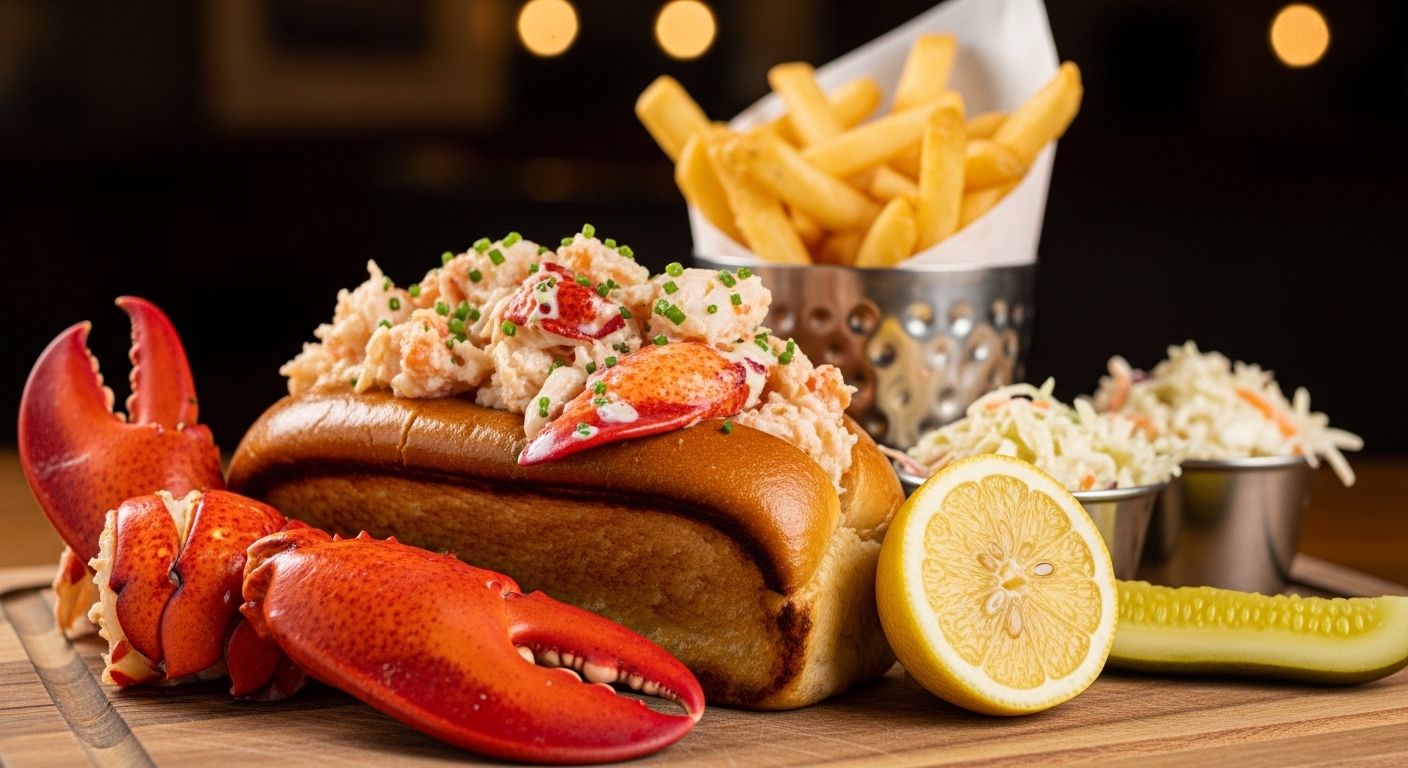
What makes the lobster roll plate so irresistible? It’s the perfect balance of simplicity and luxury. Unlike other seafood dishes loaded with sauces or heavy seasonings, a great lobster roll lets the natural sweetness of the lobster shine. Whether served warm with melted butter (Connecticut-style) or cold with a light mayo dressing (Maine-style), every variation celebrates the star ingredient. And when plated beautifully—often alongside crispy fries, coleslaw, or a pickle spear—it transforms into a satisfying meal that feels both indulgent and comforting.
In this detailed guide, you’ll learn how to make an authentic, restaurant-quality lobster roll plate at home—complete with pro tips, ingredient swaps, and serving ideas. Whether you’re hosting a backyard cookout or treating yourself to a gourmet lunch, this recipe delivers coastal charm without the travel.
Quick Recipe Summary
| Prep Time | 20 minutes |
| Cook Time | 15 minutes |
| Total Time | 35 minutes |
| Servings | 4 |
| Cuisine | American (New England) |
| Course | Main Course |
| Calories (approx.) | 520 per serving |
Ingredients for the Perfect Lobster Roll Plate
For the best results, use high-quality, fresh or freshly cooked lobster meat. Here’s what you’ll need:
- 1.5 lbs (680g) cooked lobster meat – preferably from claws, knuckles, and tail (chilled and shelled)
- 4 top-split hot dog buns – New England-style buns are ideal (soft, slightly sweet, and rectangular)
- 3 tbsp unsalted butter – melted, for toasting buns
- 1/4 cup mayonnaise – high-quality, full-fat preferred
- 1 tbsp fresh lemon juice – freshly squeezed
- 1/4 tsp celery salt – optional, for depth
- 1/4 cup finely chopped celery – for crunch and freshness
- 1 tbsp chopped fresh chives or parsley – for garnish
- Salt and freshly ground black pepper – to taste
- Side options (for plating):
- Hand-cut potato fries or sweet potato fries
- Classic creamy coleslaw
- Dill pickle spears
- Lemon wedges
Step-by-Step Cooking Instructions
Step 1: Prepare the Lobster Meat
If using live lobsters, steam or boil them for 8–10 minutes until bright red and cooked through. Cool completely, then remove meat from shells, chop into bite-sized pieces, and chill. If using pre-cooked meat, ensure it’s cold and dry—pat with paper towels to remove excess moisture.
Step 2: Make the Lobster Salad
In a medium bowl, gently fold together the chilled lobster meat, mayonnaise, lemon juice, celery, celery salt (if using), and a pinch of pepper. Be careful not to overmix—you want to keep the lobster chunks intact. Taste and adjust seasoning. Cover and refrigerate while you prep the buns.
Step 3: Toast the Buns
Heat a skillet or griddle over medium heat. Brush the outsides of each split-top bun generously with melted butter. Place butter-side down on the hot surface and toast for 1–2 minutes until golden brown and crisp. Flip and lightly toast the inside if desired. Remove and keep warm.
Step 4: Assemble the Lobster Roll Plate
Spoon the chilled lobster mixture generously into each toasted bun. Sprinkle with chopped chives or parsley. Arrange on a plate alongside crispy fries, a scoop of coleslaw, and a pickle spear. Serve immediately with lemon wedges on the side.
Chef Tips for the Best Lobster Roll Plate
- Keep it cold: Lobster salad should be served chilled—never warm. This preserves texture and flavor.
- Use top-split buns only: These buns hold filling better and toast evenly on all sides.
- Don’t over-dress: A light coating of mayo is enough. Too much will drown the lobster.
- Chill your bowl: Place your mixing bowl in the freezer for 10 minutes before making the salad to keep everything cold.
- Season wisely: Lobster is naturally salty. Taste before adding extra salt.
Common Mistakes to Avoid
- Using warm lobster meat: This makes the salad soggy and dulls the flavor. Always chill first.
- Overmixing the filling: You’ll end up with mushy lobster. Fold gently.
- Skipping the toast: Soft, untoasted buns fall apart. Butter-toasting adds flavor and structure.
- Using low-quality mayo: Opt for real mayonnaise, not low-fat or flavored versions.
- Overloading with extras: Avoid adding too many mix-ins like hard-boiled eggs or onions—they distract from the lobster.
Ingredient Substitutions & Variations
Healthier Version
Swap full-fat mayo for Greek yogurt or avocado-based mayo. Use whole-grain buns and add extra celery or cucumber for crunch. Serve with a side salad instead of fries.
Vegan / Vegetarian Option
Replace lobster with marinated hearts of palm or jackfruit, shredded and seasoned like crab. Use vegan mayo and plant-based butter. The texture and citrusy profile mimic seafood surprisingly well.
Indian-Style Twist
Add a touch of chaat masala, finely chopped green chilies, and a squeeze of lime. Serve in naan bread instead of buns, with mint-cilantro chutney on the side. A bold, spicy take on the classic.
Restaurant-Style Upgrade
Grill the buns on a flattop for extra char. Add a drizzle of truffle oil or a sprinkle of Old Bay seasoning. Serve on a slate board with mini corn on the cob and house-made pickles for a gourmet presentation.
Serving Suggestions
A great lobster roll plate isn’t complete without the right sides and ambiance. Pair with:
- Cold-brew iced tea or a crisp white wine like Sauvignon Blanc
- Garlic butter-drenched corn on the cob
- House-made potato chips with sea salt
- A simple green salad with lemon vinaigrette
For a picnic or beach day, pack the lobster salad separately and assemble on-site to keep buns crisp.
Storage & Reheating Instructions
Lobster roll filling is best enjoyed fresh, but leftovers can be stored in an airtight container in the refrigerator for up to 2 days. Do not freeze—lobster becomes rubbery.
To reheat buns, wrap in foil and warm in a 350°F (175°C) oven for 5–7 minutes. Reassemble just before serving. Never microwave the lobster salad—it will overcook and lose texture.
Nutrition Facts (Approximate per Serving)
- Calories: 520
- Total Fat: 28g
- Saturated Fat: 10g
- Cholesterol: 180mg
- Sodium: 980mg
- Total Carbohydrates: 38g
- Dietary Fiber: 2g
- Sugars: 6g
- Protein: 32g
Key Takeaways
- The lobster roll plate is a New England classic that highlights fresh, high-quality lobster.
- Properly chilled meat, lightly dressed and served in a buttery toasted bun, creates the perfect bite.
- Pair with classic sides like fries, coleslaw, and pickles for a complete meal.
- Customize with healthier, vegan, or international twists to suit your taste.
- Best enjoyed fresh—plan to serve immediately after assembly.
Frequently Asked Questions (FAQ)
Can I use canned or frozen lobster meat?
Yes, but fresh or freshly cooked is best. If using frozen, thaw completely and drain well. Canned lobster can be watery and less flavorful—rinse and pat dry before using.
What’s the difference between Maine and Connecticut lobster rolls?
Maine-style uses cold lobster meat with mayo dressing, while Connecticut-style serves warm lobster meat drizzled with melted butter. Both are delicious—choose based on your preference.
Can I make the lobster salad ahead of time?
Yes! Prepare the salad up to 4 hours in advance and keep refrigerated. Assemble rolls just before serving to prevent sogginess.
What kind of buns should I buy?
Look for top-split hot dog buns, preferably labeled “New England style.” Brands like Martin’s or Stroehmann are widely available in grocery stores.
Is a lobster roll plate kid-friendly?
Absolutely! Kids love the mild, sweet flavor. Serve with extra fries and skip strong herbs. You can also offer a plain buttered bun option for picky eaters.
Conclusion: Bring the Coast to Your Kitchen
Making a lobster roll plate at home is easier than you think—and far more rewarding than dining out. With just a few premium ingredients and simple techniques, you can recreate that seaside magic in your own kitchen. Whether you’re celebrating a special occasion or simply craving something luxurious, this dish delivers elegance, flavor, and satisfaction in every bite.
So grab some fresh lobster, toast those buns, and build your perfect roll. Pair it with golden fries, a crisp pickle, and a cold drink—and suddenly, you’re not just eating a meal. You’re savoring a moment. Try this recipe today and discover why the lobster roll plate remains one of America’s most beloved seafood traditions.