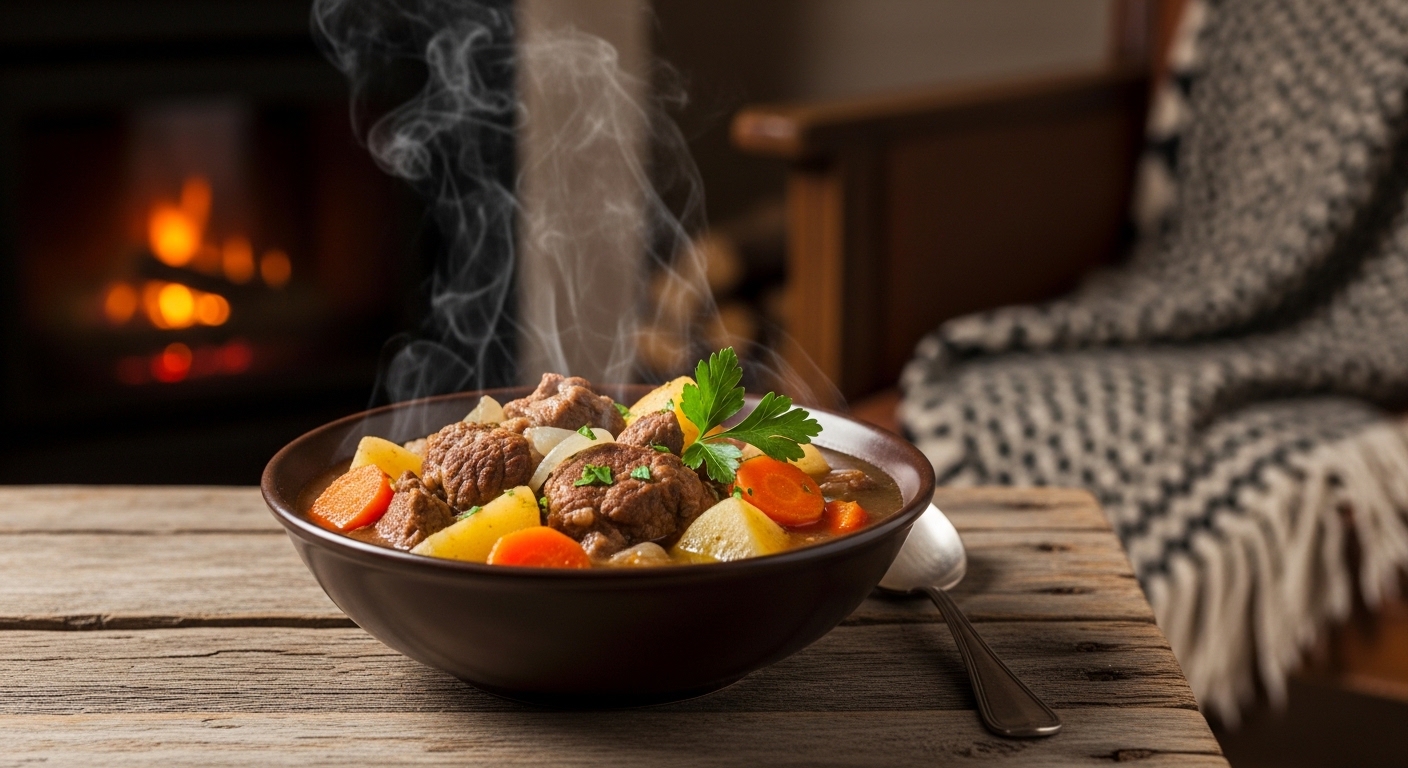
Irish Stew: The Heartwarming Classic You Need to Try Tonight
There’s something deeply comforting about a steaming bowl of Irish stew—a rustic, soul-warming dish that’s been nourishing families across Ireland for centuries. Born from humble ingredients and slow-cooked to perfection, this traditional recipe is more than just a meal; it’s a taste of heritage, simplicity, and homely love. Whether you’re seeking comfort on a chilly evening or looking to explore authentic Irish cuisine, this hearty lamb and vegetable stew delivers rich flavors, tender meat, and a satisfying depth that only time and tradition can create.
What makes Irish stew so special? It’s not fancy, nor is it complicated—but its magic lies in its balance of savory lamb, earthy root vegetables, and a gently thickened broth that clings to every spoonful. Unlike other stews that rely on tomatoes or heavy cream, the classic version stays true to its roots: lamb, potatoes, onions, and parsley, simmered slowly until everything melds into one harmonious dish. It’s the kind of recipe that fills your kitchen with an irresistible aroma and warms you from the inside out.
Quick Recipe Summary
| Prep Time | 20 minutes |
| Cook Time | 1 hour 40 minutes |
| Total Time | 2 hours |
| Servings | 4–6 |
| Cuisine | Irish |
| Course | Main Dish |
| Calories (approx.) | 420 per serving |
Why This Irish Stew Recipe Stands Out
This isn’t just another stew recipe—it’s a carefully crafted version of the authentic Irish stew your grandmother might have made. We use bone-in lamb shoulder for maximum flavor, keep the ingredient list minimal (as tradition demands), and simmer everything low and slow to develop that rich, velvety texture. No shortcuts, no artificial thickeners—just real food, cooked with care.
Perfect for weeknight dinners, Sunday roasts, or St. Patrick’s Day celebrations, this stew is deeply satisfying and surprisingly easy to make. Plus, it tastes even better the next day, making it ideal for meal prep or leftovers. Whether you’re new to Irish cooking or revisiting a childhood favorite, this recipe delivers consistent, restaurant-quality results every time.
Ingredients You’ll Need
Keep it simple. The beauty of Irish stew is in its purity—no need for exotic spices or hard-to-find ingredients. Here’s exactly what you’ll need for a rich, flavorful pot:
- 2 lbs (900g) lamb shoulder, bone-in, cut into 2-inch chunks
- 4 large potatoes (Russet or Yukon Gold), peeled and cut into thick wedges
- 3 medium onions, peeled and quartered
- 3 medium carrots, peeled and cut into 1-inch pieces
- 3 cloves garlic, minced
- 4 cups (1 liter) lamb or beef stock (low-sodium preferred)
- 2 cups (500ml) water
- 2 tablespoons fresh thyme leaves (or 1 tsp dried)
- 2 bay leaves
- 2 tablespoons all-purpose flour (for thickening)
- 3 tablespoons olive oil or bacon fat
- Salt and freshly ground black pepper, to taste
- Fresh parsley, chopped (for garnish)
Step-by-Step Cooking Instructions
1. Prepare the Lamb
Pat the lamb chunks dry with paper towels—this helps them brown better. Season generously with salt and pepper. In a large Dutch oven or heavy-bottomed pot, heat 2 tablespoons of olive oil over medium-high heat. Working in batches, sear the lamb on all sides until deeply golden brown (about 3–4 minutes per side). Remove and set aside. Don’t overcrowd the pan—browning builds flavor.
2. Sauté the Aromatics
In the same pot, add the remaining oil if needed. Add the onions and carrots, and cook for 5–6 minutes until softened and lightly caramelized. Stir in the garlic and cook for another minute until fragrant. Sprinkle the flour over the vegetables and stir well to coat—this will help thicken the stew later.
3. Deglaze and Build the Broth
Pour in a splash of stock to deglaze the pot, scraping up any browned bits from the bottom—these are packed with flavor! Return the seared lamb to the pot. Add the remaining stock, water, thyme, and bay leaves. Bring to a gentle boil, then reduce heat to low.
4. Simmer Low and Slow
Cover the pot and let the stew simmer for 1 hour. The lamb should become tender but not falling apart yet. After 1 hour, add the potato wedges. Continue simmering, uncovered, for another 30–40 minutes, or until the potatoes are fork-tender and the lamb is succulent.
5. Final Touches
Taste and adjust seasoning with salt and pepper. Remove the bay leaves. Stir in a handful of chopped parsley just before serving. The stew should have a rich, slightly thickened broth that coats the back of a spoon.
Chef’s Tips for the Best Irish Stew
- Use bone-in lamb: The bones add incredible depth and richness to the broth.
- Don’t skip the sear: Browning the meat builds a flavor foundation you can’t get from boiling.
- Simmer gently: Avoid high heat—gentle simmering keeps the lamb tender and prevents it from becoming stringy.
- Let it rest: Allow the stew to sit for 10–15 minutes off the heat before serving. This lets the flavors meld and the broth thicken naturally.
- Fresh herbs matter: While dried thyme works, fresh thyme and parsley elevate the final dish with brightness.
Common Mistakes to Avoid
- Overcooking the potatoes: Add them later in the process to prevent them from turning to mush.
- Using lean cuts: Lamb shoulder is ideal—it stays moist and flavorful during long cooking. Avoid loin or leg for stewing.
- Skipping the flour: It’s not just for thickening—it helps bind the flavors and gives the stew body.
- Boiling instead of simmering: Vigorous boiling can toughen the meat and break down vegetables too quickly.
- Over-seasoning early: Stock and lamb already contain salt. Taste before adding more.
Ingredient Substitutions & Variations
While traditional Irish stew sticks to lamb, potatoes, onions, and carrots, there’s room for creativity—especially if you’re adapting to dietary needs or preferences.
Vegetarian / Vegan Version
Swap the lamb for hearty vegetables like mushrooms, parsnips, and turnips. Use vegetable stock and add a splash of soy sauce or miso for umami depth. Thicken with cornstarch if needed. This version is still rich, earthy, and deeply satisfying.
Healthier Option
Trim excess fat from the lamb and use low-sodium stock. Add extra root vegetables like celeriac or sweet potatoes for fiber and nutrients. Serve with a side of steamed greens to boost the nutritional profile.
Indian-Inspired Twist
For a fusion twist, add a teaspoon of garam masala, a pinch of turmeric, and a chopped tomato during the sauté stage. Finish with fresh cilantro instead of parsley. The warm spices complement the lamb beautifully while keeping the stew comforting and familiar.
For Beginners
Stick to the classic recipe—it’s forgiving and hard to mess up. Use pre-cut lamb and pre-peeled vegetables to save time. Follow the steps in order, and don’t rush the simmering process.
Serving Suggestions
Irish stew is a complete meal in a bowl, but a few simple sides make it even better:
- Warm crusty Irish soda bread or brown bread for dipping
- A crisp green salad with a light vinaigrette
- Steamed cabbage or kale for a traditional touch
- A pint of Guinness or a dry Irish stout for an authentic pairing
Serve in deep bowls, garnished generously with fresh parsley. The stew’s rustic charm shines when presented simply—no fancy plating required.
Storage & Reheating Instructions
This stew actually improves with time! Store leftovers in an airtight container in the refrigerator for up to 4 days. The flavors deepen overnight, making it even more delicious the next day.
To reheat, gently warm on the stovetop over low heat, adding a splash of water or stock if the stew has thickened too much. Avoid microwaving on high—it can overcook the potatoes and dry out the lamb.
For longer storage, freeze portions in freezer-safe containers for up to 3 months. Thaw overnight in the fridge before reheating.
Nutrition Facts (Approximate per Serving)
- Calories: 420
- Protein: 32g
- Carbohydrates: 38g
- Dietary Fiber: 5g
- Sugars: 6g
- Fat: 18g
- Saturated Fat: 6g
- Cholesterol: 85mg
- Sodium: 580mg (varies with stock)
Key Takeaways
- Irish stew is a timeless, comforting dish made with lamb, potatoes, onions, and carrots.
- It’s best cooked low and slow for tender meat and rich, cohesive flavors.
- The recipe is highly adaptable—vegetarian, healthier, and fusion versions are easy to make.
- Always sear the lamb first for maximum flavor.
- Serve with bread and a cold drink for the full Irish experience.
Frequently Asked Questions (FAQs)
Can I make Irish stew in a slow cooker?
Absolutely! Brown the lamb and sauté the vegetables first, then transfer everything to a slow cooker. Cook on low for 6–8 hours or high for 3–4 hours. Add potatoes in the last 2 hours to prevent overcooking.
Can I use beef instead of lamb?
Yes, though it won’t be “traditional” Irish stew. Beef chuck works well and creates a richer, deeper flavor. Adjust cooking time slightly—beef may need a bit longer to become tender.
Is Irish stew gluten-free?
The classic recipe uses flour for thickening, which contains gluten. To make it gluten-free, substitute cornstarch or arrowroot powder (mix 1 tbsp with cold water before adding to the stew).
Why is my stew too watery?
This usually happens if the stew isn’t simmered long enough or if too much liquid was added. Let it simmer uncovered to reduce, or thicken with a cornstarch slurry (1 tbsp cornstarch + 2 tbsp water).
Can I make this stew ahead of time?
Yes! In fact, it’s recommended. Make it a day in advance and reheat gently before serving. The flavors will be even more developed and delicious.
Final Thoughts: Why You Should Make This Tonight
Irish stew isn’t just a recipe—it’s a celebration of simplicity, tradition, and comfort. With just a handful of ingredients and a little patience, you can create a dish that’s deeply nourishing and universally loved. Whether you’re cooking for family, friends, or just yourself on a quiet evening, this stew delivers warmth, flavor, and a sense of home.
So grab your Dutch oven, gather your ingredients, and let the slow simmer begin. One spoonful, and you’ll understand why this humble dish has stood the test of time. Don’t wait for St. Patrick’s Day—make Irish stew tonight, and taste the magic for yourself.