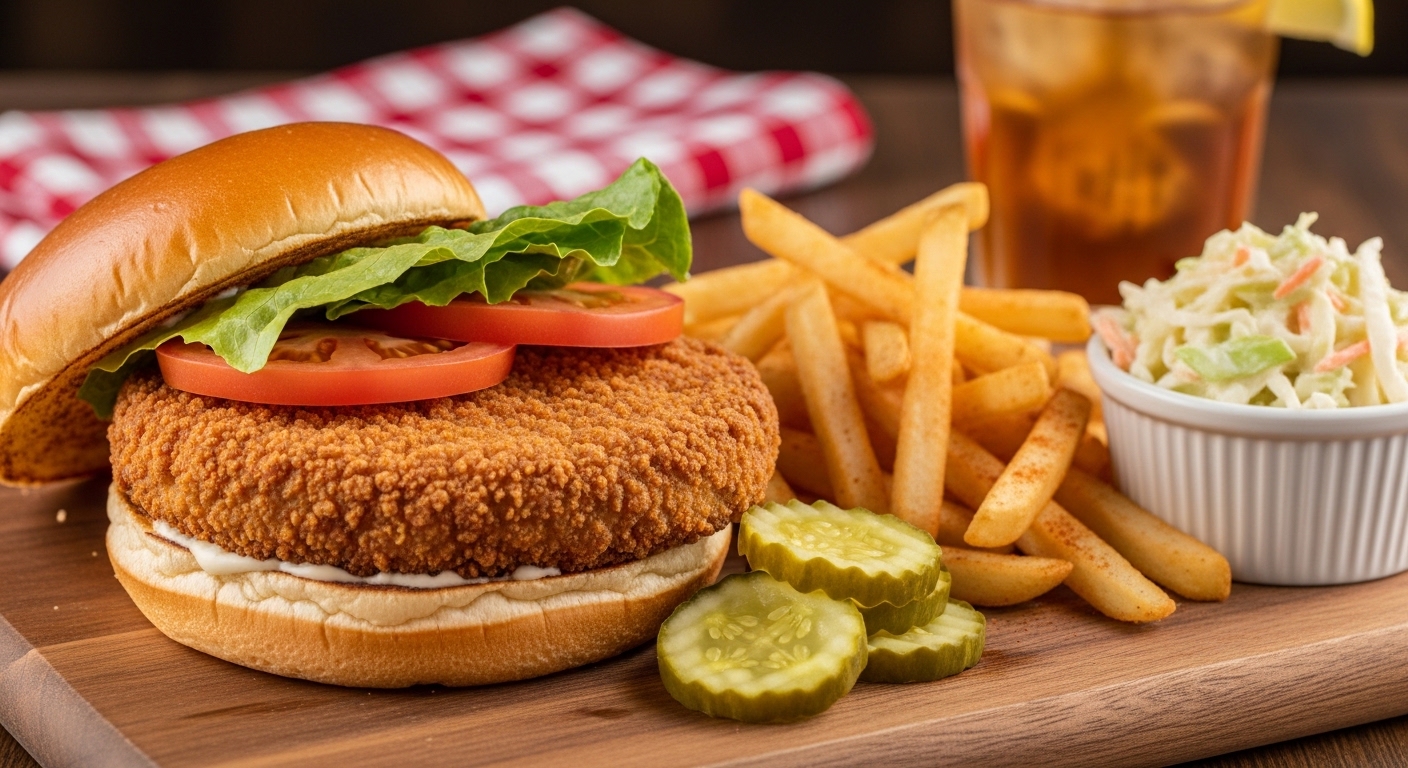
There’s something deeply satisfying about a meal that combines tender meat, rich flavors, and comforting sides—especially when it hails from the heart of America. The Indiana pork tenderloin plate is exactly that: a humble yet bold dish rooted in Midwestern comfort food. Unlike its Southern barbecue cousin, this version features a thin slice of marinated pork tenderloin, breaded and pan-fried until golden, then served atop mashed potatoes with gravy and often paired with cornbread or green beans. It’s simple, affordable, and bursting with savory flavor—making it a beloved staple across Indiana and beyond.
If you’ve ever wondered what makes an Indiana pork tenderloin plate so irresistible, it all comes down to technique and tradition. The key lies in the preparation: the pork is cut into thin medallions, slathered in a tangy, slightly sweet seasoning blend (often including Worcestershire sauce, brown sugar, garlic powder, and paprika), then dredged in flour before frying. This creates a crispy exterior around juicy, melt-in-your-mouth meat. Paired with creamy mashed potatoes and smoky gravy, it’s a one-dish wonder that satisfies cravings for both protein and carbs.
In this comprehensive guide, we’ll walk you through everything you need to know—from sourcing quality ingredients to mastering the perfect fry—so you can recreate this regional favorite at home with confidence. Whether you’re hosting a family dinner or simply treating yourself, this recipe delivers restaurant-quality results without the fuss.
Quick Recipe Summary
- Prep Time: 20 minutes
- Cook Time: 25 minutes
- Total Time: 45 minutes
- Servings: 4
- Cuisine: American / Midwestern
- Course: Main Dish
- Calories (approx.): 620 per serving
Why You’ll Love This Indiana Pork Tenderloin Plate
The charm of the Indiana pork tenderloin plate lies in its simplicity and depth of flavor. Originating in the rural farms and diners of Indiana during the early 20th century, this dish was designed as a hearty, economical meal for working families. Today, it remains a cultural icon—featured on menus at county fairs, local eateries, and home kitchens alike.
What sets it apart is the unique marinade. While many recipes call for just salt and pepper, authentic Indiana versions use a mix of brown sugar, mustard, garlic, and sometimes even pickle juice or vinegar—giving the pork a bright, tangy kick before it hits the pan. When combined with the crispiness of the coating and the richness of the sides, every bite offers a symphony of textures and tastes.
Plus, it’s highly customizable. Want a lighter version? Swap butter for olive oil. Prefer plant-based? Try using tempeh instead of pork. Craving extra crunch? Add panko breadcrumbs to the flour mixture. No matter how you tweak it, the core appeal stays intact: pure, uncomplicated deliciousness.
Essential Ingredients for Your Indiana Pork Tenderloin Plate
To nail this dish, quality ingredients are non-negotiable. Here’s what you’ll need—measured precisely for best results:
For the Pork Tenderloins:
- 2 pork tenderloins (about 1 pound total), trimmed of excess fat
- 1/2 cup all-purpose flour
- 1 teaspoon smoked paprika
- 1 teaspoon garlic powder
- 1 teaspoon onion powder
- 1/2 teaspoon black pepper
- 1/2 teaspoon kosher salt
- 1/4 cup Dijon mustard (or yellow mustard)
- 1 tablespoon brown sugar
- 1 tablespoon apple cider vinegar
- 1 large egg, beaten
For Serving:
- 4 cups mashed potatoes (homemade preferred)
- 1 cup beef or chicken gravy
- Fresh parsley, chopped (for garnish)
Step-by-Step Cooking Instructions
Follow these steps carefully to achieve perfectly cooked, flavorful pork tenderloins every time.
- Prepare the Marinade: In a shallow bowl, whisk together Dijon mustard, brown sugar, apple cider vinegar, garlic powder, onion powder, salt, and pepper. Set aside.
- Slicing the Tenderloins: Using a sharp knife, cut each pork tenderloin into 8–10 thin medallions (about ¼-inch thick). Pat dry with paper towels—this helps the coating stick better.
- Coat the Meat: Place flour in another shallow bowl. Dip each pork slice into the marinade, letting excess drip off, then coat evenly in flour. Shake off excess and set aside on a wire rack.
- Heat the Pan: In a large skillet over medium-high heat, add 2 tablespoons of vegetable oil. Let it get hot but not smoking.
- Fry the Pork: Working in batches if needed, place floured slices in the pan. Cook undisturbed for 3–4 minutes per side, or until golden brown and internal temperature reaches 145°F (use a meat thermometer). Transfer to a paper towel-lined plate as they finish.
- Warm Gravy & Serve: Reheat your favorite gravy in a small saucepan while plating. Assemble each portion with generous spoonfuls of mashed potatoes, a few pork slices, and a ladle of gravy. Garnish with parsley.
Chef Tips for Perfect Results
- Don’t Overcrowd the Pan: Fry in batches to maintain high heat and prevent steaming instead of searing.
- Use a Meat Thermometer: This is the only reliable way to ensure doneness without drying out the meat.
- Breadcrumb Upgrade: Mix ½ cup panko breadcrumbs with the flour for extra crunch.
- Marinate Off-Flame: Let sliced pork sit in the marinade for 10–15 minutes before coating—it absorbs more flavor.
Common Mistakes to Avoid
- Using Thick Cuts: Cutting tenderloins too thick leads to dry, chewy bites. Aim for consistent ¼-inch slices.
- Skipping Drying the Meat: Wet surfaces won’t hold flour well, resulting in a weak crust.
- Low Heat Frying: Causes greasy, soggy coatings. Keep oil between 350–375°F.
- Neglecting Rest Time: Allow fried pork to rest 2–3 minutes after cooking—this redistributes juices.
Ingredient Substitutions & Variations
- Vegan Option: Use king oyster mushrooms or extra-firm tofu, marinated similarly.
- Gluten-Free: Replace all-purpose flour with almond or chickpea flour.
- Spice Boost: Add ½ teaspoon cayenne pepper or chili flakes to the dry rub.
- Sweet Twist: Stir in 1 tablespoon maple syrup to the mustard marinade for caramelized edges.
Serving Suggestions
Traditionally, the Indiana pork tenderloin plate shines alongside classic sides like buttery mashed potatoes, buttered green beans, or warm cornbread. For a complete meal, consider adding a simple garden salad or roasted carrots on the side. A glass of iced tea or local craft beer pairs wonderfully with the savory profile.
Storage & Reheating Instructions
- Storing Leftovers: Cool completely, then store pork and sides separately in airtight containers in the fridge for up to 3 days.
- Reheating: Warm pork slices in a preheated oven at 325°F for 10–12 minutes, covered with foil. Reheat gravy on stovetop; rewarm mashed potatoes in microwave or skillet.
- Freezing: Cooked pork can be frozen for up to 2 months. Thaw overnight before reheating.
Nutrition Facts (Approximate Per Serving)
- Calories: 620
- Protein: 42g
- Fat: 28g
- Carbohydrates: 48g
- Fiber: 3g
- Sugar: 6g
- Sodium: 920mg
FAQs About Indiana Pork Tenderloin Plate
Q: Can I make this ahead of time?
A: Yes! You can slice and marinate the tenderloins up to a day in advance. Just coat them right before frying and cook within 2 hours of coating for best texture.
Q: Is pork tenderloin the same as pork loin?
A: They’re related—pork tenderloin is a smaller, leaner cut from the front of the loin. It’s more tender and cooks faster, making it ideal for quick dishes like this.
Q: What’s the difference between Indiana and Southern pork tenderloin sandwiches?
A: Southern versions are usually deep-fried, served open-faced on buns with pickles and coleslaw. Indiana style focuses on pan-fried medallions over mashed potatoes—less saucy, more rustic.
Q: How do I keep the pork from drying out?
A: Always slice uniformly thin, avoid overcooking (check internal temp!), and let it rest after frying. Using a brining step beforehand also boosts moisture.
Q: Can I bake instead of fry?
A: Absolutely! Lightly coat slices with oil, sprinkle with salt, and bake at 400°F for 15–18 minutes, flipping halfway. Expect less crispiness but similar juiciness.
Conclusion: Bring the Heart of Indiana Home
The Indiana pork tenderloin plate isn’t just a meal—it’s a taste of American tradition, comfort, and culinary ingenuity. With its bold marinade, crispy exterior, and soul-warming sides, it proves that sometimes the simplest ingredients create the most memorable flavors. Whether you’re cooking for a crowd or whipping up a cozy weeknight dinner, this recipe delivers authenticity and satisfaction in every bite.
So grab your skillet, gather those fresh ingredients, and channel your inner Midwestern chef. Before you know it, you’ll be serving up plates that could rival any roadside diner. Now go ahead—try it tonight. Your taste buds will thank you.