Honey Soy Salmon: A Perfectly Balanced, Glazed Delight
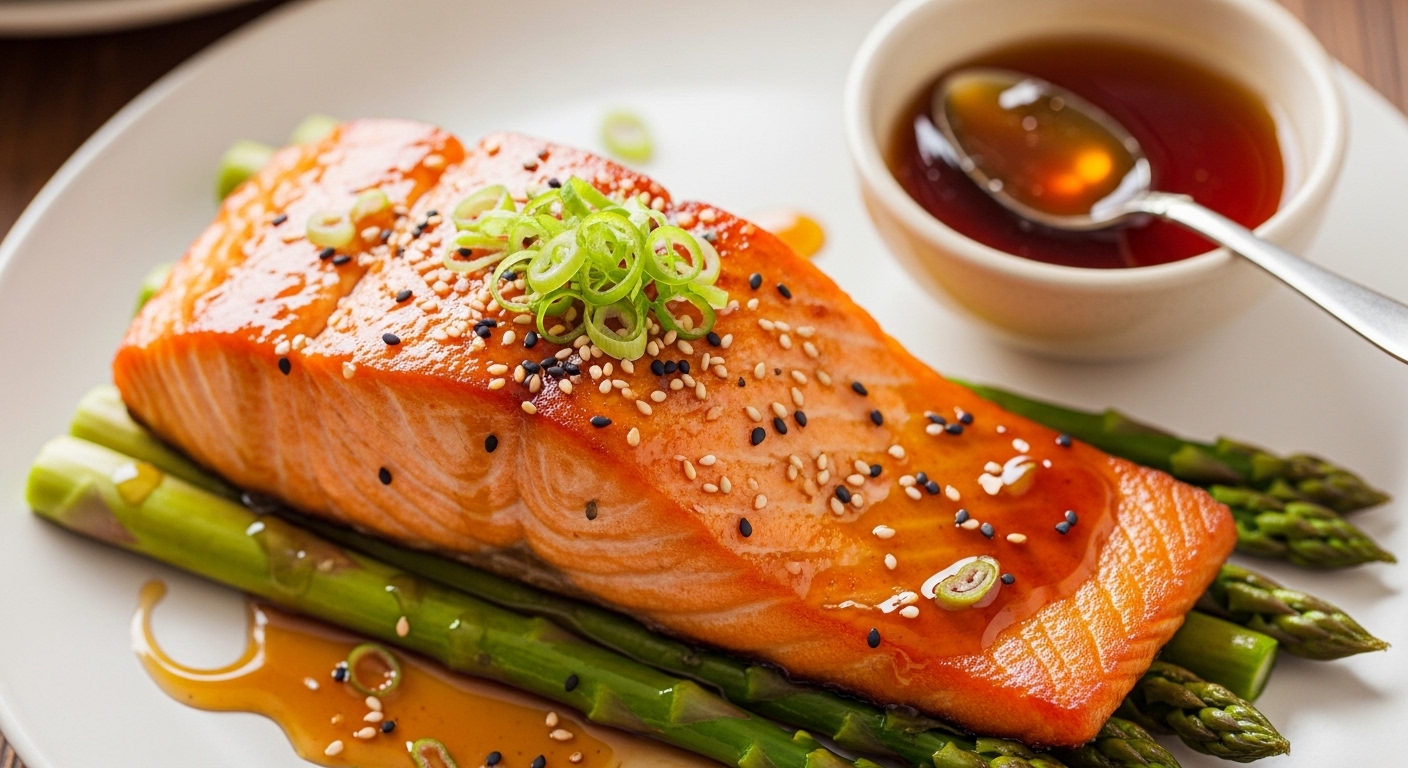
If you’re searching for a salmon dish that’s both sweet and savory with an irresistible glaze, honey soy salmon is exactly what you need. This Asian-inspired recipe combines tender, flaky salmon fillets with a glossy, umami-rich sauce made from honey, soy sauce, garlic, and ginger. The result? A restaurant-quality meal that’s surprisingly simple to make at home. Whether you’re cooking for a special dinner or just craving something flavorful and satisfying, honey soy salmon delivers on taste, texture, and visual appeal—all in one elegant dish.
Why Honey Soy Salmon Stands Out
What makes honey soy salmon so beloved? It’s the harmonious blend of flavors: the natural sweetness of honey balances the saltiness of soy sauce, while fresh aromatics like garlic and ginger add depth without overpowering. The glaze caramelizes slightly during baking or pan-searing, creating a beautiful golden crust that clings to every bite. Plus, salmon is packed with omega-3 fatty acids and high-quality protein, making this dish as nutritious as it is delicious.
This recipe draws inspiration from classic Asian cooking techniques—think stir-fry sauces and teriyaki-style glazes—but keeps things light and approachable for everyday home cooks. It’s quick enough for weeknights yet impressive enough for guests. And because it uses minimal ingredients with bold flavor profiles, it’s a go-to favorite in kitchens across the globe.
Quick Recipe Summary
| Prep Time | 15 minutes |
|---|---|
| Cook Time | 12–15 minutes |
| Total Time | 27–30 minutes |
| Servings | 4 |
| Cuisine | Asian-Inspired / Fusion |
| Course | Main Course |
| Calories (approx.) | 280 per serving |
Ingredients You’ll Need
- 4 salmon fillets (about 6 oz each), skin-on or skinless – Choose wild-caught or sustainably farmed for best quality
- ¼ cup low-sodium soy sauce – Ensures balanced saltiness; avoid regular soy sauce if reducing sodium
- ¼ cup honey – Provides natural sweetness and glossy finish; use pure honey for authentic flavor
- 2 tablespoons rice vinegar – Adds tanginess and brightens the glaze
- 1 tablespoon sesame oil – For nutty aroma; sub with avocado or neutral oil if needed
- 3 cloves garlic, minced – Fresh is key; avoids bitterness
- 1-inch piece fresh ginger, grated – Adds zesty warmth
- 1 teaspoon cornstarch + 2 tablespoons water (slurry) – Thickens the glaze
- 2 green onions, thinly sliced – For garnish
- 1 tablespoon sesame seeds (optional) – Adds crunch and visual appeal
Step-by-Step Instructions
- Preheat oven to 400°F (200°C). Line a baking sheet with parchment paper for easy cleanup.
- Prepare the glaze: In a small saucepan, combine soy sauce, honey, rice vinegar, sesame oil, garlic, and ginger. Bring to a gentle simmer over medium heat.
- Thicken the sauce: Stir in the cornstarch slurry and cook for 1–2 minutes until the glaze becomes glossy and slightly thickened. Remove from heat.
- Season the salmon: Pat salmon fillets dry with paper towels. Place them on the prepared baking sheet. Lightly season both sides with salt and pepper.
- Bake for 10 minutes: Transfer to the preheated oven and bake for 10 minutes.
- Add the glaze: Carefully spoon about 2 tablespoons of the warm glaze over each fillet. Return to the oven and bake for another 5–8 minutes, or until salmon flakes easily with a fork and reaches an internal temperature of 145°F (63°C).
- Garnish and serve: Drizzle remaining glaze over cooked salmon. Top with sliced green onions and sesame seeds before serving.
Chef’s Tips for Perfect Honey Soy Salmon
- Don’t skip drying the salmon: Moisture prevents proper browning and sticking.
- Use a meat thermometer: Overcooked salmon becomes dry; 145°F is ideal.
- Deglaze your pan: If pan-searing instead of baking, deglaze the pan with a splash of water or broth after removing salmon to make extra sauce.
- Make ahead the glaze: Prepare the sauce 1–2 days in advance and refrigerate for deeper flavor.
- Serve immediately: The glaze thickens as it cools, so best enjoyed right out of the oven.
Common Mistakes to Avoid
- Using too much soy sauce: Can make the dish overly salty; always opt for low-sodium unless you enjoy stronger umami.
- Burning the honey: Honey burns quickly at high heat; keep glaze at a gentle simmer.
- Overcooking the salmon: Leads to rubbery texture; check doneness early by gently pressing near the tail end.
- Skipping the cornstarch slurry: Results in a runny glaze that doesn’t coat the fish well.
Ingredient Substitutions & Variations
- Soy sauce alternatives: Tamari (gluten-free) or coconut aminos for a sweeter profile.
- Honey substitutes: Maple syrup or agave nectar for a different but equally delicious sweetness.
- Add heat: Include ½ teaspoon red pepper flakes or sriracha for spice lovers.
- Vegetarian version: Use portobello mushrooms or firm tofu marinated in the same glaze.
- Low-carb option: Replace honey with monk fruit sweetener or stevia.
Serving Suggestions
Honey soy salmon shines when paired thoughtfully. Serve it over steamed jasmine rice or cauliflower rice for a lighter option. A side of stir-fried broccoli, bok choy, or edamame adds color and nutrition. For a complete meal, include pickled vegetables like kimchi or quick-pickled radishes to cut through the richness of the glaze. A simple cucumber salad with rice vinegar dressing complements the dish beautifully.
Storage & Reheating Tips
- Refrigerate:** Leftovers can be stored in an airtight container for up to 3 days.
- Reheat gently:** Warm in a skillet over low heat with a splash of water or broth to revive the glaze.
- Avoid microwaving raw salmon:** Only reheat fully cooked portions; otherwise, texture suffers.
Nutrition Facts (Approximate per Serving)
- Calories: 280
- Protein: 26g
- Fat: 14g (including healthy omega-3s)
- Carbohydrates: 18g
- Sugar: 16g
- Sodium: 520mg
- Fiber: 0g
FAQs About Honey Soy Salmon
1. Can I make honey soy salmon in advance?
Yes! You can bake the salmon ahead and store it covered in the fridge for up to 2 days. Reheat gently on the stove or in a low oven with a bit of liquid to prevent drying.
2. Is honey soy salmon gluten-free?
Not unless you use certified gluten-free soy sauce. Regular soy sauce contains wheat, so always check labels. Use tamari instead for a safe alternative.
3. What’s the difference between honey soy salmon and teriyaki salmon?
While similar, teriyaki typically includes mirin (sweet rice wine) and sometimes sake, giving it a rounder, more complex sweetness. Honey soy relies solely on honey, soy, and vinegar—resulting in a cleaner, brighter glaze.
4. Can I grill honey soy salmon instead of baking?
Absolutely! Brush the glaze onto salmon during the last few minutes of grilling to create smoky charred edges. Just watch closely to avoid burning the sugar in the honey.
5. How do I know if my salmon is fresh?
Fresh salmon has a clean, ocean-like smell—not fishy or ammonia-like. The flesh should spring back when gently pressed, and color should be uniform (avoid grayish patches). Skin should stick firmly to the fillet if skin-on.
Conclusion: Your New Favorite Weeknight Dinner
There you have it—a foolproof, flavor-packed honey soy salmon recipe that turns ordinary ingredients into an extraordinary meal. With its glossy sheen, tender texture, and balanced sweet-savory profile, this dish never fails to impress. Whether you’re a seasoned cook or just starting out, the simplicity of the technique makes it accessible to all skill levels.
Next time you’re craving something beyond basic grilled fish, give this honey soy salmon a try. It’s quick, healthy, and bursting with authentic Asian-inspired goodness. Your taste buds—and your dinner guests—will thank you.
Ready to elevate your seafood game? Grab those salmon fillets and let’s get cooking!