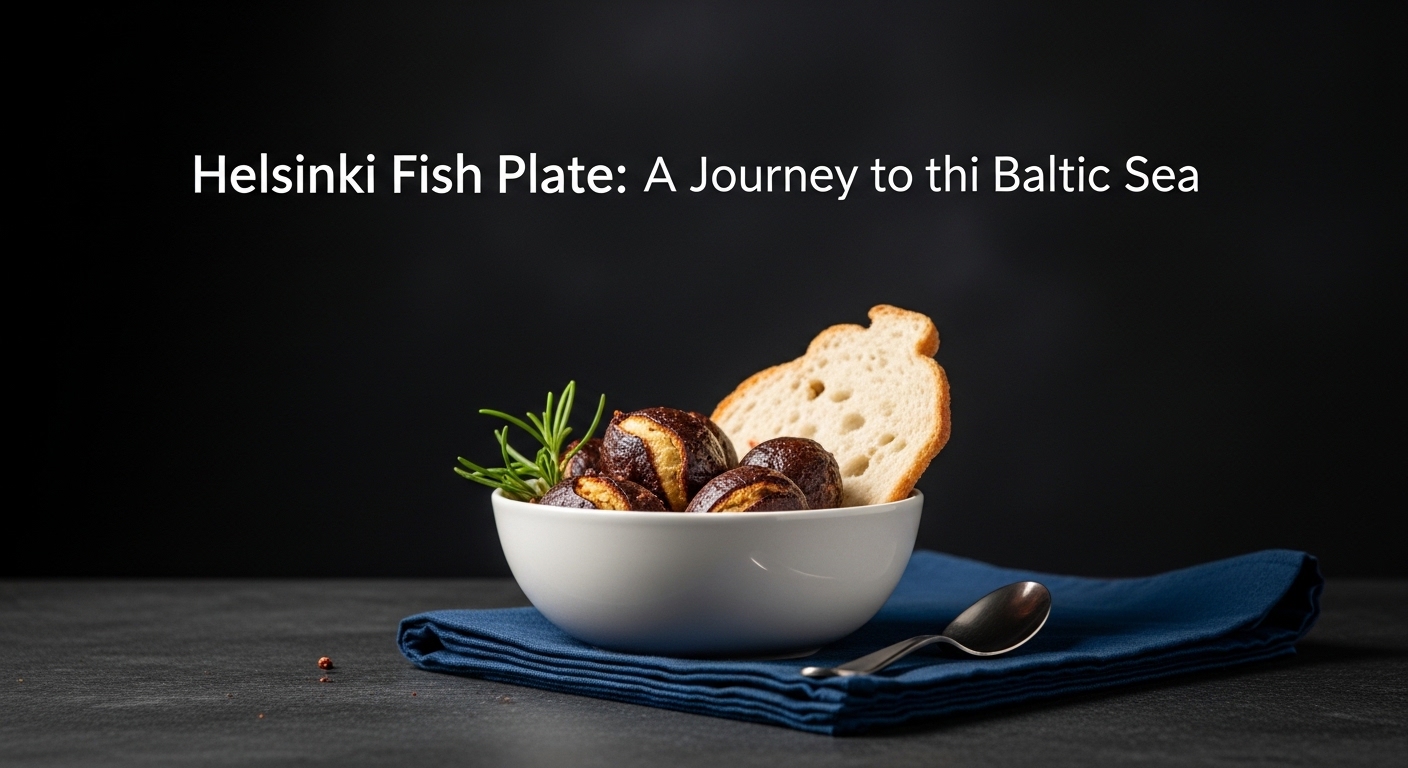
Ever tasted a dish that instantly transports you to the sun-dappled shores of Finland’s capital? The Helsinki Fish Plate isn’t just a meal—it’s an experience. This vibrant, heartwarming creation embodies the spirit of coastal Nordic cuisine: simple, fresh, and deeply satisfying. Whether you’re a seasoned chef or a curious home cook, this dish offers a delicious gateway into Finnish culinary traditions.
The Helsinki Fish Plate is more than fish on a plate—it’s a celebration of the Baltic Sea’s bounty, layered with seasonal vegetables, aromatic herbs, and a touch of local flair. With its balance of textures and flavors, it’s no wonder this dish has become a favorite in both traditional taverns and modern bistros across Helsinki. In this article, we’ll walk you through how to recreate this iconic dish at home, complete with authentic techniques, flavorful variations, and expert tips to make your version unforgettable.
Why the Helsinki Fish Plate Stands Out
At first glance, the Helsinki Fish Plate might seem like any other fish preparation. But its magic lies in the harmony of elements. Traditionally, it features grilled or pan-seared whitefish—often perch, cod, or herring—paired with sautéed root vegetables, a tangy lingonberry sauce, and sometimes creamy potato purée. The result? A dish that’s both comforting and elegant, perfect for a family dinner or a special occasion.
- Freshness First: The cornerstone of any great Helsinki Fish Plate is the quality of the fish. Wild-caught from the Baltic Sea ensures a clean, briny taste with a firm texture.
- Seasonal Simplicity: Using local, seasonal ingredients keeps the dish light yet nourishing—think carrots, beets, and potatoes picked at their peak.
- Bold Flavors with Subtlety: Lingonberries add a sweet-tart contrast that elevates the dish without overpowering the delicate fish.
A Taste of Tradition
In Finland, fish dishes are central to daily life, especially near the coast. The Helsinki Fish Plate reflects this cultural pride—a dish that honors both the sea and the land. It’s often served in cozy smörgåsbord settings during winter festivals or as a light summer supper by the lake. Its popularity has spread beyond Finland, inspiring chefs worldwide to adapt it with global twists while staying true to its roots.
Helsinki Fish Plate Recipe Summary
| Attribute | Details |
|---|---|
| Prep Time | 25 minutes |
| Cook Time | 20 minutes |
| Total Time | 45 minutes |
| Servings | 4 |
| Cuisine | Finnish / Nordic |
| Course | Dinner |
| Calories (approx.) | 420 per serving |
Ingredients You’ll Need
Gather these fresh, high-quality ingredients for an authentic Helsinki Fish Plate:
For the Fish & Vegetables:
- 4 fillets of Baltic whitefish (such as perch or cod), about 6 oz each
- 2 medium potatoes, peeled and cubed
- 1 small beet, peeled and diced
- 1 medium carrot, sliced into rounds
- 1 leek, cleaned and thinly sliced
- 2 tbsp butter or duck fat (for searing)
- 1 tbsp olive oil
- Salt and freshly ground black pepper
- Fresh dill and parsley, chopped (for garnish)
For the Lingonberry Sauce:
- 1 cup lingonberry jam (or cranberry sauce as a substitute)
- ¼ cup water
- 1 tbsp apple cider vinegar
- 1 tsp maple syrup (optional, for balance)
Optional Garnishes:
- Pickled red onions
- Microgreens
- A dollop of crème fraîche
Step-by-Step Cooking Instructions
Follow these clear, beginner-friendly steps to create your own Helsinki Fish Plate at home.
- Prepare the Potatoes: Boil the cubed potatoes in salted water for 12–15 minutes until tender. Drain and mash with 1 tbsp butter and a splash of cream. Set aside.
- Sauté the Root Vegetables: In a large skillet, heat 1 tbsp butter and olive oil. Add the beets and carrots. Cook over medium heat for 8 minutes until softened. Stir in the leeks and cook for another 3 minutes. Season with salt and pepper.
- Make the Lingonberry Sauce: In a small saucepan, combine lingonberry jam, water, vinegar, and maple syrup (if using). Warm gently over low heat, stirring until smooth and glossy. Remove from heat and keep warm.
- Cook the Fish: Pat fish fillets dry and season generously with salt and pepper. Heat remaining butter in a non-stick skillet over medium-high heat. Place fish skin-side down (if skin-on) and sear for 3–4 minutes until golden. Flip and cook for another 2–3 minutes until opaque and flaky. Avoid overcooking.
- Assemble the Dish: Spoon mashed potatoes onto plates. Top with sautéed vegetables and place a fish fillet on top. Drizzle with lingonberry sauce. Garnish with fresh dill, parsley, and optional pickled onions.
Chef’s Tips for Success
- Fish Selection Matters: Choose thick, firm fillets with moist flesh. Avoid fish that smells overly oceanic—opt for mild, clean scents.
- Don’t Skip the Skin: If your fish has skin, sear it first to crisp it up. It adds texture and prevents sticking.
- Control the Heat: Medium-high heat ensures a golden crust without drying out the fish.
- Lingonberry Hack: If fresh lingonberries aren’t available, use high-quality jam. Avoid overly sweet brands—look for tartness.
- Plate Like a Pro: Use contrasting colors: deep purple beets, bright green herbs, and golden fish. Presentation makes all the difference.
Common Mistakes to Avoid
- Overcrowding the Pan: Searing multiple fish fillets at once lowers the pan temperature and leads to steaming instead of searing.
- Skipping Drying the Fish: Wet fillets won’t sear properly. Always pat dry with paper towels.
- Overcooking the Fish: Whitefish cooks quickly. Use a fork to check if flakes easily.
- Using Low-Quality Jam: Cheap jams can be cloyingly sweet. Invest in artisanal or homemade lingonberry preserves.
Ingredient Substitutions & Variations
Want to put your own spin on the classic? Here are some creative swaps:
- Fish Alternatives: Try salmon (smoked or fresh) for richer flavor, or go vegetarian with marinated tofu or king oyster mushrooms.
- Vegetable Swap: Replace beets with parsnips or sweet potatoes for a different earthiness.
- Sauce Options: Use blueberry compote, orange-ginger glaze, or even a yogurt-dill sauce for variety.
- Potato-Free Option: Serve over quinoa or polenta for a lighter, grain-based base.
- Vegan Version: Use coconut oil instead of butter, cashew cream instead of dairy, and skip the fish entirely.
Serving Suggestions
Pair your Helsinki Fish Plate with sides that enhance its flavors:
- Bread: Serve with rye bread or dark sourdough—perfect for soaking up the lingonberry sauce.
- Salad: A simple arugula salad with lemon vinaigrette cuts through the richness.
- Drink Pairing: A crisp Pilsner, dry Riesling, or even a spruce beer (yes, really!) complements the dish beautifully.
Storage & Reheating Instructions
To enjoy leftovers the next day:
- Refrigerate: Store components separately in airtight containers for up to 3 days.
- Reheat Safely: Gently reheat fish in a skillet over low heat with a splash of water or broth. Avoid microwaving—it can dry out the fish.
- Best Reheated: Mashed potatoes and lingonberry sauce reheat well. Vegetables should be warmed through but not mushy.
Nutrition Facts (Approximate Per Serving)
| Nutrient | Amount |
|---|---|
| Calories | 420 |
| Protein | 32g |
| Fat | 18g |
| Carbohydrates | 38g |
| Fiber | 6g |
| Sugar | 12g |
| Sodium | 480mg |
| Omega-3 Fatty Acids | High |
Key Takeaways
- The Helsinki Fish Plate is a celebration of Nordic simplicity, featuring fresh fish, seasonal vegetables, and tangy lingonberry sauce.
- Authenticity comes from using high-quality, locally inspired ingredients and gentle cooking methods.
- With minor adjustments, this dish can be adapted for vegetarians, vegans, or those with dietary preferences.
- Proper storage and reheating ensure you can enjoy leftovers without sacrificing flavor.
- This recipe is ideal for home cooks looking to explore global cuisines with confidence.
Frequently Asked Questions (FAQ)
1. What type of fish is best for Helsinki Fish Plate?
Whitefish like perch, cod, or haddock work best due to their mild flavor and firm texture. Avoid oily fish like mackerel, which can overwhelm the dish.
2. Can I make this dish ahead of time?
Yes! Prepare the mashed potatoes, sautéed vegetables, and lingonberry sauce up to a day in advance. Keep fish raw and refrigerate separately. Reassemble and reheat just before serving.
3. Is lingonberry sauce essential?
While traditional, it’s not mandatory. Cranberry sauce, blueberry compote, or even a honey-lime drizzle make excellent substitutes.
4. How do I know when the fish is cooked through?
The flesh should turn opaque and easily flake with a fork. Internal temperature should reach 145°F (63°C).
5. Can I freeze this dish?
Freezing is not recommended for the fish, as it can become rubbery. However, you can freeze the mashed potatoes and vegetable mix for up to 3 months. Thaw and reheat before assembling.
Conclusion: Bring the Baltic to Your Table
The Helsinki Fish Plate is more than a recipe—it’s a passport to Finland’s coastal kitchens. With its balance of earthy vegetables, delicate fish, and vibrant sauce, it proves that great food doesn’t need complexity to impress. Whether you’re hosting a dinner party or treating yourself after a long week, this dish delivers comfort with elegance.
So gather your ingredients, fire up the stove, and let the aroma of sizzling fish and simmering lingonberries fill your kitchen. You don’t need to travel to Helsinki to taste its soul—just follow this recipe and bring the Baltic Sea to your dinner table tonight.
Leave a Reply