Gumbo: The Soul of Louisiana in a Bowl
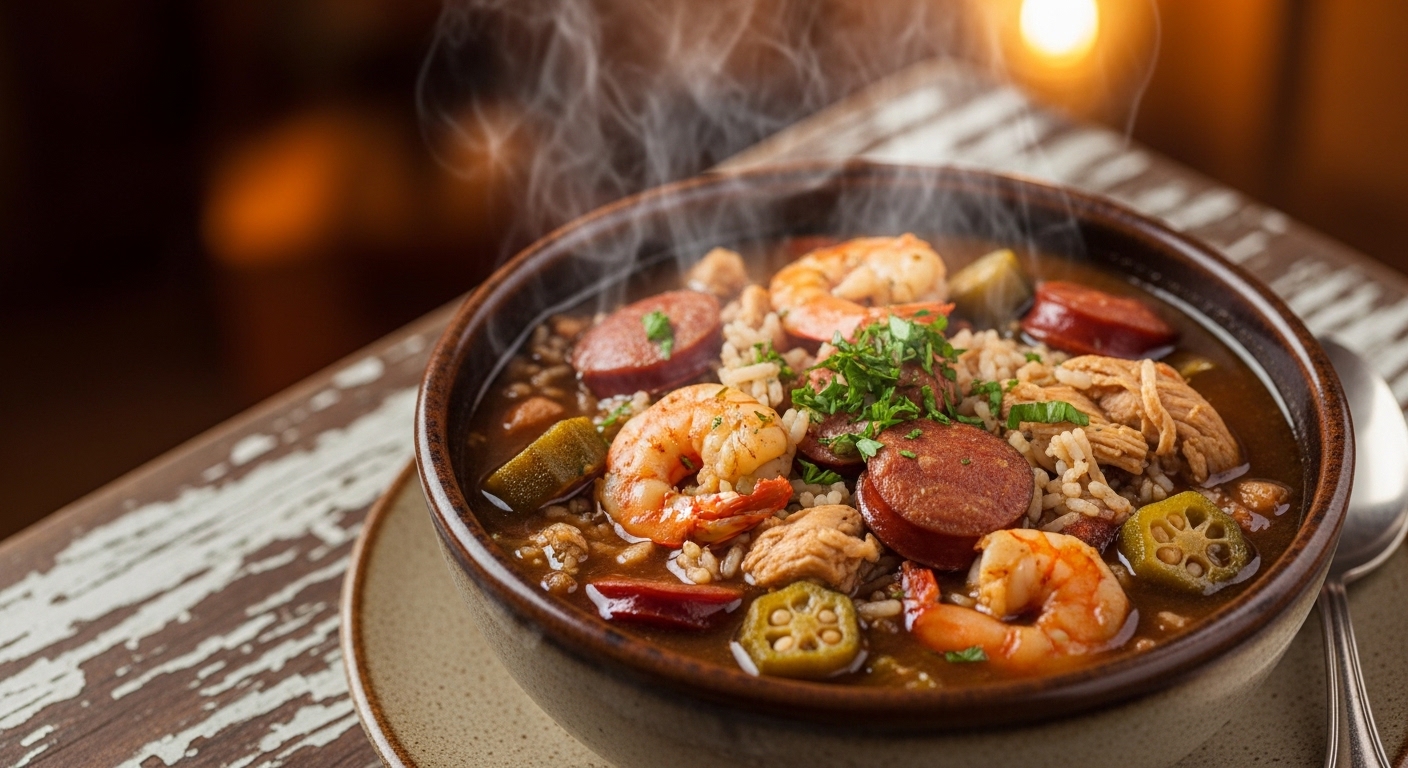
Imagine a rich, deeply flavorful stew that warms your bones and tells a story with every spoonful. That’s gumbo—the iconic dish that embodies the heart and soul of Louisiana cuisine. Born from a melting pot of French, Spanish, African, and Native American influences, gumbo is more than just a meal; it’s a cultural experience. Thick, aromatic, and packed with bold flavors, this Creole and Cajun classic combines meat or seafood, the holy trinity of vegetables, and a dark roux to create a dish that’s both comforting and complex. Whether you’re simmering chicken and andouille sausage or diving into a seafood-laden version, gumbo delivers a taste of the Bayou like no other.
What Makes Gumbo So Special?
Gumbo stands out because of its unique texture and depth of flavor. Unlike most soups or stews, it gets its signature thickness from either a dark roux, filé powder (ground sassafras leaves), or okra—or sometimes a combination of all three. This “thickening trifecta” gives gumbo its velvety body and rich mouthfeel. The dish is traditionally served over steamed white rice, which soaks up every bit of the savory broth.
What truly sets gumbo apart is its versatility. You can make it with chicken, sausage, shrimp, crab, oysters, or even duck. It’s a dish that welcomes creativity while staying rooted in tradition. Whether you’re in New Orleans or your own kitchen, gumbo brings people together—just like a good Mardi Gras celebration.
Classic Chicken and Sausage Gumbo Recipe
This authentic gumbo recipe delivers bold, smoky, and deeply satisfying flavors. Perfect for family dinners, holiday gatherings, or when you just need a hug in a bowl. Follow this step-by-step guide to create a restaurant-quality gumbo at home.
Recipe Summary
| Prep Time | 20 minutes |
| Cook Time | 1 hour 40 minutes |
| Total Time | 2 hours |
| Servings | 6–8 |
| Cuisine | Creole / Cajun |
| Course | Main Dish |
| Calories (approx.) | 420 per serving |
Ingredients
- 1 cup all-purpose flour
- 1 cup vegetable oil (or bacon fat for extra flavor)
- 1 large onion, finely chopped
- 1 green bell pepper, diced
- 3 celery stalks, diced (the “holy trinity”)
- 4 cloves garlic, minced
- 1 pound andouille sausage, sliced into rounds
- 1 pound boneless, skinless chicken thighs, cut into bite-sized pieces
- 6 cups chicken broth (low-sodium preferred)
- 1 can (14.5 oz) diced tomatoes (optional, more common in Creole gumbo)
- 1 tablespoon Worcestershire sauce
- 1 teaspoon dried thyme
- 1 teaspoon smoked paprika
- 1/2 teaspoon cayenne pepper (adjust to taste)
- 2 bay leaves
- Salt and black pepper to taste
- 1/2 cup chopped fresh parsley
- 1/4 cup chopped green onions
- Cooked white rice, for serving
- Filé powder (optional, for thickening at the table)
Step-by-Step Instructions
- Make the Roux: In a heavy-bottomed Dutch oven or large pot, heat the oil over medium heat. Gradually whisk in the flour until smooth. Cook, stirring constantly, for 30–40 minutes until the roux turns a deep chocolate brown. This is the foundation of your gumbo—don’t rush it! A proper roux should smell nutty and rich, not burnt.
- Sauté the Holy Trinity: Add the onion, bell pepper, and celery to the roux. Cook for 8–10 minutes, stirring often, until the vegetables are soft and fragrant. Add the garlic and cook for 1 more minute.
- Brown the Meat: Push the vegetables to the side and add the sliced andouille sausage. Let it brown slightly for 3–4 minutes. Then add the chicken pieces and cook until they’re no longer pink on the outside.
- Build the Broth: Slowly pour in the chicken broth, stirring constantly to prevent lumps. Add the diced tomatoes (if using), Worcestershire sauce, thyme, smoked paprika, cayenne, bay leaves, salt, and black pepper. Bring to a boil, then reduce heat to low.
- Simmer to Perfection: Cover and simmer for 1 hour, stirring occasionally. The flavors will meld and deepen. Taste and adjust seasoning as needed.
- Finish and Serve: Stir in the chopped parsley and green onions. Remove bay leaves. Serve hot over a scoop of steamed white rice. For an authentic touch, offer filé powder at the table—just a pinch thickens and adds a subtle earthy flavor.
Chef Tips for the Best Gumbo
- Stir the roux constantly. One second of distraction can burn it, and you’ll have to start over.
- Use a heavy pot. Cast iron or enameled Dutch ovens distribute heat evenly and prevent hot spots.
- Don’t skip the andouille. This smoky, garlicky sausage is essential for authentic flavor. If you can’t find it, substitute with smoked kielbasa.
- Let it rest. Gumbo tastes even better the next day. The flavors deepen overnight.
- Balance the heat. Start with less cayenne and add more to taste. You can always spice it up, but you can’t take it back.
Common Mistakes to Avoid
- Burning the roux. This is the #1 gumbo fail. Keep the heat medium and stir without stopping.
- Using water instead of broth. Broth adds depth. Water dilutes flavor.
- Overcooking the chicken. Add it early enough to absorb flavor, but not so long that it turns dry.
- Skipping the holy trinity. Onion, celery, and bell pepper are non-negotiable in traditional gumbo.
- Serving without rice. Gumbo is not gumbo without a bed of fluffy white rice.
Ingredient Substitutions & Variations
- Seafood Gumbo: Replace chicken with 1 pound peeled shrimp, 1/2 pound crab meat, and 1/2 pound sliced okra. Add seafood in the last 10 minutes of cooking to prevent overcooking.
- Vegetarian Gumbo: Skip the meat and use vegetable broth. Add okra, mushrooms, and extra bell pepper. Thicken with filé powder or a cornstarch slurry.
- Vegan Gumbo: Use olive oil instead of bacon fat, vegetable broth, and plant-based sausage. Add smoked paprika for that “meaty” depth.
- Spicy Gumbo: Add diced jalapeños with the vegetables or a splash of hot sauce at the end.
- Smoky Flavor Boost: Use smoked salt or a dash of liquid smoke in the broth.
Serving Suggestions
Serve your gumbo in deep bowls with a generous scoop of steamed white rice. Garnish with extra green onions and parsley for freshness. Pair with crusty French bread for soaking up the broth. For a full Louisiana experience, serve with a side of cornbread or a simple green salad with Creole mustard vinaigrette.
Storage & Reheating
- Refrigerator: Store in an airtight container for up to 4 days. The flavors improve overnight!
- Freezer: Gumbo freezes beautifully for up to 3 months. Thaw in the fridge overnight before reheating.
- Reheating: Warm on the stovetop over low heat, stirring occasionally. Add a splash of broth if it thickens too much. Avoid microwaving for best texture.
Nutrition Facts (Per Serving)
- Calories: 420
- Total Fat: 28g
- Saturated Fat: 8g
- Cholesterol: 95mg
- Sodium: 980mg
- Total Carbohydrates: 22g
- Dietary Fiber: 3g
- Sugars: 4g
- Protein: 24g
Frequently Asked Questions About Gumbo
What is the difference between Creole and Cajun gumbo?
Creole gumbo, from New Orleans, often includes tomatoes and is more refined, reflecting French and Spanish influences. Cajun gumbo, from rural Louisiana, is darker, richer, and typically tomato-free, with a stronger emphasis on smoked meats and rustic flavors.
Can I make gumbo ahead of time?
Absolutely! Gumbo tastes better the next day. Make it a day in advance and reheat gently before serving. It’s perfect for meal prep or holiday planning.
Do I have to use filé powder?
No, but it’s traditional. Filé powder (made from sassafras leaves) adds a unique earthy flavor and helps thicken the gumbo. Add it at the table, not during cooking, to avoid stringiness.
Why is my gumbo too thin?
This usually happens if the roux isn’t dark enough or if the broth wasn’t reduced. Simmer longer to thicken, or stir in a teaspoon of filé powder at a time until you reach the desired consistency.
Can I use frozen okra in gumbo?
Yes! Frozen okra works well and helps thicken the stew naturally. Add it in the last 20 minutes of cooking to prevent mushiness.
Key Takeaways
- Gumbo is a rich, flavorful stew rooted in Louisiana’s diverse cultural heritage.
- The secret to great gumbo lies in a dark roux, the holy trinity (onion, celery, bell pepper), and slow simmering.
- This recipe features chicken and andouille sausage but can be adapted for seafood, vegetarian, or vegan diets.
- Serve over white rice and enjoy with crusty bread for an authentic experience.
- Gumbo stores and freezes well—perfect for make-ahead meals.
Final Thoughts: Why You Should Make Gumbo Tonight
Gumbo isn’t just a dish—it’s a tradition, a celebration, and a labor of love. Whether you’re cooking for family, friends, or just yourself on a chilly evening, this recipe brings the warmth and soul of Louisiana right to your table. With its bold flavors, comforting texture, and endless variations, gumbo is a dish that invites you to slow down, savor, and connect.
So grab your Dutch oven, stir that roux with patience, and let the aroma fill your kitchen. Once you taste that first spoonful—rich, smoky, and deeply satisfying—you’ll understand why gumbo is more than food. It’s a story. And now, it can be yours.
Don’t wait for Mardi Gras. Make gumbo tonight.