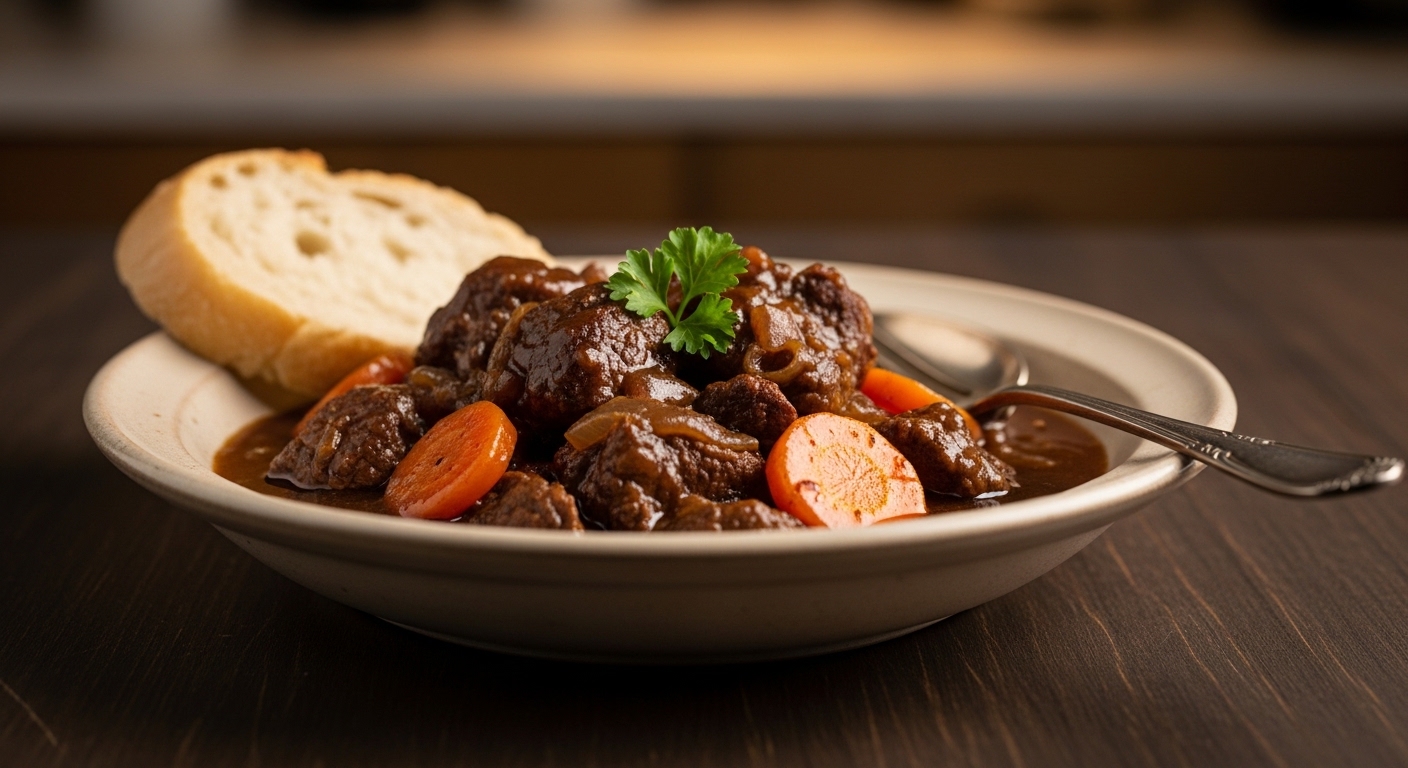
There’s something deeply satisfying about a bowl of Dutch Beef Stew—rich, tender meat slow-cooked with earthy vegetables and aromatic herbs until every bite melts into flavor. Originating from the Netherlands, this traditional dish has become beloved worldwide for its simplicity, depth of taste, and ability to warm both body and soul on chilly days. Unlike heavier European stews, Dutch Beef Stew leans toward a lighter, more balanced profile, often finished with a touch of red wine or tomato paste that adds brightness without overpowering the beef. Whether you’re new to Dutch cuisine or a seasoned home cook looking for a reliable one-pot wonder, this recipe delivers comfort with elegance.
Why Dutch Beef Stew Stands Out
Dutch Beef Stew isn’t just another pot roast—it’s a cultural touchstone. While many countries have their versions of beef stews (like Irish stew or French boeuf bourguignon), the Dutch approach emphasizes clean flavors, quality ingredients, and time-honored techniques. The key lies in browning the meat well before slow cooking, which builds layers of umami-rich fond at the bottom of the pot. Paired with pearl onions, carrots, potatoes, and sometimes mushrooms, the stew achieves a harmonious blend of textures and tastes.
What makes it truly special is how accessible it is—no exotic spices required, just pantry staples and patience. As Dutch cooks know, great food doesn’t need complexity; sometimes, less really is more.
Quick Recipe Summary
- Prep Time: 20 minutes
- Cook Time: 2 hours 45 minutes
- Total Time: 3 hours 5 minutes
- Servings: 6
- Cuisine: Dutch
- Course: Main Dish
- Calories (approx.): 485 kcal per serving
Ingredients You’ll Need
For an authentic yet adaptable Dutch Beef Stew, gather these ingredients:
- 3 lbs (1.4 kg) beef chuck roast, cut into 2-inch cubes
- 2 tbsp vegetable oil (or duck fat for authenticity)
- 1 large onion, finely chopped
- 4 cloves garlic, minced
- 2 medium carrots, peeled and sliced
- 3 celery stalks, diced
- 8 oz (225 g) pearl onions (or regular yellow onions, halved)
- 1 lb (450 g) baby potatoes, halved
- 2 cups (480 ml) low-sodium beef broth
- 1 cup (240 ml) dry red wine (preferably a light Dutch-style like Pinot Noir)
- 2 tbsp tomato paste
- 1 tsp dried thyme (or 1 tbsp fresh)
- 1 bay leaf
- Salt and freshly ground black pepper, to taste
- 2 tbsp all-purpose flour (for thickening)
- Fresh parsley, chopped (for garnish)
Step-by-Step Cooking Instructions
- Brown the Beef: Pat the beef cubes dry with paper towels and season generously with salt and pepper. Heat half the oil in a heavy-bottomed Dutch oven or large pot over medium-high heat. Working in batches to avoid crowding, sear the beef on all sides until deeply browned (about 3–4 minutes per side). Remove and set aside.
- Sauté Aromatics: Add remaining oil to the same pot. Sauté the onions, garlic, carrots, and celery for 5–7 minutes until softened but not browned. Stir in tomato paste and cook for 1 minute to deepen its flavor.
- Deglaze & Build Flavor: Pour in the red wine, scraping up any browned bits from the bottom of the pan (this is your umami gold!). Let it simmer for 5 minutes to reduce slightly. Stir in beef broth, thyme, and bay leaf.
- Add Back Beef & Simmer: Return the seared beef to the pot along with any accumulated juices. Bring to a gentle boil, then reduce heat to low, cover, and simmer for 1 hour.
- Add Vegetables: After 1 hour, add pearl onions and potatoes. Cover and continue cooking for another 30–40 minutes, or until beef is fork-tender and vegetables are soft.
- Thicken the Stew: In a small bowl, whisk together flour with 2 tablespoons of cold water to make a slurry. Slowly stir this into the stew and cook uncovered for 10 minutes until slightly thickened.
- Taste & Adjust: Season with additional salt and pepper as needed. Discard bay leaf.
- Garnish & Serve: Ladle into bowls, sprinkle with fresh parsley, and enjoy immediately.
Chef Tips for Perfect Dutch Beef Stew
- Don’t Skip Browning: This step locks in flavor and creates that rich fond essential to depth.
- Use a Heavy Pot: A Dutch oven retains heat evenly—perfect for long, slow braises.
- Low and Slow Wins: Keep the heat low after adding liquid to prevent scorching and allow collagen in the beef to break down gracefully.
- Test Doneness Early: If the meat isn’t tender enough near the end, extend cooking time in 10-minute increments.
- Make It Ahead: Dutch stews actually taste better the next day as flavors meld. Reheat gently on the stove.
Common Mistakes to Avoid
- Overcrowding the Pot: Steaming instead of searing leads to pale, bland meat.
- Skipping the Wine Reduction: Wine adds acidity and complexity—don’t substitute with water.
- Cutting Beef Against the Grain Too Small: Large cubes hold up better during long cooking than tiny pieces.
- Adding Acid Late (Like Vinegar): Always deglaze early so acid integrates fully.
Ingredient Substitutions & Variations
Flexibility is part of the charm! Here’s how to adapt:
- Beef Substitute: Use stewing steak or even lamb shoulder if preferred.
- Vegan/Vegetarian Version: Replace beef with king oyster mushrooms and use vegetable broth + smoked paprika for depth.
- Gluten-Free Option: Use cornstarch slurry instead of flour.
- Spice It Up: Add ½ tsp caraway seeds for a classic Dutch twist.
- Indian-Inspired Twist: Swap red wine for tamarind water, add ginger-garlic paste, and finish with cilantro and garam masala.
- Lighter Healthier Version: Use leaner cuts like sirloin, trim visible fat, and increase veggie-to-meat ratio.
Serving Suggestions
Dutch Beef Stew shines when paired thoughtfully. Serve it alongside:
- Crusty rye bread or pretzel rolls—ideal for mopping up sauce.
- A simple green salad with vinaigrette to cut through richness.
- Mashed potatoes or boiled white rice for extra heartiness.
- A glass of chilled Sauvignon Blanc or a dark ale to complement the wine in the stew.
Storage & Reheating Tips
This stew keeps beautifully:
- Refrigerate: Store in airtight containers for up to 4 days.
- Freeze: Best consumed within 3 months. Thaw overnight in the fridge before reheating.
- Reheat Gently: Warm over low heat on the stove, adding a splash of broth if too thick. Avoid microwaving—it can make vegetables mushy.
Nutrition Facts (Approximate Per Serving)
- Calories: 485
- Protein: 38g
- Fat: 22g
- Carbohydrates: 28g
- Fiber: 4g
- Sugar: 6g
- Sodium: 620mg
Key Takeaways
- Dutch Beef Stew combines tender braised beef, seasonal vegetables, and aromatic herbs in a flavorful, comforting dish rooted in Dutch tradition.
- The secret to great stew lies in properly browning the meat and using quality ingredients like red wine and fresh thyme.
- It’s highly customizable—vegan, gluten-free, or spiced-up versions work just as well.
- Best enjoyed hot with crusty bread or mashed potatoes, and even better the next day!
Frequently Asked Questions
1. Can I make Dutch Beef Stew in a slow cooker?
Absolutely! After browning the beef and sautéing the aromatics, transfer everything to a slow cooker. Cook on low for 7–8 hours or high for 4–5 hours until beef is tender.
2. Is Dutch Beef Stew similar to Irish stew?
Both are hearty meat-and-vegetable stews, but Dutch Beef Stew typically includes wine and tomato paste, giving it a brighter, tangier profile compared to the simpler, broth-based Irish version.
3. What’s the difference between chuck roast and brisket for this recipe?
Chuck roast has more marbling and yields tender results when slow-cooked. Brisket works too but requires longer cooking time due to its leaner structure.
4. Can I use frozen vegetables?
Yes—add them halfway through cooking since they cook faster than fresh ones. Just be aware they may release more water, so adjust thickening time accordingly.
5. Why does my stew turn out watery?
Too much liquid, under-thickening, or not reducing the wine long enough can cause this. Simmer uncovered at the end to evaporate excess moisture, or use a slurry to stabilize the consistency.
Conclusion: Your New Favorite One-Pot Wonder
Dutch Beef Stew isn’t just a meal—it’s an experience. With its rustic charm, soul-warming flavors, and effortless preparation, it belongs in every kitchen. Whether you’re feeding a family, hosting friends, or simply treating yourself after a long week, this timeless dish proves that good food starts with love, patience, and a little bit of Dutch humility.
So grab your Dutch oven, gather your ingredients, and let the sizzle begin. Your future self will thank you with a perfectly tender bite of history in every spoonful.
Leave a Reply