Duck Confit Dinner: The Rich, Tender French Classic You Can Master at Home
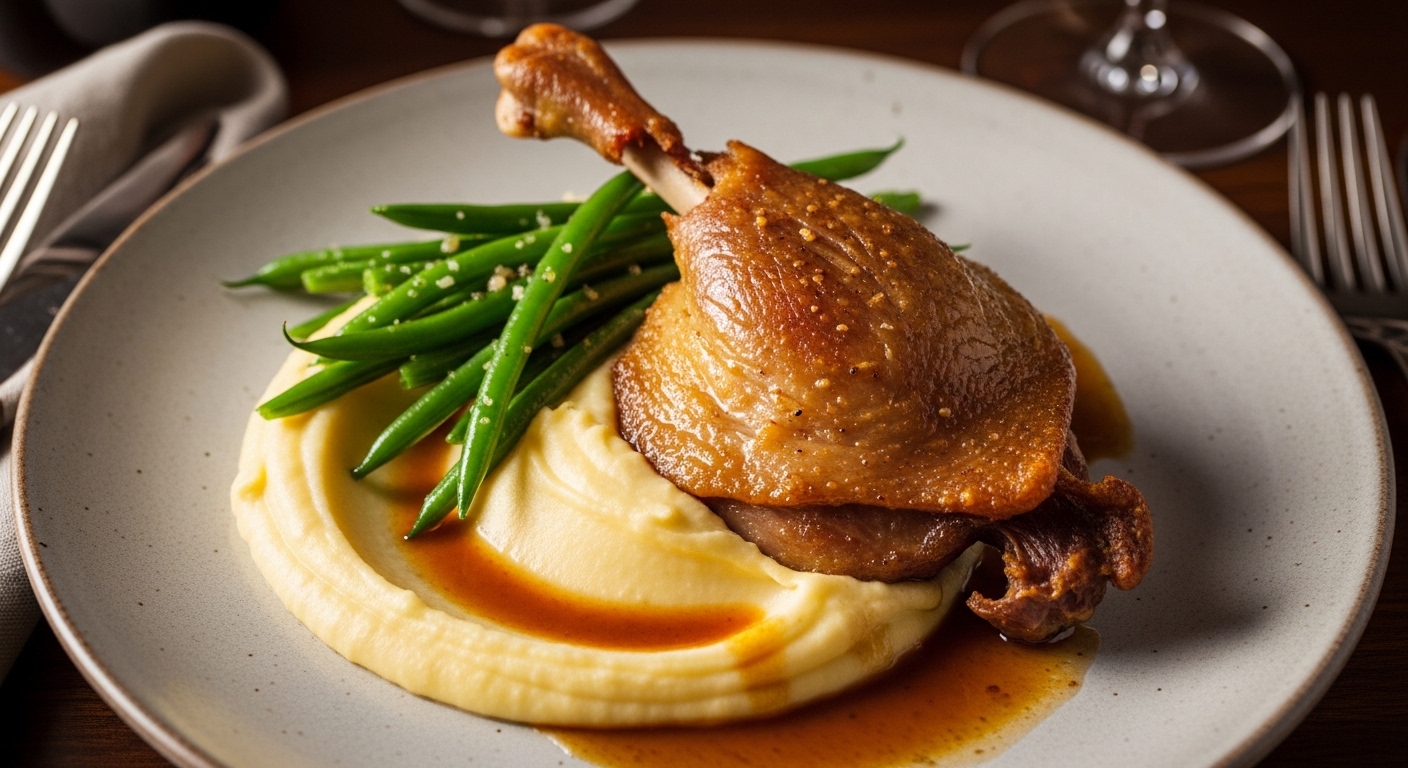
Imagine sinking your fork into succulent, fall-off-the-bone duck that’s been slowly cooked in its own rich fat until it’s impossibly tender, then crisped to golden perfection. That’s the magic of a duck confit dinner—a beloved French tradition that transforms humble ingredients into a luxurious, soul-warming meal. Originating from the Gascony region of southwest France, duck confit was once a preservation method, but today it’s a celebrated centerpiece of fine dining and home kitchens alike. With its melt-in-your-mouth texture, deep umami flavor, and crispy skin, it’s no wonder this dish has stood the test of time. Whether you’re hosting a dinner party or treating yourself to an elegant weeknight meal, duck confit delivers restaurant-quality results with surprisingly simple techniques.
Why Duck Confit Dinner Is Worth Your Time
Duck confit isn’t just a dish—it’s an experience. The slow, gentle cooking process coaxes out incredible depth of flavor while keeping the meat incredibly moist. Unlike roasted duck, which can dry out, confit ensures every bite is juicy and rich. It’s also surprisingly forgiving: once the duck legs are submerged in fat and cooked low and slow, they can be stored for weeks, making it perfect for meal prep or last-minute entertaining.
Beyond taste, duck confit offers versatility. Serve it with roasted root vegetables, a tangy cherry gastrique, or over creamy polenta. It pairs beautifully with red wine, especially a bold Côtes du Rhône or Pinot Noir. And because it’s traditionally made with duck fat—a staple in French cooking—you’re also getting a dose of rich, savory flavor that elevates every accompanying ingredient.
Quick Recipe Summary
| Prep Time | 20 minutes (+ optional overnight curing) |
| Cook Time | 2.5 to 3 hours |
| Total Time | 3 to 3.5 hours (or up to 24 hours with curing) |
| Servings | 4 |
| Cuisine | French |
| Course | Main Course |
| Calories (approx.) | 680 per serving |
Ingredients for the Perfect Duck Confit Dinner
This recipe uses four duck legs (thigh and drumstick attached), but you can adjust based on serving size. All ingredients are easy to find at well-stocked grocery stores or butcher shops.
- 4 duck legs (with skin on, preferably Moulard or Pekin)
- 2 tablespoons kosher salt
- 1 tablespoon freshly ground black pepper
- 4 garlic cloves, lightly smashed
- 4 sprigs fresh thyme
- 2 bay leaves
- 1 teaspoon black peppercorns
- 2 cups (500ml) duck fat (rendered or store-bought)
- 1 teaspoon herbes de Provence (optional, for extra aroma)
Step-by-Step Cooking Instructions
1. Cure the Duck (Optional but Recommended)
For deeper flavor and better texture, cure the duck legs overnight. In a bowl, mix salt, pepper, garlic, thyme, bay leaves, peppercorns, and herbes de Provence. Rub the mixture generously over each duck leg, place them in a single layer in a dish, cover, and refrigerate for 12–24 hours. This draws out moisture and seasons the meat thoroughly.
2. Rinse and Dry
Remove the duck from the fridge and rinse off the curing mixture under cold water. Pat the legs completely dry with paper towels—this is crucial for achieving crispy skin later.
3. Submerge in Duck Fat
Place the duck legs in a heavy oven-safe pot or Dutch oven. Pour the duck fat over them until fully submerged (about 2 cups). If needed, gently warm the fat on the stove to liquefy it before pouring.
4. Slow Cook in the Oven
Preheat your oven to 200°F (95°C). Cover the pot with a lid or aluminum foil and bake for 2.5 to 3 hours. The duck is done when the meat pulls away easily from the bone and a fork slides in without resistance.
5. Crisp the Skin
Remove the duck legs from the fat and place them skin-side down in a cold skillet. Turn the heat to medium-high and cook for 4–5 minutes until the skin is deeply golden and crispy. Flip and sear the other side for 1–2 minutes. Transfer to a plate and let rest for 5 minutes.
6. Serve Immediately
Arrange the duck confit on a warm platter and serve with your choice of sides. The rich, savory aroma will fill your kitchen—your dinner guests will be impressed before they even take a bite.
Chef Tips for the Best Duck Confit Dinner
- Use a thermometer: Ensure the internal temperature of the duck reaches 165°F (74°C) for food safety, though it will likely read higher due to slow cooking.
- Save the duck fat: Strain and store leftover fat in the fridge for up to 3 months. It’s perfect for roasting potatoes, frying eggs, or adding richness to soups.
- Don’t rush the cure: Even a 4-hour cure improves flavor, but 12+ hours is ideal.
- Keep the fat level consistent: If the duck isn’t fully submerged, it may not cook evenly or preserve well.
Common Mistakes to Avoid
- Skipping the drying step: Moisture prevents crisping. Always pat duck legs dry before cooking.
- Using high heat too soon: Confiting requires low, slow heat. High temps will toughen the meat.
- Overcooking during crisping: The meat is already tender—crisp the skin quickly to avoid drying it out.
- Buying low-quality duck: Look for plump, fresh duck legs with intact skin. Avoid those with strong odors.
Ingredient Substitutions and Variations
While traditional duck confit uses duck fat, you can adapt the recipe based on availability or dietary preferences:
- Duck fat substitute: Use a mix of olive oil and butter (2:1 ratio), though the flavor won’t be as rich. For a vegan version, see below.
- Herbs: Swap thyme for rosemary or sage. Add a strip of orange zest for citrus notes.
- Spice it up: Add a pinch of smoked paprika or chili flakes to the cure for a subtle kick.
- Indian-style twist: Marinate the duck in garam masala, turmeric, ginger, and garlic before confiting. Serve with basmati rice and mango chutney.
Vegan and Healthier Versions
While duck confit is inherently rich, you can create a plant-based alternative:
- Vegan “confit” jackfruit: Use young green jackfruit in brine. Shred it, season with smoked salt, garlic, and thyme, then slow-cook in olive oil. Finish by pan-frying for texture.
- Healthier duck confit: Reduce salt in the cure and serve smaller portions with extra vegetables. Pair with a green salad to balance richness.
Serving Suggestions for Duck Confit Dinner
Elevate your duck confit dinner with complementary sides and sauces:
- Classic French: Sautéed garlic spinach, roasted fingerling potatoes, and a red wine reduction.
- Modern twist: Duck confit over creamy parsnip purée with caramelized apples and crispy sage.
- Light pairing: Arugula salad with lemon vinaigrette, shaved fennel, and toasted walnuts.
- Wine pairing: A medium-bodied red like Burgundy or a dry rosé from Provence.
Storage and Reheating Instructions
One of the best things about duck confit is its longevity. Once cooked and cooled in fat, it can be stored in the refrigerator for up to 3 weeks. For longer storage, freeze for up to 3 months.
- Reheating: Remove duck from fat, place skin-side down in a skillet over medium heat, and crisp for 4–5 minutes. Alternatively, reheat in a 300°F (150°C) oven for 15 minutes, then finish in a hot pan for crispness.
- Reusing fat: Strain used duck fat through cheesecloth and store in a sealed jar. It’s excellent for cooking and adds depth to many dishes.
Nutrition Facts (Approximate per Serving)
- Calories: 680
- Total Fat: 62g
- Saturated Fat: 22g
- Cholesterol: 185mg
- Sodium: 980mg
- Protein: 28g
- Carbohydrates: 1g
Note: Values may vary based on duck size and fat used.
Key Takeaways
- Duck confit dinner is a timeless French dish known for its tender meat and crispy skin.
- The slow-cooking method in duck fat ensures rich flavor and perfect texture.
- Curing the duck overnight enhances taste and moisture retention.
- Save and reuse duck fat for future cooking—it’s a culinary goldmine.
- Serve with seasonal vegetables, grains, or bold sauces for a complete meal.
Frequently Asked Questions (FAQ)
Can I make duck confit without curing?
Yes, but curing improves flavor and texture. If short on time, skip the overnight step and season generously before cooking. The result will still be delicious, just less complex.
Where can I buy duck fat?
Duck fat is available at specialty butcher shops, French markets, or online. You can also render it yourself by slowly melting duck trimmings in a pot over low heat.
Is duck confit healthy?
Duck confit is high in fat and calories, but it’s also rich in protein and flavor. Enjoy it as an occasional indulgence, balanced with fresh vegetables and whole grains.
Can I use a slow cooker for duck confit?
Absolutely. Place the cured and dried duck legs in the slow cooker, cover with duck fat, and cook on low for 6–8 hours. Finish by crisping the skin in a skillet.
What’s the difference between confit and roast duck?
Confit is cooked slowly in fat at a low temperature, resulting in ultra-tender meat. Roasting uses dry heat and higher temps, which can dry out the meat if not carefully monitored.
Conclusion: Bring French Elegance to Your Table
A duck confit dinner isn’t just a meal—it’s a celebration of patience, tradition, and flavor. With minimal hands-on time and maximum payoff, this dish proves that some of the best culinary experiences come from simple, time-honored techniques. Whether you’re a seasoned cook or a curious beginner, mastering duck confit will elevate your dinner repertoire and impress everyone at the table. So gather your ingredients, embrace the slow cook, and savor every rich, crispy bite. Bon appétit!