Czech Roast Pork Dumplings: A Hearty Comfort Food Classic You’ll Love
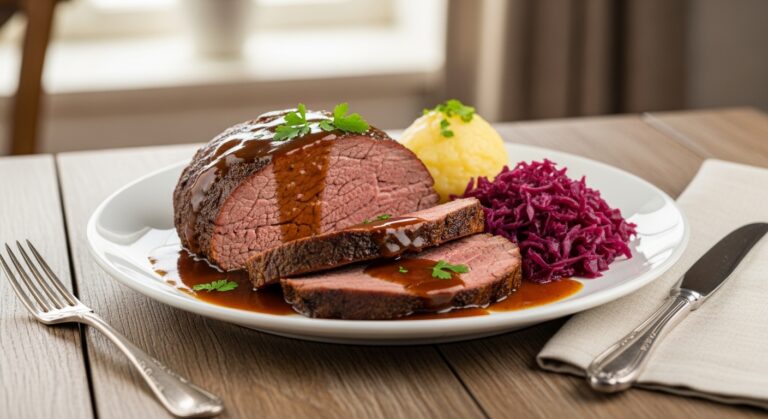
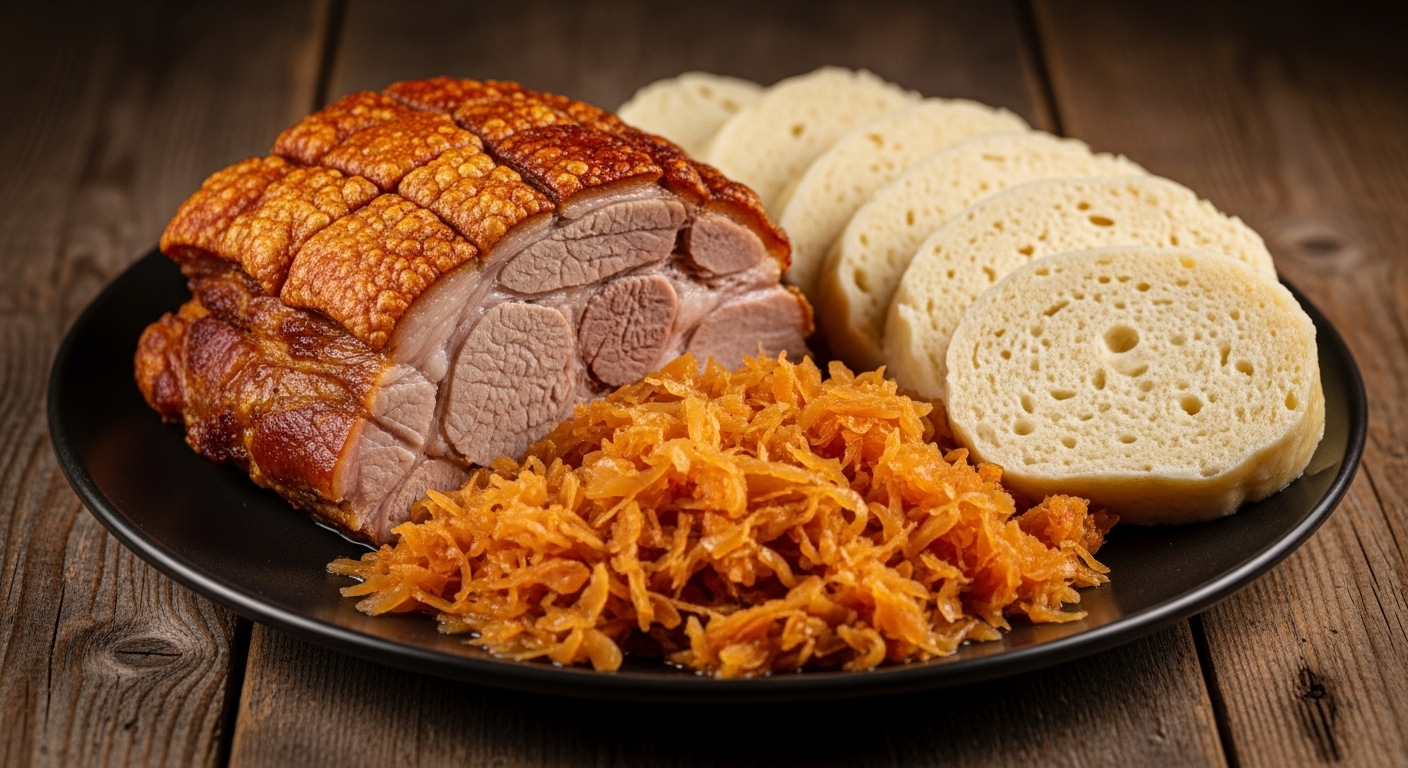
If you’re craving a rich, savory dish that warms your soul and fills your kitchen with irresistible aromas, look no further than Czech roast pork dumplings. This beloved Central European comfort food combines tender, slow-roasted pork shoulder with soft, pillowy bread dumplings—creating a meal that’s both rustic and deeply satisfying. Originating from the heart of the Czech Republic, this dish has been a staple at family dinners, festive gatherings, and Sunday lunches for generations.
What makes Czech roast pork dumplings so special? It’s the perfect harmony of textures and flavors: juicy, fall-apart pork infused with garlic, caraway, and marjoram, served alongside fluffy dumplings that soak up every last drop of the savory pan juices. Whether you’re exploring Eastern European cuisine for the first time or revisiting a childhood favorite, this recipe delivers authentic taste with approachable steps.
Why Czech Roast Pork Dumplings Are a Must-Try
Czech roast pork dumplings aren’t just delicious—they’re a cultural experience. Traditionally served with braised red cabbage and a dollop of creamy horseradish sauce, this dish embodies the hearty, no-fuss elegance of Czech home cooking. The dumplings, known locally as knedlíky, are made from day-old bread, eggs, and flour, giving them a dense yet tender bite that’s perfect for mopping up rich gravy.
What sets this recipe apart is its balance of simplicity and depth. The pork is marinated overnight (or at least a few hours) in a blend of vinegar, garlic, and spices, which tenderizes the meat and infuses it with bold flavor. Then, it’s slow-roasted until it shreds with a fork. Paired with homemade bread dumplings, the result is a meal that feels luxurious without requiring gourmet skills.
Recipe Summary
| Prep Time | 30 minutes (+ 4–12 hours marinating) |
| Cook Time | 3–4 hours |
| Total Time | 4–5 hours (including marinating) |
| Servings | 6 |
| Cuisine | Czech (Central European) |
| Course | Main Course |
| Calories (approx.) | 680 per serving |
Ingredients
For the Roast Pork:
- 3–4 lbs (1.4–1.8 kg) pork shoulder (also called pork butt), bone-in for extra flavor
- 3 cloves garlic, minced
- 1 tbsp caraway seeds, lightly crushed
- 1 tbsp dried marjoram
- 1 tbsp sweet paprika
- 1 tsp black pepper
- 1 tsp salt
- 1/4 cup white wine vinegar or apple cider vinegar
- 2 tbsp vegetable oil
- 1 large onion, quartered
- 2 bay leaves
- 1 cup beef or chicken broth (low-sodium preferred)
For the Bread Dumplings (Knedlíky):
- 1 lb (450g) day-old white bread rolls or French bread, cut into 1-inch cubes (about 6 cups)
- 2 large eggs
- 1/2 cup whole milk, warmed
- 1/4 cup all-purpose flour
- 1 tsp salt
- 1/4 tsp ground nutmeg
- 2 tbsp fresh parsley, finely chopped
- 2 tbsp unsalted butter (for greasing the baking dish)
For Serving (Optional but Traditional):
- Braised red cabbage
- Prepared horseradish sauce or freshly grated horseradish mixed with sour cream
- Extra pan juices or gravy
Step-by-Step Cooking Instructions
Step 1: Marinate the Pork
In a small bowl, mix the minced garlic, caraway seeds, marjoram, paprika, black pepper, salt, and vinegar to form a thick paste. Rub this mixture all over the pork shoulder, making sure to coat every surface. Place the pork in a large resealable bag or covered dish, add the quartered onion and bay leaves, then refrigerate for at least 4 hours—preferably overnight. This step is crucial for tender, flavorful meat.
Step 2: Preheat and Sear
Preheat your oven to 300°F (150°C). Remove the pork from the marinade (reserve the onions and bay leaves) and pat it dry with paper towels. Heat the vegetable oil in a large Dutch oven or heavy oven-safe pot over medium-high heat. Sear the pork on all sides until deeply browned—about 3–4 minutes per side. This builds a rich fond (browned bits) that will flavor your gravy.
Step 3: Roast Low and Slow
Once seared, transfer the pork to a plate. In the same pot, add the reserved onions and bay leaves, sautéing for 2–3 minutes until fragrant. Return the pork to the pot, fat-side up. Pour in the broth—just enough to come about one-third of the way up the sides of the meat. Cover tightly with a lid or aluminum foil.
Transfer to the oven and roast for 3–4 hours, or until the internal temperature reaches 195°F (90°C) and the meat shreds easily with a fork. Baste occasionally with pan juices if desired.
Step 4: Make the Bread Dumplings
While the pork roasts, prepare the dumplings. In a large bowl, combine the bread cubes, warm milk, eggs, salt, nutmeg, and parsley. Let sit for 10–15 minutes, stirring occasionally, until the bread absorbs the liquid and becomes mushy.
Gradually stir in the flour until a soft, cohesive dough forms. It should hold together but not be sticky. Lightly grease a 9×13-inch baking dish with butter. Shape the dough into a log about 8 inches long and place it in the dish. Cover with plastic wrap and let rest for 20 minutes.
Step 5: Steam the Dumplings
Bring a large pot of salted water to a gentle simmer (not boiling). Place the baking dish with the dumpling dough into the pot, making sure the water comes about halfway up the sides of the dish. Cover and steam for 30–35 minutes, or until the dumplings are firm and cooked through. A toothpick inserted should come out clean.
Step 6: Rest and Serve
Once the pork is done, remove it from the oven and let it rest for 15–20 minutes before slicing or shredding. Remove the dumplings from the steamer and let cool slightly, then slice into 1-inch thick rounds. Serve the pork hot, topped with pan juices, alongside the dumplings, braised cabbage, and a spoonful of horseradish sauce.
Chef Tips for Best Results
- Use day-old bread: Fresh bread is too moist and can make dumplings gummy. Stale bread absorbs liquid better and yields a lighter texture.
- Don’t skip the sear: Browning the pork creates depth of flavor through the Maillard reaction—essential for a rich, complex taste.
- Low and slow wins: Roasting at 300°F ensures the collagen breaks down slowly, resulting in melt-in-your-mouth tenderness.
- Make your own gravy: After removing the pork, skim excess fat from the pan, then whisk in 1–2 tbsp flour. Cook for 1 minute, then slowly add broth or water, scraping up browned bits. Simmer until thickened.
Common Mistakes to Avoid
- Overmixing the dumpling dough: This can make the dumplings tough. Mix just until combined.
- Boiling the dumplings: Vigorous boiling can cause them to fall apart. Always use a gentle simmer.
- Skipping the marinade: The vinegar and spices are key to tenderizing and flavoring the pork. Don’t rush this step.
- Using lean cuts: Pork shoulder is ideal because of its fat and connective tissue. Lean cuts like loin will dry out during long roasting.
Ingredient Substitutions & Variations
- Vegetarian option: Replace pork with roasted portobello mushrooms or seitan, and use vegetable broth. Serve with mushroom gravy.
- Gluten-free dumplings: Use gluten-free bread and substitute cornstarch or rice flour for all-purpose flour.
- Spice it up: Add a pinch of cayenne or smoked paprika to the marinade for a subtle kick.
- Indian-inspired twist: Marinate the pork with garam masala, turmeric, and ginger. Serve with spiced lentils instead of cabbage.
Serving Suggestions
For an authentic Czech experience, serve your roast pork dumplings with:
- Braised red cabbage: Slow-cooked with apples, vinegar, and cloves for a sweet-tart balance.
- Horseradish cream: Mix freshly grated horseradish with sour cream, a splash of vinegar, and a pinch of salt.
- A crisp green salad: Lighten the meal with arugula, radishes, and a lemon vinaigrette.
- A cold Czech pilsner: The crisp, hoppy beer cuts through the richness perfectly.
Storage & Reheating Instructions
- Refrigerate: Store leftovers in an airtight container for up to 4 days.
- Freeze: Pork and dumplings freeze well for up to 3 months. Wrap dumplings individually to prevent sticking.
- Reheat: Warm pork in a covered dish with a splash of broth at 325°F (160°C) for 20–25 minutes. Reheat dumplings in a steamer or microwave with a damp paper towel to retain moisture.
Nutrition Facts (Approximate per Serving)
- Calories: 680
- Protein: 48g
- Carbohydrates: 52g
- Fat: 32g
- Saturated Fat: 11g
- Cholesterol: 145mg
- Sodium: 890mg
- Fiber: 3g
- Sugar: 6g
Key Takeaways
- Czech roast pork dumplings are a traditional, comforting dish featuring slow-roasted pork and soft bread dumplings.
- Marinating the pork overnight ensures maximum tenderness and flavor.
- Homemade bread dumplings are easy to make with day-old bread, eggs, and milk.
- Serve with braised cabbage and horseradish sauce for an authentic experience.
- This recipe is freezer-friendly and perfect for meal prep.
FAQ
Can I make Czech roast pork dumplings ahead of time?
Absolutely! The pork tastes even better the next day as the flavors deepen. Roast and steam the dumplings, then store separately. Reheat both gently before serving.
What can I use instead of caraway seeds?
If you dislike caraway’s anise-like flavor, substitute with fennel seeds or omit entirely. The dish will still be delicious, though slightly less traditional.
Are the dumplings boiled or baked?
They’re steamed, not boiled or baked. This method keeps them moist and tender without drying out.
Can I use store-bought dumplings?
Yes, pre-made bread dumplings are available in some European markets or online. Just steam or reheat according to package instructions.
Is this recipe suitable for a dinner party?
Definitely! It’s impressive yet homey, and most of the work can be done in advance. Guests will love the rich flavors and comforting presentation.
Final Thoughts
Czech roast pork dumplings are more than just a meal—they’re a celebration of tradition, warmth, and hearty flavor. Whether you’re cooking for a family dinner or impressing guests with international cuisine, this recipe delivers consistent, delicious results. With its tender pork, pillowy dumplings, and rich pan juices, it’s a dish that satisfies on every level.
So roll up your sleeves, gather your ingredients, and give this classic a try. Your taste buds—and your kitchen—will thank you.