Cyprus Halloumi Plate: The Perfect Mediterranean Delight
Looking for a dish that’s crispy, tangy, and bursting with flavor? The Cyprus Halloumi Plate is your answer. This beloved Cypriot cheese has taken the world by storm, and when served as part of a vibrant plate—often grilled or pan-fried—it becomes a centerpiece of Mediterranean cuisine. Whether you’re new to halloumi or a seasoned fan, this dish offers a satisfying blend of textures and tastes that make it ideal for breakfast, lunch, or dinner. Let’s dive into why this simple yet bold plate deserves a spot on your table.
What Makes Cyprus Halloumi So Special?
Halloumi originates from Cyprus, where it’s traditionally made from a mix of goat and sheep milk, though cow’s milk versions are now common worldwide. What sets it apart is its unique texture—it doesn’t melt when cooked, making it perfect for grilling or frying while retaining its firm, slightly salty bite. Its high protein content and low fat (in traditional forms) add to its appeal among health-conscious eaters.
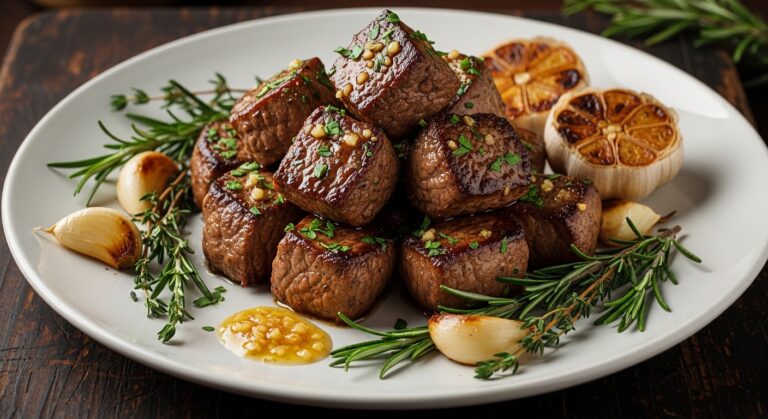
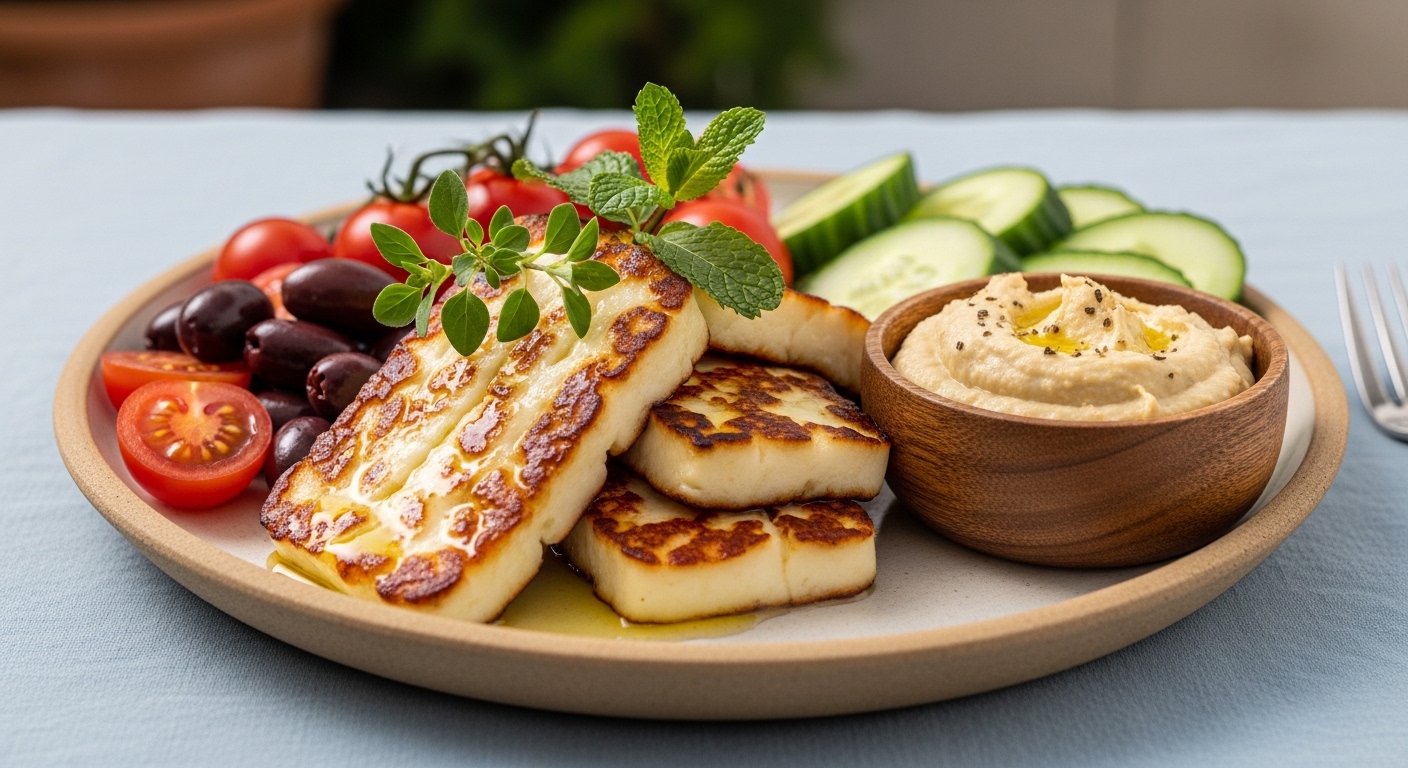
Serving halloumi on a plate isn’t just about taste—it’s about experience. A well-prepared Cyprus Halloumi Plate typically features golden-brown cubes paired with fresh vegetables, herbs, and sometimes a drizzle of olive oil or lemon. It’s colorful, nourishing, and deeply satisfying.
Quick Recipe Summary Table
| Prep Time | Cook Time | Total Time | Servings | Cuisine | Course | Calories (approx.) |
|---|---|---|---|---|---|---|
| 10 minutes | 8–10 minutes | 18–20 minutes | 2 | Mediterranean / Cypriot | Main Course / Brunch | 350 kcal |
Essential Ingredients for Your Cyprus Halloumi Plate
- Halloumi cheese – 200g (preferably Cypriot-style, but store-bought works too)
- Olive oil – 2 tablespoons
- Lemon juice – 1 tablespoon
- Fresh mint leaves – a handful, chopped
- Salt and black pepper – to taste
- Tomatoes – 1 cup, sliced (use cherry or vine-ripened)
- Cucumber – ½ cup, diced
- Red onion – ¼ cup, thinly sliced
- Optional: Feta cheese crumbles – 2 tablespoons for extra tang
Step-by-Step Cooking Instructions
1. Prepare the Halloumi
Cut the halloumi into 1-inch cubes. Pat them dry gently with a paper towel—this helps achieve a better sear. Avoid soaking them in water, as excess moisture can prevent browning.
2. Grill or Pan-Fry the Cheese
Heat a non-stick skillet over medium-high heat. Add 1 tablespoon of olive oil. Once shimmering, place the halloumi cubes in the pan. Cook for 2–3 minutes per side until golden and slightly crisp. Avoid moving them around too much—they should develop a nice crust.
3. Assemble the Plate
While the cheese cooks, prepare the salad base in a large serving bowl: toss together tomatoes, cucumber, red onion, mint, and feta if using. Drizzle lightly with olive oil and lemon juice, then season with salt and pepper.
4. Combine and Serve
Transfer the hot halloumi cubes onto the bed of fresh vegetables. Sprinkle with extra chopped mint and a final squeeze of lemon before serving immediately.
Chef Tips for the Best Cyprus Halloumi Plate
- Don’t skip drying the halloumi—moisture is the enemy of crispiness.
- Use medium-high heat to get that beautiful golden exterior without burning.
- Add garlic slivers to the pan while cooking for an aromatic boost—just sauté for 30 seconds before adding halloumi.
- Serve immediately after plating to maintain warmth and texture contrast.
Common Mistakes to Avoid
- Overcooking the halloumi—it can become rubbery; aim for golden and soft inside.
- Using low heat, which leads to soggy, pale cheese instead of crispy.
- Skipping acidity—the lemon juice balances the richness perfectly.
- Buying low-quality halloumi—look for brands that say “made with goat/sheep milk” for authentic flavor.
Ingredient Substitutions & Variations
Vegetarian/Vegan Option
For a vegan version, swap halloumi with marinated tofu or tempeh. Marinate overnight in soy sauce, garlic, and smoked paprika before grilling.
Indian-Inspired Twist
Add spices like cumin, coriander powder, and chili flakes to the salad. Top with yogurt raita instead of lemon juice for a cooling effect.
Healthier Version
Use air-fried halloumi (preheated at 200°C for 12 minutes, flipped halfway) to reduce oil usage by 70%. Keep all other ingredients same.
Serving Suggestions
Pair your Cyprus Halloumi Plate with warm pita bread, tabbouleh, or a side of hummus for dipping. For brunch, add poached eggs on top for a hearty twist. In summer, serve chilled over a bed of arugula for a refreshing salad variation.
Storage & Reheating
- Refrigeration: Store leftover halloumi and salad separately. Halloumi lasts up to 2 days; salad up to 1 day due to moisture.
- Reheating: Reheat halloumi in a pan over medium heat for 2–3 minutes per side. Never microwave—it ruins the texture.
Nutrition Facts (Per Serving)
- Calories: 350 kcal
- Protein: 18g
- Carbohydrates: 12g (of which sugars: 6g)
- Fat: 24g (mostly unsaturated)
- Sodium: 750mg (moderate—adjust if sensitive)
- Fiber: 3g
Key Takeaways
- The Cyprus Halloumi Plate combines rich, savory halloumi with fresh, zesty vegetables for a balanced meal.
- Grilling or pan-searing halloumi requires attention to heat and moisture control for best results.
- It’s highly customizable—vegan, spicy Indian, or Mediterranean styles all work beautifully.
- With minimal prep and maximum flavor, it’s perfect for busy weeknights or weekend brunches.
Frequently Asked Questions (FAQs)
1. Can I use store-bought halloumi for this recipe?
Yes! While traditional Cypriot halloumi uses goat and sheep milk, most supermarkets carry good-quality versions. Just avoid overly processed or heavily packaged ones—check labels for minimal additives.
2. Why does my halloumi fall apart when frying?
This usually happens if the cheese is too old or has been refrigerated too long. Fresh halloumi holds shape better. Also, don’t overcrowd the pan—give each cube space to cook properly.
3. Is halloumi healthy?
Traditional halloumi is higher in protein and calcium than many other cheeses, with less fat than melted varieties. However, it’s still calorie-dense, so enjoy in moderation as part of a balanced diet.
4. Can I make this ahead of time?
Best enjoyed fresh, but you can prep the salad components up to 2 hours ahead and store them covered in the fridge. Cook and grill the halloumi right before serving.
5. What wine pairs well with this dish?
A crisp white like Assyrtiko from Santorini or a light rosé complements the halloumi’s saltiness and the lemon’s brightness. Avoid heavy reds that clash with dairy.
Conclusion: Bring the Flavors of Cyprus Home Today
The Cyprus Halloumi Plate isn’t just food—it’s a celebration of sun-drenched islands, ancient traditions, and simple pleasures. With its satisfying crunch, creamy interior, and vibrant accompaniments, it’s no wonder this dish has captured hearts worldwide. Whether you’re hosting friends, treating yourself, or exploring Mediterranean flavors, this recipe delivers on every level.
So grab your knife, fire up the stove, and turn ordinary ingredients into something extraordinary. Your taste buds will thank you—and maybe even send a little “Yia sou!” (Greek for “cheers!”).