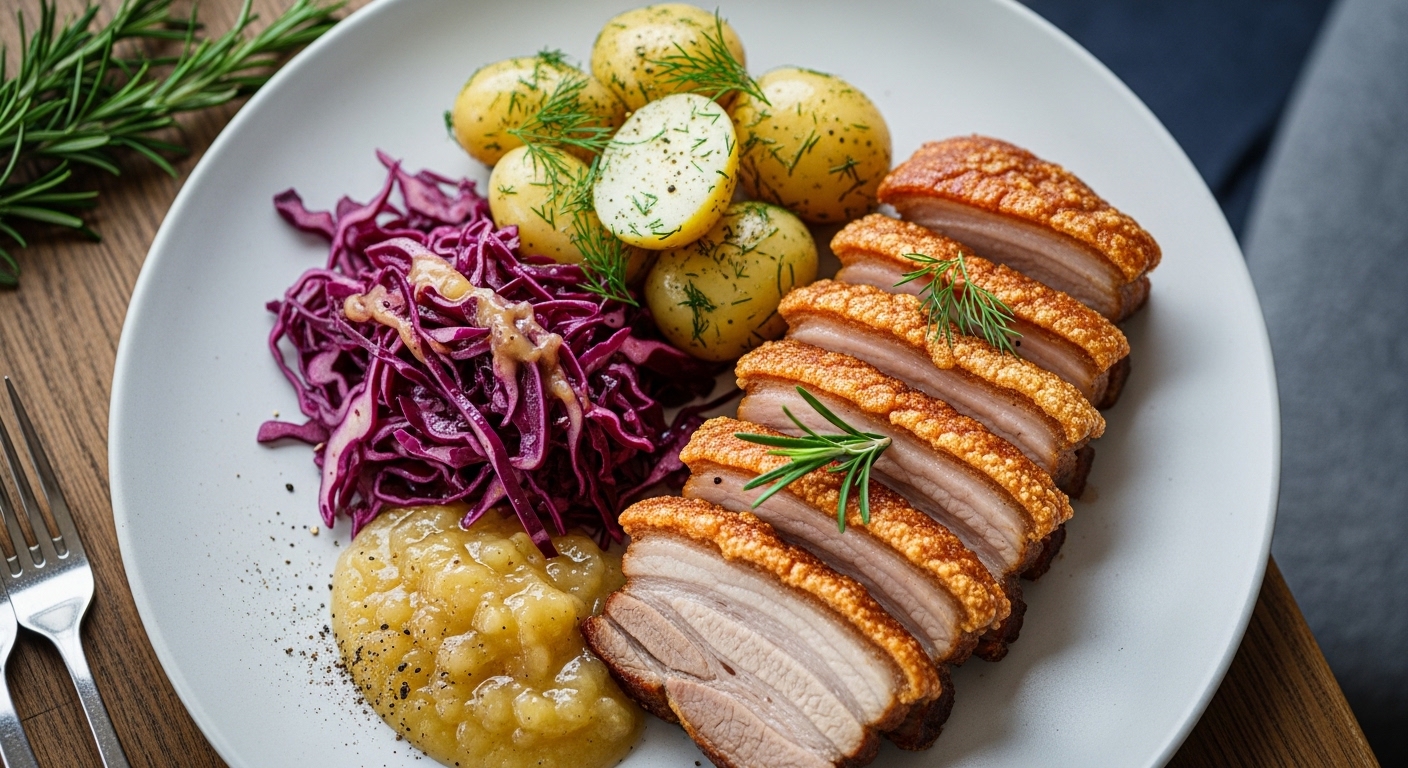
Copenhagen Pork Plate: A Nordic Delight You Can Cook at Home
Have you ever wondered what makes Danish cuisine truly special? One dish that stands out for its rich flavors, hearty ingredients, and comforting warmth is the Copenhagen Pork Plate—a beloved traditional meal rooted in Denmark’s culinary heritage. Known for its tender pork, aromatic spices, and simple yet satisfying sides, this dish offers a taste of Nordic comfort food that’s both nostalgic and deeply satisfying. Whether you’re hosting a family dinner or simply craving a homestyle meal with a European twist, learning how to make Copenhagen pork plate brings authentic Danish flavor right into your kitchen.
What Is Copenhagen Pork Plate?
The Copenhagen pork plate, often referred to as “kødret spis” in Danish, is a classic Scandinavian dish featuring slow-cooked pork belly or shoulder, typically served with potatoes, red cabbage, and lingonberry jam. While it may sound like just another meat-and-potatoes dish, its magic lies in the balance of textures and flavors—tender, juicy pork paired with earthy root vegetables, tangy sauerkraut or red cabbage, and a touch of sweetness from lingonberries. This dish is especially popular during festive occasions like Christmas and New Year’s, but it’s enjoyed year-round across Denmark and Scandinavia.
Unlike Western-style roasts that rely heavily on heavy sauces, the Copenhagen pork plate emphasizes natural flavors enhanced by gentle braising, garlic, bay leaves, and a splash of white wine or apple cider. It’s a dish built on simplicity, quality ingredients, and time-honored techniques passed down through generations.
A Quick Recipe Summary
- Prep Time: 20 minutes
- Cook Time: 2 hours 30 minutes (including braising)
- Total Time: 2 hours 50 minutes
- Servings: 4–6 people
- Cuisine: Danish / Scandinavian
- Course: Main Course
- Calories (approx.): 580 per serving
Ingredients You’ll Need for Authentic Copenhagen Pork Plate
To recreate this iconic Danish dish at home, gather these fresh, high-quality ingredients:
Pork & Braising Liquid
- 1.5 kg (3.3 lbs) pork shoulder or pork belly, skin-on or skinless (cut into large chunks)
- 2 tbsp vegetable oil or duck fat (for searing)
- 2 medium onions, sliced
- 4 cloves garlic, minced
- 2 bay leaves
- 1 tsp whole black peppercorns
- 1 cup dry white wine or apple juice
- 1 cup low-sodium chicken stock
- 1 tbsp soy sauce or tamari (optional, for depth)
Sides
- 6 medium Yukon Gold potatoes, peeled and halved
- 2 carrots, sliced thickly
- 1 parsnip, diced
- 1 small red cabbage, shredded (about 4 cups)
- 2 tbsp butter
- 1 tbsp sugar (to balance acidity)
- Juice of half an apple (or 2 tbsp vinegar)
- 1/2 cup lingonberry jam (Danish specialty)
Optional Garnish
- Fresh parsley or chives
- Extra lingonberries (frozen or canned work well)
Step-by-Step Instructions: How to Make Copenhagen Pork Plate
Step 1: Sear the Pork
Heat oil in a heavy Dutch oven or large pot over medium-high heat. Pat the pork pieces dry with paper towels—this ensures a better sear. Brown them evenly on all sides, about 3–4 minutes per side. Remove and set aside.
Step 2: Sauté Aromatics
In the same pot, add onions and garlic. Sauté for 3–4 minutes until softened and fragrant. Add bay leaves and peppercorns, stirring for 30 seconds to release their oils.
Step 3: Deglaze and Braise
Return the pork to the pot. Pour in wine (or apple juice), scraping up any browned bits from the bottom—this builds flavor! Add chicken stock and soy sauce if using. Bring to a simmer, then reduce heat to low, cover, and let braise for 2 hours, turning pork halfway through. The meat should become fork-tender.
Step 4: Prepare the Sides While Pork Cooks
Boil potatoes, carrots, and parsnips in salted water for 15–20 minutes until just tender. Drain and keep warm.
Step 5: Make Red Cabbage
In a skillet, melt butter over medium heat. Add shredded cabbage and sauté for 8–10 minutes. Stir in sugar, apple juice, and salt. Simmer for another 5 minutes until cabbage softens and turns a deep magenta-red. Taste and adjust seasoning.
Step 6: Finish and Serve
Remove pork from liquid. Strain the braising liquid and skim off excess fat. Slice pork into portions and place on warmed plates. Surround with roasted vegetables and a generous spoonful of red cabbage. Drizzle with a bit of the braising liquid and top with lingonberry jam or fresh berries.
Chef Tips for Success
- Use skin-on pork: The crackling adds authentic texture and richness.
- Braise low and slow: This keeps the pork juicy and flavorful.
- Lingonberries matter: They provide essential tartness that balances the fatty pork.
- Don’t rush the cabbage prep: Letting it cook slowly develops color and flavor.
Common Mistakes to Avoid
- Skipping the sear—results in bland, tough meat.
- Using too much sugar in the cabbage—it can make it overly sweet.
- Overcooking the potatoes—they should be creamy inside but not mushy.
Ingredient Substitutions & Variations
Want to adapt this recipe? Here are some smart swaps:
- Vegetarian version: Replace pork with king oyster mushrooms or smoked tofu; use vegetable broth.
- Healthier option: Use leaner cut like pork loin; reduce lingonberry portion.
- Indian-inspired twist: Add garam masala, turmeric, and ginger-garlic paste to the braising liquid; serve with basmati rice.
- Gluten-free: Ensure soy sauce is certified GF; use cornstarch slurry instead of flour for thickening.
Serving Suggestions
For a complete Danish experience, serve your Copenhagen pork plate with:
- A crisp Danish beer or dry Riesling
- Soft rye bread or crispbreads (like rugbrød)
- A simple green salad with vinaigrette
- Pickled beetroot or cucumber relish
Storage & Reheating Tips
This dish actually tastes better the next day as flavors meld! Store leftovers in an airtight container in the fridge for up to 3 days or freeze for up to 2 months.
To reheat:
- Thaw frozen portions overnight in the fridge.
- Reheat gently on the stove with a splash of water or stock to prevent drying.
- Never microwave directly—use a covered pan over low heat.
Nutrition Facts (Approximate Per Serving)
- Calories: 580
- Protein: 38g
- Fat: 32g
- Carbohydrates: 38g
- Fiber: 6g
- Sugar: 18g
- Sodium: 720mg
Key Takeaways
- Copenhagen pork plate is a hearty, traditional Danish dish centered around slow-braised pork with seasonal sides.
- Authenticity comes from using lingonberry jam, red cabbage, and proper braising techniques.
- The dish pairs beautifully with beer, rye bread, and a touch of Scandinavian flair.
- With minor tweaks, it can be made vegetarian, healthier, or even Indian-flavored.
- It stores and reheats wonderfully—making it ideal for meal prep or entertaining.
Frequently Asked Questions (FAQ)
Q: What’s the difference between pork shoulder and pork belly for this dish?
A: Pork belly has more fat and produces richer, juicier results—ideal for traditional recipes. Shoulder is leaner but still tender when braised long enough.
Q: Can I use store-bought red cabbage instead of making it from scratch?
A: Yes, but homemade tastes fresher and brighter. If using pre-packaged, rinse and drain thoroughly to remove excess liquid.
Q: Is lingonberry jam essential?
A: Absolutely! It provides the signature sweet-tart contrast that defines Danish cuisine. If unavailable, try cranberry sauce or even pomegranate molasses diluted with honey.
Q: How do I know when the pork is done?
A: It should easily pierce with a fork and fall apart slightly when pulled. Internal temperature should reach 94°C (200°F).
Q: Can I make this in a slow cooker?
A: Yes! After searing, transfer everything to a slow cooker. Cook on low for 7–8 hours or high for 4–5 hours until tender.
Conclusion: Bring Denmark Home With Every Bite
Cooking Copenhagen pork plate isn’t just about feeding your stomach—it’s about connecting with centuries of Danish tradition, one flavorful bite at a time. From the golden-brown crust of the pork to the vibrant pop of lingonberries, every element tells a story of Nordic simplicity and warmth. Whether you’re new to Scandinavian cooking or a seasoned fan, this recipe delivers authenticity without complexity.
So roll up your sleeves, fire up the stove, and treat yourself—and your loved ones—to a true taste of Denmark. Your kitchen will smell incredible, and your dinner guests? They’ll be begging for seconds.