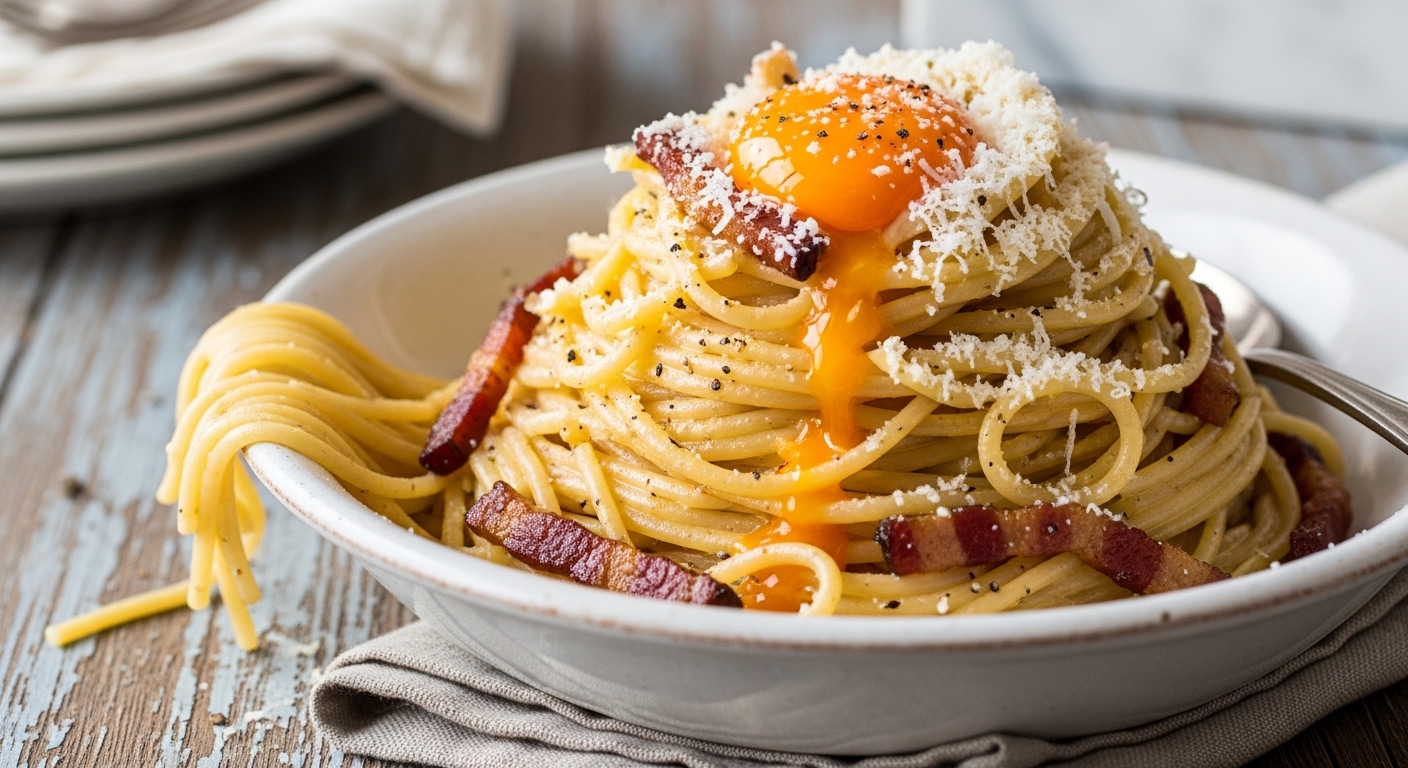
If you’ve ever craved a bowl of pasta that’s rich, velvety, and bursting with savory depth—without the need for heavy cream—then carbonara pasta is your answer. This iconic Italian dish, born in Rome during the mid-20th century, combines simple ingredients like eggs, pecorino Romano cheese, guanciale (or pancetta), black pepper, and spaghetti to create something extraordinary. It’s creamy yet light, smoky yet bright, and deeply satisfying. Whether you’re cooking for one or feeding a crowd, mastering this recipe means unlocking the essence of authentic Italian comfort food.
Why Carbonara Pasta Stands Out
Unlike many creamy pastas that rely on heavy cream or milk, traditional carbonara uses only eggs and cheese to create its luxurious texture. The secret lies in emulsifying the egg-cheese mixture with hot pasta water, which thickens into a silky sauce without scrambling the eggs. This technique results in a dish that’s both indulgent and surprisingly delicate. Plus, the umami kick from guanciale—Italian cured pork cheek—adds a complexity that bacon simply can’t match.
Today, carbonara has become a global favorite, but it’s important to remember that true Roman carbonara doesn’t include cream, garlic, or mushrooms. Authenticity starts with respect for tradition, and understanding these nuances elevates your cooking from imitation to mastery.
Key Takeaways
- Carbonara pasta is made with eggs, cheese, guanciale, and black pepper—no cream required.
- The sauce forms through emulsification using starchy pasta water and heat.
- Traditional versions use pecorino Romano and guanciale; substitutions are possible but alter flavor.
- Cooking technique matters: avoid high heat to prevent scrambled eggs.
- This dish pairs beautifully with a crisp white wine or green salad.
Quick Recipe Overview
| Prep Time | 15 minutes |
| Cook Time | 20 minutes |
| Total Time | 35 minutes |
| Servings | 4 |
| Cuisine | Italian |
| Course | Dinner / Main Course |
| Calories (approx.) | 580 kcal per serving |
Ingredients You’ll Need
Authentic carbonara relies on just five core ingredients, each playing a vital role:
- Spaghetti – 400g (14 oz)
- Guanciale – 150g (5 oz), diced into small cubes
- Large eggs – 3 whole eggs + 2 yolks (room temperature)
- Pecorino Romano – 100g (3.5 oz), freshly grated
- Black pepper – 1½ tsp freshly ground (essential!)
Optional but helpful:
- Reserved pasta water – about 1½ cups
Step-by-Step Instructions
1. Cook the Pasta
Bring a large pot of salted water to a rolling boil. Add spaghetti and cook until al dente (usually 8–10 minutes). Keep an eye on it—carbonara shines best when pasta still has bite. Reserve at least 1½ cups of starchy pasta water before draining.
2. Prepare the Guanciale
In a wide skillet over medium heat, cook diced guanciale until rendered and golden at the edges—about 6–8 minutes. Avoid burning; guanciale should crisp slightly but not turn dark brown. Remove half the fat if needed for health, but leave enough for richness.
3. Whisk Egg Mixture
In a bowl, whisk together eggs, egg yolks, grated pecorino, and freshly ground black pepper. Set aside. This mixture will become your sauce base.
4. Combine Everything
Add drained hot spaghetti directly to the skillet with guanciale. Turn off the heat immediately. Pour in the egg-cheese mixture while tossing rapidly. The residual heat will gently cook the eggs into a creamy emulsion. If the sauce seems too thick, add small splashes of reserved pasta water until desired consistency is reached.
5. Serve Immediately
Transfer to warmed plates, top with extra pecorino and a generous grind of black pepper. Enjoy right away—carbonara is best eaten fresh off the pan!
Chef’s Tips for Perfect Carbonara Pasta
- Room-temperature eggs: Cold eggs can cause curdling when mixed with hot pasta. Let them sit out for 30 minutes.
- Work quickly: Once you add the egg mixture, toss fast and continuously to distribute heat evenly.
- Use a wide skillet: More surface area ensures even coating of sauce.
- Grate cheese fresh: Pre-grated cheese often contains anti-caking agents that inhibit emulsification.
- Salt the pasta water generously: It seasons the final dish from within—aim for seawater salinity.
Common Mistakes to Avoid
- Adding cream: Authentic carbonara never includes cream. It ruins the balance and authenticity.
- Overcooking guanciale: Burnt fat imparts bitterness. Watch closely during the last minute.
- Using low-fat cheese: Pecorino Romano loses its sharpness and binding power when substituted with milder cheeses like Parmesan.
- Skipping black pepper: The pepper adds heat and aroma—don’t omit it!
- Letting it sit too long: The sauce will thicken further as it cools. Eat immediately.
Ingredient Substitutions & Variations
For Vegetarians
Replace guanciale with smoked tofu or mushrooms (like cremini or porcini) sautéed until deeply caramelized. Use nutritional yeast instead of pecorino for a cheesy note.
Vegan Carbonara Pasta
Substitute eggs with silken tofu blended smooth, use vegan butter instead of guanciale fat, and opt for aged nutritional yeast or cashew-based cheese.
Healthier Version
Reduce guanciale quantity by half and replace some pecorino with part-skim ricotta or low-fat mozzarella. Increase vegetable content with spinach or peas added at the end.
Indian-Inspired Twist
Use paneer cubes instead of guanciale, add garam masala instead of black pepper, and finish with a drizzle of ghee. Serve with basmati rice on the side.
Lighter Option
Use whole-wheat spaghetti and substitute half the egg yolks with aquafaba (chickpea brine) for fluffiness. Keep guanciale minimal for lower saturated fat.
Serving Suggestions
Serve carbonara pasta as a main course with a simple arugula salad dressed in lemon vinaigrette to cut through the richness. A chilled glass of Vermentino or Pinot Grigio complements the dish beautifully. For a festive touch, garnish with microgreens or edible flowers.
Storage & Reheating
Do not store carbonara properly—it’s designed to be eaten fresh. However, if you must, refrigerate leftovers in an airtight container for up to 2 days. Reheat gently in a skillet over low heat, adding a splash of olive oil and water to loosen the sauce. Never microwave, as it can separate.
Nutrition Facts (Approximate Per Serving)
- Calories: 580
- Protein: 24g
- Carbohydrates: 72g
- Fat: 22g
- Saturated Fat: 9g
- Cholesterol: 240mg
- Sodium: 890mg
- Fiber: 3g
Frequently Asked Questions
1. Can I make carbonara without guanciale?
Yes, but it changes the flavor profile significantly. Pancetta or thick-cut bacon are common substitutes, though they lack the unique fat and taste of guanciale. Smoked turkey bacon offers a lighter alternative.
2. Why does my carbonara have lumps or look greasy?
This usually happens due to uneven heating or cold ingredients. Always use room-temperature eggs and work quickly after combining. Ensure the pan isn’t too hot when you add the egg mixture.
3. Is it okay to use regular Parmesan instead of pecorino?
You can, but note that Parmesan is milder and less salty. Pecorino Romano gives carbonara its signature tangy punch. If using Parmesan, increase the amount slightly and season to taste.
4. How do I know when the pasta is al dente?
Test a strand a minute before the package suggests. It should yield slightly to the bite—firm but not crunchy. Properly cooked pasta holds up well in carbonara without turning mushy.
5. Can I prepare carbonara ahead of time?
Not ideal. While you can cook the guanciale and pasta separately, the emulsion breaks upon cooling. Best served immediately after preparation for optimal texture and flavor.
Conclusion: Embrace the Simplicity
Mastering carbonara pasta isn’t about complicated techniques—it’s about honoring quality ingredients and timing. With just five components and a few key steps, you can recreate a Roman classic that rivals restaurant fare. Don’t shy away from making it yourself; every bowl tells a story of patience, precision, and passion.
So next time you’re craving comfort food with soul, grab a fork and dig into a plate of authentic carbonara pasta. Your taste buds (and your guests) will thank you.