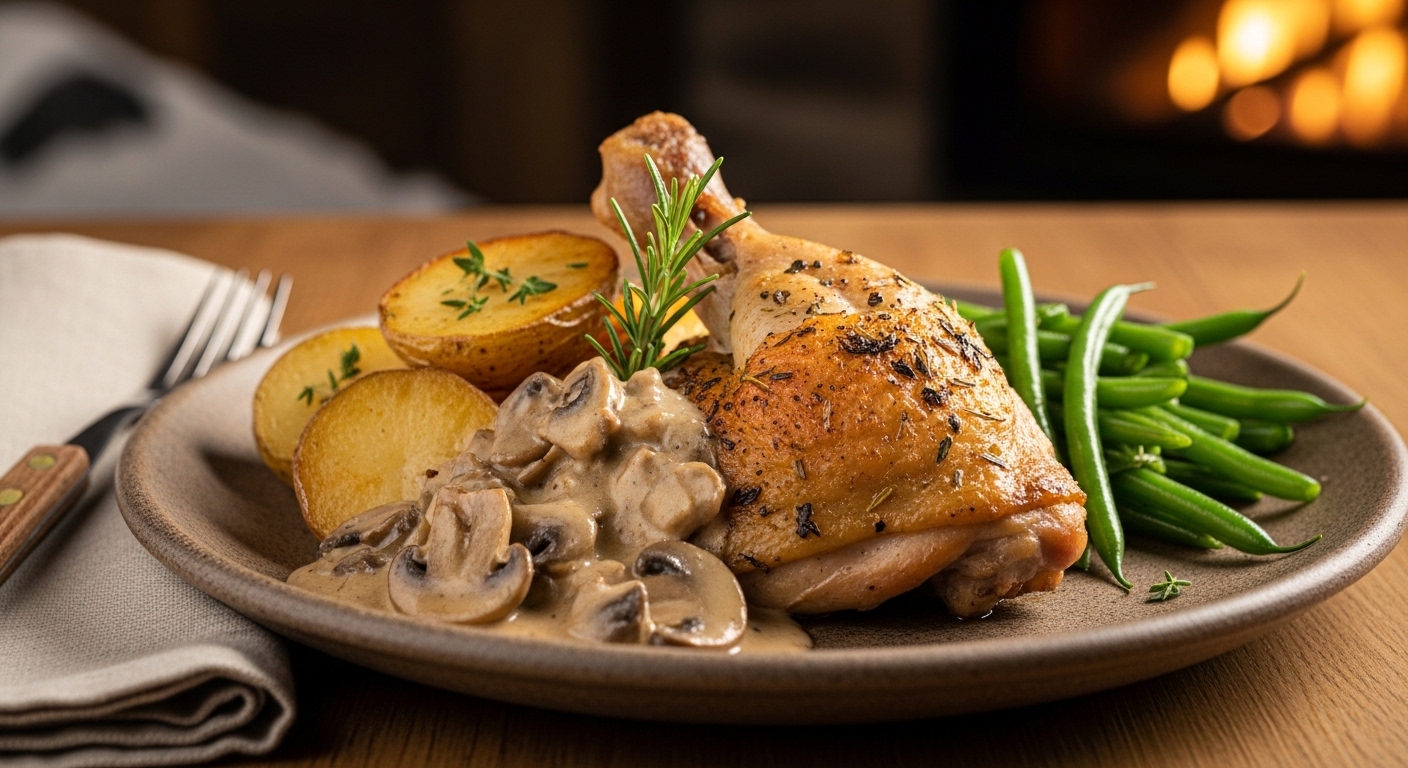
Alpine Chicken Plate: A Hearty Mountain Dish with Alpine Flair
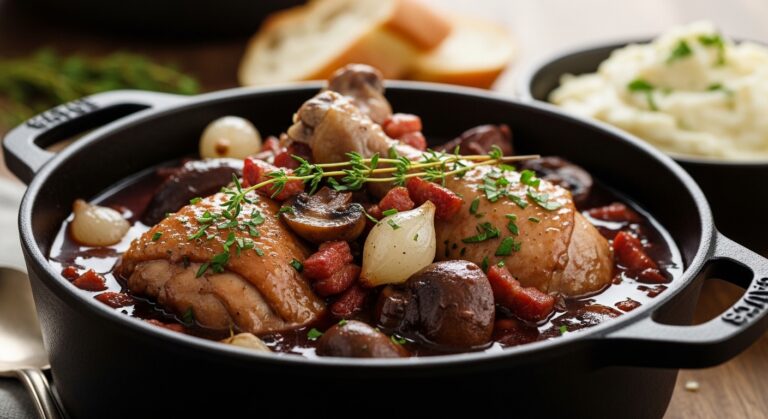
Imagine a dish so rich in flavor and tradition it feels like a warm embrace from the Swiss Alps. The Alpine Chicken Plate is more than just a meal—it’s a celebration of rustic mountain cooking, where tender chicken is bathed in creamy sauces, studded with root vegetables, and seasoned with herbs that whisper of alpine meadows. This comforting yet elegant dish brings together the earthiness of potatoes, carrots, and onions with the savory depth of chicken, all elevated by a sauce that clings to every forkful. Whether you’re hosting a cozy dinner for two or preparing a family feast, the Alpine Chicken Plate delivers warmth, nostalgia, and undeniable deliciousness.
Originating from the culinary traditions of Switzerland and surrounding Alpine regions, this dish reflects the resourcefulness of mountain communities who made the most of local ingredients. Using simple pantry staples and fresh produce, cooks transformed humble poultry into something extraordinary—proof that comfort food doesn’t need complexity to be memorable. Today, the Alpine Chicken Plate has found its way onto menus across Europe and beyond, cherished for its balance of richness and freshness, and its ability to satisfy both everyday hunger and special occasions.
Why People Love the Alpine Chicken Plate
There’s a reason this dish remains a favorite across generations: it’s deeply satisfying without being heavy. The chicken becomes fall-off-the-bone tender as it simmers slowly with aromatic vegetables, absorbing layers of flavor from garlic, thyme, bay leaves, and sometimes a splash of white wine or broth. The accompanying potatoes absorb the sauce beautifully, becoming soft and infused with savory goodness, while carrots add natural sweetness and vibrant color.
What truly sets the Alpine Chicken Plate apart is its simplicity paired with sophistication. You don’t need exotic spices or rare ingredients—just quality chicken, fresh herbs, and a few trusted techniques. Yet when done right, the result is restaurant-quality: golden-brown edges, juicy meat, and a sauce that coats each bite like a velvety blanket. It’s the kind of dish that makes you want seconds, then thirds, because every spoonful feels like a hug after a long day.
Quick Recipe Summary
- Prep Time: 15 minutes
- Cook Time: 45–50 minutes
- Total Time: Approximately 1 hour
- Servings: 4 adults
- Cuisine: Alpine / Swiss-inspired
- Course: Main dish
- Calories (approx.): 520 per serving
Ingredients You’ll Need
To create an authentic Alpine Chicken Plate, gather these fresh, wholesome ingredients:
- 4 bone-in, skin-on chicken thighs (about 1.5 lbs / 700g) – ideal for slow-cooked tenderness
- 2 large Yukon Gold potatoes, peeled and cut into 1-inch chunks
- 3 medium carrots, sliced diagonally into ½-inch pieces
- 1 large onion, quartered
- 4 cloves garlic, minced
- 2 tbsp unsalted butter
- 2 tbsp all-purpose flour (for thickening the sauce)
- 1 cup dry white wine (optional but recommended)
- 2 cups low-sodium chicken stock
- 1 tsp fresh thyme leaves (or ½ tsp dried)
- 1 bay leaf
- Salt and freshly ground black pepper, to taste
- Fresh parsley, chopped (for garnish)
Step-by-Step Cooking Instructions
- Season and Sear the Chicken: Pat the chicken thighs dry with paper towels and season generously with salt and pepper. Heat half the butter in a large Dutch oven or heavy-bottomed pot over medium-high heat. Place chicken skin-side down and sear until golden brown (about 5–6 minutes per side). Remove and set aside.
- Sauté Aromatics: In the same pot, add the remaining butter. Toss in the onions and cook for 2–3 minutes until softened. Add garlic and thyme, stirring for another 30 seconds until fragrant.
- Deglaze and Build the Sauce: Pour in the white wine (if using), scraping up any browned bits from the bottom of the pan. Let it reduce slightly (about 2–3 minutes). Sprinkle in the flour and stir constantly for 1 minute to form a roux.
- Add Stock and Vegetables: Gradually pour in the chicken stock, stirring to combine. Return the seared chicken to the pot along with the bay leaf. Bring to a gentle simmer.
- Simmer Until Tender: Cover the pot and reduce heat to low. Let everything cook together for 30 minutes. After 20 minutes, add the potatoes and carrots. Continue cooking for another 15–20 minutes, or until chicken is cooked through and vegetables are tender.
- Finish and Serve: Remove the bay leaf. Taste and adjust seasoning if needed. Garnish with fresh parsley before serving hot.
Chef Tips for Best Results
- Don’t Skip Searing: Searing the chicken creates a flavorful crust that locks in moisture and adds depth to the overall dish.
- Use Quality Stock: Homemade or high-quality store-bought chicken stock makes a noticeable difference in flavor.
- Check Doneness Early: Chicken should reach an internal temperature of 165°F (74°C). If the chicken looks done but vegetables aren’t tender, cover and continue cooking.
- Rest Before Plating: Let the dish rest for 5–10 minutes after turning off the heat—this allows flavors to meld and juices to redistribute.
Common Mistakes to Avoid
- Overcooking the Chicken: Since we’re using thighs, they can handle longer cooking times, but leaner parts will dry out quickly.
- Skipping the Roux: The flour helps thicken the sauce and prevents it from being too thin.
- Not Deglazing Properly: Those browned bits on the bottom of the pan are full of flavor—always deglaze!
- Using Russet Potatoes: While acceptable, Yukon Golds hold their shape better and have a buttery texture.
Ingredient Substitutions & Variations
Want to adapt this recipe? Here are some thoughtful swaps:
- Chicken: Use drumsticks or boneless thighs (adjust cooking time accordingly).
- White Wine: Substitute with extra chicken stock or apple cider vinegar + water (1:1 ratio).
- Vegetables: Add parsnips, turnips, or leeks for more variety.
- Vegan Version: Replace chicken with king oyster mushrooms and use vegetable stock. Use cornstarch instead of flour for thickening.
- Indian-Inspired Twist: Add turmeric, cumin, coriander, and garam masala for a spiced Alpine fusion.
Serving Suggestions
The Alpine Chicken Plate shines when served alongside complementary sides that echo its hearty, comforting nature:
- Bread: Crusty baguette or sourdough rolls for dipping into the sauce.
- Salad: A crisp green salad with lemon vinaigrette balances the richness.
- Polenta or Mashed Potatoes: Creamy polenta or mashed cauliflower make excellent bases.
- Red Wine: Pair with a light Pinot Noir or Chardonnay for an authentic Alpine experience.
Storage and Reheating
Leftovers? Perfect! This dish actually improves the next day as flavors deepen.
- Refrigerate: Store in an airtight container for up to 4 days.
- Freeze: Freeze portions (without garnish) for up to 3 months. Thaw overnight in the fridge.
- Reheat Safely: Warm gently on the stovetop with a splash of stock or water to revive the sauce. Avoid microwaving unless necessary—it can dry out the chicken.
Nutrition Facts (Approximate Per Serving)
- Calories: 520
- Protein: 38g
- Fat: 28g (Saturated Fat: 10g)
- Carbohydrates: 24g (Fiber: 3g, Sugar: 6g)
- Sodium: 580mg
- Potassium: 720mg
Healthier Version Options
If you’d like a lighter take on the Alpine Chicken Plate, try these modifications:
- Use skinless chicken thighs to reduce fat content.
- Replace half the butter with olive oil spray.
- Increase vegetables (especially non-starchy ones like zucchini or green beans) and reduce potatoes slightly.
- Use whole wheat flour or almond flour for a gluten-free roux.
- Serve over quinoa or cauliflower mash instead of traditional potatoes.
Beginner-Friendly Notes
New to slow-cooked meals? Fear not—this recipe is designed with simplicity in mind:
- No complicated knife skills required—just basic chopping.
- One-pot cooking minimizes cleanup.
- You can prep everything ahead and cook during your free evening.
- Even if the sauce isn’t perfectly thick at first, it will reduce naturally during simmering.
Key Takeaways
- The Alpine Chicken Plate combines tender chicken, root vegetables, and a rich sauce rooted in Alpine culinary tradition.
- Its appeal lies in balance: hearty enough for cold evenings but refined enough for guests.
- With minimal ingredients and straightforward steps, it’s accessible to home cooks of all levels.
- Versatile enough for adaptations—vegan, gluten-free, or spiced variations are easy to create.
- Leftovers reheat beautifully and often taste even better the next day.
FAQs
Can I make the Alpine Chicken Plate in advance?
Absolutely! Assemble the dish fully, cool, and refrigerate for up to 2 days. Reheat gently on the stove, adding a splash of stock if needed to loosen the sauce.
Is this dish suitable for meal prep?
Yes—it stores well and tastes great chilled. Just remember to separate liquids (like extra stock) when freezing to avoid sogginess upon reheating.
What if I don’t have white wine?
Substitute with chicken stock or a mix of stock and apple cider vinegar (½ cup stock + 1 tsp vinegar works well).
Can I use chicken breasts instead of thighs?
Possible, but breasts tend to dry out during long simmering. If using, reduce cook time and monitor closely.
How do I prevent the sauce from splitting?
Ensure consistent simmering—not boiling—and avoid over-stirring. Adding a tablespoon of heavy cream at the end can also help emulsify the sauce.
Conclusion: Bring the Mountains to Your Table
The Alpine Chicken Plate isn’t just about food—it’s about connection. It connects us to centuries-old mountain kitchens where resourcefulness met reverence for ingredients. Whether you’re cooking for loved ones, impressing dinner guests, or simply treating yourself to something truly special, this dish delivers on every promise: warmth, flavor, and soul.
So roll up your sleeves, fire up your stove, and let the aroma of thyme-infused sauce transport you to sun-dappled Alpine valleys. With ingredients you likely already have in your pantry and steps that feel intuitive, there’s no excuse not to try the Alpine Chicken Plate today. Trust us—once you taste that first spoonful, you’ll understand why it remains a beloved classic across borders and generations.