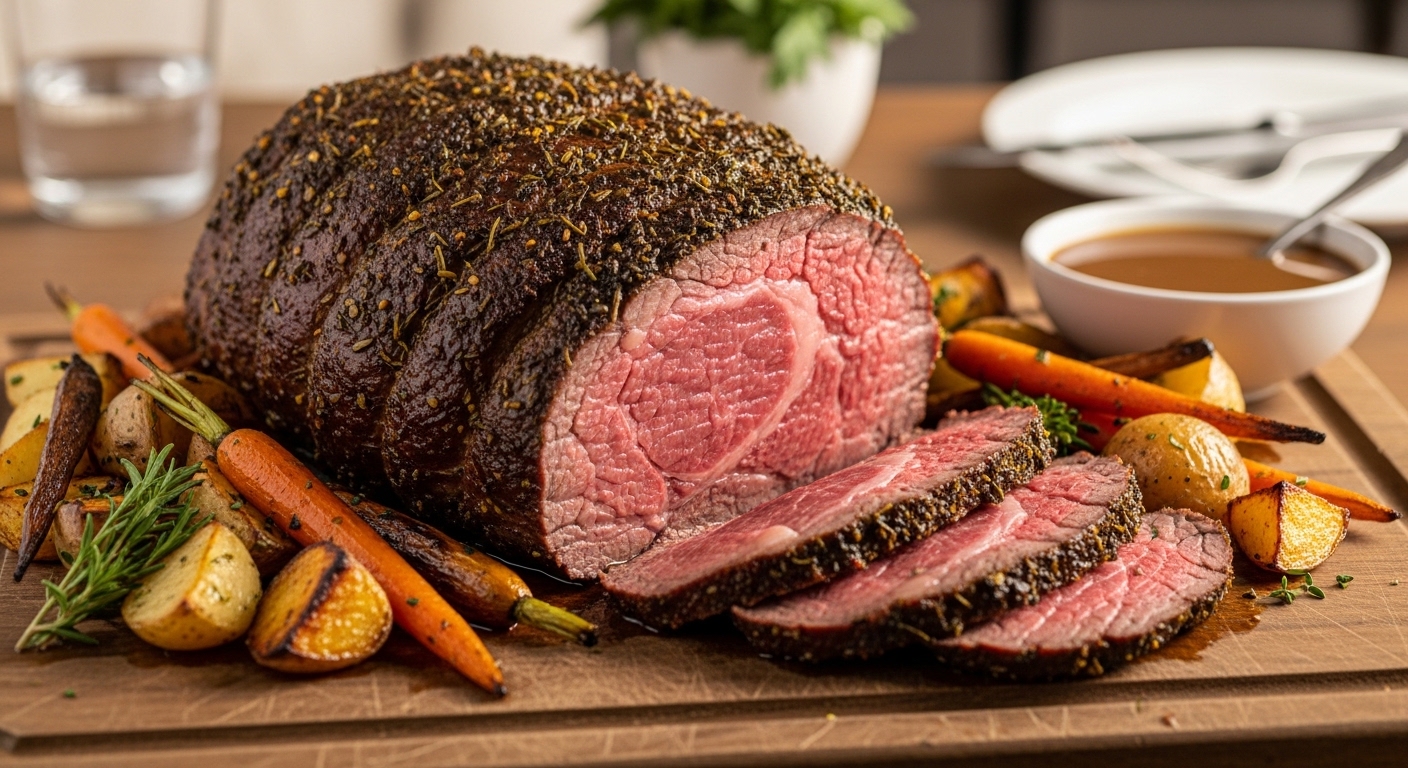
If you’re craving a rich, deeply flavorful roast that melts in your mouth and warms your soul, Alberta beef roast is the answer. Known for its tender texture and robust taste, this dish hails from Alberta—Canada’s heartland of cattle ranching—where grass-fed beef reigns supreme. Whether served on a crisp autumn evening or as the centerpiece of a holiday feast, an Alberta beef roast delivers unmatched depth and satisfaction. It’s no wonder food lovers across North America seek out this classic preparation for its balance of simplicity, tradition, and bold flavor.
What Makes Alberta Beef Roast So Special?
Unlike grain-finished beef, Alberta beef is celebrated for its natural marbling, rich omega-3 content, and superior tenderness—thanks to centuries-old grazing practices in the province’s vast grasslands. This environmental advantage translates directly into the flavor of every bite. When roasted properly, Alberta beef develops a golden-brown crust while remaining succulent inside, making it ideal for slow-roasting methods that enhance its inherent juiciness.
The beauty of an Alberta beef roast lies not just in the quality of the meat itself but also in how simply it can be prepared. With minimal ingredients and time, you unlock layers of umami, earthiness, and richness that elevate any family dinner. From seasoned herb rubs to garlic-infused roasting juices, each element complements the beef without overpowering it—a hallmark of truly great roast recipes.
Quick Recipe Overview
- Prep Time: 20 minutes
- Cook Time: 2 hours 30 minutes (plus resting)
- Total Time: Approximately 3 hours
- Servings: 6–8 people
- Cuisine: Canadian / Western
- Course: Main Dish
- Calories (approx.): 420 per serving (without sides)
Ingredients You’ll Need
Gather these simple yet essential components for a flawless Alberta beef roast. All measurements are for a standard 4–5 lb chuck or sirloin roast:
- 4–5 lbs Alberta beef roast (chuck or sirloin, preferably grass-fed)
- 2 tbsp olive oil (or avocado oil)
- 2 tsp kosher salt (adjust to taste)
- 1 tsp freshly ground black pepper
- 2 tsp garlic powder
- 1 tsp dried thyme (or 1 tbsp fresh)
- 1 tsp smoked paprika (adds depth and color)
- 3 large carrots, peeled and cut into chunks
- 3 celery stalks, chopped
- 1 large yellow onion, quartered
- 4 cloves garlic, smashed
- 2 sprigs fresh rosemary
- 2 cups low-sodium beef broth
- 1 cup red wine (optional, but recommended)
- 2 tbsp unsalted butter (for basting)
Step-by-Step Cooking Instructions
- Preheat & Prepare: Set your oven to 325°F (165°C). While it heats up, pat the roast dry with paper towels—this ensures better searing. In a small bowl, mix salt, pepper, garlic powder, thyme, and smoked paprika. Rub the mixture evenly over all surfaces of the roast.
- Sear the Roast: Heat olive oil in a heavy oven-safe Dutch oven or skillet over medium-high heat. Once hot, sear the roast on all sides until deeply browned—about 3–4 minutes per side. This locks in juices and builds flavor. Transfer the roast to a plate.
- Add Vegetables & Liquids: Into the same pot, toss in onions, carrots, celery, garlic cloves, and rosemary. Sauté for 2–3 minutes until fragrant. Pour in beef broth and red wine, scraping up any browned bits from the bottom—these are flavor gold!
- Roast Slowly: Return the roast to the pot (fat side up if applicable), nestling vegetables around it. Cover with a lid or aluminum foil and transfer to the oven. Roast for about 2 to 2.5 hours, depending on size. Internal temperature should reach 135°F (medium-rare) or 145°F (medium) using a meat thermometer.
- Baste & Rest: About halfway through cooking, remove the cover and baste the roast with pan juices. After removing from oven, let it rest tented with foil for at least 20 minutes. This allows juices to redistribute—critical for tenderness.
- Serve Immediately: Slice against the grain into thick portions. Serve with pan drippings spooned over top for extra moisture and flavor.
Chef Tips for Perfect Results
- Choose the Right Cut: For the most tender result, opt for a well-marbled Alberta chuck roast or top sirloin. Avoid overly lean cuts unless you plan to cook them slightly below medium rare.
- Don’t Skip the Sear: Browning the meat before roasting creates the Maillard reaction—the key to rich, complex flavors.
- Use a Meat Thermometer: Visual cues aren’t enough. A digital probe thermometer gives precise doneness control.
- Deglaze Wisely: If you want gravy, reserve 1 cup of pan juice after resting, add 2 tbsp flour, and simmer until thickened.
Common Mistakes to Avoid
- Overcooking: Beef loses moisture quickly past medium. Stick to 145°F max for juiciness.
- Skipping Resting Time: Cutting into the roast immediately causes all those delicious juices to spill out.
- Low Oven Temperature: Too high = burnt exterior; too low = tough meat. 325°F is ideal.
Ingredient Substitutions & Variations
Want to adapt this recipe? Here’s how:
- Vegetarian/Vegan Option: Swap beef with king oyster mushrooms or portobello caps. Marinate in soy sauce, liquid smoke, and herbs for similar depth.
- Indian-Inspired Version: Use garam masala instead of smoked paprika, add diced potatoes and tomatoes, and braise in coconut milk and tomato-based gravy.
- Lighter Healthy Twist: Use leaner Alberta sirloin, reduce fat during resting, and serve with steamed greens instead of heavy sides.
- Wine-Free Alternative: Replace red wine with apple cider vinegar + extra broth for acidity without alcohol.
Serving Suggestions
An Alberta beef roast shines when paired thoughtfully. Consider these accompaniments:
- Mashed Yukon Gold potatoes—creamy and buttery
- Roasted root vegetables (parsnips, turnips, Brussels sprouts)
- A crisp green salad with lemon vinaigrette to cut richness
- Classic Yorkshire pudding for a British-Canadian fusion
Storage & Reheating Tips
- Refrigeration: Store sliced roast in an airtight container for up to 4 days.
- Freezing: Cool completely, then wrap tightly and freeze for up to 3 months. Thaw overnight in fridge before reheating.
- Reheating Best Method: Warm slices in a covered pan over low heat with a splash of broth or water to prevent drying. Alternatively, use a microwave with a damp paper towel to preserve moisture.
Nutrition Facts (Approximate Per Serving)
- Calories: 420
- Protein: 45g
- Fat: 22g (including healthy fats from grass-fed beef)
- Carbohydrates: 4g
- Iron: 30% DV
- Zinc: 35% DV
Key Takeaways
- Alberta beef roast leverages premium grass-fed beef for exceptional flavor and nutrition.
- Proper searing and slow roasting are essential for tender, juicy results.
- Resting the meat is non-negotiable—it’s what keeps it moist.
- This dish is versatile: adaptable to dietary preferences and regional tastes.
- Pair with hearty sides like mashed potatoes and seasonal veggies for a complete meal.
Frequently Asked Questions
Can I make this roast in advance?
Absolutely! Cook the roast ahead, slice, cool, and refrigerate or freeze. Reheat gently on the stove with a bit of broth to keep it moist.
Is Alberta beef available everywhere?
While not always labeled clearly in U.S. stores, look for “Canadian beef” or ask your butcher. Many high-end grocers carry it, especially in the Midwest and Pacific Northwest.
Can I use a different cut of beef?
Yes—brisket or ribeye can work, but adjust cooking time. Brisket needs longer; ribeye cooks faster and may dry out if overdone.
Do I need a Dutch oven?
Not strictly—but it helps retain heat and moisture. A regular roasting pan works, though you’ll need to baste more often.
How do I know when the roast is done?
Use a meat thermometer inserted into the thickest part. For medium: 145°F; for medium-rare: 135°F. Let it rest—temperature will rise 5–10 degrees during that time.
Conclusion: Bring the Heartland Home Tonight
There’s something timeless about a perfectly cooked Alberta beef roast—its deep, savory notes echoing the open prairies where it originates. Whether you’re hosting a cozy family dinner or celebrating a special occasion, this dish delivers both comfort and elegance in equal measure. With just a few simple steps and quality ingredients, you’re not just making a meal; you’re honoring a tradition of excellence rooted in Canada’s agricultural heritage.
So next time you’re planning a Sunday supper or searching for a show-stopping main course, reach for that Alberta beef roast. Your taste buds—and your guests—will thank you.
Leave a Reply