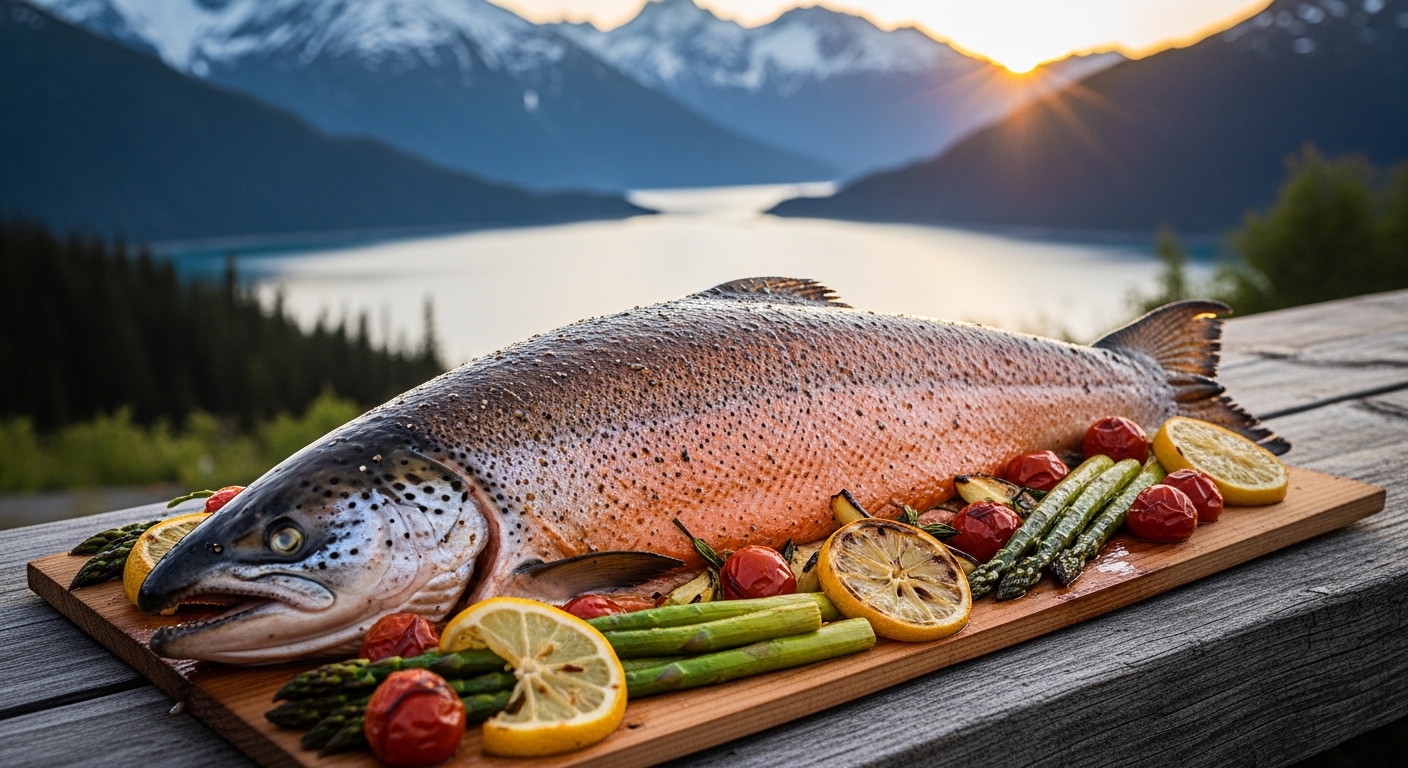
Have you ever tasted a dish so rich in flavor and texture that it makes you forget everything else on the table? If not, Alaska salmon roast is about to change your mind. Known for its deep, smoky aroma and melt-in-your-mouth tenderness, this roasted version of one of North America’s most celebrated fish elevates the humble salmon into a restaurant-worthy centerpiece. Whether you’re hosting a dinner party or craving something special for Sunday night, this Alaska salmon roast delivers both elegance and ease—without requiring hours in the kitchen.
Unlike traditional baked salmon, which can sometimes turn dry if overcooked, the roast method uses indirect heat and careful seasoning to lock in moisture while enhancing natural umami flavors. The result? A golden-brown crust with a buttery interior that pairs beautifully with herbs like dill, lemon zest, and garlic. Plus, using wild-caught Alaskan salmon ensures sustainability and superior quality—something every home chef should prioritize.
Why Choose Alaska Salmon Roast?
Before we dive into the recipe, let’s talk about why this dish stands out:
- Rich in Omega-3s: Wild Alaskan salmon is renowned for its high levels of omega-3 fatty acids, essential for heart and brain health.
- Minimal Prep, Maximum Flavor: With just a handful of ingredients and simple techniques, you can achieve restaurant-quality results.
- Sustainable & Ethical: Alaskan fisheries follow strict environmental guidelines, making it one of the most responsibly sourced seafood options available.
- Versatile Pairings: Serve it with quinoa, roasted vegetables, or creamy risotto—it adapts beautifully to any side dish.
A Quick Recipe Overview
| Prep Time | Cook Time | Total Time | Servings | Cuisine | Course | Calories (approx.) |
|---|---|---|---|---|---|---|
| 20 minutes | 25–30 minutes | 45–50 minutes | 4 people | North American | Dinner Main Course | 320 per serving |
Ingredients You’ll Need
Here’s what you’ll need for a perfectly seasoned and tender Alaska salmon roast. All measurements are for standard USDA cups unless otherwise noted.
- Wild Alaskan salmon fillet (skin-on): 2 lbs (about 4 portions), preferably center-cut for even thickness
- Olive oil: 3 tablespoons
- Lemon: Zest of 1 large + juice of half
- Garlic: 4 cloves, minced
- Dried thyme: 1 teaspoon
- Dried oregano: ½ teaspoon
- Smoked paprika: 1 tablespoon (this adds depth without being overly spicy)
- Sea salt: 1½ teaspoons (plus extra for finishing)
- Freshly ground black pepper: 1 teaspoon
- Fresh dill: ¼ cup chopped (plus extra for garnish)
- Butter: 2 tablespoons, softened
- Shallot: 1 small, finely diced
- White wine (optional): ⅓ cup for deglazing pan after roasting
Step-by-Step Instructions
- Preheat oven to 400°F (200°C). Line a large baking sheet or roasting pan with parchment paper for easy cleanup.
- Pat salmon dry. Use paper towels to remove all moisture from the skin and flesh—this helps create a better sear during roasting.
- Make the herb butter: In a small bowl, mix together softened butter, chopped dill, minced garlic, lemon zest, smoked paprika, thyme, oregano, salt, and pepper. Stir until well combined.
- Season the salmon: Slather the herb butter mixture evenly over the top and sides of each fillet. Drizzle with olive oil and sprinkle with additional salt if needed.
- Roast: Place salmon skin-side down on the prepared baking sheet. Roast for 12 minutes if fillets are 1 inch thick, then flip carefully and roast another 8–10 minutes until internal temperature reaches 145°F (63°C). Alternatively, you can leave it skin-side up and roast longer—just monitor closely to avoid drying out.
- Deglaze (optional): While salmon rests, heat a skillet over medium heat. Add a splash of white wine or water, scraping up browned bits from the roasting pan. Simmer until reduced by half—this creates a light pan sauce.
- Rest & serve: Let salmon rest for 5 minutes before slicing. Drizzle with lemon juice and garnish with fresh dill.
Chef Tips for Success
- Don’t skip the skin: It acts as insulation, keeping the flesh moist and adds delicious crunch when crisp.
- Use a meat thermometer: Overcooking is the #1 mistake. Aim for 145°F at the thickest part—salmon continues to cook slightly off-heat.
- Let it come to room temp: Take salmon out of the fridge 20–30 minutes before cooking for even heat distribution.
- Flake gently with a fork: Once cooked, use two forks to separate flakes rather than cutting straight through—preserves presentation.
Common Mistakes to Avoid
Even experienced cooks make these errors when preparing salmon:
- Using frozen salmon without thawing properly: This leads to uneven cooking and mushy texture.
- Over-seasoning: Less is more with delicate fish. Too much salt or spice masks the natural flavor.
- Not letting it rest: Resting allows juices to redistribute—skipping this step results in dry, sad-looking fish.
- Using low-quality oil: Stick to extra-virgin olive oil; cheaper alternatives burn easily at high temps.
Ingredient Substitutions & Variations
Want to customize your Alaska salmon roast? Here’s how:
- Herb butter alternative: Swap dill for fresh parsley or chives. Use rosemary if you prefer earthier notes.
- Vegan option: Replace butter with cashew cream blended with nutritional yeast, lemon, and garlic powder.
- Indian-style twist: Add garam masala, turmeric, and cayenne instead of smoked paprika. Serve with basmati rice and mango chutney.
- Lighter version: Skip butter; brush fillets with a mix of olive oil and lemon juice before roasting.
Serving Suggestions
This dish shines when paired thoughtfully. Try these combinations:
- Grains: Steamed wild rice, couscous with mint, or creamy polenta.
- Vegetables: Asparagus sautéed in garlic, roasted Brussels sprouts, or a simple cucumber-tomato salad.
- Sauces: Lemon-dill yogurt sauce, balsamic glaze, or a splash of soy-ginger reduction.
- Beverage pairings: Sauvignon Blanc, Pinot Noir, or sparkling water with lime.
Storage & Reheating
Leftovers? Don’t waste them!
- Refrigerate: Store in an airtight container for up to 3 days.
- Freeze: Wrap tightly in plastic and foil, then freeze for up to 2 months. Thaw overnight in the fridge.
- Reheat best way: Poach in simmering broth with lemon slices and herbs for 2–3 minutes—never microwave, which dries it out.
Nutrition Facts (Approximate Per Serving)
- Calories: 320
- Protein: 34g
- Fat: 18g (of which saturated fat: 5g)
- Carbohydrates: 4g
- Fiber: 1g
- Sugar: 1g
- Sodium: 480mg
- Omega-3 Fatty Acids: 2.1g
Frequently Asked Questions
1. Can I use farmed salmon instead of wild Alaskan?
While farmed salmon is more accessible, wild Alaskan has a cleaner taste and higher omega-3 content. If you must use farmed, look for sustainably certified brands like Arctic Char or coho from regulated farms.
2. How do I know when salmon is done?
The safest method is using a digital thermometer inserted into the thickest part—it should read exactly 145°F. Alternatively, the flesh will turn opaque and flake easily when pressed gently with a fork.
3. Why does my salmon stick to the pan?
This usually happens due to cold salmon or non-stick coating failure. Always pat dry thoroughly and ensure your baking sheet is preheated slightly before placing fish on it.
4. Is smoking paprika necessary?
Not absolutely—regular sweet paprika works fine. But smoked paprika adds complexity and mimics traditional Nordic roasting methods, enhancing the overall depth.
5. Can I make this ahead?
Absolutely! Season the salmon up to 2 hours ahead and refrigerate uncovered to develop texture. Just bring to room temperature before roasting.
Final Thoughts
There’s something deeply satisfying about transforming a simple ingredient like salmon into something extraordinary. The Alaska salmon roast isn’t just a meal—it’s an experience. From the first bite of crispy skin to the last morsel of tender, buttery flesh, every element comes together to celebrate one of nature’s finest gifts.
Whether you’re a seasoned home cook or trying your hand at gourmet cooking for the first time, this recipe proves that impressive doesn’t have to mean complicated. With minimal effort, maximum flavor, and the kind of nutrition that makes you feel good inside and out, it’s no wonder Alaskan salmon remains a beloved staple across kitchens worldwide.
So go ahead—grab some wild-caught fillets, fire up your oven, and treat yourself to something truly special. Your taste buds (and your body) will thank you.