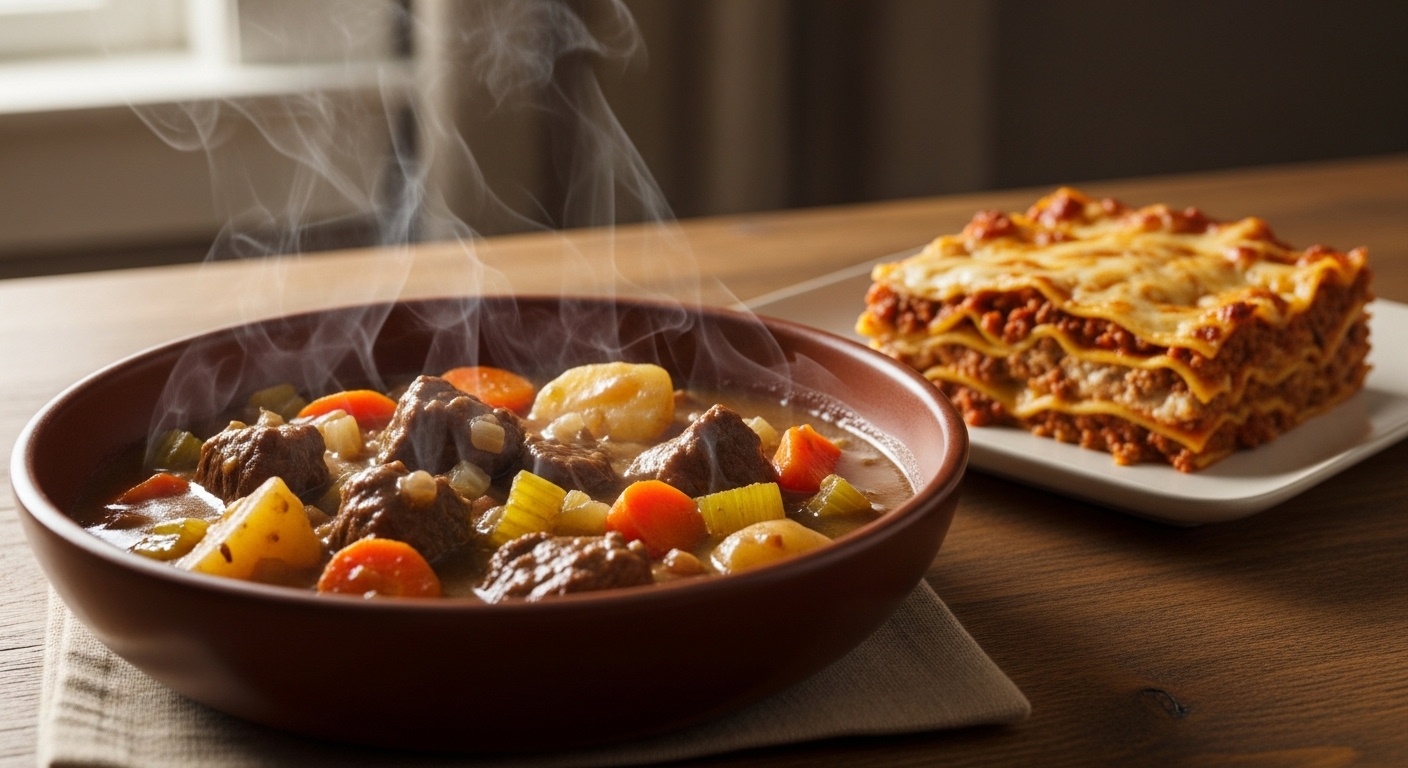
Have you ever reheated last night’s leftovers and thought, “Wow—this actually tastes even better today”? You’re not alone. Many home cooks have discovered that certain dinner recipes develop richer flavors, softer textures, and deeper comfort when given time to rest. This isn’t just luck—it’s science, tradition, and a little bit of culinary magic working together. In this article, we’ll explore why some meals improve with time and share five dinner recipes that shine brighter on day two.
Why Do Some Meals Improve Overnight?
Flavor development is one of the most common reasons why dinner recipes taste better the next day. When you cook a dish and let it sit, ingredients continue to interact. Tomatoes soften, spices mellow, and proteins become more tender as they cool and reabsorb moisture. Think of chili: the longer it simmers and sits, the more the flavors blend into something complex and satisfying.
Another factor is texture. Soups and stews often thicken as they chill, creating a more cohesive bite. Pasta dishes with sauces can avoid becoming mushy because the starch in the pasta stabilizes overnight. And let’s be honest—nothing beats waking up to the smell of something slow-cooked already waiting for you.
The Science Behind Flavor Melding
- Maillard reaction: While this usually happens during cooking, residual heat from storage can complete subtle browning reactions.
- Umami boost: Broths and braises intensify savory notes as collagen breaks down into gelatin over time.
- Moisture redistribution: Proteins and vegetables rehydrate slightly, making every bite juicier than the first.
5 Dinner Recipes That Taste Better the Next Day
Here are five crowd-pleasing meals that not only survive the overnight journey but actually thrive because of it. These dishes are perfect for meal prep, family gatherings, or simply making dinner last a little longer.
1. Slow Cooker Beef Stew
This hearty stew is practically built for leftovers. The longer it cooks—and the longer it sits—the more tender the beef becomes and the deeper the broth gets.
Ingredients:
- 2 lbs chuck roast, cubed
- 4 carrots, sliced
- 3 celery stalks, chopped
- 1 large onion, diced
- 6 garlic cloves, minced
- 4 cups beef broth
- 3 tbsp tomato paste
- 2 bay leaves
- Salt, pepper, thyme
Steps:
- Sear beef in a hot pan until browned. Transfer to slow cooker.
- Add all other ingredients except potatoes.
- Cook on low for 8 hours or high for 4–5 hours.
- Add 2–3 chopped potatoes halfway through cooking.
- Serve hot or store for later.
Pro Tip:
Reheat with a splash of broth or water to revive the sauce. Top with fresh parsley before serving.
2. Chicken Tikka Masala (with Rice)
Indian-inspired and restaurant-worthy, this creamy curry gains complexity overnight. The marinated chicken soaks up the spices, and the sauce thickens beautifully.
Ingredients:
- 1.5 lbs chicken breast, cubed
- 1 cup plain yogurt
- 2 tbsp garam masala
- 1 onion, diced
- 4 garlic cloves
- 1 can crushed tomatoes
- 1 cup heavy cream
- Rice for serving
Steps:
- Marinate chicken in yogurt and 1 tbsp garam masala for at least 2 hours (or overnight).
- Sauté onions and garlic, add remaining spices, then stir in tomatoes.
- Add chicken and simmer 20 minutes.
- Stir in cream and serve over rice.
- Refrigerate leftovers—flavors deepen overnight.
Variation:
Swap chicken for paneer (Indian cheese) for a vegetarian option.
3. Vegetarian Lentil Bolognese
A plant-based twist on a classic, this lentil sauce becomes richer and more balanced after sitting. It’s packed with fiber, protein, and flavor—perfect for busy weeknights.
Ingredients:
- 1 cup dried green lentils
- 1 onion, diced
- 2 carrots, grated
- 2 celery stalks
- 4 garlic cloves
- 1 can diced tomatoes
- 2 tbsp tomato paste
- Vegetable broth
- Oregano, red pepper flakes
Steps:
- Sauté onions, carrots, celery, and garlic until soft.
- Add lentils and cook for 5 minutes.
- Pour in tomatoes, broth, and tomato paste. Simmer 40 minutes.
- Season to taste. Serve over pasta or polenta.
- Best eaten the next day—sauces thicken and flavors meld.
Tip:
Freeze portions for single servings. Thaw and reheat gently.
4. Moroccan Chickpea Tagine
Cinnamon, cumin, and preserved lemon create a fragrant, warming dish that tastes even better chilled and reheated. The chickpeas soak up all the aromatic goodness.
Ingredients:
- 2 cans chickpeas, drained
- 1 sweet potato, cubed
- 1 red bell pepper, sliced
- 1 preserved lemon, chopped
- 1 tsp ground cinnamon
- 1 tsp cumin
- Chicken or vegetable broth
- Fresh cilantro
Steps:
- In a tagine or deep pot, combine all ingredients except cilantro.
- Cover and simmer for 30–40 minutes.
- Garnish with cilantro before serving.
- Store in an airtight container—flavors intensify overnight.
Pairing Suggestion:
Serve with warm flatbread or couscous.
5. Creamy Mushroom Risotto (with Leftovers)
While risotto is traditionally eaten fresh, this version holds up surprisingly well. The Arborio rice maintains its bite, and the mushrooms stay tender.
Ingredients:
- 1.5 cups Arborio rice
- 4 cups warm vegetable or chicken broth
- 2 cups mixed mushrooms, sliced
- 1 onion, finely diced
- 3 garlic cloves
- ½ cup white wine
- ½ cup Parmesan cheese
- Butter and olive oil
Steps:
- Sauté mushrooms until golden. Set aside.
- In same pan, cook onion and garlic until translucent.
- Add rice, toast for 2 minutes, then deglaze with wine.
- Gradually add warm broth, stirring constantly until absorbed.
- Fold in mushrooms, cheese, and butter. Let rest 5 minutes before eating.
- Refrigerate—texture firms up and flavors settle.
Reheating Hack:
Warm over medium heat with a splash of broth to bring back creaminess.
Key Takeaways
- Dinner recipes that taste better the next day benefit from flavor melding and texture changes.
- Soups, stews, curries, and grain-based dishes often improve with overnight chilling.
- Proper storage in airtight containers helps preserve quality and safety.
- Meal prep these recipes ahead—you’ll save time and enjoy better-tasting meals.
- Reheating with a little liquid revives lost moisture and depth.
FAQ
Can I eat leftovers the next day safely?
Yes, if stored properly in the refrigerator within two hours of cooking. Most dishes last 3–4 days in sealed containers.
Do all recipes improve with time?
No. Delicate fish, raw salads, or creamy desserts may lose texture or freshness. Stick to slow-cooked, braised, or grain-based meals.
How should I reheat leftovers without drying them out?
Add a splash of broth, milk, or water while heating on low heat. Cover with a lid to trap steam.
Final Thoughts
There’s something deeply satisfying about opening your fridge to find last night’s dinner waiting—warmer, richer, and ready to eat. These dinner recipes that taste better the next day aren’t just practical—they’re comforting. Whether you’re meal prepping for the week or feeding a hungry family, knowing which dishes improve with time gives you both peace of mind and delicious results.
So next time you’re at the stove, consider making extra. Your future self (and your taste buds) will thank you.