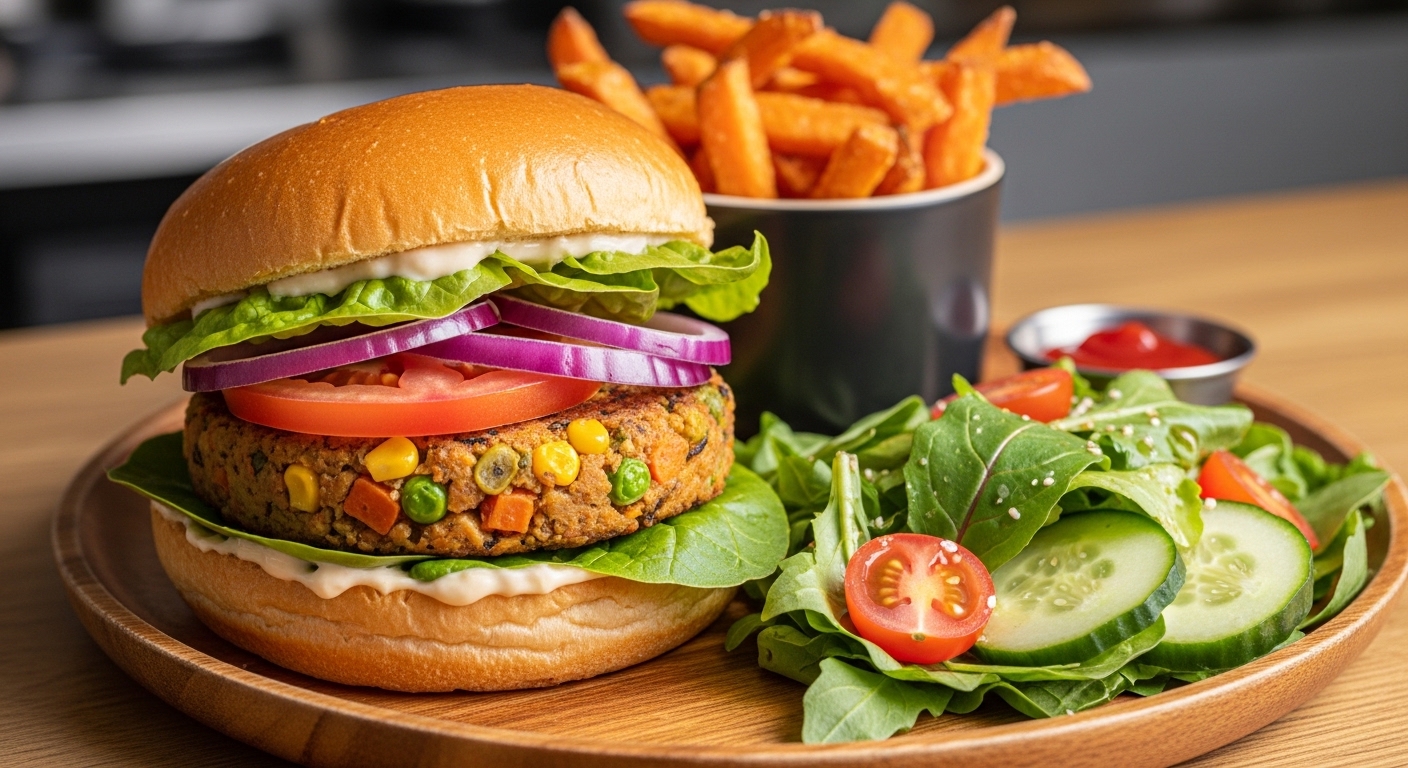
Veggie Burger Plate: A Delicious, Wholesome Meal You’ll Want to Make Every Week
Looking for a satisfying, flavorful, and nutritious meal that doesn’t skimp on taste? The Veggie Burger Plate is your answer. Whether you’re plant-based by choice or simply craving something light yet hearty, this dish delivers bold flavors, vibrant colors, and a satisfying crunch—all in one plate. From casual family dinners to gourmet restaurant-style meals, the veggie burger has evolved into a global favorite. But what truly makes a great Veggie Burger Plate? It’s not just about the patty—it’s the whole experience: the fresh toppings, the perfect buns, the savory sauces, and the side of comfort food that ties it all together.
In this article, we’re diving deep into everything you need to know about creating the ultimate Veggie Burger Plate at home. We’ll walk through an easy-to-follow recipe, share pro tips, explore healthy variations, and even cover how to serve it like a chef. So whether you’re a seasoned home cook or a beginner in the kitchen, get ready to make a plate so good, you’ll want to serve it every week.
Why the Veggie Burger Plate Stands Out
The rise of plant-based eating has brought the Veggie Burger Plate into the spotlight—and for good reason. Packed with fiber, protein, and essential nutrients, these burgers are more than just a trend; they’re a lifestyle choice. But beyond nutrition, the best Veggie Burger Plates are all about balance. Think crispy onions, creamy avocado slices, tangy pickles, and a juicy, spiced patty that holds together without being dry.
What sets the perfect Veggie Burger Plate apart is the harmony between texture, flavor, and presentation. It’s not just about slapping a veggie patty on a bun and calling it dinner. It’s about building layers—each bite should surprise you with new tastes and sensations.
Key Benefits of a Veggie Burger Plate
- High in Fiber: Supports digestion and keeps you full longer.
- Rich in Plant Protein: Ideal for muscle repair and energy.
- Lower Saturated Fat: Healthier alternative to beef burgers.
- Customizable: Easily adapted to vegan, gluten-free, or allergen-free diets.
- Sustainably Made: Reduces carbon footprint compared to meat-heavy meals.
Quick Recipe Summary
| Prep Time | 20 minutes |
|---|---|
| Cook Time | 15 minutes |
| Total Time | 35 minutes |
| Servings | 4 |
| Cuisine | American / Global Fusion |
| Course | Lunch / Dinner |
| Calories (approx.) | 480 per serving (without sides) |
Ingredients You’ll Need for the Perfect Veggie Burger Plate
Making a delicious Veggie Burger Plate starts with quality ingredients. Here’s what you’ll need for four servings:
For the Patty:
- 1 cup cooked quinoa (cooled)
- 1 cup black beans, mashed
- 1/2 cup grated carrot
- 1/4 cup finely chopped onion
- 2 cloves garlic, minced
- 1/4 cup rolled oats (gluten-free if needed)
- 1 tbsp soy sauce or tamari
- 1 tsp ground cumin
- 1/2 tsp smoked paprika
- 1/4 tsp black pepper
- 1 tbsp olive oil (for binding)
- Sea salt to taste
For Assembly & Serving:
- 4 whole-wheat or brioche burger buns
- 1 ripe avocado, sliced
- 4 leaves fresh lettuce (romaine or butter lettuce)
- 4 slices tomato
- Pickle slices (optional)
- Red onion, thinly sliced
- Fresh cilantro or parsley (for garnish)
For the Sauce (Optional but Recommended):
- 1/2 cup plain Greek yogurt or vegan alternative
- 1 tbsp lemon juice
- 1 clove garlic, grated
- Pinch of chili flakes
- Sea salt and pepper to taste
Step-by-Step Instructions: How to Build Your Veggie Burger Plate
Now that you have all your ingredients, let’s build this masterpiece step by step.
- Prepare the Patty Mixture: In a large bowl, combine cooled quinoa, mashed black beans, grated carrot, onion, garlic, oats, soy sauce, cumin, paprika, pepper, and olive oil. Stir well until everything sticks together. Taste and season with salt as needed.
- Form Patties: Divide the mixture into 4 equal portions. Shape each into a round patty about 3/4 inch thick. If the mix feels too wet, add a little more oats or breadcrumbs.
- Cook the Patties: Heat a non-stick skillet over medium heat. Lightly grease with olive oil. Cook patties for 4–5 minutes per side, until golden brown and firm. You can also bake them at 375°F (190°C) for 20–25 minutes, flipping halfway.
- Toast the Buns: While patties cook, lightly toast the burger buns in the same pan or under the broiler for 1–2 minutes until warm and slightly crisp.
- Assemble the Burgers: Spread a generous layer of the tahini-lime sauce on both bun halves. Layer with lettuce, tomato, avocado, red onion, and pickles. Top with a warm veggie patty. Garnish with fresh herbs.
- Serve Immediately: Plate your Veggie Burger Plate with a side of sweet potato fries or a mixed green salad for a complete meal.
Chef Tips for the Best Veggie Burger Plate
Want your Veggie Burger Plate to be restaurant-level? Follow these expert tips:
- Let the Quinoa Cool First: Warm quinoa makes the patty soggy. Always cool it before mixing.
- Don’t Overmix: Gently fold ingredients to keep texture hearty and rustic.
- Add Umami Flavor: A splash of balsamic vinegar or a dash of mushroom powder boosts depth.
- Make Ahead: Patties freeze beautifully! Bake them, cool, wrap in foil, and store up to 3 months.
- Use Fresh Herbs: They add brightness and make the plate look inviting.
Common Mistakes to Avoid
Even experienced cooks slip up. Here’s how to avoid the most common pitfalls:
- Dry Patties: Caused by overcooking or too much liquid. Use just enough moisture to bind.
- Soggy Buns: Don’t assemble burgers too early. Add wet toppings last.
- Bland Flavors: Season generously—don’t be shy with spices and acid.
- Weak Structure: Missing binder? Try adding a flax egg (1 tbsp ground flax + 3 tbsp water).
Ingredient Substitutions & Variations
Make this recipe work for your dietary needs:
Healthier Version:
- Replace oats with mashed sweet potato for added fiber and natural sweetness.
- Use sprouted grain buns or lettuce wraps.
- Skip the bun entirely for a low-carb option.
Vegan-Friendly:
- Use flax egg and vegan yogurt instead of dairy products.
- Ensure soy sauce is certified vegan.
Indian-Inspired Veggie Burger Plate:
- Replace cumin with garam masala and add diced bell peppers.
- Serve with mint-coriander chutney and raita.
- Use multigrain buns or naan as the base.
Gluten-Free Option:
- Use certified GF oats and ensure soy sauce is tamari-based.
- Choose gluten-free buns or lettuce cups.
Serving Suggestions
The Veggie Burger Plate shines when paired with the right sides. Try these combinations:
- Sweet Potato Fries: Toss cubes with olive oil, paprika, and sea salt. Bake until crispy.
- Coleslaw: Shred cabbage, carrots, and apples with a dressing of apple cider vinegar, mustard, and honey.
- Side Salad: Arugula with cherry tomatoes, cucumber, and lemon vinaigrette.
- Avocado Toast Strips: Slice avocado onto whole-grain toast for extra richness.
- Smoothie Bowl: Blend frozen berries, banana, and almond milk. Top with granola and nuts.
Storage & Reheating Instructions
Got leftovers? No problem!
- Refrigerate: Store assembled burgers in an airtight container for up to 2 days. Keep patties and buns separate to prevent sogginess.
- Freeze: Uncooked patties freeze well. Bake from frozen, adding a few extra minutes.
- Reheat: Warm patties in a skillet with a splash of water to retain moisture. Toast buns briefly in the oven.
- No Microwave? Wrap in a damp paper towel and heat for 30 seconds.
Nutrition Facts (Approximate Per Serving)
- Calories: 480
- Protein: 16g
- Carbohydrates: 62g
- Fiber: 12g
- Fat: 18g
- Sugar: 6g
- Sodium: 650mg
- Potassium: 520mg
FAQs About the Veggie Burger Plate
1. Can I make the patties ahead of time?
Absolutely! Assemble and freeze uncooked patties on a baking sheet. Once frozen, transfer to a zip-top bag. Bake directly from frozen at 375°F for 25–30 minutes, flipping once.
2. What’s the best way to keep the burger from falling apart?
Ensure the mixture isn’t too wet. Use a binder like oats or flax egg, and press the patties gently but firmly. Let them rest after forming before cooking.
3. Is this recipe suitable for kids?
Yes! Kids love the soft texture and colorful toppings. Let them help with assembly. For picky eaters, skip spicy elements and use mild spices.
4. Can I use canned beans instead of dried?
Yes! Rinse and drain well before mashing. Canned beans are already cooked and save time.
5. What’s a good protein boost for vegans?
Add 2–3 tablespoons of hemp seeds, nutritional yeast, or crumbled tofu to the patty mix. These boost protein and give a cheesy flavor.
Conclusion: Your Next Favorite Comfort Meal Awaits
The Veggie Burger Plate is more than just a meal—it’s a celebration of flavor, health, and creativity. Whether you’re feeding a crowd or enjoying a quiet dinner, this dish proves that plant-powered eating can be anything but boring. With its balanced nutrition, customizable options, and satisfying crunch, it’s no wonder this plate is a favorite across kitchens worldwide.
So roll up your sleeves, fire up the stove, and treat yourself to a homemade Veggie Burger Plate that’s as nourishing as it is delicious. And remember—every great meal starts with a single bite. Go ahead. Take it.
Key Takeaways
- The perfect Veggie Burger Plate balances texture, flavor, and nutrition.
- This recipe uses quinoa, black beans, and oats for a protein-rich, fiber-packed patty.
- Customize with vegan, gluten-free, or Indian-inspired twists.
- Store or freeze patties for quick meals all week long.
- Serving with sides like sweet potato fries makes it a complete, restaurant-quality dinner.