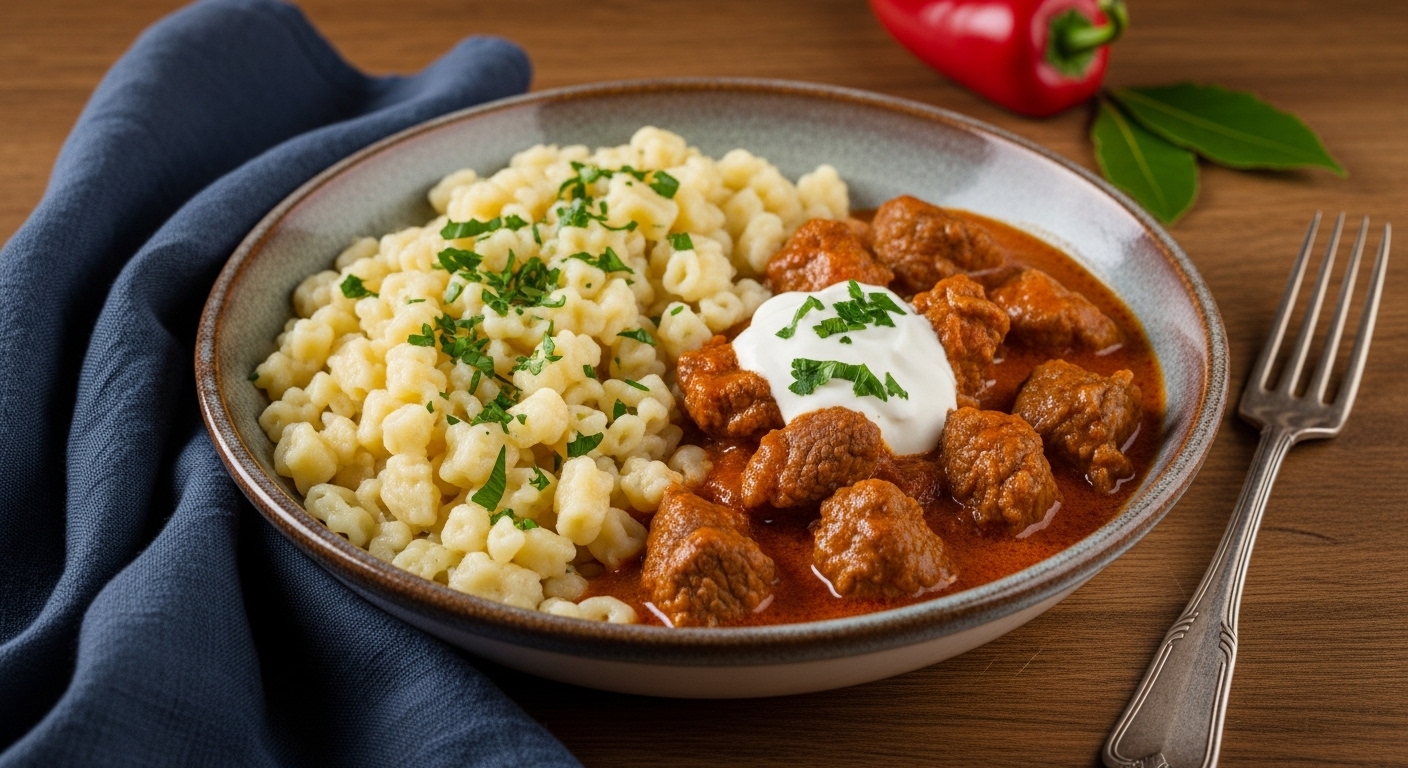
Imagine a warm, golden stew simmering on your stove—thick with paprika-infused tomato sauce, tender chunks of veal falling apart at the touch of a fork, and the rich aroma filling your kitchen. That’s veal paprikash, a beloved Hungarian comfort dish that blends savory meat, sweet peppers, and creamy onions into one unforgettable bowl. Known for its deep red hue and velvety texture, this traditional recipe has been a staple in Central European homes for generations. Whether you’re hosting dinner guests or craving a cozy meal after a long day, veal paprikash delivers rich flavor, satisfying warmth, and unmistakable authenticity.
If you’ve ever wondered how to recreate restaurant-quality vegetarian paprikash or what makes the original so irresistible, you’re in the right place. This guide walks you through everything—from choosing the best cut of veal to mastering the balance between smoky paprika and tangy sour cream. By the end, you’ll not only understand why veal paprikash remains a timeless favorite but also have the confidence to cook it like a pro.
Key Takeaways
- Veal paprikash is a Hungarian stew featuring tender veal braised in a paprika-laced tomato base.
- The dish typically includes sweet peppers, onions, and sour cream for depth and richness.
- For best results, use smoked paprika (sweet) and avoid browning the meat too quickly.
- Substitutions are easy—chicken or mushrooms work well for lighter or vegetarian versions.
- Serve over egg noodles, mashed potatoes, or rice for a complete, comforting meal.
What Is Veal Paprikash?
Veal paprikash—also spelled “paprikash” without an ‘e’—originates from Hungary and is part of the broader Eastern European tradition of slow-cooked meat stews. Unlike French coq au vin or Italian ragù, paprikash relies on smoked sweet paprika as its signature flavor agent, giving the dish its distinctive reddish-orange color and slightly sweet, earthy taste. The meat is usually simmered with onions, bell peppers, and sometimes garlic until melt-in-your-mouth tender.
The magic happens when a dollop of cold sour cream is stirred into the warm sauce at the end. This creates a luxurious, creamy finish that balances the acidity of tomatoes and the heat of paprika. Traditionally served over wide egg noodles (known as nokedli in Hungarian), paprikash transforms humble ingredients into a celebration of flavor and texture.
Why People Love Veal Paprikash
- Rich, comforting flavor: Deeply aromatic with layers of onion, pepper, and spice.
- Perfect for batch cooking: Leftovers taste even better the next day.
- Versatile: Easily adapted for dietary preferences—meat, vegetarian, or vegan.
- Cultural heritage: Represents Hungarian culinary pride and hospitality.
Quick Recipe Summary
| Prep Time | 20 minutes |
| Cook Time | 90 minutes |
| Total Time | 2 hours 10 minutes |
| Servings | 4–6 |
| Cuisine | Hungarian |
| Course | Dinner |
| Calories (approx.) | 450 per serving |
Ingredients for Authentic Veal Paprikash
Use fresh, high-quality ingredients for the most authentic and delicious result. Here’s exactly what you’ll need:
Main Ingredients
- 1.5 lbs (700g) boneless veal shoulder or shank, cut into 1.5-inch cubes
- 2 large yellow onions, finely chopped
- 1 red bell pepper, diced
- 1 green bell pepper, diced
- 3 cloves garlic, minced
- 3 tbsp smoked sweet paprika (not hot—Hungarian paprika)
- 2 tbsp all-purpose flour
- 2 cups (480ml) low-sodium chicken or vegetable broth
- 1 can (14 oz / 400g) crushed tomatoes
- 1 bay leaf
- Salt and freshly ground black pepper, to taste
- 2 tbsp unsalted butter or olive oil
- 1 cup heavy cream or sour cream
- Fresh parsley, chopped (for garnish)
Optional Additions
- 1 tsp caraway seeds (authentic Hungarian touch)
- Pinch of cayenne (if you like it spicy)
- 1 tbsp white wine or apple cider vinegar (for brightness)
Step-by-Step Cooking Instructions
Follow these simple steps to create a velvety, deeply flavored veal paprikash that rivals any Hungarian restaurant.
- Prepare the Veal: Pat dry the cubed veal with paper towels. Lightly season with salt and pepper. Heat half the butter or oil in a large Dutch oven or heavy pot over medium-high heat. Brown the veal in batches—do not overcrowd the pan. Set aside.
- Sauté the Aromatics: In the same pot, add remaining butter/oil. Sauté onions for 5–6 minutes until soft and translucent. Add bell peppers and cook for another 5 minutes. Stir in garlic and cook for 1 minute until fragrant.
- Add Paprika and Flour: Sprinkle in the flour and stir for 1 minute to cook out the raw flour taste. Then add the smoked paprika—cook for 30 seconds while stirring constantly to prevent burning. The mixture should become richly colored and aromatic.
- Deglaze and Simmer: Pour in the broth, scraping up any browned bits from the bottom. Add crushed tomatoes, bay leaf, and browned veal (with juices). Bring to a gentle boil, then reduce heat to low. Cover and simmer for 70–80 minutes, stirring occasionally, until the veal is fork-tender.
- Finish with Cream: Remove from heat. Discard bay leaf. Stir in sour cream (or heavy cream) until fully incorporated. Adjust seasoning with salt, pepper, or a splash of vinegar if needed.
- Garnish and Serve: Ladle into bowls and top with chopped parsley. Serve immediately over egg noodles, mashed potatoes, or crusty bread.
Chef Tips for Perfect Veal Paprikash
- Use smoked paprika, not regular: True Hungarian paprika imparts depth; avoid generic paprika blends.
- Don’t skip browning: Proper Maillard reaction enhances flavor—brown the veal well.
- Low and slow is key: Simmer gently to keep the veal tender without becoming mushy.
- Cold sour cream prevents curdling: Always add it off-heat to maintain smoothness.
- Taste as you go: Adjust acidity with vinegar or sweetness with a pinch of sugar if needed.
Common Mistakes to Avoid
- Using hot paprika: Can make the dish overly spicy and unbalanced.
- Overcooking the meat: Results in dry, stringy veal—stick to the recommended time.
- Adding sour cream too early: Boiling will cause separation—add it at the very end.
- Skipping the flour: Thickens the sauce and helps bind flavors—don’t omit it.
- Not deglazing the pan: Those caramelized bits add incredible umami—always scrape them up!
Ingredient Substitutions & Variations
Meat Alternatives
- Chicken paprikash: Use chicken thighs for juiciness—simmer for 45–50 minutes.
- Pork paprikash: Loin or shoulder works well; similar cook time to veal.
- Turkey: Leaner but still flavorful—reduce cook time by 10 minutes.
Vegetarian & Vegan Options
- Portobello mushrooms: Slice thick and roast first, then follow paprikash method. Best with sour cream alternative (cashew-based).
- Jackfruit or lentils: Great for hearty, plant-based versions—simmer 20–25 minutes.
- Vegan paprikash: Use coconut milk instead of cream and nutritional yeast for cheesy notes.
Indian-Inspired Twist
- Add garam masala, turmeric, and ginger for a bold fusion.
- Serve with jeera rice or naan.
Healthier Version
- Use lean cuts of veal or substitute with turkey.
- Reduce cream with Greek yogurt or skyr.
- Increase veggie content with zucchini or carrots.
Beginner-Friendly Tips
- Pre-cut all ingredients before starting.
- Use pre-ground paprika (authenticity matters less for first try).
- Simmer longer if nervous—it won’t ruin the dish, just make it extra tender.
Serving Suggestions
Traditionally, veal paprikash is served over egg noodles, which soak up every bit of the rich sauce. But feel free to get creative:
- Mashed potatoes: Creamy and classic—perfect for scooping up sauce.
- Rice or quinoa: Lighter option for modern palates.
- Bread or challah rolls: Soak up the sauce like French toast.
- Side salad: A simple cucumber-dill salad balances the richness.
Storage & Reheating Instructions
- Refrigerate: Store in an airtight container for up to 4 days.
- Freeze: Best for up to 3 months. Thaw overnight in the fridge.
- Reheat: Warm on stove with a splash of broth or cream to restore texture. Do not microwave—it can split the sauce.
Nutrition Facts (Approximate Per Serving)
- Calories: 420 kcal
- Protein: 32 g
- Fat: 24 g
- Carbohydrates: 18 g
- Fiber: 3 g
- Sugar: 6 g
- Sodium: 650 mg
- Calcium: 80 mg
Frequently Asked Questions (FAQs)
1. What is the difference between veal and beef paprikash?
Veal paprikash uses younger, more tender meat, resulting in a finer texture and milder flavor. Beef paprikash is heartier and often includes tougher cuts like chuck or brisket, cooked longer to break down connective tissue.
2. Can I make paprikash without meat?
Absolutely! Portobello mushrooms, lentils, or jackfruit work wonderfully. Just sauté the protein substitute thoroughly before adding the paprika base for maximum flavor absorption.
3. Why does my paprikash taste bitter?
Bitter paprika usually means it was burned during cooking. Always cook paprika in oil or fat for no more than 30–60 seconds after adding other ingredients to avoid bitterness.
4. How do I fix a runny paprikash?
Add a slurry of cornstarch and water (1 tbsp cornstarch + 2 tbsp water), whisk into the stew, and simmer for 5 minutes until thickened. Alternatively, reduce the liquid over low heat uncovered.
5. Is paprikash always served with sour cream?
Yes, traditionally yes—but you can omit it for a lighter version or replace it with Greek yogurt or cream. Some modern recipes omit it entirely, especially in vegan adaptations.
Conclusion: Bring Comfort Home with Veal Paprikash
If you’re searching for a dish that’s both nourishing and soul-warming, look no further than veal paprikash. With its vibrant color, complex spices, and tender meat swimming in a creamy tomato-paprika gravy, this Hungarian classic proves that sometimes the simplest ingredients create the most memorable meals. Whether you’re cooking for family, impressing guests, or simply treating yourself, this recipe delivers authenticity, comfort, and joy—one spoonful at a time.
So roll up your sleeves, fire up your Dutch oven, and let the rich aroma of paprika and onions fill your kitchen. You’ve got this—and soon, you’ll be calling this your favorite weeknight staple. Happy cooking!