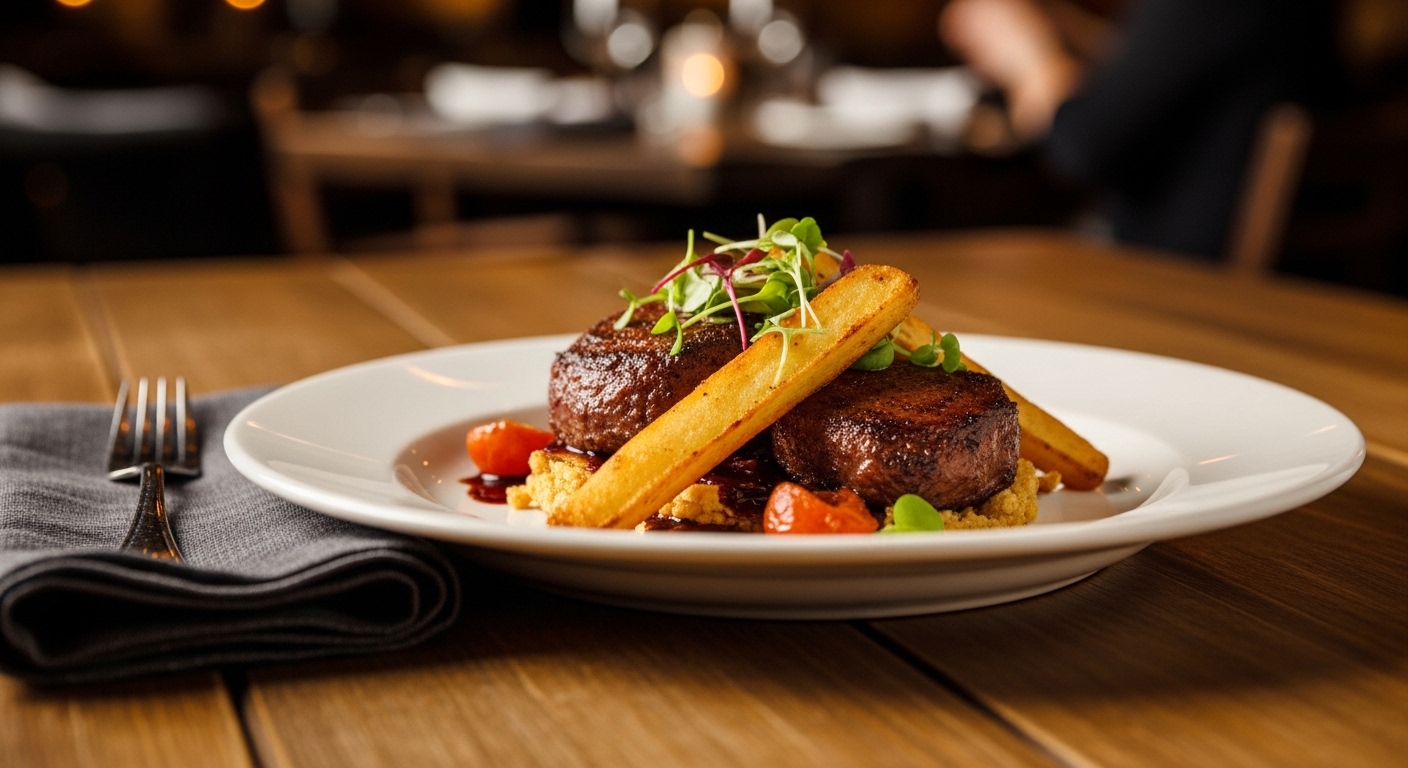
There’s something undeniably satisfying about a perfectly cooked sirloin steak dinner. Whether you’re hosting a special occasion or simply treating yourself to a gourmet meal at home, this classic cut delivers rich, tender meat with a bold flavor that never goes out of style. With its lean muscle structure and marbling along the edges, sirloin offers a juicy, beefy taste that pairs beautifully with everything from garlic butter to red wine reductions.
Originating from the rear section of the primal cut, sirloin is known for its balance between tenderness and flavor—making it ideal for grilling, pan-searing, or broiling. It’s not as fatty as ribeye but still packs enough richness to feel indulgent. In fact, when prepared correctly, a sirloin steak dinner can rival restaurant-quality meals without the high price tag.
In this comprehensive guide, we’ll walk through everything you need to know—from selecting the right cut to seasoning, cooking, resting, and serving your steak to perfection. You’ll learn expert tips, avoid common pitfalls, and discover creative ways to elevate your next sirloin steak dinner into a memorable culinary experience.
Why Sirloin Steak Is the Ultimate Choice for Your Next Dinner
The popularity of sirloin steak dinner lies in its versatility and accessibility. Unlike more expensive cuts like filet mignon or dry-aged porterhouse, sirloin offers excellent value while delivering exceptional taste. It’s also one of the most forgiving steaks for home cooks—even if you’re new to grilling or searing meat, you can achieve impressive results with minimal effort.
One of the key reasons people love sirloin is its ability to absorb flavors. Its slightly firmer texture compared to ribeye allows it to stand up well to bold marinades, herb rubs, and sauces. Plus, because it’s leaner than many other steaks, it doesn’t become overly greasy when cooked properly—just golden-brown sear and tender interior.
Another advantage? Sirloin is widely available year-round and comes in both grass-fed and grain-fed varieties. Grass-fed options tend to have a more pronounced, earthy flavor and higher omega-3 content, while grain-fed steaks often develop richer marbling and a sweeter profile. No matter which you choose, mastering the art of preparing a sirloin steak dinner opens the door to countless delicious possibilities.
Sirloin Steak Dinner Recipe Overview
Here’s a quick glance at what you’ll be making:
- Prep Time: 15 minutes
- Cook Time: 12–15 minutes (depending on thickness)
- Total Time: ~25–30 minutes
- Servings: 4
- Cuisine: American / Classic
- Course: Main Course
- Calories (approx.): 320 per 6 oz serving (without sauce)
This recipe focuses on simple ingredients and techniques that highlight the natural flavor of the beef—perfect for beginners yet sophisticated enough for seasoned cooks.
Ingredients You’ll Need for Your Sirloin Steak Dinner
Make sure to gather all your ingredients before starting, as timing is crucial when cooking steak.
For the Steaks:
- 4 boneless sirloin steaks (about 8 ounces each, 1.25–1.5 inches thick)
- Kosher salt (or sea salt), to taste
- Freshly ground black pepper
- 2 tablespoons neutral oil (canola, avocado, or grapeseed)
- 2 tablespoons unsalted butter
- 3 garlic cloves, smashed
- 2 sprigs fresh thyme or rosemary
Optional Sides & Garnishes:
- Steamed asparagus or roasted baby potatoes
- Garlic mashed potatoes or creamy polenta
- Sautéed mushrooms or sautéed spinach
- Lemon wedges for finishing
- Flaky sea salt for sprinkling
Step-by-Step Instructions: How to Cook the Perfect Sirloin Steak
Follow these steps carefully to ensure juicy, evenly cooked steaks every time.
Step 1: Bring the Steaks to Room Temperature
Take your steaks out of the refrigerator 30–60 minutes before cooking. Cold meat doesn’t sear properly and will cook unevenly. Pat them dry thoroughly with paper towels—this helps create a better crust.
Step 2: Season Generously
Season both sides liberally with kosher salt and freshly cracked black pepper. For extra depth, mix in ½ teaspoon of smoked paprika or dried oregano at this stage.
Step 3: Preheat Your Cooking Surface
Heat a heavy skillet (cast iron works best) over medium-high heat until very hot—you should see faint smoke after adding oil. Add the oil just before placing the steaks in the pan.
Step 4: Sear the Steaks
Place the steaks in the hot pan and let them sear undisturbed for 3–4 minutes on the first side. Avoid moving them too soon—this allows the Maillard reaction to occur, creating that coveted golden-brown crust.
Flip using tongs (not a fork!) and cook for another 3–4 minutes on the second side for medium-rare. Adjust timing based on desired doneness:
- Rare: 2–2.5 minutes per side
- Medium-rare: 3–3.5 minutes per side
- Medium: 4–4.5 minutes per side
Step 5: Baste with Butter and Herbs
Reduce heat to medium-low. Add the butter, garlic, and herbs to the pan. As the butter melts, continuously spoon it over the steaks for 1–2 minutes. This infuses incredible flavor and keeps the meat moist.
Step 6: Rest the Steaks
Transfer steaks to a cutting board or plate and tent loosely with foil. Let them rest for at least 5–7 minutes. This critical step allows juices to redistribute—otherwise, they’ll spill out when you cut into the steak.
Step 7: Slice and Serve
Slice against the grain into thin strips. Arrange on a warm plate with sides, drizzle with any remaining pan juices, and finish with a squeeze of lemon and flaky salt if desired.
Chef Tips for the Best Sirloin Steak Dinner
Want to take your sirloin steak dinner to the next level? Try these pro tips:
- Use a meat thermometer: Internal temperature is the most reliable way to judge doneness. Aim for 130°F (54°C) for medium-rare.
- Don’t overcrowd the pan: Cook steaks one at a time if necessary to maintain high heat.
- Dry-brine ahead of time: Sprinkle salt on the steaks at least 4 hours (or overnight) in advance. This enhances flavor and improves texture.
- Let the pan cool slightly before basting: Overheated butter can burn and turn bitter.
- Rest longer than you think: Five minutes might seem long—but it makes a world of difference.
Common Mistakes to Avoid When Cooking Sirloin Steak
Even experienced cooks make these errors. Steer clear of them to guarantee success:
- Skipping the rest period: Cutting into the steak immediately causes juice loss and dry meat.
- Using cold oil: Always heat oil before adding it to a hot pan.
- Moving the steak too early: Patience during the sear builds flavor and texture.
- Overcooking: Sirloin is best enjoyed medium-rare to medium. Past that, it becomes tough.
- Not trimming excess fat: While some fat adds flavor, too much can cause flare-ups or sogginess.
Ingredient Substitutions & Variations
Feel free to customize this sirloin steak dinner to suit your taste or dietary needs.
Substitutions:
- Oil: Use olive oil for a fruity note, though it burns faster than neutral oils.
- Butter: Swap with ghee or duck fat for a richer flavor.
- Herbs: Basil, parsley, or sage can replace thyme/rosemary.
- Steak type: Swap sirloin for flank, skirt, or ribeye—but adjust cooking times accordingly.
Variations:
- Indian-style sirloin curry steak: Marinate in yogurt, ginger-garlic paste, turmeric, and garam masala; then sear and simmer in tomato-onion gravy.
- Vegan version: Use king oyster mushrooms or plant-based steaks marinated similarly.
- Healthier option: Grill instead of pan-frying; serve with quinoa and roasted vegetables.
Serving Suggestions for Your Sirloin Steak Dinner
Pair your sirloin steak dinner with complementary sides that enhance—not compete with—the main dish:
- Mashed potatoes: Creamy Yukon Gold mash with garlic and chives.
- Roasted root vegetables: Carrots, parsnips, and sweet potatoes with rosemary.
- Grilled corn on the cob: Slathered with herb butter.
- Caesar salad: Crisp romaine, croutons, Parmesan, and house-made dressing.
- Red wine reduction: Deglaze the pan with Cabernet Sauvignon and reduce with shallots.
For a complete meal, serve with a glass of robust red wine like Merlot or Malbec.
Storage and Reheating Instructions
Leftover sirloin steak dinner can be stored safely for later enjoyment.
Storing:
Wrap leftover steaks tightly in plastic wrap or place in an airtight container. Store in the refrigerator for up to 3 days.
Reheating:
Avoid microwaving—it dries out the meat. Instead:
- Slice the steak thinly.
- Heat a nonstick skillet over medium-low.
- Add a splash of water or broth to create steam.
- Cover and warm for 2–3 minutes until heated through.
Alternatively, reheat in a 300°F oven for 5–7 minutes.
Nutrition Facts (Approximate Per Serving – 6 oz Sirloin)
Each serving contains roughly:
- Calories: 320
- Protein: 35g
- Fat: 18g (of which saturated fat = 7g)
- Carbohydrates: 0g
- Cholesterol: 110mg
- Sodium: 400mg (varies with added salt)
Note: Values increase slightly if served with butter, sauce, or starchy sides.
Frequently Asked Questions About Sirloin Steak Dinner
Q: Is sirloin steak tough?
A: Not if cooked properly. Sirloin is leaner than ribeye but still tender when seared quickly over high heat and rested well. Cutting against the grain helps maximize tenderness.
Q: Can I marinate sirloin steak?
A: Yes! Marinate for 2–24 hours in acidic liquids like vinegar, citrus juice, or yogurt mixed with herbs and spices. Don’t over-marinate—acid breaks down the meat too much.
Q: What’s the difference between sirloin and flank steak?
A: Sirloin is more tender and has less connective tissue than flank steak, which requires longer cooking and is best sliced thinly against the grain.
Q: Should I trim all the fat off sirloin?
A: Leave a thin layer—fat enhances flavor and moisture during cooking. Trim only large chunks that may cause flare-ups.
Q: Can I freeze cooked sirloin steak?
A: Yes. Wrap tightly and freeze for up to 3 months. Thaw in the fridge overnight before reheating gently.
Key Takeaways
Mastering the sirloin steak dinner doesn’t require fancy equipment or decades of experience. By following these guidelines—seasoning well, searing at high heat, resting properly, and pairing with thoughtful sides—you’ll consistently deliver restaurant-worthy results at home. Whether you’re cooking for family, impressing guests, or simply enjoying a luxurious night in, this recipe proves that simplicity and quality can go hand-in-hand.
Now grab your favorite steak, fire up the stove, and treat yourself to a truly unforgettable meal.
Leave a Reply