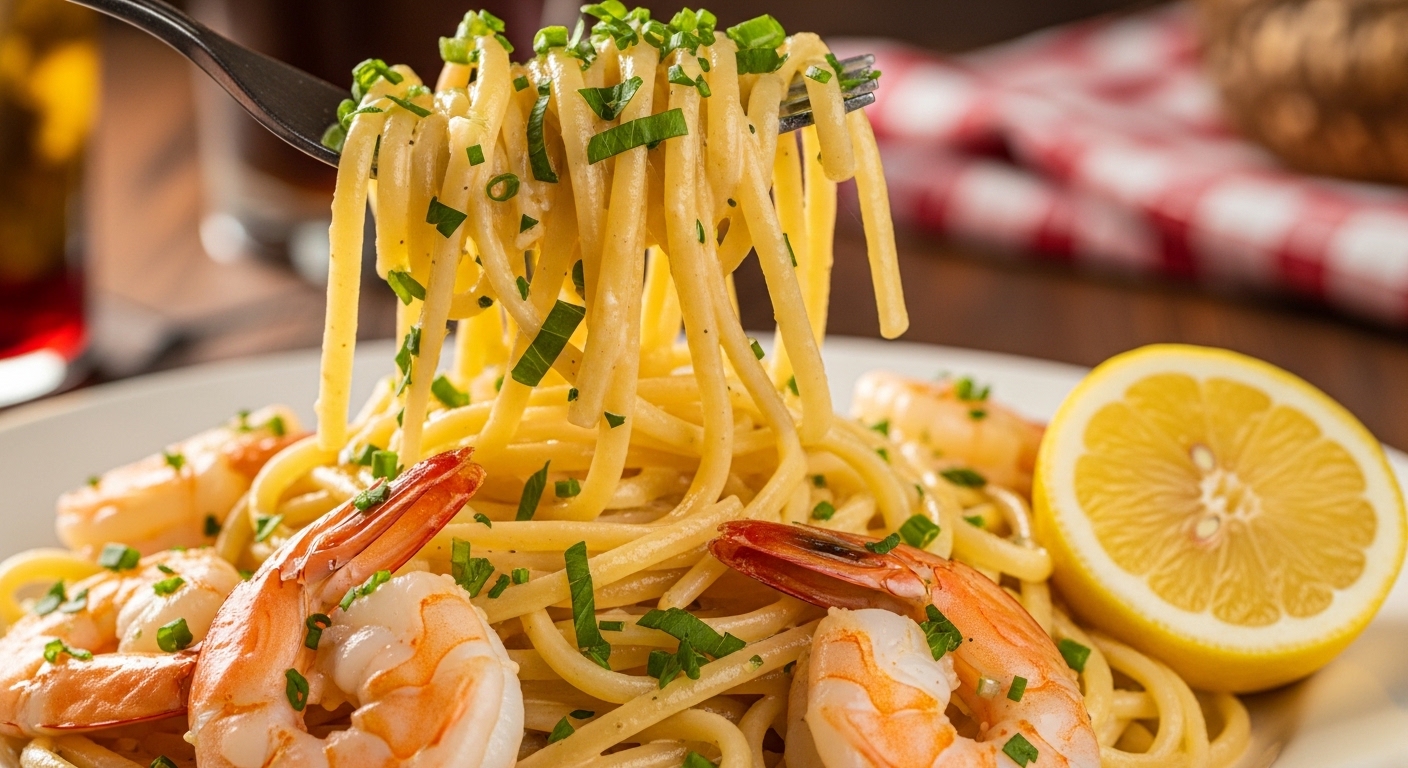
There’s something undeniably comforting about a plate of shrimp scampi pasta—golden sautéed shrimp swimming in a buttery, garlicky white wine sauce over perfectly al dente pasta. This beloved dish, rooted in Italian-American cuisine, combines simple, high-quality ingredients into a rich, flavorful meal that feels both elegant and effortless. Whether you’re hosting a dinner party or craving a cozy night in, shrimp scampi pasta delivers on taste, texture, and visual appeal. It’s quick to make, packed with umami, and surprisingly forgiving for home cooks. If you’ve ever wondered how to transform basic pantry staples into restaurant-worthy fare, this is your answer.
Why Shrimp Scampi Pasta Tastes So Good
At its core, shrimp scampi pasta thrives on balance. The succulent shrimp provide a tender, sweet bite, while the garlic-infused butter and white wine sauce adds depth and richness. A splash of lemon juice brightens the dish, and fresh parsley brings a pop of color and herbaceousness. The result? A harmonious blend of savory, tangy, and aromatic flavors that dance on your palate.
Unlike heavier cream-based pasta dishes, shrimp scampi relies on emulsified butter and oil to coat the pasta, allowing the natural flavors to shine. This technique, known as “deglazing,” lifts the caramelized bits from the pan—called fond—into the sauce, intensifying every spoonful.
Quick Recipe Summary
- Prep Time: 10 minutes
- Cook Time: 20 minutes
- Total Time: 30 minutes
- Servings: 4
- Cuisine: Italian-American
- Course: Main Course
- Calories (approx.): 580 per serving
Ingredients You’ll Need
To make authentic shrimp scampi pasta, gather these fresh, high-quality ingredients. No need for exotic items—just what you’d find in any well-stocked kitchen.
- 1 pound linguine or spaghetti (or gluten-free alternative)
- 1 lb large or jumbo shrimp, peeled and deveined (tails on or off, as preferred)
- ½ cup dry white wine (such as Pinot Grigio or Sauvignon Blanc)
- ½ cup chicken or vegetable broth
- 6 tablespoons unsalted butter
- 4 cloves garlic, minced (about 2 tablespoons)
- ¼ teaspoon red pepper flakes (optional, for heat)
- Juice of 1 lemon (about 3 tablespoons)
- ½ cup freshly grated Parmesan cheese
- ½ cup chopped fresh parsley
- Salt and freshly ground black pepper, to taste
- Extra-virgin olive oil, for finishing
- Lemon wedges, for serving
Step-by-Step Instructions
- Prepare the pasta: Bring a large pot of salted water to a rolling boil. Cook linguine according to package instructions until al dente. Reserve 1 cup of pasta water before draining.
- Season and sear the shrimp: Pat shrimp dry and season lightly with salt and pepper. In a large skillet, heat 2 tablespoons butter and 1 tablespoon olive oil over medium-high heat. Add shrimp in a single layer and cook for 1–2 minutes per side until pink and opaque. Remove shrimp and set aside.
- Build the sauce: In the same skillet, reduce heat to medium. Add remaining 4 tablespoons butter and sauté garlic and red pepper flakes for 30 seconds until fragrant—be careful not to burn.
- Deglaze with wine: Pour in white wine and broth. Increase heat slightly and simmer for 3–4 minutes, scraping up any browned bits from the bottom of the pan.
- Add acidity and finish sauce: Stir in lemon juice, Parmesan, and parsley. Let sauce simmer gently for 1 minute. If sauce seems thick, add reserved pasta water, 2–3 tablespoons at a time, until it coats the pasta.
- Combine everything: Add cooked pasta and shrimp back to the skillet. Toss gently over low heat for 1–2 minutes to meld flavors. Drizzle with a little olive oil for brightness.
- Serve immediately: Plate warm, garnished with extra parsley, lemon wedges, and a sprinkle of Parmesan.
Chef Tips for Perfect Shrimp Scampi Pasta
- Don’t overcook the shrimp: They cook quickly and become rubbery if left too long. Remove them from the heat just as they turn opaque.
- Use fresh garlic: Pre-minced garlic loses flavor fast. Freshly chopped garlic gives the sauce its signature aromatic punch.
- Reserve pasta water: Starchy water helps bind the sauce to the noodles, creating a silky, cohesive dish.
- Warm everything together: Finish by tossing pasta and shrimp in the sauce off the heat to keep everything tender and flavorful.
- Quality wine matters: Use an affordable but decent white wine. You’re cooking it down, but its flavor still contributes significantly.
Common Mistakes to Avoid
- Skipping the deglazing step: Not scraping the fond means missing out on deep, roasted garlic and shrimp flavor.
- Overcrowding the pan: Searing shrimp in batches prevents steaming and ensures a golden crust.
- Using bottled lemon juice: Fresh lemon juice provides a vibrant, clean acidity that bottled versions can’t match.
- Boiling the sauce: Letting the sauce reduce too much makes it overly thick and concentrated—gentle simmering is key.
- Nailing the timing: Cook pasta, then shrimp, then combine—don’t let either get cold.
Ingredient Substitutions & Variations
Shrimp scampi pasta is wonderfully adaptable. Here’s how to tweak it based on dietary needs or preferences:
- Pasta alternatives: Swap linguine for fettuccine, angel hair, or even zucchini noodles (for low-carb).
- Gluten-free option: Use certified GF pasta made from rice, corn, or quinoa flour blends.
- Vegetarian version: Replace shrimp with grilled chicken, mushrooms (like king oyster), or hearts of palm.
- Vegan adaptation: Use vegan butter, nutritional yeast instead of Parmesan, and skip the wine (use more broth).
- Spice it up: Add sun-dried tomatoes, spinach, or capers for extra dimension.
- Healthier twist: Reduce butter, use less pasta, and increase vegetables like asparagus or cherry tomatoes.
Indian-Inspired Shrimp Scampi Pasta
Want to put a bold Indian spin on this classic? Try this fusion version:
- Replace white wine with ¼ cup apple cider vinegar or white wine vinegar.
- Add 1 teaspoon garam masala and ½ teaspoon turmeric when sautéing garlic.
- Top with toasted cashews and a drizzle of tamarind chutney or mango salsa.
- Garnish with fresh cilantro instead of parsley.
Serving Suggestions
Shrimp scampi pasta shines as a main course but pairs beautifully with sides that complement its bold flavors.
- Garlic bread: Crispy baguette slices brushed with garlic butter—perfect for soaking up sauce.
- Caesar salad: A crisp, crunchy salad with homemade dressing balances the richness.
- Sautéed green beans: Lightly steamed beans tossed in lemon and garlic make a healthy veggie side.
- Caprese skewers: Cherry tomatoes, mozzarella, and basil on toothpicks add freshness.
- Sparkling water with lemon: A refreshing non-alcoholic drink cuts through the fat.
Storage & Reheating Tips
While best enjoyed fresh, shrimp scampi pasta can be stored and reheated with care.
- Refrigerate: Store in an airtight container for up to 2 days.
- Freeze: Not ideal—shrimp becomes rubbery, and pasta absorbs moisture. Best eaten within 24 hours.
- Reheat properly: Warm in a skillet over low heat with a splash of broth or water to revive the sauce. Microwave can work but risks uneven heating.
- Avoid: Don’t reheat more than once—quality degrades each cycle.
Nutrition Facts (Approximate Per Serving)
- Calories: 580
- Protein: 32g
- Carbohydrates: 72g
- Fiber: 3g
- Sugar: 2g
- Fat: 20g
- Saturated Fat: 10g
- Cholesterol: 290mg
- Sodium: 620mg
- Calcium: 180mg
- Iron: 2.5mg
FAQ: Your Top Shrimp Scampi Pasta Questions Answered
Can I make shrimp scampi pasta without alcohol?
Absolutely. Simply substitute the white wine with extra chicken or vegetable broth. The flavor will be slightly different, but still rich and savory. Some chefs also use vermouth or even apple juice for a milder taste.
What’s the difference between shrimp scampi and linguine con frutti di mare?
Scampi refers specifically to sautéed shrimp in a garlic-butter-lemon sauce—typically served with pasta like linguine. “Frutti di mare” means “sea food,” and includes clams, mussels, shrimp, and sometimes scallops. So scampi is a subset of seafood pasta dishes.
Is shrimp scampi pasta healthy?
It can be part of a balanced diet. High in protein and omega-3s from shrimp, but calorie and fat content depend on portion size and ingredients like butter and pasta. Opt for whole-grain pasta and reduce butter for a lighter version.
How do I know if shrimp is done?
Shrimp turns from transparent to opaque pink or orange. Cook until firm to the touch and curled into a C-shape. Overcooked shrimp becomes tough and chewy.
Can I use frozen shrimp?
Yes, but thaw it completely and pat dry before cooking. Frozen shrimp often has a stronger odor and texture, so fresh is ideal. Avoid pre-cooked frozen shrimp—they’ll overcook easily.
Key Takeaways
- Shrimp scampi pasta is a quick, elegant dish that combines simple ingredients into something extraordinary.
- The secret lies in deglazing the pan with wine and broth to create a flavorful, glossy sauce.
- Fresh garlic, quality butter, and proper shrimp handling make all the difference.
- This recipe is highly customizable—vegetarian, vegan, gluten-free, or Indian-inspired versions are possible.
- Always serve hot, with lemon wedges and parsley for maximum impact.
Conclusion: Elevate Dinner Without Extra Effort
Shrimp scampi pasta isn’t just a meal—it’s a moment. One bite transports you to a bustling Italian kitchen, where simplicity meets sophistication. With minimal prep and maximum flavor, it’s the kind of dish that impresses guests and satisfies cravings alike. Whether you’re a seasoned cook or a beginner, this recipe proves that great food doesn’t require complexity. Just good ingredients, a pinch of patience, and a willingness to taste as you go. So grab your skillet, open that bottle of white wine, and turn ordinary pasta night into something truly special. Your taste buds—and your dinner guests—will thank you.