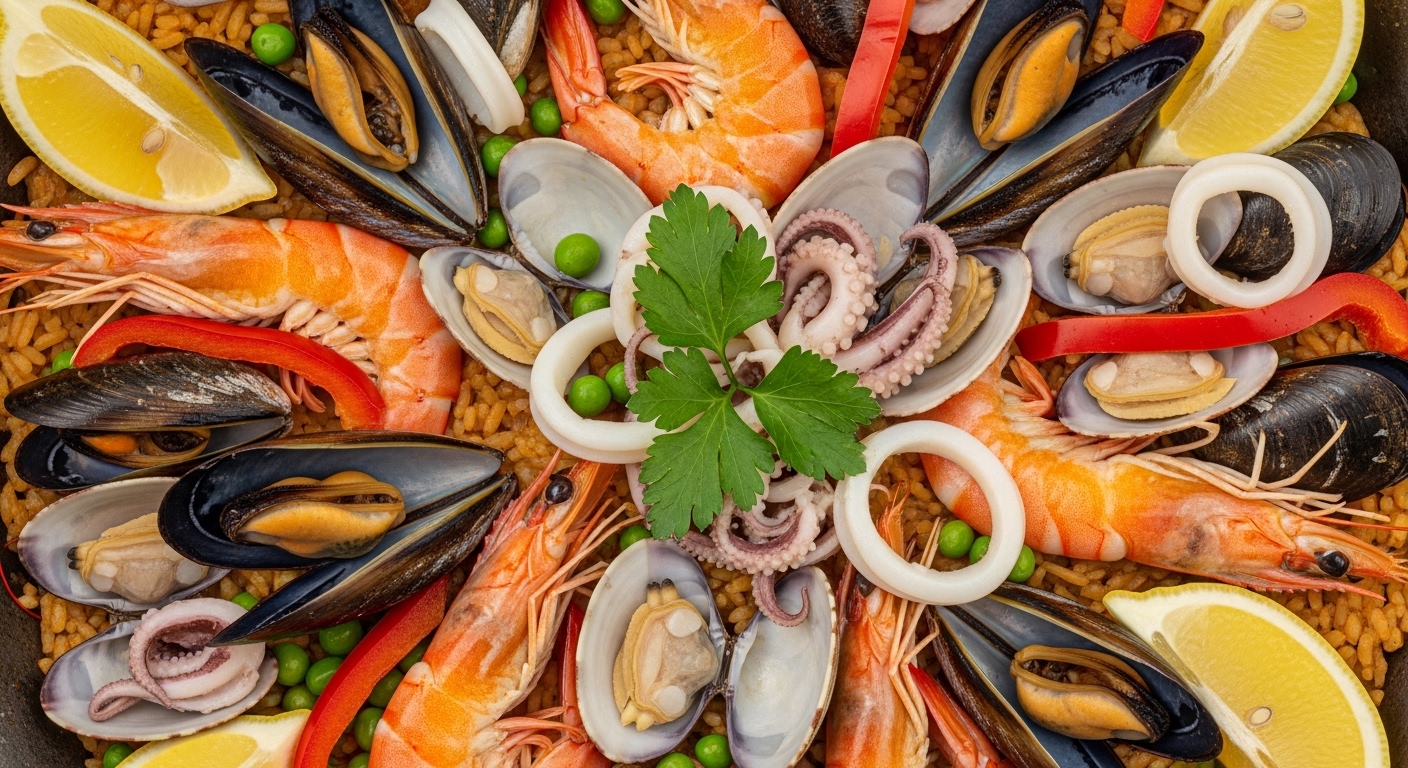
Ever wondered what makes a plate of golden saffron-infused rice with succulent shrimp, mussels, and clams so irresistible? Seafood paella is more than just a meal—it’s a celebration of flavor, tradition, and coastal simplicity. Originating from Valencia, Spain, this vibrant dish has captured hearts around the world with its bold tastes, aromatic spices, and communal spirit. Whether you’re hosting a dinner party or craving comfort food with an international twist, seafood paella delivers both authenticity and elegance in every bite.
If you’ve been searching for seafood paella recipe, you’re in the right place. This guide walks you through everything—from choosing the freshest ingredients to mastering the perfect socarrat (the coveted crispy bottom layer). By the end, you’ll not only know how to cook it but also understand why this dish remains a cornerstone of Spanish cuisine.
Quick Recipe Summary Table
| Metric | Details |
|---|---|
| Prep Time | 20 minutes |
| Cook Time | 35–40 minutes |
| Total Time | 55–60 minutes |
| Servings | 4 adults |
| Cuisine | Spanish |
| Course | Main Course |
| Calories (approx.) | 580 per serving |
Why Seafod Paella Stands Out
Unlike other rice dishes, seafood paella relies on balance—not excess. The key lies in the bomba or short-grain rice, which absorbs flavor without turning mushy, thanks to the high liquid ratio and constant stirring. Saffron, often called “red gold,” imparts a delicate floral aroma and signature yellow hue. Paella simmers slowly over low heat, allowing each ingredient to release its essence into the broth while forming that prized caramelized crust at the base.
What truly sets it apart is its social nature. Traditionally cooked outdoors in a wide, shallow pan called a *paellera*, paella brings people together—a tradition known as *comedores de paella* (paella eaters). Today, even home kitchens can recreate this experience with the right tools and technique.
Essential Ingredients You’ll Need
- 1½ cups (300g) Bomba or Calasparra rice – Ideal due to its slow absorption and firm texture
- 4 cups (950ml) Fish stock or seafood broth – Warm before adding
- ¼ tsp Saffron threads – Soaked in 2 tbsp warm water for 10 minutes
- 3 tbsp Extra virgin olive oil – For depth and richness
- 1 medium Yellow onion, finely diced – Adds sweetness without overpowering
- 3 Cloves garlic, minced – Fresh is best
- 1 Red bell pepper, chopped – Optional but traditional
- 1 Tomato, grated or finely chopped – Creates the sauce base
- 2 Roma tomatoes, peeled and seeded – Optional for smoother texture
- 1 Lemon, zested and juiced – Brightens the dish
- 1 lb (450g) Mixed seafood – Shrimp (deveined), mussels (scrubbed), clams (rinsed), squid rings, scallops
- 1 tsp Sweet paprika (pimentón) – Smoked version adds complexity
- 1 Bay leaf – For herbal notes
- Salt and black pepper to taste – Adjust after tasting
- Fresh parsley, chopped – For garnish
Step-by-Step Cooking Instructions
- Prepare the saffron infusion: Crush saffron threads slightly with your fingers, then steep them in 2 tablespoons of warm water. Set aside.
- Heat the oil: In a large paella pan or wide skillet over medium heat, add olive oil. Let it warm gently—never let it smoke.
- Sauté aromatics: Add onions and bell pepper (if using). Cook until translucent (about 5–7 minutes), stirring occasionally. Add garlic and cook for another minute.
- Add tomato paste and spices: Stir in paprika and bay leaf. Cook for 1–2 minutes until fragrant but not browned.
- Incorporate rice: Pour in the rice and stir well to coat each grain in oil and spices. Toast for 2 minutes to enhance starch release.
- Add liquid gradually: Pour in warm fish stock mixed with saffron water. Stir once, then let it simmer. Do not stir again—this helps form socarrat.
- Arrange seafood: Once boiling resumes, scatter seafood evenly across the top. Gently press mussels and clams into the rice.
- Cook undisturbed: Reduce heat to low. Simmer uncovered for 15 minutes. Check periodically—rice should be al dente with a slight chew.
- Add lemon zest and juice: After 15 minutes, squeeze half the lemon juice and sprinkle zest over the dish. Return to heat for 5 more minutes.
- Rest and serve: Turn off heat, cover with a clean kitchen towel, and let rest 5 minutes. Garnish with parsley and remaining lemon wedge.
Chef Tips for Perfect Seafood Paella
- Use a wide, shallow pan: This ensures even heat distribution and proper evaporation—key for socarrat.
- Keep liquid warm: Cold stock slows cooking and affects texture. Preheat if needed.
- Don’t stir after adding stock: Stirring prevents crust formation. Let the rice settle naturally.
- Test doneness early: Taste a grain near the center. It should be tender but still have a slight bite.
- Season last: Taste before adding salt—many seafood items are salty, especially if frozen or pre-seasoned.
Common Mistakes to Avoid
- Overcooking the rice: Leads to mushiness. Use bomba rice and follow timing strictly.
- Using low-quality seafood: Stick to fresh, mild-flavored shellfish. Avoid overly fishy-smelling options.
- Skipping the socarrat: That crispy layer is part of the magic. Ensure high heat at the end and no stirring.
- Adding too much liquid: Standard ratio is 2:1 (rice to liquid). Too much water = soupy paella.
- Ignoring resting time: Allows flavors to meld and steam to redistribute moisture evenly.
Ingredient Substitutions & Variations
Want to make your seafood paella recipe more accessible? Here are smart swaps:
- Rice: Arborio works in a pinch but won’t develop socarrat as well.
- Stock: Vegetable broth + 1 tsp anchovy paste adds umami depth for vegetarians.
- Saffron: Turmeric can mimic color but lacks aroma. Use sparingly (¼ tsp).
- Seafood: Swap shrimp for chicken (Valencian style), or go fully vegetarian with artichokes, beans, and peppers.
- Vegan option: Use mushrooms, chickpeas, and smoked paprika for earthy richness.
Serving Suggestions
Serve hot directly from the pan for maximum impact. Pair with:
- A crisp white wine like Albariño or Verdejo
- Green salad with lemon vinaigrette to cut through richness
- Bread on the side—just enough to soak up leftover broth
- Chilled sangria or limoncello for dessert
Storage & Reheating Instructions
- Refrigerate: Store covered in the fridge for up to 3 days.
- Freeze: Not recommended—rice becomes gummy when thawed.
- Reheat: Gently warm in a skillet over low heat with splash of water or broth. Cover to retain moisture.
- Never microwave: Causes uneven heating and texture loss.
Nutrition Facts (Approximate Per Serving)
- Calories: 580
- Protein: 32g
- Carbohydrates: 68g
- Fat: 18g
- Fiber: 2g
- Sodium: 850mg
- Sugar: 4g
Key Takeaways
- Authentic seafood paella starts with bomba rice and quality saffron.
- The secret to success? Low-and-slow cooking without stirring after adding liquid.
- Socarrat isn’t optional—it’s the soul of the dish.
- Flexibility allows creativity: swap proteins, adjust spices, or go plant-based.
- Presentation matters: serve straight from the pan with fresh herbs and lemon.
FAQs About Seafood Paella
1. Can I make seafood paella ahead of time?
Yes, but best within 2 hours. Resting improves flavor, though texture softens slightly. Reheat gently on the stove with a bit of broth.
2. What if I can’t find saffron?
Turmeric is a common substitute, but use only ¼ tsp and expect a milder flavor. For authenticity, try online specialty stores.
3. Why does my paella become mushy?
This usually happens with long-grain rice or overcooking. Stick to bomba/calasparra and avoid stirring after adding liquid.
4. Is seafood paella gluten-free?
Yes, as written—just ensure your fish stock and paprika are certified GF if needed.
5. Can kids eat seafood paella?
Absolutely! Mild seafood like shrimp and scallops are kid-friendly. Serve with extra lemon on the side for brightness.
Conclusion: Bring the Coast to Your Kitchen
Cooking seafood paella might seem intimidating at first, but with patience and the right approach, anyone can master it. This dish isn’t just about ingredients—it’s about rhythm, respect for tradition, and the joy of sharing a meal. Whether you’re celebrating a special occasion or simply treating yourself to something extraordinary, this vibrant plate of rice and ocean bounty will transport your senses straight to the Mediterranean coast.
So fire up that paellera, gather your freshest catch, and dive into one of Spain’s most beloved culinary treasures. Your guests—and your taste buds—will thank you.
Leave a Reply