Rustic Beef Ragout: A Hearty, Comforting Classic
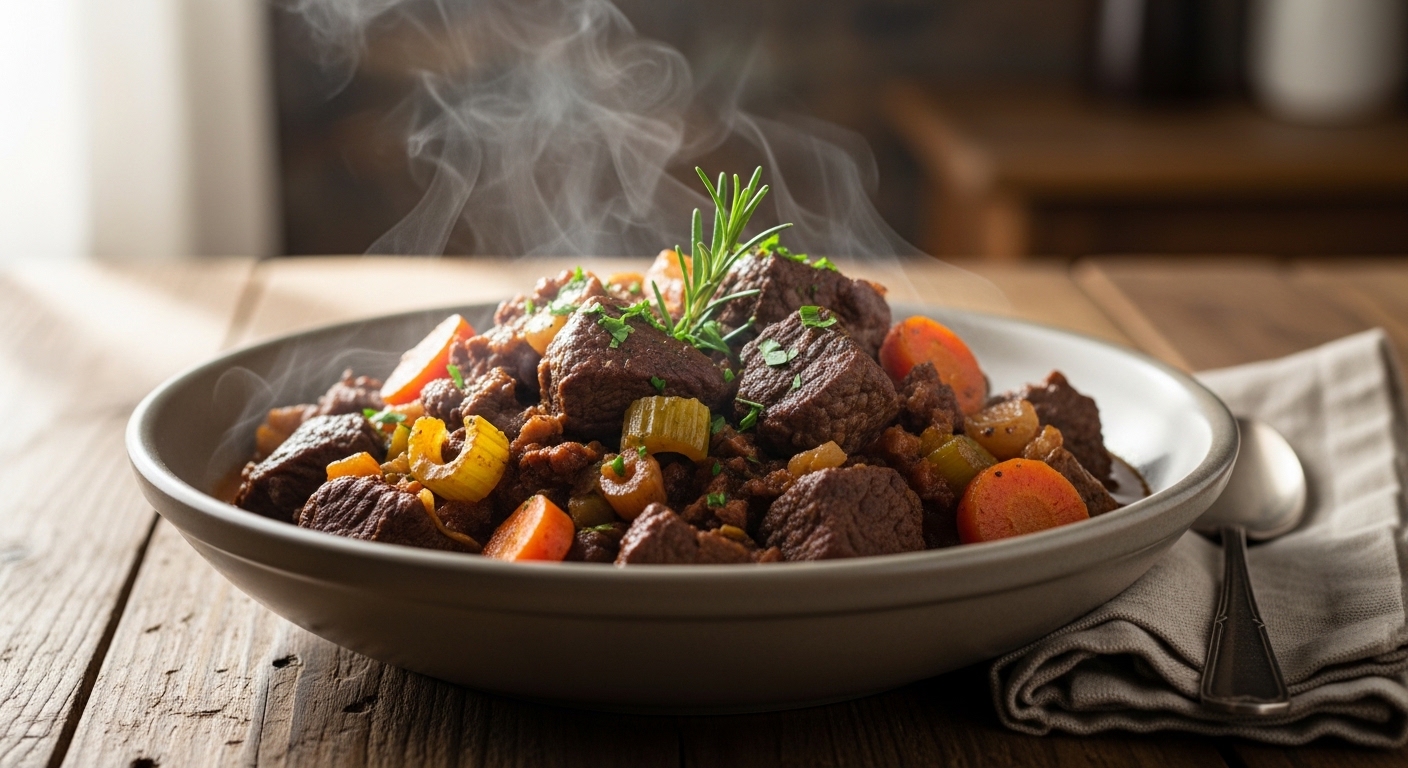
There’s something deeply satisfying about a bowl of rich, slow-cooked beef ragout—its deep umami flavor, tender meat, and aromatic vegetables simmering together like a warm embrace on a chilly evening. Originating from the Italian *ragù*, the rustic beef ragout has evolved into a beloved comfort dish across Europe and beyond, celebrated for its bold flavors and soul-warming appeal. Whether you’re looking for a cozy family dinner or an impressive centerpiece for guests, this recipe delivers both authenticity and ease.
Unlike lighter stews, a proper beef ragout builds complexity over hours of gentle braising, allowing the meat to become melt-in-your-mouth tender while absorbing layers of flavor from tomatoes, herbs, and wine. It’s not just food—it’s memory, heritage, and warmth all in one pot.
Quick Recipe Summary
- Prep Time: 30 minutes
- Cook Time: 3 hours
- Total Time: 3.5 hours
- Servings: 6–8
- Cuisine: European (Italian-inspired)
- Course: Main Dish
- Calories (approx.): 480 kcal per serving
Ingredients You’ll Need
To make a truly rustic beef ragout that sings with depth and richness, gather these carefully selected ingredients. Quality matters here—especially when it comes to the cut of beef and the type of tomato used.
Main Ingredients:
- 3 lbs (1.4 kg) chuck roast or brisket, cut into 2-inch cubes
- 2 tbsp olive oil
- 1 large onion, finely chopped
- 3 garlic cloves, minced
- 2 medium carrots, diced
- 2 celery stalks, diced
- 1 cup red wine (preferably a dry Pinot Noir or Cabernet Sauvignon)
- 2 cans (28 oz each) crushed tomatoes (San Marzano preferred)
- 2 cups beef stock (low-sodium)
- 1 tbsp tomato paste
- 2 bay leaves
- 1 tsp dried thyme
- 1 tsp dried rosemary
- Salt and freshly ground black pepper, to taste
- 2 tbsp tomato paste
- 1/2 cup pearl onions (optional, but recommended)
- Fresh parsley, chopped (for garnish)
Step-by-Step Cooking Instructions
Making a perfect rustic beef ragout is less about precision and more about patience. Follow these steps carefully, and you’ll end up with a dish that’s richer than any restaurant version.
1. Brown the Beef
Pat the beef cubes dry with paper towels—this ensures a proper sear. Heat half the olive oil in a heavy-bottomed Dutch oven or large pot over medium-high heat. Working in batches to avoid overcrowding, brown the beef on all sides until deeply caramelized. Remove and set aside.
2. Sauté Aromatics
In the same pot, add the remaining oil. Add the onions, garlic, carrots, and celery. Cook for 8–10 minutes until softened and golden. Stir occasionally to prevent burning.
3. Deglaze with Wine
Pour in the red wine, scraping up any browned bits from the bottom of the pan—this is where the magic happens. Let it reduce by half, about 5 minutes, until the alcohol smell dissipates.
4. Combine and Simmer
Return the beef to the pot. Add crushed tomatoes, beef stock, tomato paste, thyme, rosemary, salt, and pepper. Stir well, then add the bay leaves. Bring to a gentle boil, then reduce heat to low. Cover and let it simmer for 2.5 hours, stirring occasionally.
5. Add Pearl Onions (Optional)
After 2 hours, add the pearl onions if using. Continue cooking for another 30–45 minutes, or until the beef is fork-tender and the sauce has thickened to a velvety consistency.
6. Final Adjustments
Taste and adjust seasoning—more salt, pepper, or even a pinch of sugar if the acidity feels too sharp. Remove bay leaves before serving.
Chef Tips for Perfect Rustic Beef Ragout
- Use a Dutch Oven: Its thick base retains heat evenly and prevents scorching during long cooks.
- Don’t Skip the Sear: Browning the beef creates fond (the tasty brown crust), which adds incredible depth to the ragout.
- Low and Slow Is Key: Keep the heat low after adding liquid—any boiling will toughen the meat.
- Let It Rest: Allow the ragout to rest for 10–15 minutes before serving. This allows flavors to meld and makes portioning easier.
Common Mistakes to Avoid
- Overcrowding the Pot: Searing too much beef at once steams instead of browning, leading to bland flavor.
- Using High-Sodium Stock: It can throw off the balance of flavors. Stick to low-sodium versions so you control the salt.
- Rushing the Simmer: Cutting corners on time results in chewy meat and underdeveloped flavors.
- Skipping Acid Balance: A splash of vinegar or lemon juice at the end can brighten the dish and cut through the richness.
Ingredient Substitutions & Variations
Flexibility is part of the beauty of rustic cooking. Here are some smart swaps and regional twists:
- Vegetarian/Vegan Version: Replace beef with king oyster mushrooms or lentils. Use vegetable stock and add smoked paprika for depth.
- Indian-Inspired Twist: Add curry powder, ginger-garlic paste, and coconut milk for a South Asian fusion ragout served with jeera rice.
- Gluten-Free:** Naturally gluten-free if using certified GF stock and wine.
- Extra Umami:** Stir in 1–2 tsp of soy sauce or fish sauce near the end for an Asian flair.
- Herb Swap:** Try oregano and basil for a Mediterranean twist.
Serving Suggestions
The rustic beef ragout shines when paired thoughtfully. Serve it over creamy mashed potatoes, buttery polenta, or egg noodles to soak up every last drop of sauce. A side of crusty bread is essential for sopping up the juices.
Garnish with fresh parsley and a dollop of crème fraîche or sour cream for added richness. Pair with a glass of red wine—something earthy like Merlot or Malbec complements the dish beautifully.
Storage & Reheating Instructions
This ragout actually improves after a day or two as flavors deepen. Store in an airtight container in the refrigerator for up to 4 days or freeze for up to 3 months.
To reheat: Warm gently on the stove over low heat, adding a splash of water or stock if needed to loosen the sauce. Never microwave straight from frozen—thaw first in the fridge.
Nutrition Facts (Approximate Per Serving)
- Calories: 480
- Protein: 38g
- Fat: 24g
- Carbohydrates: 18g
- Fiber: 3g
- Sugar: 8g
- Sodium: 720mg
*Values may vary based on cuts of meat and specific brands used.*
Key Takeaways
- Rustic beef ragout is a slow-cooked, deeply flavored stew rooted in Italian tradition.
- Proper browning and long, gentle simmering are essential for tenderness and flavor.
- It freezes exceptionally well and tastes even better the next day.
- Customize with regional spices, herbs, or proteins to suit your palate.
FAQs About Rustic Beef Ragout
1. Can I make this ragout in a slow cooker?
Absolutely! After browning the beef and sautéing the vegetables, transfer everything to a slow cooker. Cook on low for 7–9 hours or high for 4–5 hours. Just be sure to deglaze properly before moving it.
2. Why is my ragout too thin?
Thin sauce usually means insufficient reduction. Simmer uncovered for longer to evaporate excess liquid. Alternatively, mash some cooked meat back into the sauce or stir in a cornstarch slurry (1 tbsp cornstarch + 2 tbsp water).
3. What’s the difference between ragout and stew?
A ragout typically has more liquid and a looser consistency than a traditional stew, though both involve slow-cooked meat and vegetables. The key is the depth of flavor achieved through extended cooking.
4. Can I use a different cut of beef?
Chuck roast and brisket work best due to their marbling and connective tissue, which break down into gelatin during long cooking. Avoid lean cuts like sirloin—they can become tough.
5. How do I fix an overly salty ragout?
Add a peeled potato cut into pieces and simmer for 30 minutes—it absorbs excess salt. Or stir in a bit of sugar, grated carrot, or passata to balance the flavor.
Conclusion: Bring Home the Comfort
There’s no denying the magic of a well-made rustic beef ragout. It’s the kind of meal that wraps you in warmth, satisfies hunger, and lingers in your heart long after the plate is clean. With simple ingredients and a little patience, you can create a dish that rivals anything you’ve had in a fine dining restaurant—without leaving your kitchen.
So roll up your sleeves, light the stove, and let that rich, aromatic steam fill your home. Your family will thank you. And who knows? This might just become your new go-to comfort classic.