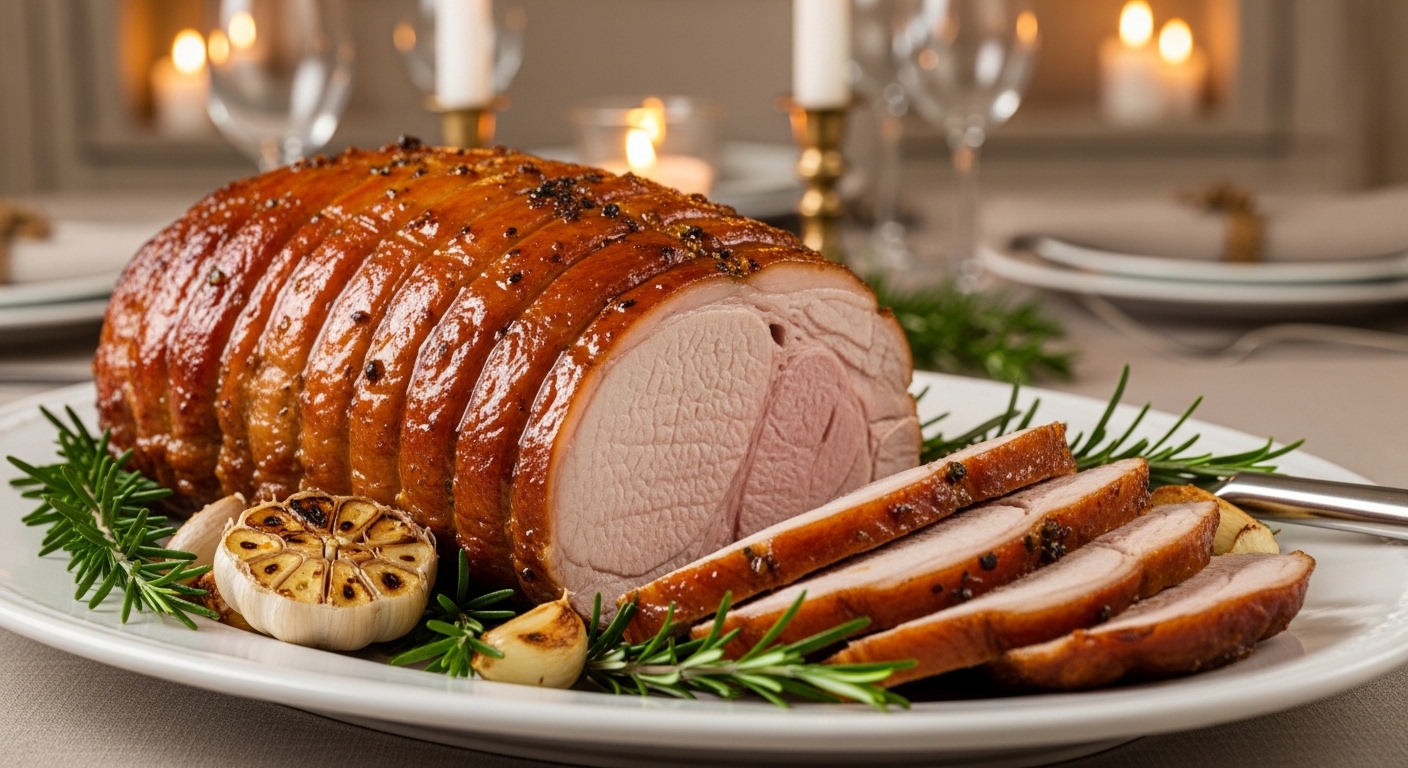
Roast Pork Loin: The Perfect Centerpiece for Your Next Dinner Party
Ever wondered how to create a restaurant-quality roast pork loin that’s tender, juicy, and bursting with flavor—without spending hours in the kitchen? Whether you’re hosting a family gathering or simply craving a gourmet meal at home, roast pork loin delivers unmatched elegance and taste. This classic dish, beloved across European and American cuisines, combines simple ingredients with expert technique to deliver a golden-brown crust and melt-in-your-mouth meat.
In this comprehensive guide, we’ll walk you through everything from selecting the right cut to seasoning secrets and serving ideas. You’ll learn why pork loin is gaining popularity as a leaner, more affordable alternative to other roasts, while still offering incredible flavor when cooked properly.
Quick Recipe Summary Table
| Prep Time | 20 minutes |
| Cook Time | 45–60 minutes |
| Total Time | 1 hour 5 minutes |
| Servings | 4–6 people |
| Cuisine | American / European |
| Course | Main Course |
| Calories (approx.) | 280 per serving |
Why Roast Pork Loin Is Worth Mastering
Pork loin is one of the most underrated cuts of meat. Unlike fattier cuts like ribs or shoulder, the loin is naturally lean, making it a healthier option without sacrificing tenderness. When roasted properly, it develops a crispy exterior while staying moist and flavorful inside. Plus, it’s incredibly versatile—perfect with apples, herbs, garlic, or even a sweet glaze.
Historically, pork loin has been a staple in European households, especially during festive meals. In the U.S., it’s often featured in holiday feasts and Sunday dinners. Its mild flavor makes it easy to pair with bold spices, fruits, or wine-based sauces.
Key Takeaways
- Roast pork loin is lean, tender, and perfect for weeknight dinners or special occasions.
- Use a meat thermometer to avoid overcooking—target internal temperature is 145°F (63°C).
- Resting the meat after cooking ensures maximum juiciness.
- Pair with roasted vegetables, apple sauce, or a red wine reduction.
Essential Ingredients for Perfect Roast Pork Loin
To achieve a flawless roast, quality ingredients matter. Here’s what you’ll need:
For the Pork Loin
- 1 (3–4 lb) bone-in pork loin roast – Look for a well-marbled cut with a firm texture.
- 2 tablespoons olive oil – For browning and richness.
- Kosher salt – About 1 tablespoon, adjusted to taste.
- Freshly ground black pepper – 1 teaspoon.
- 2 teaspoons garlic powder
- 1 teaspoon onion powder
- 1 teaspoon dried thyme
- 1 teaspoon smoked paprika (optional, for depth)
For the Aromatics (Optional but Recommended)
- 3 cloves garlic, smashed
- 1 lemon, halved
- 1 sprig fresh rosemary
- 1 sprig fresh thyme
For the Pan Drippings (Optional Glaze)
- ½ cup chicken broth
- 2 tablespoons honey or maple syrup
- 1 tablespoon Dijon mustard
Step-by-Step Instructions: How to Cook Roast Pork Loin
- Preheat your oven to 375°F (190°C). Line a baking sheet with foil and place a wire rack on top.
- Pat the pork loin dry with paper towels. This helps the seasoning stick and promotes browning.
- Season generously with salt, pepper, garlic powder, onion powder, thyme, and paprika. Rub the mixture all over the meat, including under the skin if present.
- Add aromatics: Insert garlic cloves into slits along the roast and tuck lemon halves and herb sprigs around it on the rack.
- Drizzle with olive oil and massage it into the meat.
- Roast uncovered for 45–60 minutes, depending on size. Baste halfway through with pan juices or a mix of olive oil and broth.
- Check internal temperature with a meat thermometer. Insert it into the thickest part, avoiding the bone. Remove when it reaches 145°F (63°C).
- Let rest for 10–15 minutes before slicing. This allows juices to redistribute.
- Optional glaze: While resting, skim fat from pan drippings. Add broth, honey, and Dijon to a saucepan. Simmer until reduced by half, then brush over the roast before serving.
Chef Tips for the Best Roast Pork Loin
- Room temperature matters: Take the pork out of the fridge 30–60 minutes before cooking so it heats evenly.
- Don’t skip resting: Rushing to slice means losing precious juices.
- Bake at 375°F for balanced browning and cooking—higher heat can burn the outside before the inside is done.
- Use a meat thermometer: It’s the only way to guarantee doneness without guesswork.
- Score the skin lightly if you want extra crispiness—but only if the roast has skin.
Common Mistakes to Avoid
- Overcooking: Pork loin dries out quickly above 150°F (65°C). Stick to the recommended temperature.
- Skipping salt early: Salt should be applied at least 30 minutes before cooking to draw out moisture and enhance flavor.
- Not drying the meat: Wet surfaces prevent proper searing.
- Using low heat: Too slow, leading to pale, soggy results.
- Slicing immediately: Always let it rest—this is non-negotiable for juicy meat.
Ingredient Substitutions & Variations
Want to customize your roast pork loin? Try these swaps:
- Herbs: Swap thyme for oregano, rosemary, or sage for different flavor profiles.
- Sweet elements: Use brown sugar instead of honey, or add dried cranberries in the pan.
- Spice blend: Replace paprika with cumin and coriander for a Middle Eastern twist.
- Liquid base: Use red wine instead of chicken broth for a richer, deeper flavor.
- Vegetable pairing: Roast carrots, parsnips, Brussels sprouts, or potatoes alongside the pork.
Variations to Try
- Honey Mustard Glazed Pork Loin: Combine Dijon, honey, mustard, and a splash of apple cider vinegar.
- Apple & Sage Roast Pork: Stuff the loin with apple slices and fresh sage before roasting.
- Asian-Inspired: Brush with soy-ginger glaze and serve with steamed bok choy.
Serving Suggestions
Roast pork loin shines when paired thoughtfully. Here are some crowd-pleasing ideas:
- Classic sides: Mashed potatoes, green beans almonds, or roasted root vegetables.
- Fruit compote: Warm apple or pear compote cuts through richness.
- Mustard sauce: A tangy Dijon cream sauce complements the meat beautifully.
- Wine pairing: Serve with a medium-bodied red like Pinot Noir or Chardonnay.
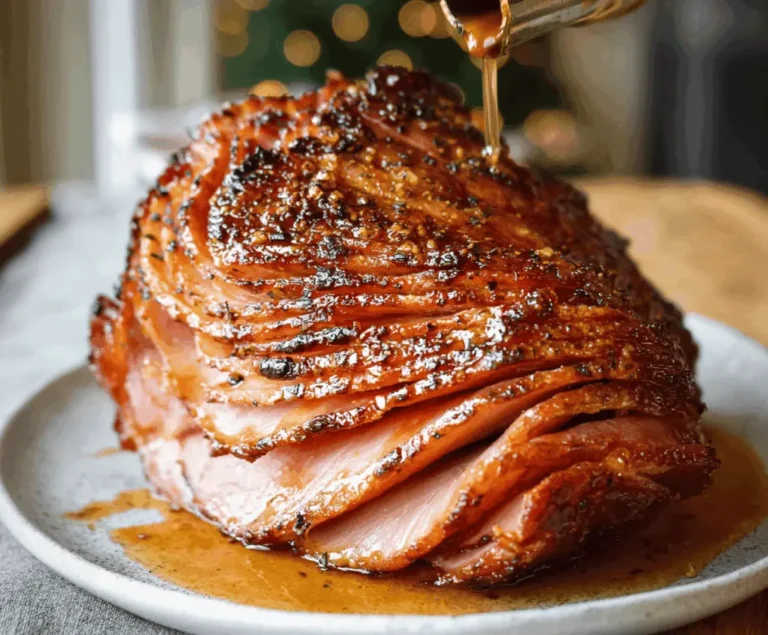
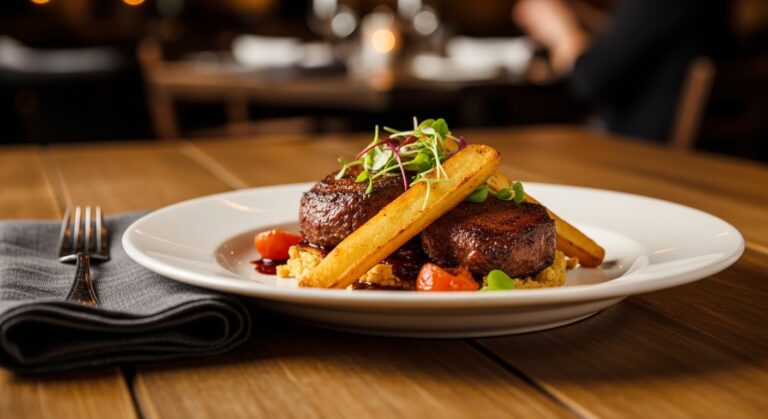
- Presentation tip: Slice thinly and arrange on a platter with fresh herb garnish.
Storage & Reheating Instructions
Leftovers make excellent next-day meals!
- Store: Refrigerate in an airtight container for up to 3 days.
- Freeze: Wrap slices tightly and freeze for up to 3 months. Thaw overnight in the fridge.
- Reheat: Warm gently in a skillet over low heat with a splash of broth or water. Avoid microwaving unless necessary—it can dry out the meat.
Nutrition Facts (Approximate Per Serving)
- Calories: 280
- Protein: 32g
- Fat: 14g
- Carbohydrates: 4g
- Fiber: 0g
- Sugar: 3g
- Cholesterol: 85mg
- Sodium: 520mg
FAQs About Roast Pork Loin
1. Can I roast pork loin without a bone?
Absolutely! Boneless pork loin is easier to carve and cooks slightly faster. Just adjust cooking time—reduce by about 10–15 minutes.
2. Why is my roast pork loin dry?
Most likely, it was overcooked. Always use a thermometer and remove at 145°F. Also, not letting it rest contributes to juice loss.
3. How do I keep the roast moist?
Baste during roasting, use aromatics inside the roast, and never skip resting. Olive oil and herbs also help lock in moisture.
4. Can I brine pork loin?
Yes! A 4–12 hour brine with salt, sugar, and aromatics enhances tenderness and flavor. Rinse and pat dry before seasoning.
5. What’s the difference between pork loin and pork tenderloin?
Tenderloin is smaller, more tender, and cooks faster. Loin is thicker, fattier, and better for roasting. They’re both delicious but used differently.
Conclusion: Elevate Every Meal with Roast Pork Loin
Mastering roast pork loin isn’t just about following a recipe—it’s about understanding the balance of heat, timing, and flavor. With the right technique, even beginner cooks can impress their guests with a dish that looks and tastes like it came from a high-end steakhouse.
Whether you’re cooking for two or feeding a crowd, this recipe is reliable, adaptable, and endlessly satisfying. So preheat that oven, grab your knife, and get ready to enjoy one of the most elegant yet approachable centerpieces in your culinary repertoire.
Ready to try it tonight? Grab your ingredients and start roasting—your taste buds will thank you!