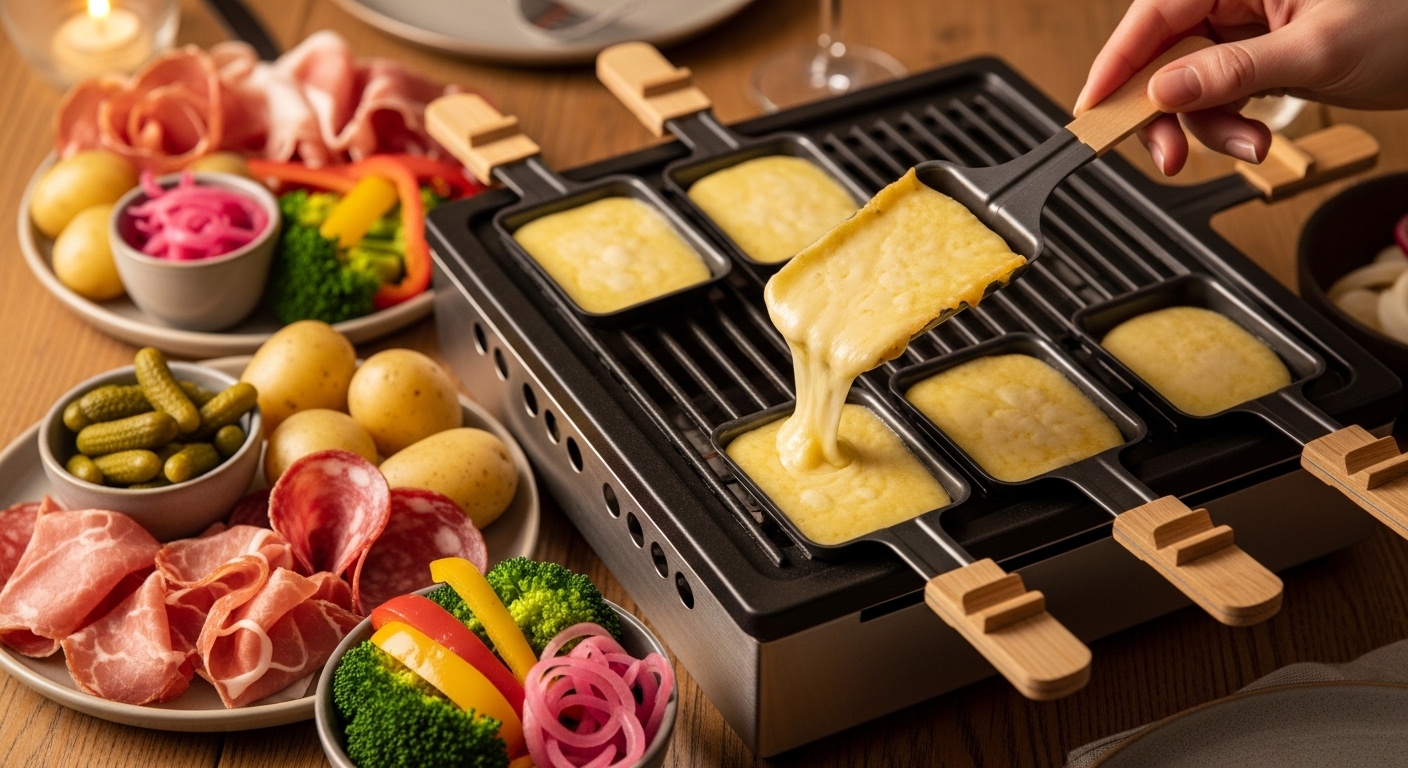
Raclette Dinner: The Ultimate Comfort Food Experience
Imagine a warm, bubbling mountain of melted cheese, perfectly roasted potatoes, and crispy cured meats all coming together in one unforgettable meal. That’s raclette dinner—a decadent yet simple dish that has captivated hearts across Switzerland, France, and beyond. With its rich, creamy flavor and effortless communal appeal, raclette is more than just a meal; it’s an experience. Whether you’re hosting friends or treating yourself to a cozy night in, this classic Alpine favorite delivers unmatched comfort with minimal effort.
Originating from the Valais region of Switzerland, raclette has evolved from a humble farmer’s lunch into a global sensation. Traditionally, diners scrape melted Raclette cheese over boiled potatoes, charred onions, pickles, and ham—often enjoyed around a rotating stove at home or in rustic mountain chalets. Today, modern kitchens make it accessible year-round, bringing the essence of alpine hospitality right to your table.
Why Raclette Dinner Stands Out
What makes raclette so irresistible? It lies in its balance of textures and flavors—creamy, gooey cheese paired with savory, smoky accents and tangy accompaniments. Unlike heavy casseroles or complicated gourmet dishes, raclette requires minimal prep and maximum joy. The act of melting, scraping, and serving fosters connection, making it ideal for gatherings or intimate evenings alike.
Moreover, raclette is incredibly customizable. You can tailor every component to suit dietary preferences or seasonal ingredients, ensuring each bite feels fresh and personal. From plant-based cheeses for vegans to gluten-free bakes, the possibilities are endless.
Quick Recipe Summary Table
| Prep Time | 20 minutes |
| Cook Time | 30–40 minutes |
| Total Time | 50–60 minutes |
| Servings | 4 people |
| Cuisine | Swiss-French Alpine |
| Course | Main Dish / Dinner |
| Calories (approx.) | 750 per serving |
Ingredients You’ll Need for Perfect Raclette Dinner
Gather these high-quality ingredients for an authentic and delicious result:
- 1 whole Raclette cheese wheel (about 1.5 kg or 3 lbs) – traditionally made from cow’s milk, but artisanal versions exist
- 8 medium Yukon Gold potatoes, scrubbed but unpeeled
- 8 slices smoked prosciutto or speck (Italian smoked ham)
- 1 large red onion, thinly sliced
- 1 cup cornichons (small pickled gherkins)
- 1 cup cherry tomatoes, halved
- 1/4 cup dijon mustard
- Fresh parsley or chives, chopped for garnish
- Salt and freshly ground black pepper, to taste
- Optional: boiled eggs, cured sausage, or roasted mushrooms
Step-by-Step Instructions for Your Raclette Dinner
Follow these easy steps to create restaurant-worthy raclette at home:
- Boil the Potatoes: Place potatoes in a pot of salted water. Bring to a boil and cook for 20–25 minutes, until tender when pierced with a fork. Drain and let them steam dry for 5 minutes.
- Prepare the Toppings: While potatoes cook, slice the red onion thinly and soak in cold water for 10 minutes to mellow its sharpness. Drain before use. Arrange prosciutto, cornichons, tomatoes, and other optional sides on platters.
- Set Up Your Raclette Station: If using a traditional raclette grill or electric raclette machine, plug it in and set to low heat. Alternatively, preheat your oven broiler. Place the uncut raclette cheese wheel on a baking sheet if roasting.
- Heat the Cheese: If using a raclette machine, place the cheese wheel directly on the hot plate and turn it slowly until it melts completely—about 15–20 minutes. Stir occasionally for even melting. For oven method, cut cheese into wedges, sprinkle with a pinch of salt, and broil for 3–5 minutes until bubbly and golden.
- Assemble the Meal: Cut boiled potatoes into wedges. Spread a thin layer of Dijon mustard on each serving plate. Add potato wedges, then top with melted raclette, prosciutto, onions, cornichons, and tomatoes. Finish with a sprinkle of herbs.
- Serve Immediately: Encourage everyone to scrape melted cheese over their plates themselves for maximum freshness and fun.
Chef Tips for Best Results
To elevate your raclette dinner like a pro:
- Use room-temperature cheese: Let the raclette wheel sit out for 30 minutes before melting—it heats more evenly.
- Rotate the cheese constantly: Especially with electric raclette machines, gentle stirring ensures smooth, lump-free consistency.
- Keep toppings ready: Prepping components ahead keeps the experience fluid and enjoyable.
- Warm plates beforehand: This prevents the cheese from cooling too quickly.
- Pair with crisp white wine: A Chardonnay or light Riesling complements the richness beautifully.
Common Mistakes to Avoid
Even seasoned hosts stumble—here’s how to dodge pitfalls:
- Overcooking potatoes: They should be soft but not mushy. Test with a fork near the end.
- Using low-quality cheese: Authentic raclette has a distinct nutty, earthy flavor. Generic processed cheese won’t deliver the same depth.
- Skipping the mustard: A touch of Dijon adds brightness and helps bind the melted cheese.
- Not having enough seating: Raclette is meant to be shared. Ensure guests have space to gather around the table.
Ingredient Substitutions & Variations
Make raclette your own with these creative twists:
Vegan Raclette Dinner
Replace raclette cheese with a high-quality vegan alternative like Violife Smoked Raclette Style or Kite Hill Artisan Almond Milk Raclette. These melt well and offer a similar creamy texture.
Indian-Inspired Raclette
Add tandoori-spiced chicken, paneer cubes, pickled mango, raita, and crushed papadums. Swap Dijon for tamarind chutney for a bold fusion twist.
Healthier Light Version
Use sweet potatoes instead of Yukon Golds, reduce cheese by half, and load up on leafy greens, avocado slices, and grilled veggies. Opt for turkey bacon or omit meat entirely.
Vegetarian Option
Skip the prosciutto and add marinated artichokes, grilled zucchini, sun-dried tomatoes, and olives. Serve with a dollop of crème fraîche.
Beginner-Friendly Simplification
Pre-sliced raclette cheese, jarred roasted potatoes, and deli ham streamline the process without sacrificing taste.
Serving Suggestions That Impress
Elevate presentation with these ideas:
- Serve in cast-iron skillets or wooden boards for rustic charm.
- Offer small bowls of condiments: extra mustard, grainy mustard, or spicy mayo.
- Include crusty baguette slices or sourdough toast on the side.
- Garnish with microgreens or edible flowers for visual flair.
- Pair with a charcuterie board featuring aged meats, cheeses, and nuts as a starter.
Storage & Reheating Instructions
Raclette is best enjoyed fresh, but leftovers can be repurposed:
- Store: Place cooled leftover cheese and toppings in an airtight container. Refrigerate for up to 2 days.
- Reheat: Warm individual portions in a 350°F (175°C) oven for 10–12 minutes. Add a splash of cream or broth to revive moisture.
- Avoid microwaving: It causes uneven heating and ruins texture.
Note: Melted raclette doesn’t freeze well due to dairy separation—best used within a day or two.
Nutrition Facts (Approximate Per Serving)
Each serving of raclette dinner contains roughly:
- Calories: 750 kcal
- Fat: 52g (including saturated fat)
- Protein: 38g
- Carbohydrates: 45g (of which sugars = 6g)
- Fiber: 5g
- Sodium: 900mg
This hearty meal is rich in calcium and protein from the cheese, but moderation is key due to its high fat content.
Frequently Asked Questions About Raclette Dinner
1. Can I make raclette without a special appliance?
Absolutely! Use a broiler or double boiler setup. Cut the cheese into chunks, place on a baking sheet, and broil until melted and bubbly—just watch closely to prevent burning.
2. How do I choose the right raclette cheese?
Look for a wheel labeled “Raclette” from Switzerland or France—preferably unpasteurized for richer flavor. Avoid pre-shredded varieties as they contain anti-caking agents that hinder melting.
3. Is raclette suitable for lactose-intolerant individuals?
Raclette cheese is aged, which significantly reduces lactose content. Many people with mild lactose intolerance tolerate it well, but those with sensitivities should consult their doctor.
4. What’s the difference between raclette and fondue?
Both use melted cheese, but raclette involves scraping melted cheese over prepared sides (like potatoes), while fondue is typically dipped into—using smaller cubes and communal pots.
5. Can kids enjoy raclette dinner?
Yes! Just adjust seasoning and avoid overly salty or spicy elements. Offer mild options like plain potatoes, steamed carrots, and mild cheeses.
Key Takeaways
– Raclette dinner is a joyful, interactive dish rooted in Alpine tradition.
– It combines melted Raclette cheese with boiled potatoes, cured meats, pickles, and more.
– Minimal prep time makes it perfect for entertaining or cozy family nights.
– Customization allows for vegetarian, vegan, or health-conscious adaptations.
– Proper technique ensures smooth, creamy cheese every time.
Conclusion: Bring the Mountain Home
There’s something magical about gathering around a sizzling pan of melting cheese, laughing as you scrape gooey goodness onto your plate. Raclette dinner isn’t just food—it’s warmth, community, and simple pleasure distilled into one unforgettable meal. Whether you’re a seasoned chef or cooking for the first time, this recipe invites you to slow down, savor the moment, and indulge in a culinary tradition that brings people together.
So fire up your raclette grill, boil those potatoes, and invite someone you love. One bite will tell you why raclette remains a timeless favorite—decadent, delightful, and deeply satisfying. Now it’s your turn to create magic at the dinner table.