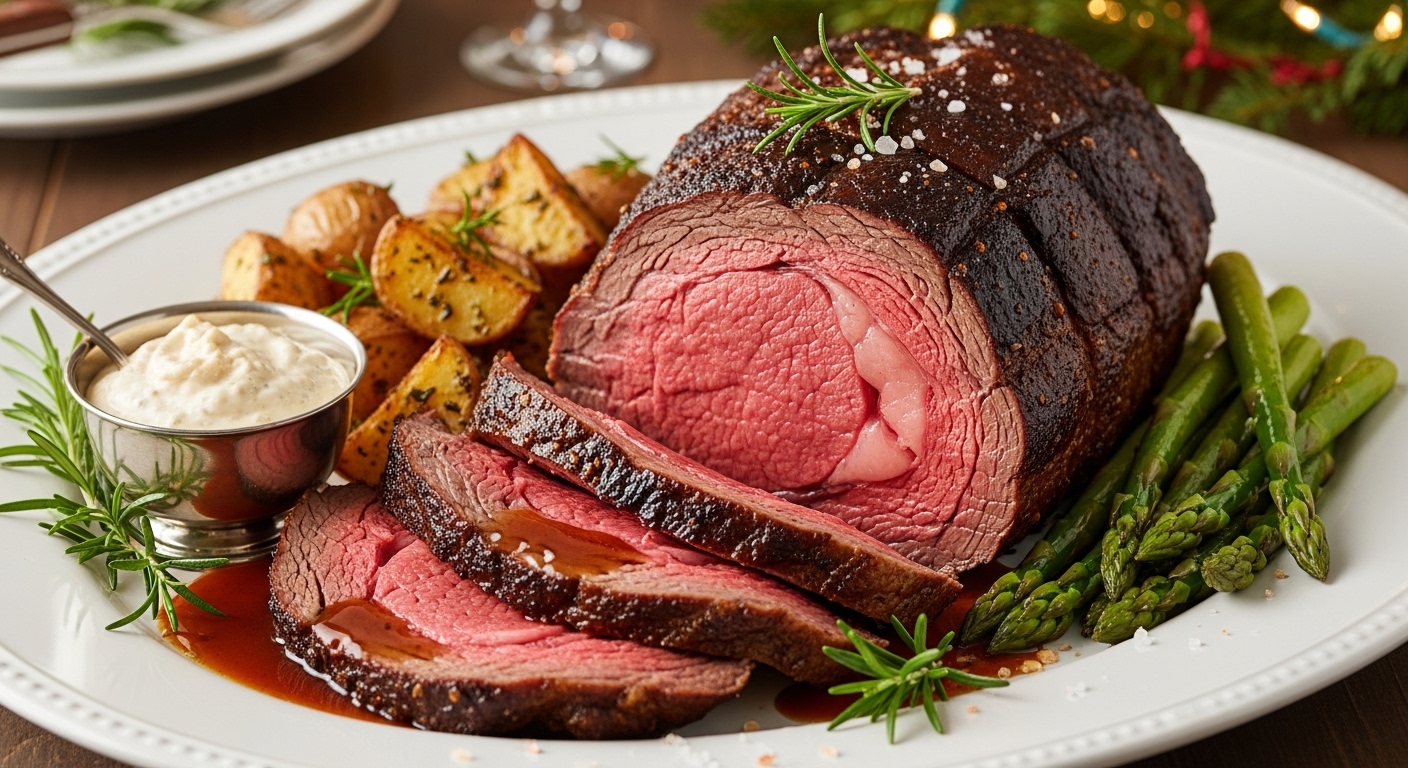
Imagine sinking your fork into a perfectly roasted slice of tender, juicy prime rib—crispy on the edges, blushing pink in the center, and bursting with rich, savory flavor. That’s not just dinner; that’s an experience. The **prime rib plate** is more than a meal—it’s a celebration on a platter. Originating from British aristocracy and elevated by American butchers, this dish has become a centerpiece at holiday dinners, romantic date nights, and Sunday family gatherings alike. Whether you’re hosting guests or treating yourself to something special, mastering the art of the prime rib plate guarantees admiration, applause, and requests for seconds.
In this comprehensive guide, we’ll walk you through every detail—from selecting the right cut to serving it like a five-star chef—so you can create restaurant-quality prime rib plates right in your own kitchen.
What Is a Prime Rib Plate?
A **prime rib plate** refers to a beautifully plated serving of prime rib roast—typically sliced thick and served with classic accompaniments such as au jus (gravy), Yorkshire pudding, roasted vegetables, mashed potatoes, or horseradish cream sauce. While “prime rib” comes from the rib section of beef, the term “plate” emphasizes presentation: how the food is arranged on a dish to maximize visual appeal and flavor harmony.
This isn’t just about meat—it’s about balance. The richness of the beef is counterpointed by fresh, acidic sides and creamy sauces, creating a symphony of textures and tastes.
Why People Love Prime Rib Plates
- Unmatched Flavor: Slow-roasted and seared for crust development, prime rib develops deep umami notes.
- Impressive Presentation: Sliced evenly and garnished elegantly, it looks as good as it tastes.
- Versatility: Can be dressed up for holidays or kept simple for weeknight elegance.
- Feeds Many: One large roast serves 6–12 people, making it ideal for gatherings.
Quick Recipe Summary
| Metric | Details |
|---|---|
| Prep Time | 45 minutes |
| Cook Time | 2.5 to 4 hours (depending on size) |
| Total Time | Approx. 3.5 hours |
| Servings | 8–10 people |
| Cuisine | American / Classic Comfort Food |
| Course | Dinner, Main Course |
| Calories (approx.) | 580 per serving (with sides) |
Essential Ingredients for Your Prime Rib Plate
You don’t need fancy tools—just quality ingredients and confidence. Here’s what makes a showstopping prime rib plate:
For the Roast:
- 4–5 lb bone-in prime rib roast (ribeye or rib roast)
- Kosher salt – 1 tablespoon per pound
- Freshly ground black pepper – ½ teaspoon per pound
- 2 teaspoons garlic powder
- 2 teaspoons onion powder
- 2 tablespoons olive oil or beef drippings
- 2 sprigs fresh rosemary
- 4 cloves garlic, smashed
For the Au Jus:
- 3 cups beef stock
- ¼ cup red wine (optional)
- 2 tablespoons cornstarch mixed with 3 tbsp cold water
- Salt and pepper to taste
Optional Side Suggestions:
- Roasted Brussels sprouts with balsamic glaze
- Mashed potatoes with chives
- Yorkshire pudding (traditional pairing)
- Horseradish cream sauce
Step-by-Step Instructions: How to Cook Prime Rib Like a Pro
Step 1: Bring the Meat to Room Temperature
Remove the prime rib from the fridge 2–3 hours before cooking. This ensures even cooking and prevents a cold center. Pat dry with paper towels—this helps the seasoning stick and promotes better browning.
Step 2: Preheat & Prepare the Oven
Set your oven to 275°F (135°C). Place a rack in the lower third of the oven. If your roast doesn’t have a netting cover, tie loose flaps with butcher’s twine.
Step 3: Season Generously
Mix salt, pepper, garlic powder, and onion powder in a bowl. Rub the entire surface of the roast with olive oil, then coat thoroughly with the spice mix. Stuff the cavity (if bone-side up) with rosemary sprigs and smashed garlic. Let it rest at room temp for another 30 minutes while the oven heats.
Step 4: Low-and-Slow Roasting
Place the roast fat-side up on a rack in a roasting pan. Insert an instant-read thermometer into the thickest part, avoiding the bone. Roast until internal temperature reaches 120°F (rare), 130°F (medium-rare), or 135°F (medium). For a 4.5 lb roast, expect ~2.5 hours. Total time depends on weight—use a meat thermometer!
Step 5: Rest the Meat
This step is non-negotiable! Tent loosely with foil and let rest for 30–45 minutes. During resting, the juices redistribute, ensuring every slice stays moist and flavorful.
Step 6: Make the Au Jus
Pour off excess fat from the roasting pan (keep about 2 tbsp). Add beef stock and red wine (if using), scraping up browned bits. Simmer over stovetop, then stir in cornstarch slurry until thickened. Strain if desired for clarity.
Step 7: Slice & Plate
Using a sharp carving knife, slice against the grain into ½-inch-thick pieces. Arrange elegantly on warmed platters, alternating cuts for visual flair. Drizzle with au jus and serve immediately with sides.
Chef Tips for the Perfect Prime Rib Plate
- Buy the Best Cut: Look for “ribeye roast” or “bone-in prime rib”—fat content enhances flavor and moisture.
- Don’t Overcook: Aim for 125–130°F internal temp. Use a probe thermometer for accuracy.
- Resting Is Key: Skipping this leads to dry meat. Plan ahead!
- Browned Bits = Flavor: Those caramelized residues in the pan are liquid gold—don’t wash them away.
- Garnish Smartly: A sprig of rosemary or a dollop of horseradish cream elevates the plate instantly.
Common Mistakes to Avoid
- Cooking Too Fast: High heat causes shrinkage and dryness. Stick to low-and-slow.
- Not Seasoning Early: Salt should be applied at least an hour before cooking for flavor penetration.
- Cutting Immediately After Cooking: Resist the urge to slice! Wait until fully rested.
- Ignoring Leftovers: Prime rib reheats beautifully—turn leftovers into sandwiches or hash.
Ingredient Substitutions & Variations
Vegetarian/Vegan Version:
Replace beef with a seitan-based roast marinated in soy-ginger sauce or lentil-walnut loaf. Serve with mushroom gravy and roasted root vegetables.
Healthier Option:
Choose grass-fed prime rib, trim visible fat, and serve with extra veggies and cauliflower mash instead of regular potatoes. Reduce added salt in the rub and use low-sodium stock.
Indian-Inspired Twist:
Marinate the roast overnight in yogurt, turmeric, garam masala, ginger, and garlic. Slow-cook in a Dutch oven with onions and tomatoes. Serve with basmati rice and cucumber raita.
Beginner-Friendly Hack:
Use a slow cooker: sear the roast first, then add broth, herbs, and garlic. Cook on low for 8 hours. Finish under the broiler for 5 minutes to crisp the top.
Serving Suggestions
The beauty of a prime rib plate lies in its flexibility. Pair it with:
- Classic Sides: Creamy mashed potatoes, garlic butter carrots, Yorkshire puddings
- Modern Twists: Truffle mac and cheese, roasted asparagus with lemon zest, potato gratin
- Sauces: Horseradish cream, chimichurri, or a simple red wine reduction
- Bread: Warm crusty rolls or sourdough for soaking up au jus
Storage & Reheating Instructions
Storing Leftovers:
- Wrap slices tightly in plastic wrap and store in the fridge for up to 4 days.
- Alternatively, place in an airtight container with a splash of stock to prevent drying.
Reheating Safely:
- Oven Method: Wrap slices in foil. Heat at 300°F (150°C) for 15–20 minutes, checking halfway.
- Stovetop: Place in a skillet with a bit of stock over medium-low heat, covered, for 5–7 minutes.
- Avoid microwaving—it can make meat rubbery.
Nutrition Facts (Approximate Per Serving – with sides)
| Nutrient | Amount |
|---|---|
| Calories | 580 kcal |
| Protein | 42 g |
| Fat | 38 g |
| Carbohydrates | 22 g |
| Saturated Fat | 16 g |
| Cholesterol | 120 mg |
| Sodium | 890 mg |
| Fiber | 3 g |
| Sugar | 4 g |
Key Takeaways
- The **prime rib plate** is a luxurious yet achievable centerpiece for any occasion.
- Slow-roasting at low temperatures yields the most tender, flavorful results.
- Proper resting ensures juiciness—never skip this critical step.
- Pair with classic sides or get creative with global flavors.
- Leftovers transform into next-day delights when stored and reheated correctly.
FAQs About Prime Rib Plates
1. How do I know when my prime rib is done?
Use a meat thermometer. For rare, aim for 120–125°F; medium-rare is 130–135°F. Internal temp rises 5–10°F during resting, so remove from oven when it’s 5°F below your target.
2. Can I freeze prime rib?
Yes! Cool completely, wrap tightly in plastic and foil, then freeze for up to 3 months. Thaw in the fridge overnight before reheating.
3. What’s the difference between prime rib and ribeye?
They come from the same cut—prime rib is just a marketing term used in restaurants. Bone-in or boneless, it’s essentially premium ribeye roast.
4. Why is my prime rib tough?
Likely due to overcooking or cutting against the grain incorrectly. Always slice perpendicular to the muscle fibers and rest the meat before carving.
5. Do I need a meat thermometer?
Absolutely. Visual cues aren’t reliable for thick roasts. A thermometer ensures precision and prevents disappointment.
Conclusion: Create Your Own Prime Rib Masterpiece
Cooking a perfect **prime rib plate** isn’t reserved for chefs—it’s a skill anyone can master with patience, quality ingredients, and attention to detail. Whether you’re preparing for a festive holiday or simply craving indulgence, this recipe delivers unmatched satisfaction. The key? Respect the process: season early, roast slowly, rest generously, and serve with pride.
So preheat that oven, gather your best cutting board, and invite someone special over. With this guide, your prime rib plate won’t just feed—it will inspire. Now go ahead… carve out some joy.
Leave a Reply