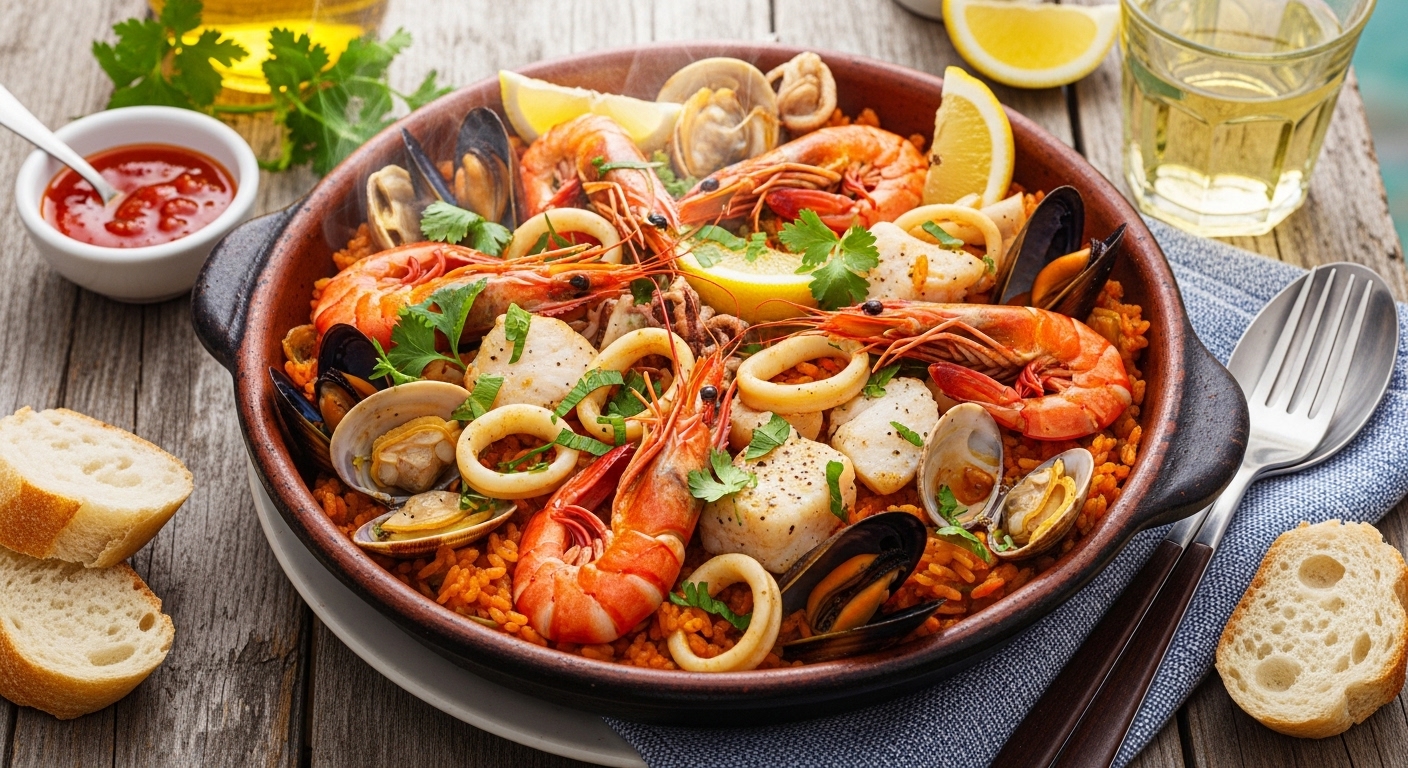
Looking for a dish that captures the soul of Portugal’s coastal cuisine in every bite? Portuguese seafood rice isn’t just a meal—it’s an experience. This vibrant, aromatic one-pot wonder combines plump shrimp, tender mussels, succulent clams, and flaky white fish simmered in a fragrant saffron-infused broth with golden rice. Bursting with the essence of the sea and the warmth of traditional Portuguese cooking, it’s no surprise this iconic dish is beloved across Europe and beyond. Whether you’re hosting a dinner party or craving comfort food with global flair, Portuguese seafood rice delivers rich flavors, effortless preparation, and undeniable charm.
Why Portuguese Seafood Rice Stands Out
Originating from Portugal’s bustling port cities like Lisbon and Porto, seafood rice—known locally as arroz de marisco—has long been a celebration of the Atlantic bounty. Unlike paella, which hails from Spain, Portuguese seafood rice features a lighter broth and more varied shellfish, resulting in a delicate balance between savory depth and freshness. The use of saffron gives it its signature golden hue and subtle earthy aroma, while garlic, paprika, and fresh herbs create layers of flavor that dance on your palate.
What makes this dish truly special is how everything comes together in one pan: rice soaks up the briny, aromatic liquid, absorbing the essence of each ingredient without becoming mushy. It’s hearty enough to satisfy, yet light enough to enjoy on warm summer evenings or festive gatherings alike.
Key Takeaways
- Authentic Portuguese seafood rice uses fresh shellfish, saffron, and white wine for depth.
- Simmered slowly, the rice absorbs all the ocean-infused flavors.
- Serve with crusty bread to soak up every last drop of the flavorful broth.
- Perfect for impressing guests or treating yourself to gourmet comfort food.
Quick Recipe Summary
| Metric | Details |
|---|---|
| Prep Time | 20 minutes |
| Cook Time | 45 minutes |
| Total Time | 1 hour 5 minutes |
| Servings | 4 |
| Cuisine | Portuguese |
| Course | Main Dish |
| Calories (approx.) | 480 per serving |
Ingredients You’ll Need
Gather these fresh, quality ingredients to bring authentic Portuguese seafood rice to life:
Main Ingredients
- 2 cups (400g) short-grain rice (such as Bomba or Calasparra)
- 6 cups (1.5L) fish stock, warm
- 1 tsp high-quality saffron threads, soaked in 2 tbsp hot water
- 1 lb (450g) mixed seafood (shrimp, mussels, clams, squid, white fish fillets)
- 1 large onion, finely diced
- 4 cloves garlic, minced
- 1 red bell pepper, chopped
- 1/2 cup dry white wine (optional but recommended)
- 2 tbsp olive oil
- 1 tsp smoked paprika (pimentão doce)
- 1 bay leaf
- Salt and black pepper to taste
- Fresh parsley, chopped (for garnish)
- Lemon wedges (for serving)
Optional Add-ons for Extra Flavor
- 1 chorizo sausage, sliced (for a richer version)
- Handful of frozen peas or green beans
- Slivered almonds or toasted pine nuts
Step-by-Step Cooking Instructions
Step 1: Prepare the Base
Heat olive oil in a large, deep skillet or Dutch oven over medium heat. Add onions, bell pepper, and a pinch of salt. Sauté until softened and translucent—about 5–7 minutes. Stir in garlic and smoked paprika, cooking for another minute until fragrant. Be careful not to burn the paprika, as it can turn bitter.
Step 2: Deglaze and Build the Broth
Pour in the white wine, allowing it to reduce by half—this adds acidity and depth. Add the warm fish stock and saffron (with its soaking liquid), along with the bay leaf. Bring to a gentle simmer.
Step 3: Add the Rice
Stir in the rinsed rice. Let it cook for about 5 minutes, stirring occasionally, until the grains are coated and slightly translucent. This helps prevent sticking and ensures even cooking.
Step 4: Introduce the Seafood
Arrange the seafood on top of the rice—place larger pieces like fish fillets and squid underneath, and shellfish on top. Cover the pot tightly with a lid or foil to trap steam and keep the seafood moist.
Step 5: Simmer Until Done
Reduce heat to low and simmer gently for 15–20 minutes, or until the rice is tender and has absorbed most of the liquid. Check after 15 minutes—if the rice is done but seafood isn’t fully cooked, remove the lid and cook uncovered for another 3–5 minutes. If needed, add a splash of warm water.
Step 6: Rest and Garnish
Turn off the heat and let the seafood rice rest, covered, for 5 minutes. This allows residual heat to finish cooking the seafood softly. Discard the bay leaf. Garnish with fresh parsley and serve immediately with lemon wedges on the side.
Chef Tips for Perfect Results
- Use Fresh, Clean Shellfish: Always check mussels and clams—discard any open ones that don’t close when tapped. Rinse well under cold water before cooking.
- Don’t Overcook the Rice: Short-grain rice absorbs liquid quickly. Keep an eye on the pot and avoid stirring too much once the rice is added.
- Layer the Seafood Properly: Place denser fish and squid at the bottom where it’s hotter; shellfish cooks faster and should be on top.
- Warm Your Stock: Cold stock can lower the cooking temperature and extend time. Warm it gently before adding.
- Rescue a Sticky Situation: If the rice starts to stick, add a bit of warm water or stock, then cover tightly to steam through.
Common Mistakes to Avoid
- Skipping the Saffron Soak: Saffron needs time to bloom. Soaking it releases its color and aroma. Don’t skip this step!
- Using Long-Grain Rice: It won’t absorb the broth properly and may end up gummy or dry. Stick to short-grain.
- Overloading the Pan: Too much seafood or rice leads to uneven cooking. Stick to the recommended amounts.
- Peeling Shrimp Too Early: Leave tails on if desired, and peel only after cooking to preserve texture.
- Not Resting the Dish: Skipping the 5-minute rest means seafood might be rubbery and rice less cohesive.
Ingredient Substitutions & Variations
Seafood Alternatives
- No mussels? Swap for extra shrimp or scallops.
- Can’t find squid? Use octopus (pre-cooked) or omit entirely.
- Vegan version? Replace seafood with king oyster mushrooms, hearts of palm, and vegetable broth. Skip saffron or use turmeric for color.
Cultural Twists
- Indian-Inspired Version: Add coconut milk, curry leaves, and garam masala. Serve with naan.
- Healthier Light Version: Reduce oil, use brown rice, and increase veggies like zucchini and tomatoes.
- Spicy Iberian Style: Add diced chorizo and a pinch of cayenne for smoky heat.
Serving Suggestions
Portuguese seafood rice is best enjoyed straight from the pan, served family-style. Pair it with:
- A crisp glass of Alentejo white wine (like Vinho Verde)
- Crusty baguette or Portuguese azeitonas (olives) on the side
- A simple green salad dressed with olive oil and lemon
- Sparkling water with lime for a refreshing contrast
The key is letting guests dig in while the dish is still warm—so they can savor every flavorful bite and soak up the rich, aromatic broth.
Storage and Reheating Instructions
Refrigeration
Store leftovers in an airtight container in the fridge for up to 3 days. The rice may firm up slightly, which is normal.
Reheating
To reheat, place portions in a saucepan with a splash of water or broth. Cover and warm over low heat, stirring gently, until heated through. Avoid microwaving—it can make the rice soggy.
Freezing (Optional)
This dish freezes well! Cool completely, then pack into freezer-safe containers. Label with date and reheat directly from frozen, adding liquid as needed. Best consumed within 1 month.
Nutrition Facts (Approximate Per Serving)
- Calories: 480 kcal
- Protein: 28g
- Carbohydrates: 62g
- Fat: 12g
- Fiber: 2g
- Sodium: 680mg (adjust based on broth)
- Sugar: 3g
*Values vary depending on seafood choices and added fats. Opt for low-sodium broth to reduce sodium intake.
FAQs About Portuguese Seafood Rice
1. Can I make Portuguese seafood rice without saffron?
Yes, but saffron is essential for authenticity. If unavailable, substitute with a pinch of turmeric for color and a mild earthiness. Note that flavor will differ slightly.
2. How do I know when the rice is ready?
The rice should be tender with a slight bite (al dente), and most of the liquid absorbed. Taste a grain—it shouldn’t be crunchy. If not done, cover and cook 2–3 more minutes.
3. Can I use chicken or vegetable broth instead of fish stock?
Fish stock is preferred for its umami depth, but vegetable broth works in a pinch. Just ensure it’s flavorful—add a dash of soy sauce or anchovy paste for extra savoriness.
4. Why did my mussels not open?
Only discard unopened mussels after cooking—they’re likely dead and unsafe to eat. Fresh, live mussels should open during cooking due to steam and heat.
5. Is Portuguese seafood rice gluten-free?
Yes, as long as you use gluten-free broth and avoid chorizo (which often contains gluten), this dish is naturally gluten-free.
Conclusion: Dive Into Authentic Portuguese Flavors
Portuguese seafood rice isn’t just a recipe—it’s a taste of the sea brought to your kitchen. With its vibrant colors, complex aromas, and satisfying texture, it’s a dish that invites connection, conversation, and comfort. Whether you’re drawn to its rich history, its simplicity, or its bold flavors, making this one-pot masterpiece is easier than you think.
So gather your favorite shellfish, light the stove, and let the magic of arroz de marisco transport you to sun-drenched shores. Once you’ve tasted the true essence of Portuguese coastal cooking, you’ll understand why this dish remains a timeless classic. Now—what are you waiting for? Your plate awaits.
Leave a Reply